Why is the US midterm elections early voting surge so significant?
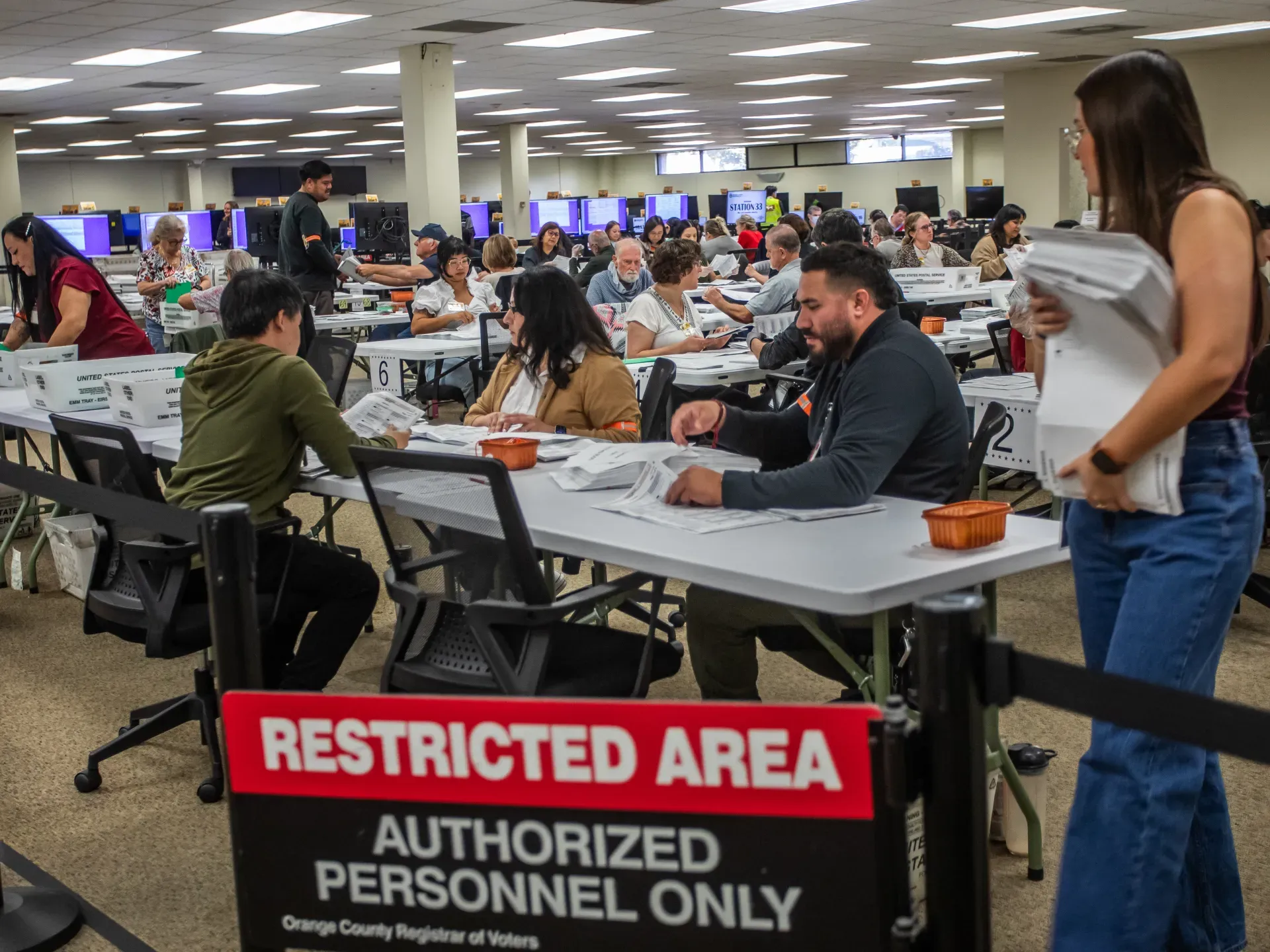
The current volume of early ballots indicates a historic level of engagement that could redefine congressional control for the next two years. According to the University of Florida Election Lab, between four and five million Americans are casting their votes each day as the November 3 deadline approaches. This rapid acceleration is markedly higher than the pace observed in most prior midterm cycles.
If current trends hold, the total turnout could exceed the 2020 presidential election figures. It may even surpass the 2018 midterm turnout, which previously broke the 1914 record for midterm participation. This surge is not merely a matter of volume but also of timing, as voters are returning their ballots earlier than in previous years.
The impact on congressional control
The outcome of these elections is critical because it determines which political party will hold the balance of power in Congress throughout the remainder of the current presidential term. With millions of votes already recorded, the margin for error for both major parties is narrowing, making the early voting data a vital indicator of the eventual legislative landscape.
How is Texas influencing the midterm outcome?
Texas has emerged as a decisive battleground where voter turnout is significantly outpacing previous cycles. Professor Mike McDonald, who manages the University of Florida Election Lab database, reports that Texas has already seen approximately 1.75 million more voters than in the 2022 midterm election. Currently, more than 5.8 million ballots have been cast in the Lone Star state.
The state's performance is particularly noteworthy because of its potential to decide Senate control for the rest of Donald Trump's presidency. Even in states like Texas, which do not require voters to declare a party affiliation or race upon registration, specific trends are visible. There is a pronounced surge in voting within counties along the Mexican border, where the population is more than 90% Hispanic. Professor McDonald notes that some of these specific counties are on track to beat their 2022 turnout totals through early voting alone.
What do the partisan and demographic trends reveal?
Early voting data suggests a notable increase in participation among Democratic-leaning voters compared to previous cycles. In states where voters must declare a political affiliation during primary elections, data indicates that the number of ballots cast by Democrats is rising. Conversely, the volume of early ballots from Republican-affiliated voters remains largely consistent with 2022 levels. According to external figures from Thursday, 44% of early ballots were cast by Democrats, while 31.2% were attributed to Republicans, with 24.7% coming from voters with no specific party affiliation.
Demographic shifts are also playing a central role in the current turnout figures. In states such as North Carolina, Georgia, and Florida—where voters must submit their race during registration—there has been a documented increase in participation from Black and Hispanic communities. Meanwhile, voting rates among white populations appear to be holding steady, roughly on par with the 2022 early voting figures.
The role of non-affiliated voters
A significant portion of the electorate consists of voters who chose not to register with a specific political party. Professor McDonald observes that early voting is trending upward among this group. However, because these voters do not have a registered affiliation, current data cannot definitively confirm which specific candidates they are selecting, leaving a degree of uncertainty regarding their ultimate impact on the election results.
How have voting habits changed since the pandemic?
The preference for early voting has grown exponentially since the COVID-19 pandemic, which prompted many states to expand both in-person and mail-in options. During the 2020 election, more than two-thirds of all ballots were cast early, with half of those being sent via mail. While the scale of early voting remains high, there is a shifting preference toward in-person participation.
Professor McDonald notes that even among those choosing to vote early, more people are opting to do so in person rather than by mail. Furthermore, the timing of these votes has changed; voters are returning their ballots earlier than in previous election cycles. While there is speculation that this shift could be driven by concerns regarding the security of postal voting or potential interference with the US Postal Service, there is currently no empirical data to confirm these specific motivations.
The risks associated with postal voting
Despite the convenience of mail-in options, postal votes carry specific administrative risks. Professor McDonald points out that mail-in ballots are statistically more likely to be disqualified due to technical errors made by the voter. This reality, combined with general concerns about mail security, may be contributing to the trend of voters preferring in-person early voting to ensure their ballots are processed correctly.
FAQ: US midterm elections early voting
How many people have voted so far?
More than 43 million Americans have already cast their ballots in the current midterm election cycle. This high volume is driven by a daily rate of four to five million votes, according to the University of Florida Election Lab, representing a significant increase over previous years.
Which state is seeing the most significant turnout?
Texas is currently experiencing a massive surge in participation, surpassing its 2022 turnout by approximately 1.75 million voters. With over 5.8 million ballots already cast, the state is considered a crucial battleground for determining control of the Senate.
Is there a difference in partisan voting patterns?
Data indicates that Democratic-affiliated voters are showing an increase in early voting compared to 2022. In contrast, Republican-affiliated early voting numbers remain generally similar to the previous midterm cycle. Currently, Democrats account for 44% of early ballots in states with affiliation requirements.
Are minority communities participating more?
Yes, there is a marked increase in turnout among Hispanic and Black communities. In states like Georgia, Florida, and North Carolina, these groups are driving higher participation rates, while white voter turnout remains relatively consistent with the figures recorded in 2022.
Why are people voting in person instead of by mail?
While mail-in voting was popularized during the pandemic, more voters are now choosing to vote in person during the early period. This may be due to concerns regarding postal security or the higher risk of disqualification for mail-in ballots due to clerical errors.
Key takeaways
- Over 43 million Americans have participated in early voting for the 2026 midterms.
- Texas has seen a surge of 1.75 million more voters compared to 2022.
- Democratic early voting is increasing, while Republican participation remains steady.
- Hispanic and Black communities are driving significant turnout increases in several states.
- Voters are increasingly choosing in-person early voting over mail-in options.
The trajectory of the election
As the midterm elections approach, the unprecedented surge in early voting suggests a highly engaged electorate. The massive numbers in battleground states like Texas and the shifting demographic participation patterns will likely dictate the final balance of power in Congress. While early voting is expected to taper off as states approach the November 3 deadline, the data already collected provides a clear indication of a historic turnout that could reshape the American political landscape for the next two years.