What do the Israel election 2026 projections reveal about the seat distribution?
The current projections suggest a fragmented parliament where neither the governing bloc nor the primary opposition can claim a mandate to rule alone. With just over 55 percent of the ballot boxes counted, the landscape of the 120-seat Knesset appears split between a weakened incumbent and a rising opposition.
According to the Times of Israel, the seat breakdown is as follows:
- Likud-led coalition (Netanyahu): 56 seats
- Opposition bloc (Eisenkot): 49 seats
- Unaligned Arab-led parties: 15 seats
This distribution means that even the largest bloc, Netanyahu's coalition, falls short of the 61 seats required for a working majority. The high voter turnout, which reached 77.7 percent according to the Central Elections Committee, underscores the intense public engagement with this electoral cycle, yet the results reflect a nation struggling to find a unified direction.
How are the Netanyahu and Eisenkot camps reacting to the exit polls?
Political leaders have responded to the projections with vastly different interpretations of what the numbers signify for the future of Israeli governance. While the opposition views the results as a rejection of the current administration, the government camp maintains that they remain the dominant political force.
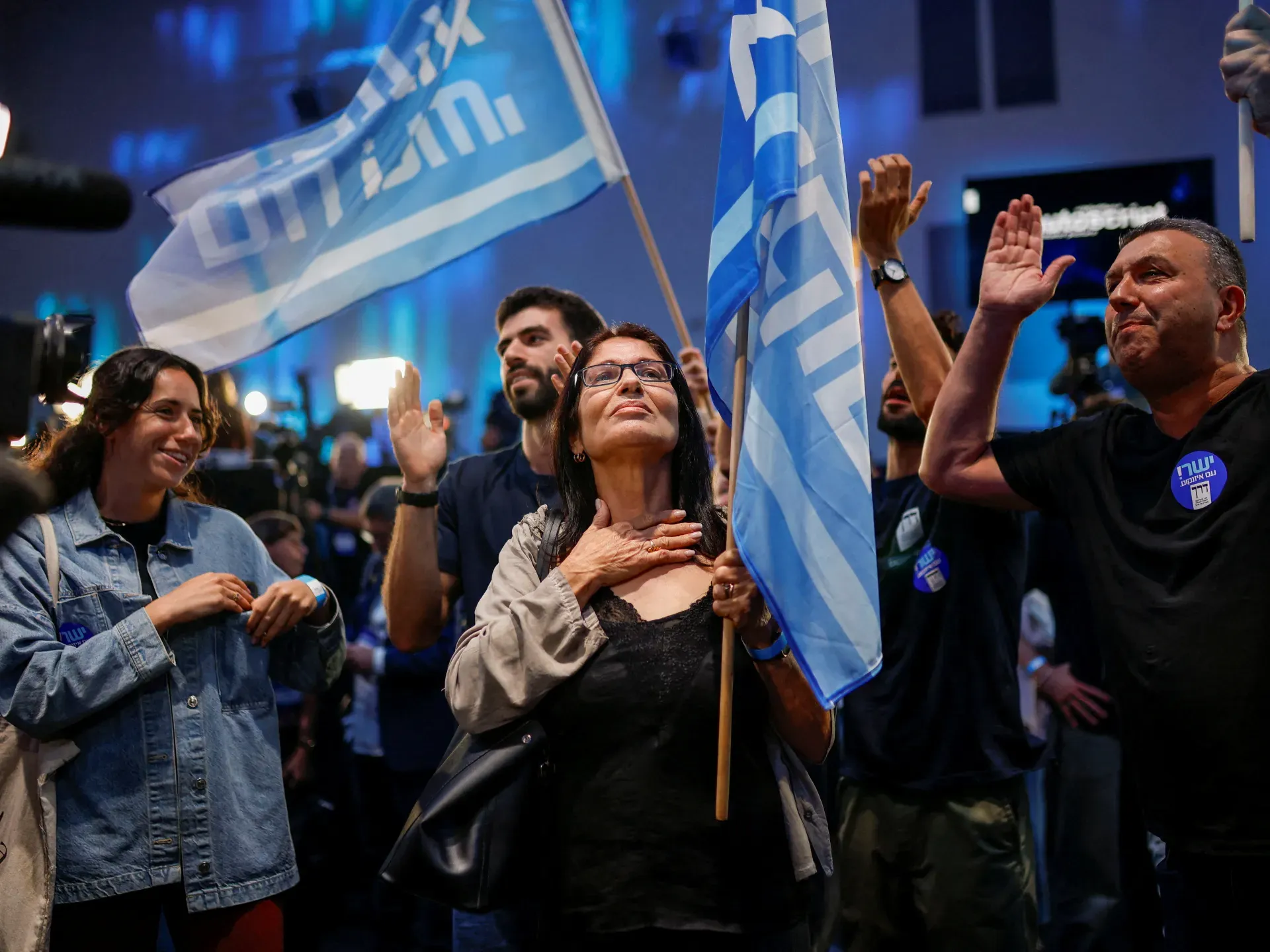
Gadi Eisenkot, the former military chief of staff and leader of the Yashar party, framed the projections as a verdict against the current leadership. Speaking to supporters after the polls closed, Eisenkot stated that the initial figures demonstrated a "complete lack of confidence in Netanyahu and the October 7 government," according to the AFP news agency.
Yair Lapid, another key opposition leader, was even more forceful in his assessment. In a formal statement, Lapid characterized the results as a "total collapse," asserting that the public had effectively instructed the current government to leave office. These reactions highlight a strategic effort by the opposition to frame the narrowness of the Likud lead as a definitive political defeat.
The government's defense of the Likud coalition
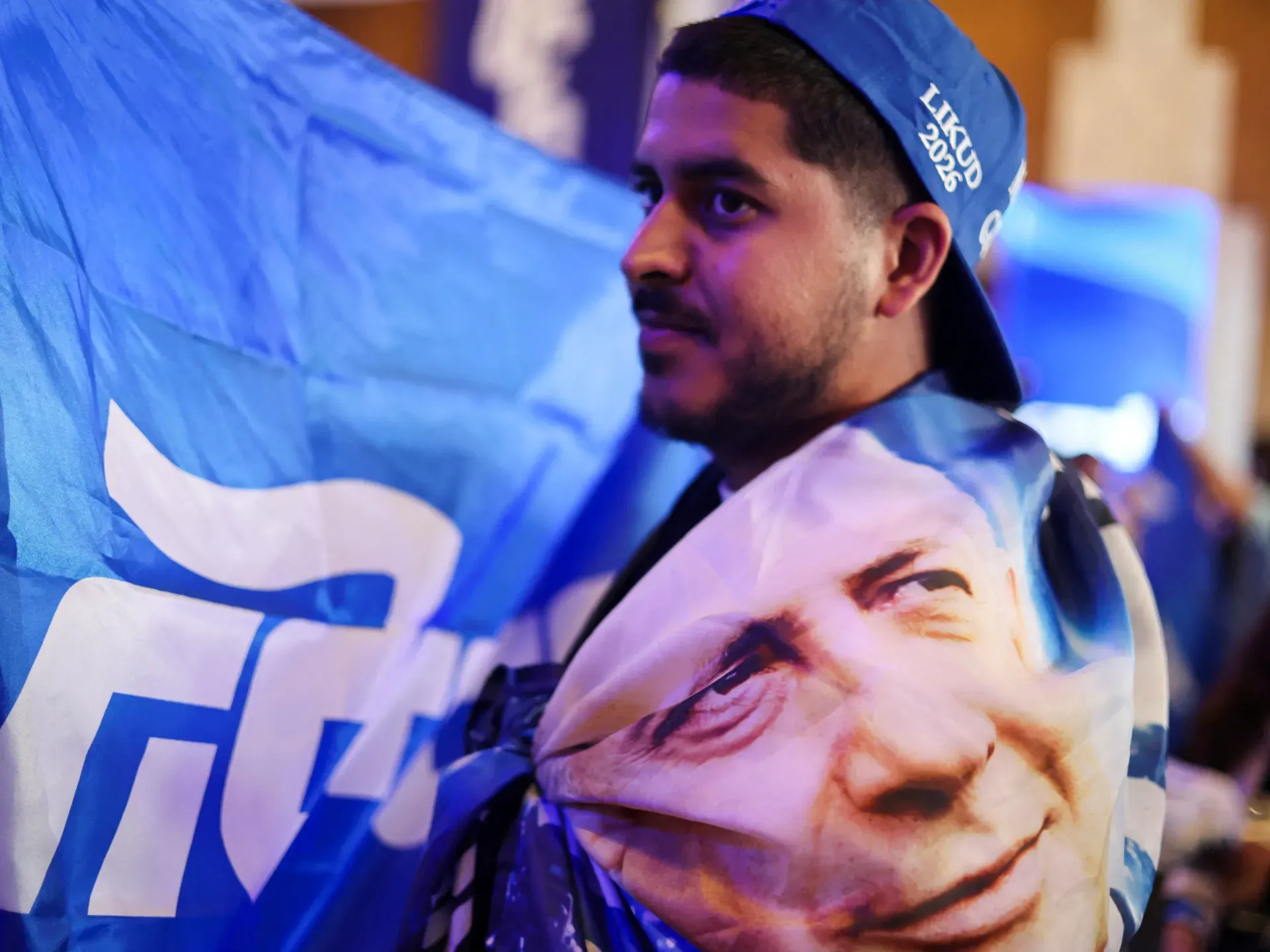
In contrast to the opposition's narrative of collapse, senior figures within Benjamin Netanyahu's camp have dismissed these declarations as premature. They argue that the final, uncounted portion of the ballots could significantly alter the parliamentary balance.
Gideon Saar, Israel’s foreign minister and a prominent ally of the Prime Minister, used social media to push back against the opposition's claims. Saar emphasized that despite the projections, Likud remains the largest single party in the Knesset. This stance is intended to preserve morale among supporters and maintain the legitimacy of the Likud bloc as the primary contender for leadership during the upcoming negotiations.
What role will Arab-led parties play in the upcoming coalition talks?
With the two main blocs unable to reach a majority, the 15 seats held by unaligned Arab-led parties are positioned to become the decisive factor in forming a new government. These parties hold the potential to act as kingmakers, shifting the balance of power toward either the Netanyahu coalition or the Eisenkot-led opposition.
Mansour Abbas, the leader of the United Arab List (Ra’am), has already signaled the intent of his faction to leverage their position. He informed reporters that his party intends to "transform the mandate we received into a new reality in the country," suggesting that their support will come with specific political or policy demands.
The motivation behind the high participation among Palestinian citizens of Israel is also a central theme in this political shift. At the Joint List alliance headquarters in Nazareth, candidate Faten Gattas noted that the high turnout was a deliberate effort to prevent the return of a nationalist coalition led by Netanyahu. According to the Reuters news agency, Gattas stated that the movement aims to block what they describe as the "occupation and racism" through their electoral presence.
Why is the 2026 election resulting in a political deadlock?
The deadlock is a direct consequence of a highly polarized electorate where the primary political identities are clashing over the legacy of recent security challenges and the direction of national policy. The projections show that while the Netanyahu bloc remains the largest, it has lost the ability to govern without significant concessions to smaller, often ideologically divergent, parties.
The tension is exacerbated by the divergent goals of the participating blocs:
- The Netanyahu Bloc: Seeking to maintain stability and continue their current policy trajectory despite a diminished seat count.
- The Eisenkot/Opposition Bloc: Aiming to capitalize on public dissatisfaction to enact a fundamental change in leadership.
- The Arab-led Parties: Seeking to maximize their influence and secure rights or policy changes within a new governing framework.
As the final results are tallied, the focus shifts from the act of voting to the complex, often opaque process of coalition building. The ability of any leader to secure the support of the 15 unaligned seats will determine whether Israel enters a period of new governance or faces further political instability.
Frequently asked questions
How many seats does the Netanyahu coalition currently hold according to projections?
According to the Times of Israel, the Likud-led coalition headed by Prime Minister Benjamin Netanyahu is projected to hold 56 seats in the 120-seat Knesset. While this makes them the largest bloc, it is insufficient to form a government without additional partners.
Who is the main challenger in the 2026 Israel election?
Gadi Eisenkot, a former military chief of staff and the current leader of the Yashar party, is the primary challenger leading the opposition bloc. His camp currently holds 49 seats according to initial exit poll projections and partial results.
What was the voter turnout for the 2026 election?
The voter turnout for the election was notably high, reaching 77.7 percent. This figure was confirmed by the Central Elections Committee and indicates a high level of public engagement with the political process during this period.
Can the Netanyahu government still form a majority?
Yes, it is mathematically possible, but difficult. Because the Likud-led bloc holds 56 seats, they require at least five more seats to reach a 61-seat majority. This would likely require negotiating with smaller parties or unaligned factions.
What is the significance of the Arab-led parties in this election?
The Arab-led parties are projected to hold 15 seats, making them the potential kingmakers in the Knesset. Their support could be essential for either the Netanyahu coalition or the Eisenkot-led opposition to reach the 61-seat threshold required to govern.
Key takeaways
- Netanyahu's Likud-led coalition holds 56 seats, while Eisenkot's opposition holds 49 seats.
- Unaligned Arab-led parties are projected to secure 15 seats in the 120-seat Knesset.
- Voter turnout for the 2026 election reached 77.7 percent, according to the Central Elections Committee.
- Neither major political bloc has achieved the 61 seats necessary for a governing majority.
The path toward coalition formation
The 2026 election has resulted in a legislative stalemate that places immense pressure on the upcoming coalition negotiations. While the Netanyahu camp maintains its position as the largest single entity, the opposition has successfully framed the results as a loss of public confidence. The ultimate outcome depends on the strategic maneuvering of smaller parties, particularly the Arab-led factions, whose 15 seats will likely dictate the composition of the next government. As the country moves from voting to bargaining, the potential for either a shift in leadership or continued political fragmentation remains high.