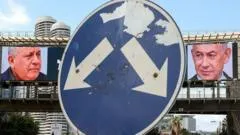
Why is Israel facing a political deadlock after the elections?
The current deadlock stems from a fragmented electoral map where no single bloc has secured enough seats to govern independently or form a stable majority. According to recent tallies, 85% of the votes have been processed, and the results show a split between Prime Minister Benjamin Netanyahu's existing coalition and the challenger bloc led by Gadi Eisenkot. Because both sides are currently short of the required threshold, any successful government formation will likely necessitate significant political concessions or the breaking of previous campaign pledges.
The complexity is heightened by the diverse interests of the participating parties, ranging from ultra-Orthodox groups to right-wing security hawks and Arab political lists. The inability of these groups to find common ground—often due to diametrically opposed views on social issues, religious conscription, and the conflict in Gaza—creates a vacuum of leadership that could prolong the country's political instability.
Could a national unity government under Netanyahu be viable?
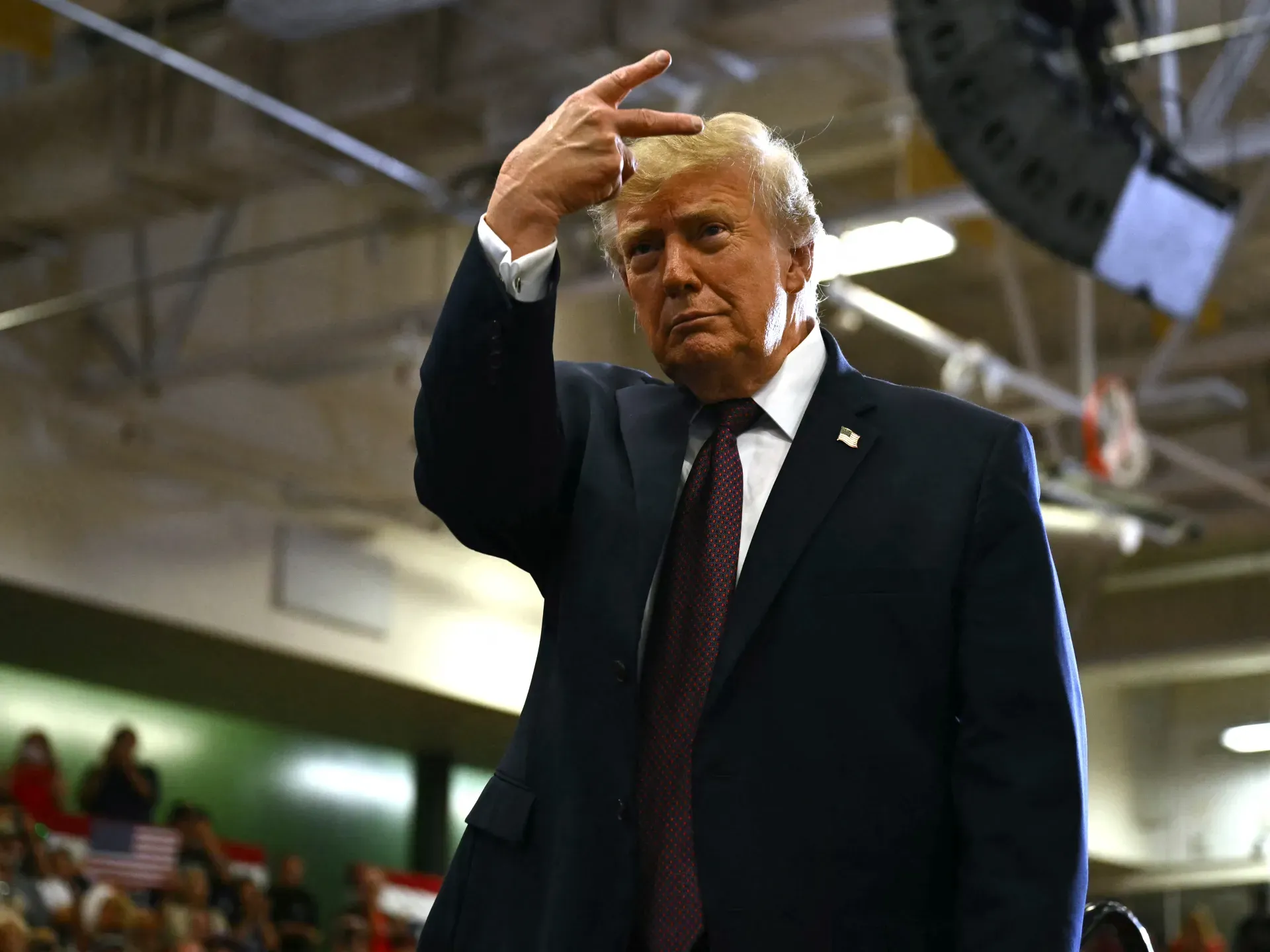
A national unity government led by Benjamin Netanyahu would require a dramatic shift in the political stance of Gadi Eisenkot. For such a coalition to function, Eisenkot would have to abandon his central campaign platform, which was built on the premise of removing Netanyahu from power. During his campaign, Eisenkot explicitly called for Netanyahu's immediate retirement, citing a need to end what he described as a "culture of lies" and political incitement.
There are two primary ways this scenario might unfold:
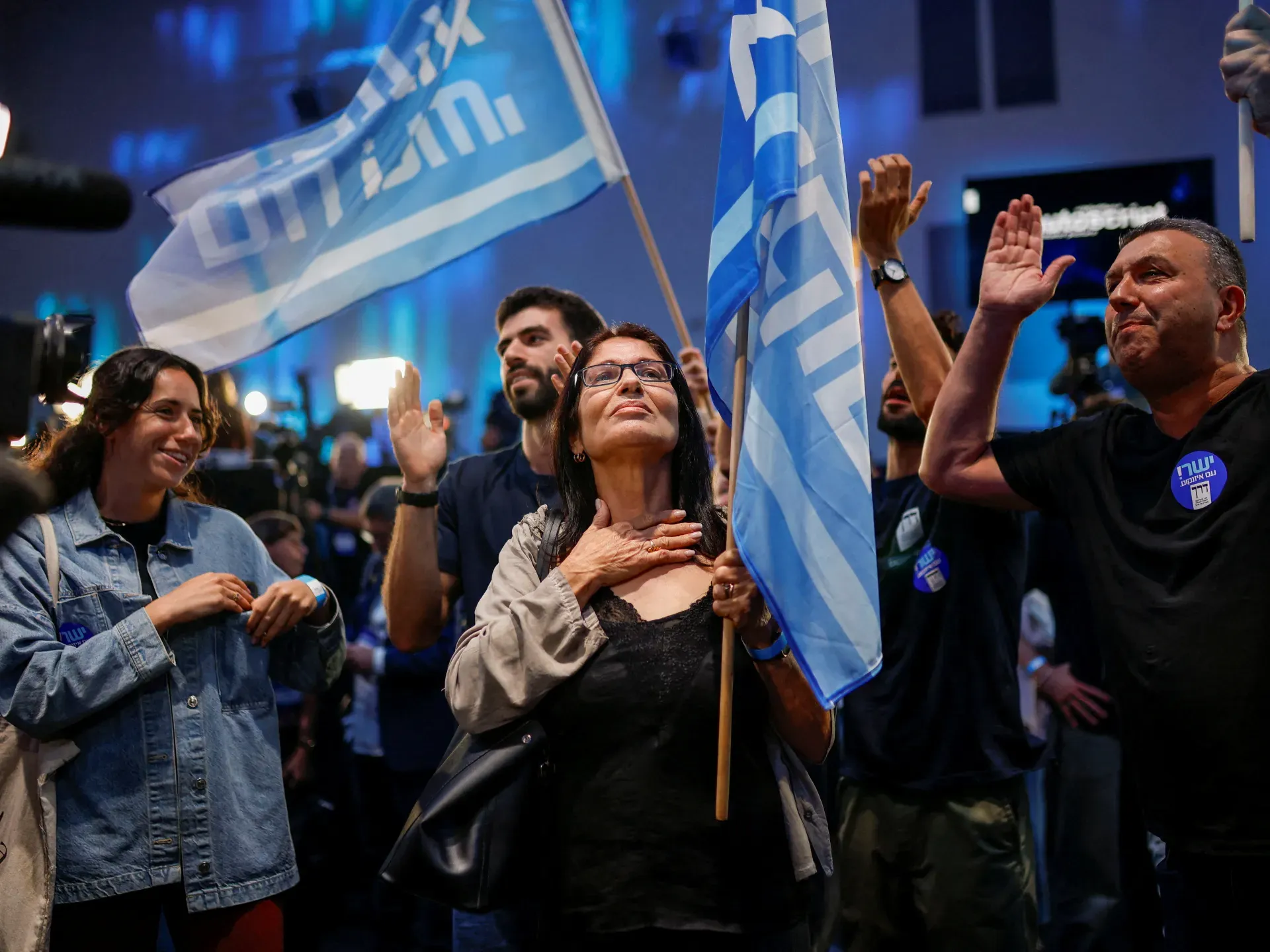
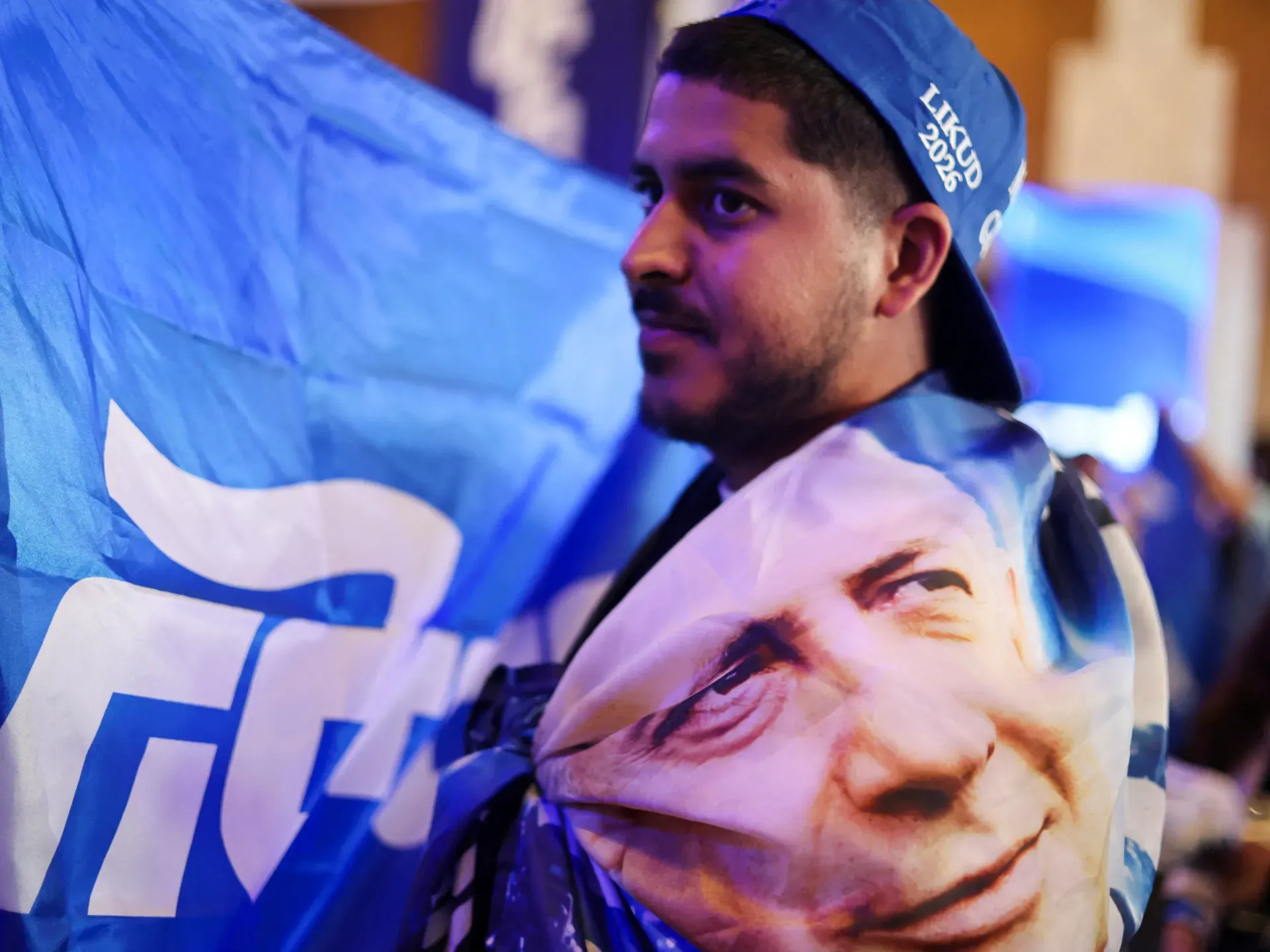
- The Abandonment of Far-Right Allies: Netanyahu could attempt to build a broader coalition by inviting Eisenkot’s Yashar Party into a government that excludes the far-right and ultra-Orthodox parties. However, Netanyahu’s recent rhetoric at his Likud headquarters, where he thanked his "loyal partners" and called for a "strong right-wing government," suggests he may prefer to maintain his current alliances.
- The Impact of Regional Conflict: A renewed confrontation with Iran could act as a catalyst for unity. Reports from Israeli and US media indicated that Netanyahu had been advocating for fresh strikes and seeking US involvement under the Trump administration. While critics may view such escalations as a tactic to secure political survival, the pressure of an existential security threat often forces rival leaders to cooperate.
The challenges of ideological reconciliation
Even if the security situation forces a temporary truce, the ideological gap between Netanyahu's Likud and Eisenkot's bloc remains vast. The fundamental disagreement over the direction of the state and the role of religion in public life means that any unity government would likely be fragile and prone to collapse at the first sign of domestic political pressure.
What is the impact of the record Arab party turnout?
The election results have highlighted a seismic shift in the influence of Arab political parties in Israel. Driven by an unprecedented turnout among the country's Arab population—who make up approximately one-fifth of the citizenry—Arab parties are projected to secure a record 19 seats. This surge was largely motivated by a collective desire to oust the most right-wing government in Israel's history, moving away from previous years of election boycotts.
This newfound strength creates a potential, albeit controversial, path for the opposition:
- The Eisenkot-Arab Coalition: This would involve the opposition bloc partnering with Arab parties to reach a majority. While the United Arab list has expressed interest in joining an opposition government, and The Joint List has signaled support from the outside, most Jewish parties in the opposition have explicitly ruled out formal participation.
- The Yair Golan Exception: Currently, Yair Golan of The Democrats is the only Jewish leader openly advocating for this type of cooperation.
A coalition involving Arab parties would face immense scrutiny and internal tension, particularly regarding policies in Gaza and the occupied West Bank. The stark division between the Jewish parties' reluctance and the Arab parties' increased presence underscores the deep societal fractures within the state.
Could right-wing parties from the opposition join Netanyahu?
A third possibility involves Netanyahu successfully poaching right-wing leaders from Gadi Eisenkot’s bloc to bolster his existing majority. The most notable candidates for this maneuver are Naftali Bennett, co-leader of the Beyachad alliance, and Avigdor Lieberman, leader of Yisrael Beiteinu. Both leaders share hardline security views with Netanyahu, which could provide a basis for cooperation.
However, several obstacles make this scenario difficult to realize:
- Campaign Promises: Both Bennett and Lieberman campaigned specifically on the removal of Netanyahu from office.
- Conscription Conflicts: A major point of contention is the extension of military conscription to the ultra-Orthodox community. Both leaders have advocated for this, which puts them in direct opposition to the ultra-Orthodox parties that currently form the backbone of Netanyahu's coalition.
- Mathematical Limitations: While some suggest Bennett and Lieberman could replace the ultra-Orthodox parties in the government, current electoral projections suggest their combined seats might not be sufficient to provide a stable majority.
When would new elections become the default outcome?
If negotiations between the major blocs fail to produce a viable coalition, Israel will likely move toward new elections. This outcome is often viewed as a strategic advantage for Benjamin Netanyahu, as he would continue to serve as caretaker Prime Minister during the interim period. This delay could allow him to recalibrate his political strategy for a second attempt at a mandate.
Several factors could influence the results of a subsequent election:
- Arab Voter Mobilization: Analysts suggest the record-breaking Arab turnout might not be repeated if the increased parliamentary representation fails to result in tangible policy changes.
- Right-Wing Consolidation: A second election could mobilize right-wing voters who felt disenfranchised by the current deadlock. Furthermore, right-wing parties that failed to meet the 3.25% electoral threshold in this round might not run again, potentially consolidating more votes for the Likud party.
- The Diaspora Factor: Netanyahu may also benefit from the potential absence of the estimated 70,000 Israelis living abroad who traveled home to vote in this election—a group thought to lean against his leadership.
The prospect of repeated elections is not unprecedented; between 2019 and 2022, Israel underwent five separate election cycles as political rivals struggled to reach lasting cooperation.
Frequently asked questions
What is the main cause of the current Israeli political deadlock?
The deadlock is caused by the fact that neither Benjamin Netanyahu's coalition nor Gadi Eisenkot's opposition bloc has secured enough seats to form a majority. With 85% of the votes counted, the results show a fragmented parliament where no single group can govern without making significant concessions.
How did Arab voters influence the recent election results?
Arab voters achieved a record turnout, which is projected to result in 19 seats for Arab parties. This surge was driven by a desire to challenge the existing right-wing government, marking a shift from previous years when many in the community boycotted the electoral process.
Can Benjamin Netanyahu form a government without the ultra-Orthodox parties?
While Netanyahu could theoretically form a government by partnering with the opposition's Yashar Party, he has recently signaled his intent to maintain his alliance with the far-right and ultra-Orthodox groups. Doing so would require him to abandon his current political partners to accommodate his rivals.
Who are the key right-wing figures outside Netanyahu's current coalition?
Naftali Bennett and Avigdor Lieberman are the primary right-wing leaders currently in the opposition. Although they share hardline security views with Netanyahu, they have campaigned on removing him from power and extending military conscription to the ultra-Orthodox, creating significant friction with Netanyahu's current allies.
What happens if no coalition is formed?
If no agreement is reached, the default outcome is the holding of new elections. In this scenario, Benjamin Netanyahu would remain in place as a caretaker Prime Minister until the next vote is conducted, potentially using the time to regroup his political base.
Key takeaways
- No single political bloc has secured a majority, leading to a significant parliamentary deadlock.
- Arab political parties are projected to reach a record 19 seats due to high turnout.
- A national unity government would require Gadi Eisenkot to abandon his anti-Netanyahu platform.
- New elections remain a likely outcome if no compromise is reached between the major blocs.
The path forward for Israeli governance
The current political landscape in Israel is defined by deep-seated divisions that transcend simple party lines. Whether the solution comes through a fragile national unity government, a shift in the influence of Arab parties, or the necessity of a second election, the stability of the state remains tied to the ability of these fractured groups to find a functional path forward. The upcoming weeks will determine if the current deadlock leads to a new era of cooperation or further cycles of political uncertainty and repeated elections.