Why did Salim Said receive a 30-year prison sentence?
Salim Said was sentenced to three decades in prison because of his extensive involvement in a massive scheme to siphon federal funds intended for underprivileged children. US District Judge Nancy Brasel delivered the verdict on Wednesday, emphasizing the gravity of the theft from taxpayers. The court highlighted that the defendant did not merely misuse funds but actively enriched himself at the expense of the state's reputation.
Prosecutors argued that Said’s actions were not accidental errors but a calculated effort to exploit a vulnerable system. By submitting fraudulent reimbursement claims for 21 consecutive months, Said and his associates turned a humanitarian resource into a lucrative criminal enterprise. The sentencing reflects the severity of the breach of trust inherent in defrauding a program meant to combat child hunger during a global crisis.
The scale of the deception
The legal proceedings revealed a staggering gap between the reported activity and the reality on the ground. While Said claimed to be distributing 6,000 meals daily, FBI surveillance footage told a different story, showing only about 40 people collecting food per day. Prosecutors characterized these submissions as a "calculated, lucrative lie," noting that many of the children listed in the claims were entirely fictitious.
How did the Feeding Our Future scheme operate?
The fraud exploited regulatory shifts in federal food assistance programs necessitated by the COVID-19 pandemic. Traditionally, these programs operated through school systems, but pandemic-era changes allowed restaurants and non-profit organizations to participate in distribution. This decentralization provided the loophole used by the Feeding Our Future organization to bypass traditional oversight.
The scheme relied on the rapid expansion of food distribution sites outside of school environments. This allowed entities like the Minnesota non-profit Feeding Our Future to claim they were reaching a vast number of children in diverse locations. However, the investigation proved that the volume of food being claimed was vastly overstated to maximize the reimbursement amounts received from the government.
The role of Aimee Bock and organizational leadership
While Said played a key role, the broader architecture of the fraud was linked to Aimee Bock, the leader of Feeding Our Future. Bock was convicted and is currently serving a 42-year prison sentence for her role in devising the scheme. The court ordered her to repay $242 million, underscoring the massive financial scale of the operation that spanned multiple participants and locations.
What was the impact of the fraud on Minnesota politics?
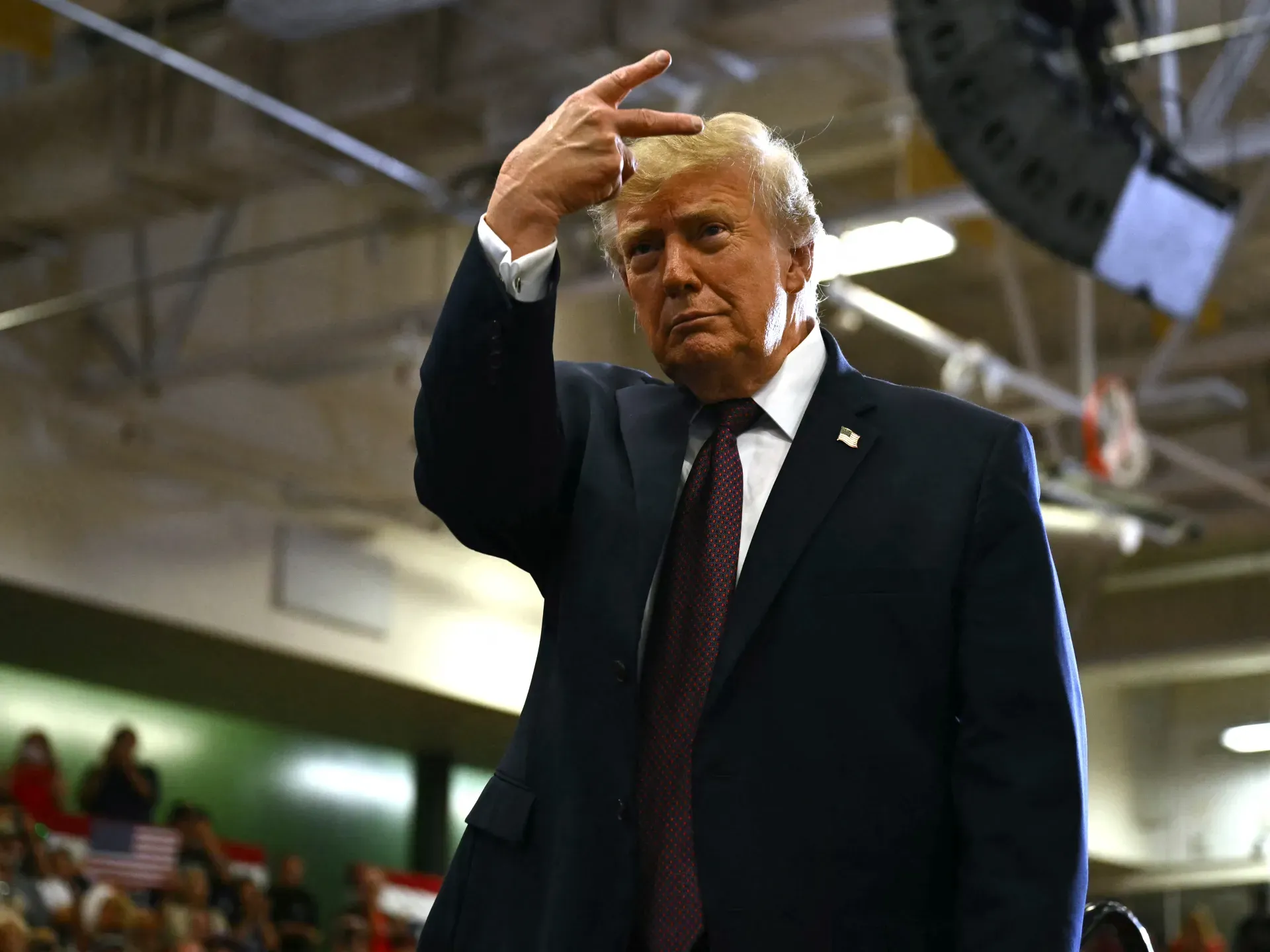
The Feeding Our Future scandal became a major political flashpoint, drawing significant criticism from President Donald Trump. The President utilized the fraud as a central theme in his political rhetoric, frequently attacking the Democratic administration in Minnesota for its perceived failure to prevent the theft. This pressure has had tangible consequences for state leadership and policy direction.
President Trump used the incident to advocate for stricter immigration crackdowns in Minnesota’s largest cities, linking the fraud to broader concerns regarding community oversight. The political fallout was so severe that Governor Tim Walz announced in January that he would not seek re-election, a move widely seen as a response to the relentless criticism surrounding the state's handling of the fraudulent programs.
How did Salim Said use the fraudulent funds?
The investigation into Said’s finances revealed that he used the stolen taxpayer money to fund a lifestyle far beyond the means of a local restaurant owner. According to government officials, Said "hit the jackpot" by converting the fraudulent reimbursements into significant personal assets.
The proceeds from the scheme were used to purchase several high-value items, including:
- A residential home valued at $1.2 million.
- Various commercial real estate holdings.
- An $87,000 pickup truck.
These acquisitions served as primary evidence for prosecutors to demonstrate the personal enrichment that drove the fraudulent claims. While Said’s defense lawyer, Barry Zone, disputed that Said was the primary architect of the entire scheme, the financial trail linked the defendant directly to the misuse of the program's funds.
FAQ: Feeding Our Future Fraud
What was the total amount involved in the Feeding Our Future fraud?
The total scale of the fraud is massive, with Aimee Bock ordered to repay $242 million. Salim Said specifically was held responsible for approximately $44 million in fraudulent claims during his involvement with the scheme in Minnesota.
How did the COVID-19 pandemic facilitate this fraud?
The pandemic required changes to federal food programs, allowing restaurants and non-profits to distribute meals outside of traditional school settings. This shift created less centralized oversight, which the perpetrators exploited to submit fictitious claims for meals never actually delivered.
What is the sentence for Aimee Bock?
Aimee Bock, the leader of the Feeding Our Future non-profit, was sentenced to 42 years in prison. She was identified as a central figure in devising the scheme and faces significant financial restitution requirements totaling $242 million.
Did Salim Said admit to the crimes?
During his 2025 trial, Said denied the allegations, arguing that many meals were delivered to off-site locations. However, during his sentencing hearing in October 2026, he changed his stance and expressed remorse for his actions before the court.
What was the reaction from the Trump administration?
President Donald Trump used the fraud as a basis for political attacks against Minnesota's leadership. He cited the scheme as justification for proposed immigration crackdowns and criticized the state's failure to monitor the federally funded programs effectively.
Key takeaways
- Salim Said received a 30-year prison sentence for his role in the $44m Minnesota food fraud.
- The scheme exploited pandemic-era changes to federal food assistance programs to bypass school oversight.
- Aimee Bock, the non-profit leader, is serving 42 years and must repay $242 million.
- The fraud led to significant political consequences, including Governor Tim Walz's decision not to run for re-election.
The long-term implications of the Minnesota fraud case
The sentencing of Salim Said marks a significant chapter in the legal resolution of one of Minnesota's largest corruption scandals. Beyond the individual prison terms, the case highlights critical vulnerabilities in how federal emergency funds are distributed during crises. The intersection of massive financial fraud and intense partisan politics has fundamentally altered the political landscape in Minnesota, leaving a legacy of increased scrutiny over non-profit oversight and the management of taxpayer-funded social programs.