Why did the judge reject the Department of Justice request?
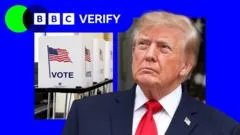
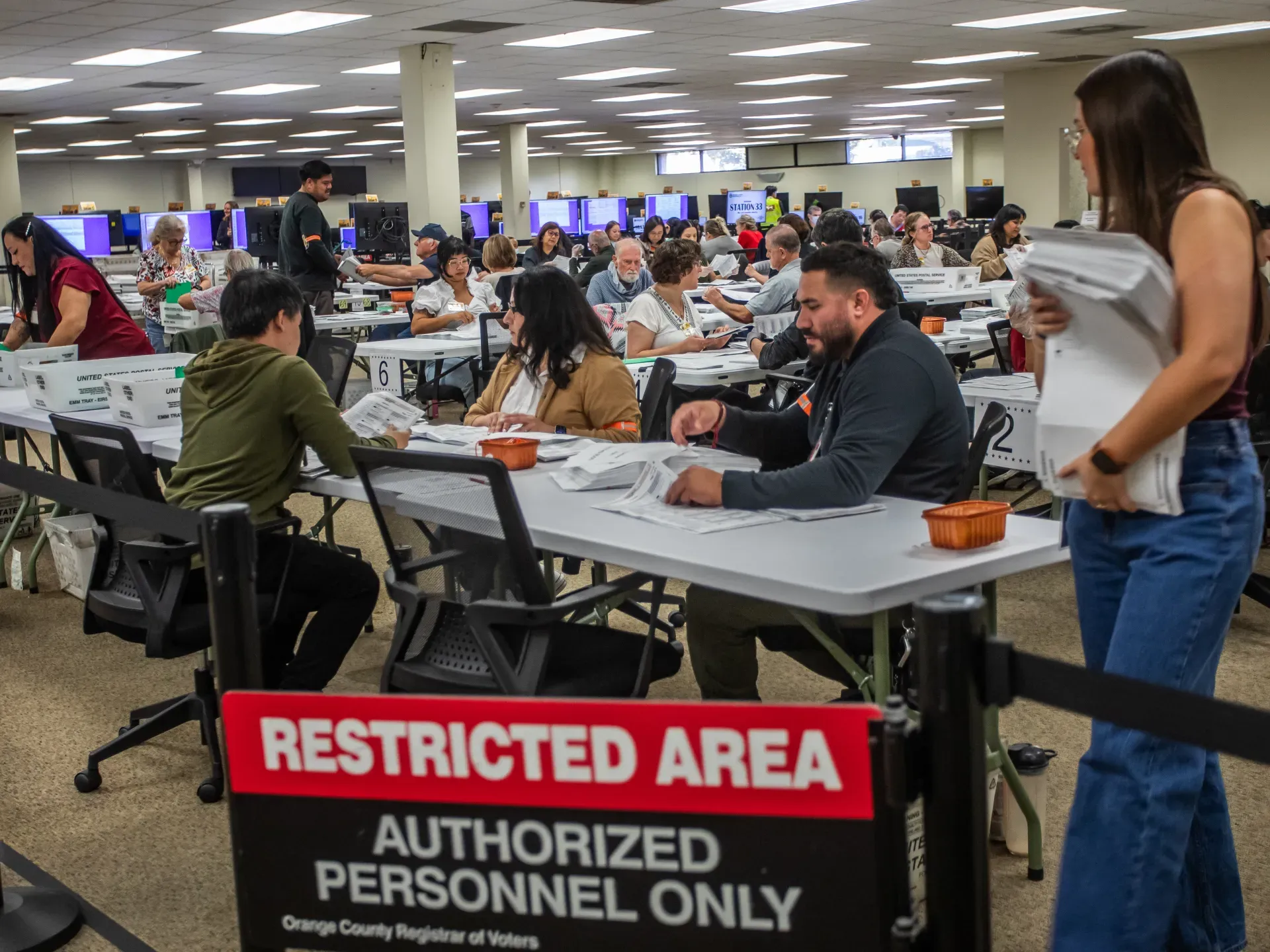
US District Judge David Carter rejected the Department of Justice (DOJ) attempt to temporarily stop California from processing mail ballots linked to a list of 20,000 alleged noncitizens. The ruling, issued on Wednesday, October 28, 2026, serves as a significant legal barrier to the Trump administration's efforts to intervene in the state's electoral procedures just days before the midterm elections.
In his decision, Judge Carter, who was appointed by President Bill Clinton in 1998, emphasized the constitutional autonomy of individual states. He noted that the federal government's attempt to force state and local authorities to abandon their established election procedures was unprecedented. According to the judge, the DOJ's request ran afoul of long-standing principles that mandate states maintain control over their own election processes.
The Constitutional Argument for State Control
The core of the judicial reasoning rests on the division of power between federal and state governments. Judge Carter stated that never before in American history has the federal government sought to coerce state and local governments to bend to the will of the Executive Branch on the eve of an election. By attempting to exclude specific ballots based on federal lists, the administration was seen as overstepping its constitutional bounds.
How widespread is the federal investigation into noncitizen voters?
The Trump administration has expanded its search for alleged noncitizen voters far beyond California, issuing more than 100 subpoenas across at least 13 different states. This investigation, which includes both Republican- and Democratic-leaning states, seeks to uncover records related to tens of thousands of voters. While many of these subpoenas were issued to local election officials within the last three months, some date back to the beginning of the year.
The scale of this federal effort suggests a coordinated national strategy. Most of the subpoenas documented by Reuters were directed at state and local election officials. This widespread scrutiny has raised concerns among legal experts and election officials regarding the potential for the data to be used to contest the results of the 2026 midterms, particularly in close races where every vote is critical.
What are the risks of the 'Unlawful Voter Initiative'?
A government whistleblower has characterized the federal investigation, referred to as the "Unlawful Voter Initiative," as a deeply flawed process that risks disenfranchising legitimate US citizens. The whistleblower warned that the current investigative method is knowingly including known US citizens in lists of potential "unlawful voters" for scrutiny. This suggests that the error rate in the government's data may be significantly higher than the administration has publicly acknowledged.
Data provided by the media platform Democracy Docket supports these concerns. In Los Angeles County, for example, one in four voters included on the DOJ's "noncitizen" list was actually born in the United States. This high margin of error highlights the danger of using the list to invalidate ballots, as it could result in the removal of eligible voters from the electoral process based on inaccurate information.
The Impact of Suspect Data on Voter Rolls
The use of "suspect data" is a central theme in the opposition to the DOJ's actions. California officials have maintained that the state's existing safeguards against noncitizen voting are robust. They argue that complying with the federal demands would not only be legally problematic but would actively harm the democratic process by disenfranchising citizens. The risk is that the federal government's data-driven approach prioritizes the identification of noncitizens at the expense of protecting the voting rights of legal citizens.
What is the immediate legal status of the California lawsuit?
Following the judge's refusal to grant the injunction, the Department of Justice swiftly appealed the decision to the Ninth US Circuit Court of Appeals. The legal battle remains active as the country prepares for the Tuesday election, where voters will decide the control of Congress and various state and local offices. The DOJ's intervention, which began with the filing of the lawsuit on October 15, represents a rare and aggressive move by the executive branch so close to an election date.
The outcome of the appeal could potentially change the landscape of the California vote if the higher court decides to intervene. However, with only six days remaining before the polls open, the window for significant judicial intervention is narrowing. The tension between the Trump administration's push for federal oversight and the states' insistence on constitutional autonomy remains the defining legal conflict of this election cycle.
FAQ: Trump noncitizen ballots and the California ruling
Why did the judge block the DOJ's request?
Judge David Carter blocked the request because it violated the constitutional principle that states have primary control over their own election procedures. He argued that the federal government should not coerce state and local governments into abandoning their established protocols on the eve of an election.
Is noncitizen voting legal in the United States?
No, it is illegal for noncitizens to vote in US federal elections. The Department of Justice's investigation is aimed at identifying individuals who may have participated in elections in violation of this law, although experts note there is little evidence of widespread noncitizen voting.
How many states are affected by the federal subpoenas?
The Trump administration has issued more than 100 subpoenas across at least 13 states. These subpoenas are part of a broader effort to obtain records on tens of thousands of voters to investigate potential noncitizen participation in the electoral process.
What is the concern regarding the DOJ's voter list?
The primary concern is that the list used by the DOJ is based on a flawed process that incorrectly identifies US citizens as noncitizens. Reports indicate that in Los Angeles County, 25% of the individuals on the list were actually US-born citizens.
What happens next with the California case?
The Department of Justice has appealed Judge Carter's decision to the Ninth US Circuit Court of Appeals. The legal proceedings are ongoing as the country approaches the midterm elections, which are scheduled to take place this coming Tuesday.
Key takeaways
- A US judge rejected the DOJ's attempt to halt the counting of 20,000 California mail ballots.
- The Trump administration has issued over 100 subpoenas across 13 states regarding voter records.
- Whistleblowers claim the "Unlawful Voter Initiative" risks disenfranchising legitimate US citizens.
- In Los Angeles County, one in four people on the noncitizen list were US-born citizens.
The evolving landscape of US election law
The clash between the Trump administration and California highlights a growing tension in American governance regarding the intersection of federal oversight and state sovereignty. While the administration frames its actions as a necessary measure to ensure election integrity, critics and judicial authorities warn of the dangers of executive overreach and the potential for mass disenfranchisement. As the 2026 midterms approach, the resolution of these legal challenges will likely set a precedent for how federal and state authorities interact during future election cycles, potentially reshaping the legal boundaries of election administration in the United States.