How did the Serbian student movement achieve electoral success?
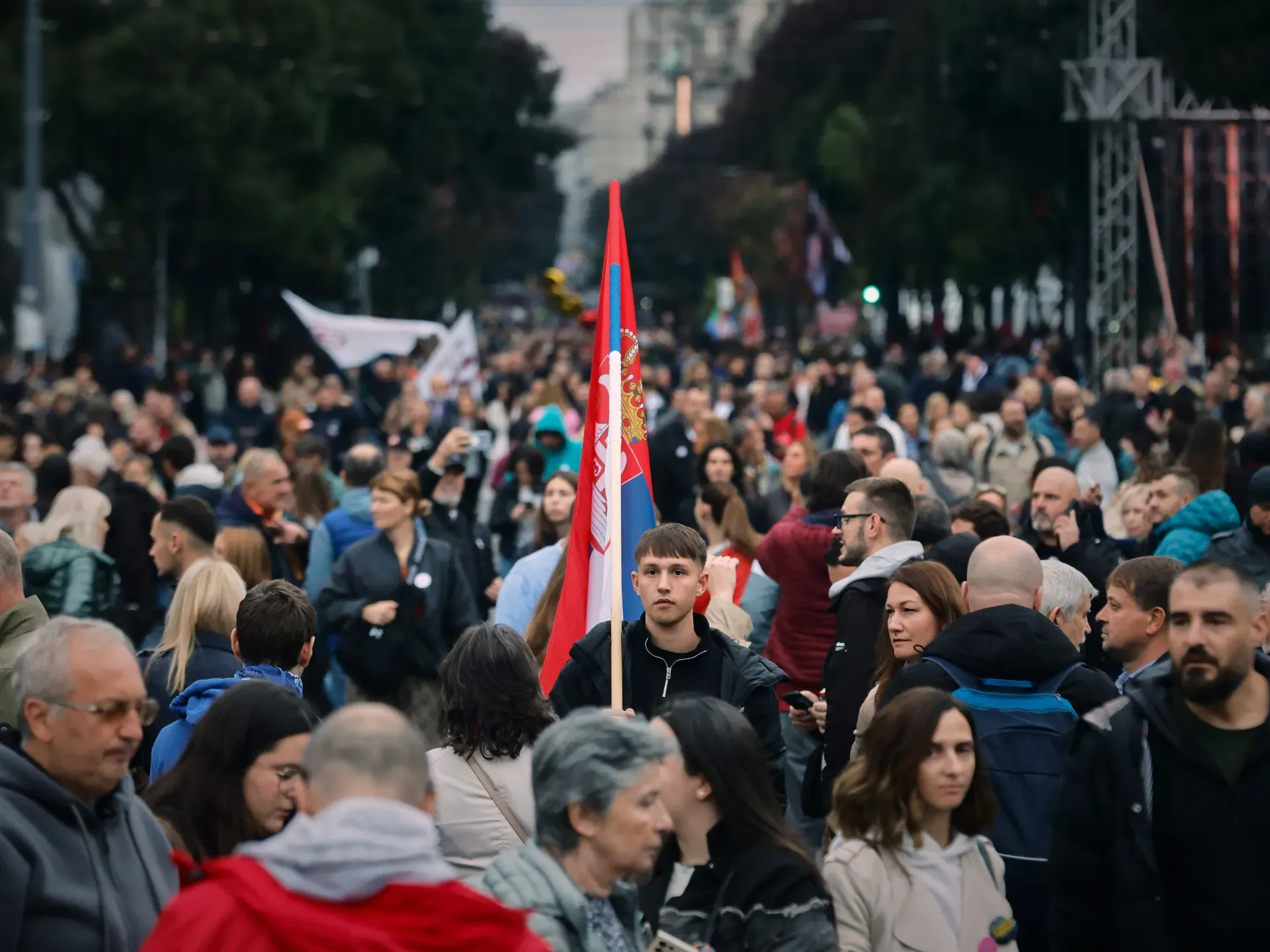
The Serbian student movement succeeded by constructing an entirely independent political alternative that avoided the pitfalls of established opposition parties. While traditional opposition groups in Serbia have often been characterized as small, centralized, and prone to corruption due to foreign dependencies, the students remained unaligned with any domestic party or the four major geopolitical powers: Russia, China, the European Union, and the United States.
This independence was not merely a strategic choice but a structural necessity. By refusing to join existing political frameworks, the students prevented their movement from being diluted by the vulnerabilities of traditional parties. Instead, they built their own political scene through direct action and self-reliance. This approach allowed them to maintain legitimacy among a population that had grown disillusioned with the political status quo.
The roots of student mobilization
The movement's momentum was catalyzed by the 2024 collapse of a train canopy at a newly renovated station in Novi Sad, which resulted in 16 deaths. However, the underlying drivers were much broader, rooted in systemic corruption and economic instability. Students and their families faced increasing precarity caused by local elite mismanagement and the influence of international corporations that contributed to a lack of social mobility.
What was the organizational structure of the movement?
The movement functioned through a decentralized network of occupied universities and student-run administrative structures. Rather than following a top-down command, the students established autonomous zones that provided essential services and educational alternatives. This level of organization was particularly evident at the Faculty of Technical Sciences in Novi Sad, which houses over 16,000 students.
At these occupied sites, students developed sophisticated internal systems to sustain their presence and mission. These included:
- Security and Logistics: Student guards managed entrances using communication equipment and metal fencing to protect occupied spaces.
- Social Support: Dedicated rooms were established to store food and medical supplies, with student nurses providing care to those in need.
- Alternative Education: Students organized their own lectures and plenaries, often involving 300 to 400 participants, to discuss political and economic issues that would eventually form their electoral platform.
This high degree of self-sufficiency earned the movement widespread respect from the general public and provided the resilience needed to withstand police attempts at eviction.
How was direct democracy implemented in the campaign?
The movement utilized a model of direct democracy that replaced traditional leadership-based politics with collective decision-making. This was achieved through a series of student plenaries and assemblies that functioned as the movement's core decision-making bodies. This approach ensured that the movement remained leaderless in the traditional sense, making it harder for the government to decapitate the movement by targeting specific individuals.
During the electoral process, the 'Student List – Students Win' followed strict democratic protocols:
- Candidate Selection: Candidates were not nominated by a central committee but were chosen through rigorous interview processes involving large groups of students.
- Gender and Regional Equality: The movement prioritized equal representation between men and women, as well as across different university regions.
- Rejection of Established Figures: A collective decision was made to avoid nominating established politicians, aiming to break the cycle of leadership-based politics that has dominated the region.
This 'hidden abode' of politics—where decisions are made by networks of assemblies and local committees rather than at a party headquarters—offered a stark contrast to the centralized models used by the Vucic administration.
What geopolitical challenges does the new government face?
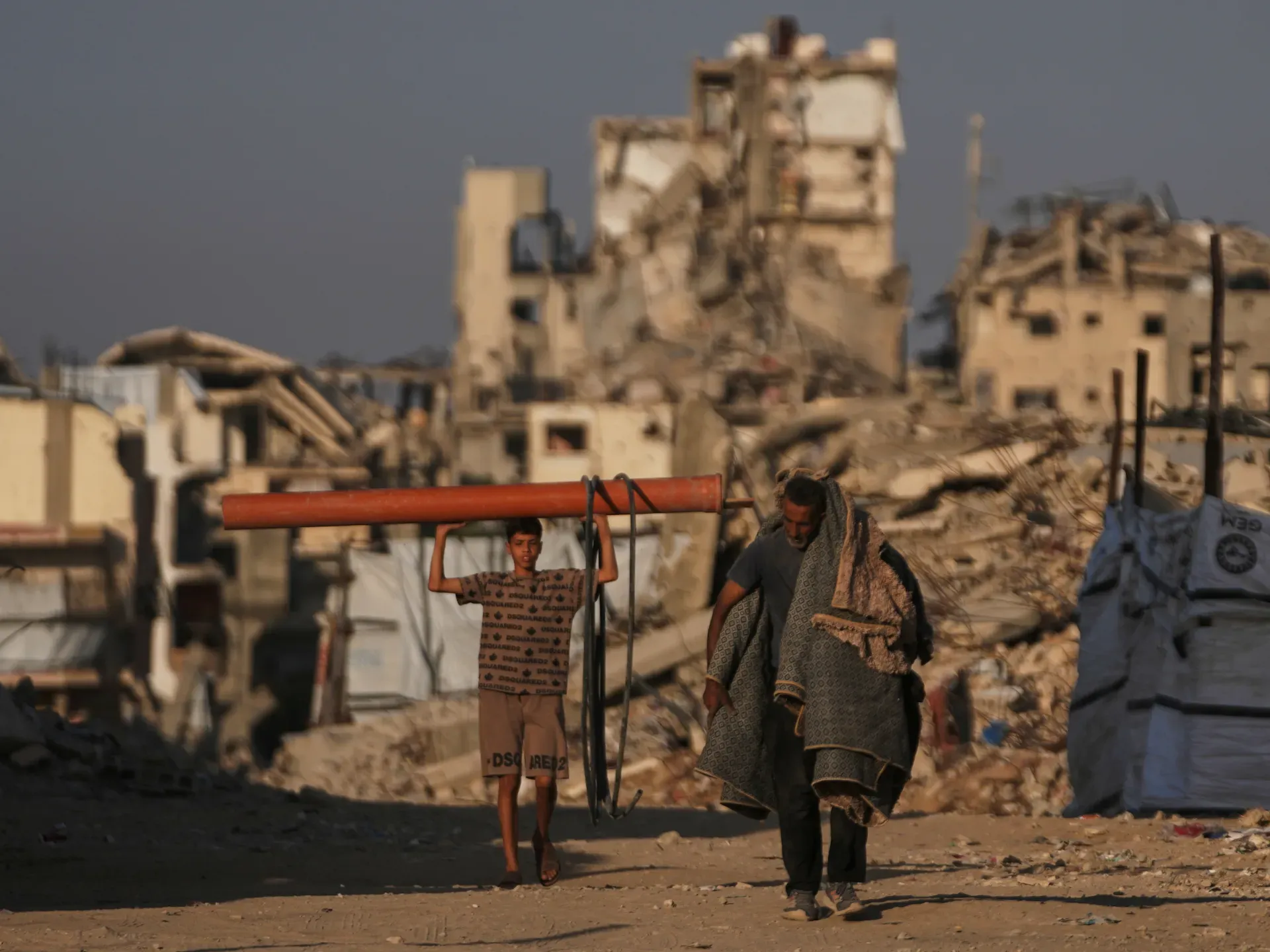
The transition from a protest movement to a governing force brings intense geopolitical scrutiny, particularly regarding Serbia's foreign relations and security ties. The 'Student List' has explicitly included a condemnation of the genocide in Gaza in its electoral programme, a stance that directly conflicts with the foreign policy of the outgoing administration.
Under the leadership of President Vucic, Serbian-Israeli relations saw significant expansion. According to reported figures, Serbian arms exports to Israel rose from $3.3 million in 2023 to $126 million in 2025. Furthermore, the opening of an Israeli drone production factory in Serbia in September 2025 highlights the depth of these industrial and security ties. If the new government adheres to its stated principles, it may be forced to halt these exports, a move that could disrupt Serbia's economic interests and its relationships with foreign partners.
The influence of international conservative actors
The movement also faces pressure from international political organizations. In the final days of the campaign, US-based conservative influencers attempted to frame support for Vucic as a defense of Christian identity. Additionally, the Conservative Political Action Conference (CPAC) is scheduled to open a Serbian chapter in November 2026, with Vucic expected to play a prominent role. Navigating these external pressures while maintaining domestic stability will be a primary test for the new government.
FAQ: Serbian Student Movement
How did the students organize their protests?
Students organized through the occupation of universities, creating autonomous zones with their own security, medical, and administrative systems. They used student plenaries to hold long discussions on political and economic issues, which eventually formed the basis of their electoral programme and helped maintain public support.
Why did the students avoid joining existing political parties?
The students remained independent to avoid being compromised by the corruption or the centralized, detached nature of existing Serbian opposition parties. By staying unaffiliated with both domestic politics and the four major global superpowers, they maintained their unique legitimacy and prevented the movement from being co-opted.
What was the role of the Novi Sad train accident?
The death of 16 people in a train canopy collapse at a renovated station in 2024 served as the immediate trigger for the protests. However, the movement was actually fueled by long-standing grievances regarding corruption, mismanagement, and the lack of social mobility caused by economic precarity.
How are candidates selected in this new political model?
Candidates are chosen through a democratic, collective process rather than by a central party leadership. This involves interviews conducted by large groups of students, ensuring that the representatives reflect the collective will of the assemblies rather than the interests of a select few.
What is the main foreign policy challenge for the Student List?
A major challenge is reconciling their electoral programme—which includes condemning the genocide in Gaza—with Serbia's existing arms trade and security ties with Israel. Following the Vucic administration's policy of increased arms exports, any shift in this direction could trigger significant economic and geopolitical tension.
Key takeaways
- The Serbian student movement achieved electoral success by remaining independent from all traditional political parties and major global powers.
- Organizational strength was built through the occupation of universities, creating self-sufficient hubs with student-run administration and security.
- The movement implemented direct democracy, using student plenaries and collective interviews to select candidates and make decisions.
- The new government faces significant challenges in aligning its anti-war principles with existing Serbian arms exports to Israel.
Conclusion
The success of the Serbian student movement represents a significant departure from traditional European political engagement. By building a decentralized, self-reliant, and democratic structure, these students managed to bypass the failures of the established opposition. However, the transition from an activist movement to a governing body is fraught with complexity. The new administration must now navigate a delicate balance: upholding the democratic and ethical principles that won them power while managing the intense economic and geopolitical pressures exerted by international partners and domestic vested interests.