How close is the race between Netanyahu and Eisenkot?
The preliminary results indicate a near-identical split between the incumbent Prime Minister and the primary opposition, with neither side currently possessing the 61 seats required to command a majority in the 120-seat Knesset. According to the Central Elections Committee, as of Wednesday morning, Netanyahu’s bloc secured 56 seats while Gadi Eisenkot’s Yashar party reached 49 seats based on the 55 percent of votes processed.
Exit polls and early tallies suggest a highly volatile political landscape. Data from Israel’s Channel 12 projected the Netanyahu bloc would secure 52 seats, while the Yashar party was expected to reach 49. Conversely, Channel 13 reported a total tie, with both the Likud party and the opposition potentially holding 51 seats each. Despite this parity between blocs, Likud appears positioned to remain the largest single entity in parliament, with projections suggesting it could win 27 seats to the 21 projected for the Yashar party.
Projected Seat Distribution
The distribution of seats across the various political factions remains the central point of contention for any future government. While the two main leaders are locked in a stalemate, smaller parties and Arab-led factions are expected to hold significant sway. Arab parties are projected to win 19 seats collectively, a notable increase from their 2022 performance. This shift could potentially make them the decisive factor in any attempt to reach the 61-seat threshold, though historical political tensions make such alliances complex.
What are the reactions from the leading political figures?
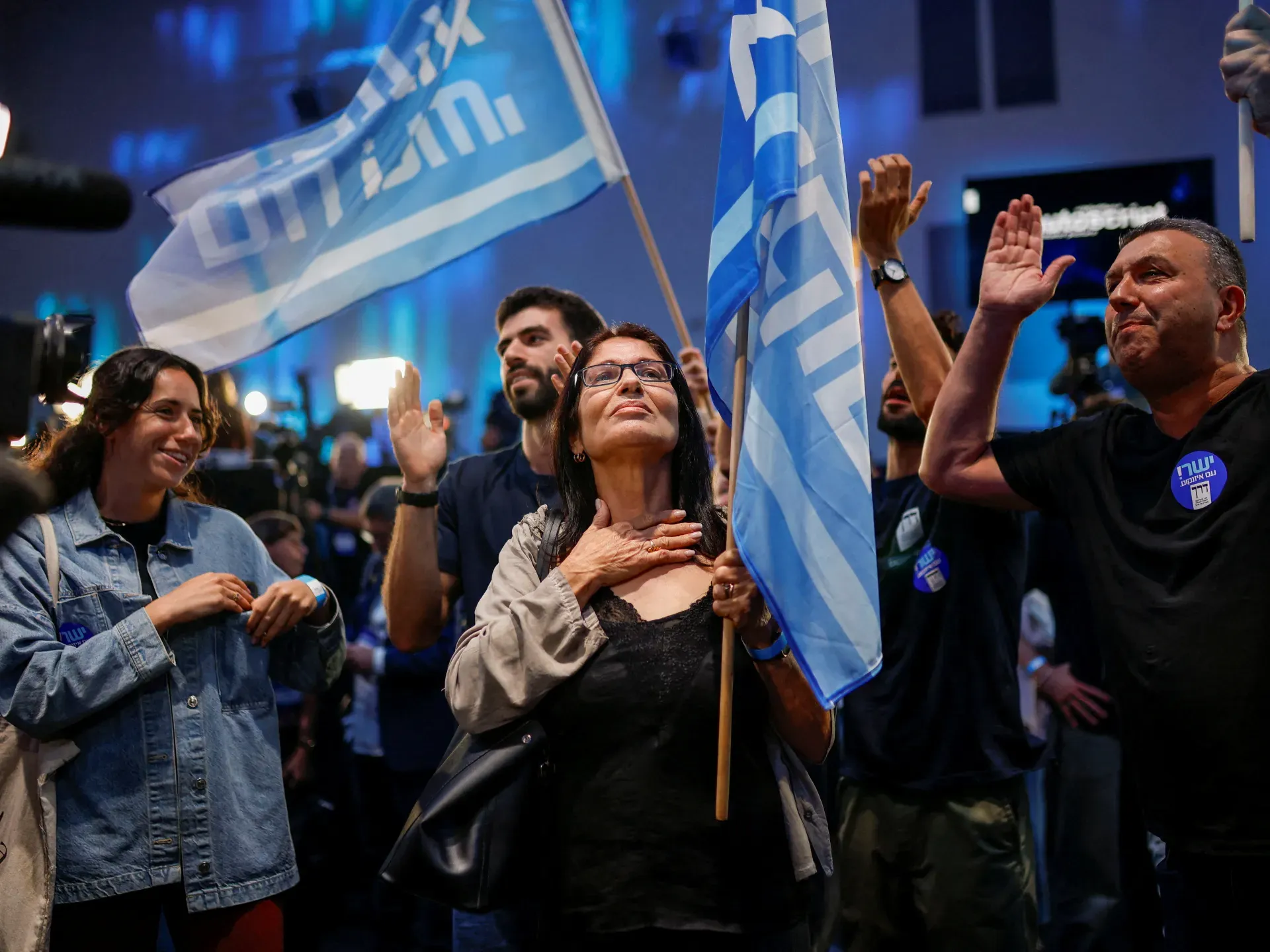
Political leaders have responded to the preliminary data with vastly different interpretations of the public mandate. Gadi Eisenkot, leader of the Yashar party, framed the results as a decisive rejection of the current administration. Addressing supporters in Tel Aviv, Eisenkot stated that the Israeli public had voted for a new path, asserting that the "old era is over" and that the country is entering a new era of governance.
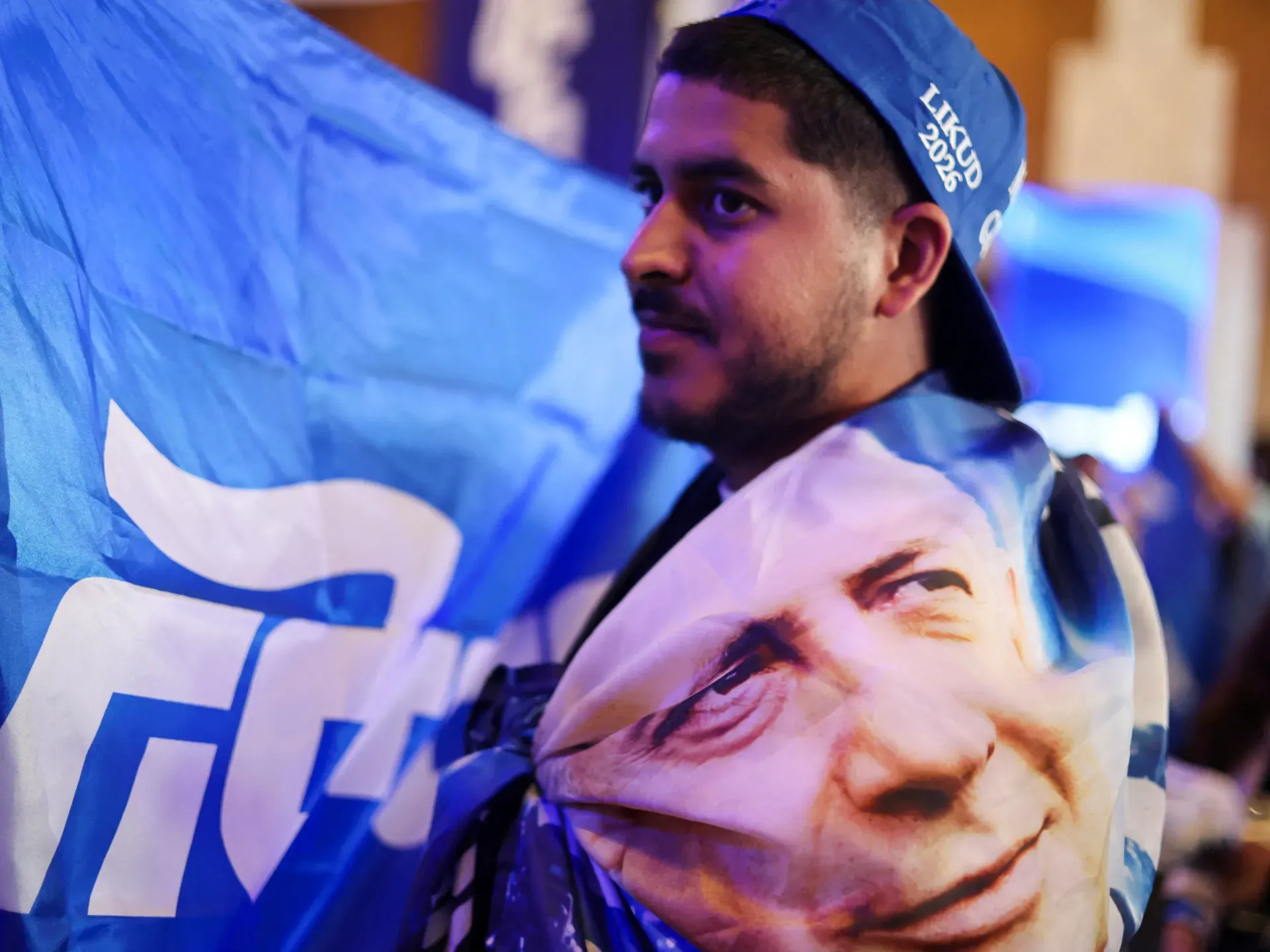
In contrast, Benjamin Netanyahu has maintained a stance of dominance, claiming that his Likud party remains the unrivaled leader of the political landscape. Netanyahu asserted that his bloc holds a "decisive majority" and called for the immediate formation of a national right-wing government. He also criticized media outlets, suggesting that certain television channels attempted to influence voter sentiment by projecting more favorable outcomes for the opposition.
Other notable reactions include:
- Yair Golan (Democrats): Stated that voters had effectively "fired the Netanyahu government" and pledged to seek new political partnerships.
- Mansour Abbas (Ra’am): Expressed hope that the final tally would allow the opposition and his party to reach the necessary 61-seat majority.
- Bezalel Smotrich (Finance Minister): Noted his party's projected seven seats and reaffirmed his commitment to expanding settlements in the West Bank.
- Itamar Ben-Gvir (National Security Minister): Praised the growth of his Otzma Yehudit party, noting its significant rise from a non-existent political presence to a key player.
Why was voter turnout so high in this election?
The 2026 elections saw a significant surge in civic engagement, with the Central Elections Committee reporting a turnout of 77.7 percent of eligible voters. This figure represents the highest level of participation in Israel since 1999 and marks a 7.1 percentage point increase compared to the 2022 election cycle.
Several factors contributed to this heightened participation. The election was widely viewed as a referendum on Benjamin Netanyahu’s leadership following the events of October 7, 2023, and the subsequent military operations in Gaza. Additionally, escalating tensions in the West Bank and with neighboring countries added a sense of urgency to the vote. The military also reported high engagement, with soldier turnout exceeding 68 percent by the afternoon of the election. Furthermore, the election saw a notable influx of approximately 60,000 Israeli citizens returning from abroad specifically to cast their ballots.
Can Arab-led parties act as a tie-breaker?
The projected 19 seats for Arab-led parties place them in a unique position of potential influence, as both the Netanyahu and Eisenkot blocs currently lack the 61 seats needed to form a government independently. This mathematical reality suggests that Arab parties could serve as the critical "kingmakers" in the upcoming coalition negotiations.
However, forming such a coalition presents significant political hurdles. Historically, both Netanyahu and Eisenkot have resisted entering into formal alliances with Arab parties. Netanyahu has previously characterized the prospect of working with Arab leaders as a "disgrace and a shame." This historical reluctance creates a strategic dilemma for any leader attempting to build a majority.
Alon Pinkas, a former Israeli ambassador, noted that there is a high political cost to ignoring these parties until they are needed for a majority. He suggested that attempting to co-opt Arab votes only when a mathematical necessity arises could lead to significant political friction and instability.
What are the next steps in the government formation process?
Once the final vote tally is confirmed, the process of assembling a government will move into a period of intense negotiation. The primary goal for any party or bloc will be to reach the 61-seat threshold required for a stable administration.
The process typically follows these stages:
- Negotiations: Parties will attempt to form alliances, which may include minority governments or power-sharing arrangements involving rotating leadership.
- Presidential Consultation: President Isaac Herzog will meet with party leaders to determine who has the most viable chance of forming a coalition.
- Mandate Period: The President will nominate a candidate, who then has up to 42 days to successfully assemble a government.
If these negotiations fail to produce a viable coalition, the current Netanyahu cabinet will continue to function as a caretaker government. Should a deadlock persist, the country will be forced to head toward new elections. The final official results are expected to be published on November 4, 2026.
Frequently asked questions
How many seats are needed to form a government in Israel?
A political bloc or coalition must secure at least 61 seats in the 120-seat Knesset to form a functioning government. Because no single party has ever achieved an absolute majority on its own, the process relies heavily on complex negotiations between multiple parties to reach this threshold.
What happened to the 2022 election turnout?
The 2026 election saw a significant increase in voter participation compared to 2022. The turnout rose to 77.7 percent this year, which is 7.1 percentage points higher than the turnout recorded during the previous election cycle, marking the highest engagement since 1999.
Who is Gadi Eisenkot?
Gadi Eisenkot is the leader of the Yashar party and the primary challenger to Prime Minister Benjamin Netanyahu in the 2026 elections. A former Israeli military chief of staff, he is leading the main opposition bloc that is currently locked in a close race with the incumbent's administration.
What is the role of the President in the election process?
After the votes are finalized, President Isaac Herzog is responsible for consulting with various party leaders. Based on these discussions, the President tasks a specific candidate with the responsibility of forming a government, granting that individual a maximum of 42 days to secure a majority.
What happens if no coalition can be formed?
If political negotiations fail and no candidate can successfully assemble a 61-seat majority within the allotted timeframe, the country enters a period of caretaker governance under the existing cabinet. If the deadlock continues, the ultimate resolution is the calling of new parliamentary elections.
Key takeaways
- The 2026 election resulted in a near-tie between Netanyahu's bloc and Eisenkot's Yashar party.
- Voter turnout reached 77.7 percent, the highest level recorded in Israel since 1999.
- Arab-led parties are projected to win 19 seats, potentially acting as a crucial tie-breaker.
- A minimum of 61 Knesset seats is required to successfully form a new government.
Conclusion
The 2026 Israeli parliamentary elections have underscored a deeply divided electorate, with the results showing a political landscape split almost equally between the incumbent Prime Minister and the opposition. While the high voter turnout reflects a nation engaged with its current security and leadership challenges, the mathematical deadlock presents a significant hurdle for future stability. The coming weeks of intense negotiations will determine whether Israel can form a functional government or if the country will remain under a caretaker administration, potentially leading to further political uncertainty and the necessity of new elections.