What do the latest US midterm polls say?
Democrats currently hold a significant lead in national polling, maintaining a margin of 8.2 percentage points over their Republican counterparts. Data from RealClearPolling indicates that Democrats are at 51.4 percent while Republicans sit at 43.2 percent. This gap is largely attributed to differences in voter enthusiasm and sentiment regarding the current national economic climate.
Professor Charles Franklin, director of the Marquette Law School Poll, noted that Republican performance is being hindered by declining approval ratings for President Donald Trump and widespread economic anxieties. The Marquette Law School poll, conducted in Wisconsin between October 14 and October 22, 2026, revealed a 37 percent approval rating for Trump, contrasted with a 61 percent disapproval rating. Economic dissatisfaction is also evident; only 16 percent of respondents reported being better off financially than the previous year, while 42 percent stated they were worse off.
Regional polling variations and voter concerns
While the national trend favors Democrats, specific state races show competitive dynamics. In Texas, a CNN survey released on Thursday shows Democrat James Talarico leading Republican Ken Paxton with 49 percent to 43 percent. Similarly, in Michigan, Democrat Abdul El-Sayed leads Republican Mike Rogers 49 percent to 42 percent according to the same pollster. However, Franklin cautions that these figures are not absolute certainties, as polling errors or late-stage voter shifts can alter outcomes in close contests.
Economic pressures, particularly the rising cost of living, appear to be a primary driver for voters. In Arizona, retirees have expressed significant concern regarding grocery costs, suggesting that affordability remains a central issue for the electorate. This sentiment aligns with the broader economic data showing that a large portion of the population feels financially strained.
What is happening in the Alaska Senate race?
A legal dispute regarding candidate names threatens to delay the final results for the Senate seat in Alaska. The controversy involves two individuals named Dan Sullivan: the incumbent Republican senator and an independent candidate who is also registered as a Republican. This situation has introduced significant uncertainty into the race as ballots are processed after November 3.
President Trump has characterized the presence of the independent candidate as a deliberate attempt to confuse voters, labeling the situation as "total election fraud." Conversely, Democrat Mary Peltola has dismissed these claims, arguing that the focus on the name dispute serves as a diversion from the critical issue of affordability facing Alaskans. The Justice Department has already initiated legal action to address the dispute.
The implications of this legal battle extend beyond state lines. If the Alaska seat becomes the deciding factor in determining which party controls the Senate, the final leadership structure of the chamber could remain undecided for days or even weeks following the election. This potential delay could impact the political landscape and legislative momentum heading into the next term.
How has the campaign trail evolved in the final days?
Both major parties have deployed high-profile figures to key battleground states to maximize voter turnout. In South Carolina, President Trump campaigned for Republican Senator Darline Graham, the sister of the late Lindsey Graham, in a race against Annie Andrews. Trump emphasized the importance of turnout, urging supporters not to take potential victories for granted.
Republicans have also utilized high-level surrogates to bolster their presence. In Texas, Vice President JD Vance attended a rally in Weatherford to support Republican Senate candidate Ken Paxton, framing the election as a defense of Texas identity against perceived shifts seen in California.
Democratic mobilization strategies
The Democratic Party has countered with significant endorsements and grassroots mobilization. Former President Barack Obama traveled to Georgia to support Senator Jon Ossoff, using his platform to criticize the Trump administration's economic management and foreign policy regarding Iran. In response, Republican opponent Mike Collins suggested that Obama's involvement was a sign of Democratic desperation.
Further Democratic efforts have focused on youth engagement and economic messaging. Former Vice President Kamala Harris joined Ossoff at Clark Atlanta University in Georgia, specifically urging young voters to participate in local and statewide contests. Harris has also focused her rhetoric on the "pain" caused by rising living costs, attempting to convert economic frustration into voter mobilization. In Texas, Democrat James Talarico has continued a final campaign tour, including rallies in Dallas, to solidify his base.
Why has Trump shifted to telephone rallies?
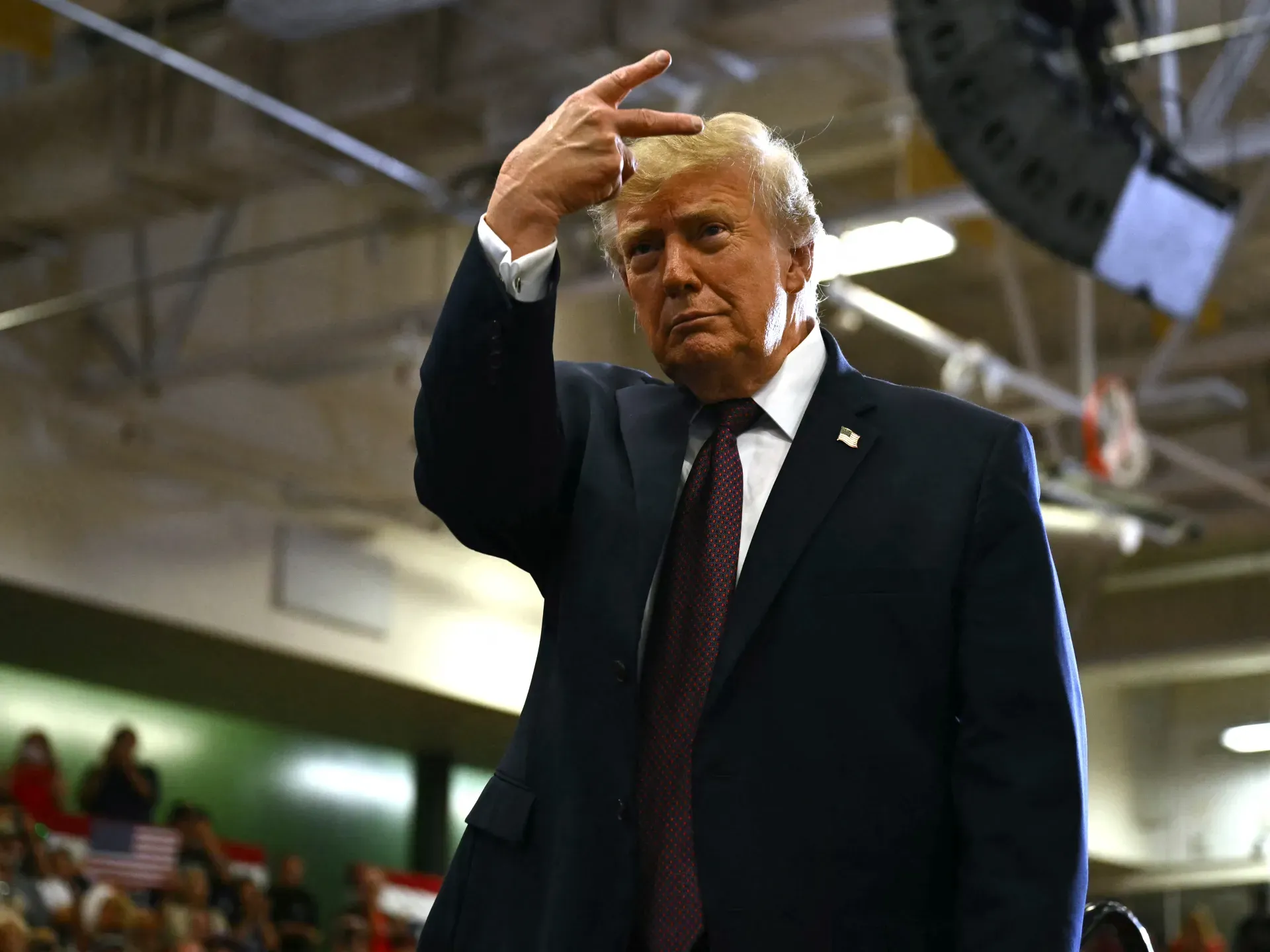
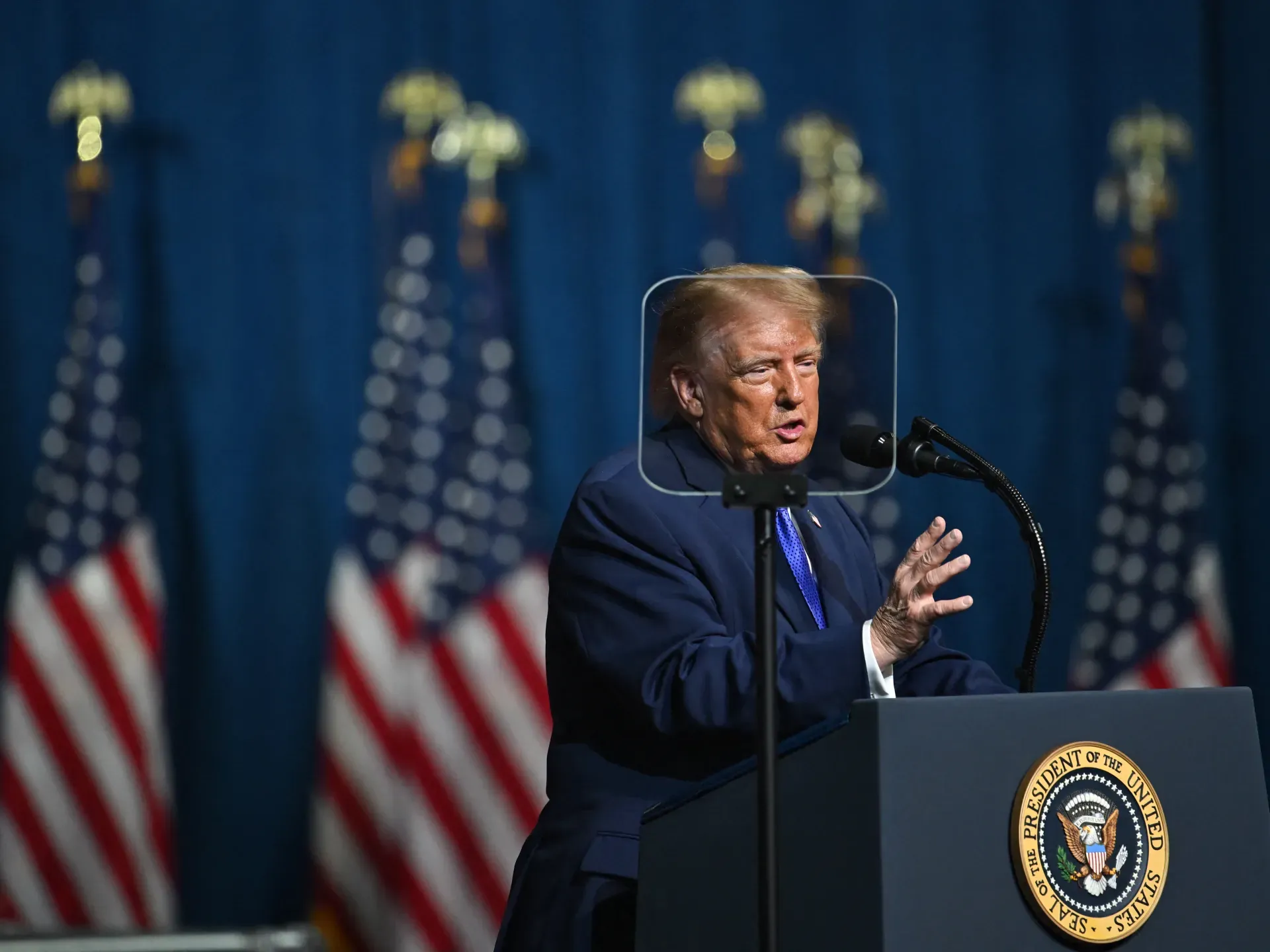
President Trump has opted to replace scheduled in-person appearances in Kansas and Iowa with "tele-rallies" spanning nearly 20 states. This strategic pivot follows the cancellation of weekend events in Salina, Kansas, and Dubuque, Iowa. While the move has drawn questions regarding travel fatigue, Trump has denied such suggestions, stating he feels "perfect." According to Republican National Committee Chairman Joe Gruters, the shift to telephone-based campaigning is intended to increase the President's reach. Gruters stated that this "72-hour sprint" would provide a significant boost by allowing Trump to communicate with a larger volume of voters across the country in the final days before the Tuesday election. Despite the change in format, the campaign remains active in traditional venues, such as the scheduled rally in Daytona Beach, Florida.
Key takeaways
- Democrats lead the national polls with 51.4 percent compared to 43.2 percent for Republicans.
- President Trump's approval rating in recent Wisconsin polling stands at 37 percent.
- A legal dispute in Alaska involving two candidates named Dan Sullivan may delay Senate results.
- Trump has replaced in-person rallies in Iowa and Kansas with telephone-based events.
- Economic concerns, specifically the cost of living, are central themes for voters in several states.
FAQ: US midterm elections 2026
What is the current national polling lead?
Democrats currently hold a lead of 8.2 percentage points in national polling. According to RealClearPolling, Democrats are at 51.4 percent, while Republicans are at 43.2 percent. This lead is largely driven by higher voter enthusiasm among the Democratic base.
Why is the Alaska Senate race in legal dispute?
The dispute arises because there are two candidates named Dan Sullivan: the Republican incumbent and an independent candidate also registered as a Republican. This has led to accusations of voter confusion and legal challenges regarding the legitimacy of the electoral process.
How is the economy affecting the election?
Economic concerns, particularly rising living costs and grocery prices, are significant factors. Polling shows that 42 percent of respondents feel worse off financially than they did a year ago, which has contributed to lower approval ratings for the current administration.
What is the significance of Trump's telephone rallies?
The telephone rallies are a strategic move to reach a wider audience across 20 states in a short period. Republican leaders suggest this "72-hour sprint" will maximize the President's contact with voters before the election on Tuesday.
Who are the key Democratic figures campaigning?
Key Democratic figures include former President Barack Obama, who is supporting Jon Ossoff in Georgia, and former Vice President Kamala Harris, who is campaigning in Georgia to urge youth turnout and criticize the administration's economic policies.
Conclusion
As the 2026 US midterm elections approach, the political landscape is defined by a significant polling advantage for Democrats and intense localized battles. While national sentiment leans toward the Democratic Party due to economic dissatisfaction and higher enthusiasm, Republicans are focusing on strategic shifts, such as Trump's telephone rallies, to maintain momentum. The potential for a delayed Senate result in Alaska adds a layer of uncertainty that could impact the final balance of power. Ultimately, the outcome will likely hinge on how effectively both parties can mobilize their bases in response to the pressing issue of economic affordability.