What do the latest US midterm polls indicate?
Democrats currently maintain a substantial lead in national congressional polling according to the latest data. RealClearPolling’s national congressional ballot average shows Democrats leading Republicans by 8.2 percentage points, with a split of 51.4 percent to 43.2 percent. This gap suggests a significant shift in the balance of power between the two major parties.
While the House of Representatives appears to be a clear target for Democratic gains, the Senate landscape is far more volatile. Kyle Kondik, managing editor of Sabato’s Crystal Ball at the University of Virginia Center for Politics, noted that while the House lead makes a Democratic flip almost certain, the Senate remains "much more up in the air." This distinction is critical for understanding the potential composition of Congress in 2027.
The divergence in voter expectations is also evident in recent surveys. An Economist/YouGov survey released on Thursday highlighted a clear divide in how voters perceive the upcoming control of the chambers:
- House of Representatives: 44 percent of registered voters expect Democratic control, compared to 31 percent expecting Republicans to retain it.
- Senate: Expectations are nearly even, with 39 percent anticipating a Democratic majority and 36 percent expecting a Republican one.
The House vs. Senate Polling Gap
The disparity between House and Senate polling reflects the different electoral dynamics of each chamber. House races are often more susceptible to national partisan swings, whereas Senate races frequently hinge on individual candidate popularity and specific state-level issues. This explains why a massive national lead in the House does not automatically translate to a predictable Senate outcome.
How significant is the current early voting surge?
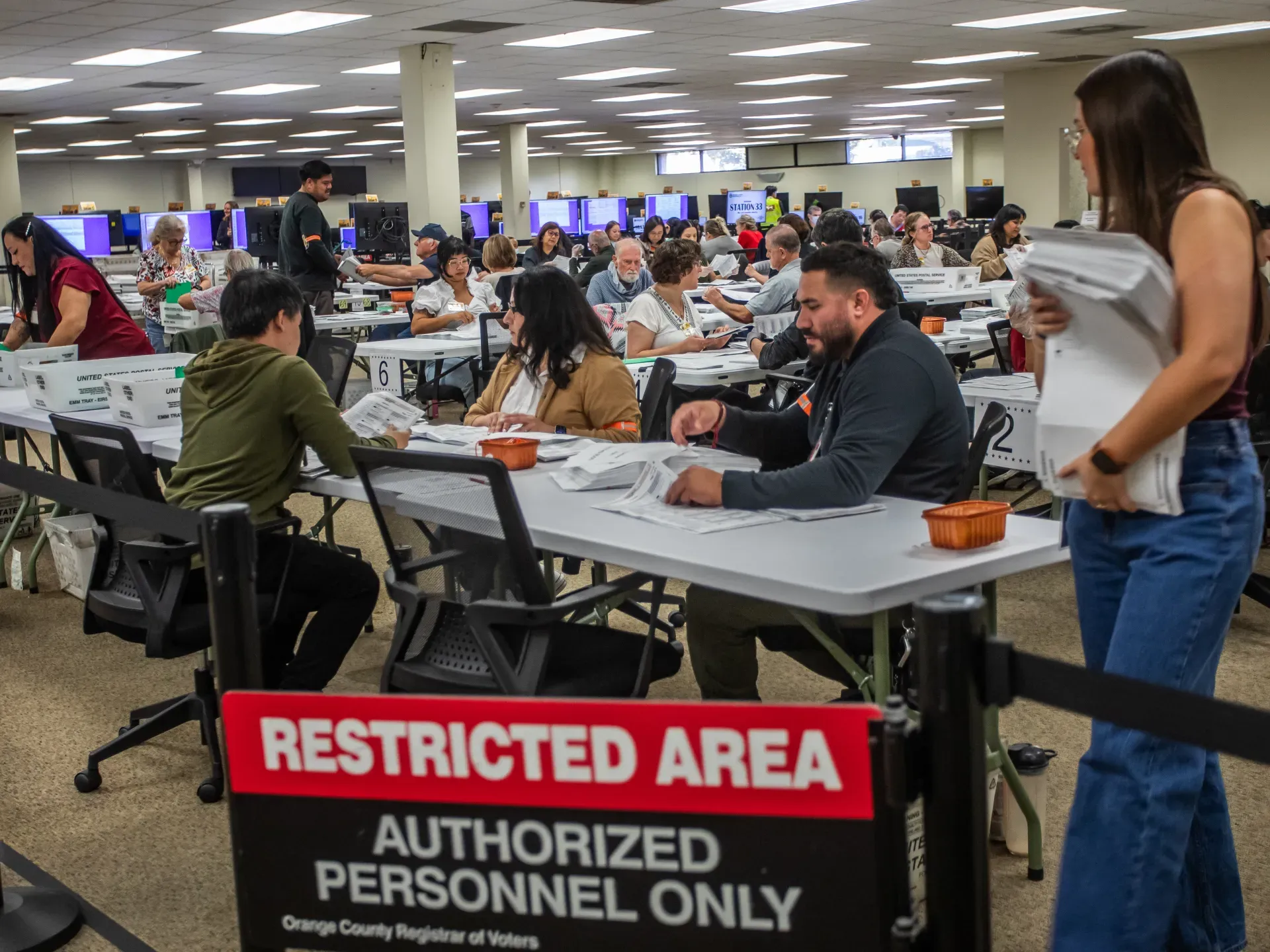
Early voting has reached unprecedented levels, with more than 43 million Americans having cast ballots five days before the official Election Day. An Associated Press analysis reveals that this figure is nearly 10 million higher than the volume recorded at the same stage during the 2022 midterms. This surge is particularly pronounced in states hosting highly competitive Senate contests.
Several key states have demonstrated massive increases in voter participation:
| State | Early Votes (Current) | Comparison to 2022 |
|---|---|---|
| Texas | Over 6.3 million | 50% increase |
| Georgia | Over 2.5 million | Surpassed 2022 levels |
| Maine, Michigan, NC, Kansas | N/A | Over 30% increase |
In Georgia, the increased participation has been noted among younger demographics. Voters in Atlanta have cited social media as a primary driver for heightened political engagement. Meanwhile, in Texas, the massive influx of early voters in Harris County has forced candidates to concentrate their final efforts in the state's most populous region.
What is the status of the Trump campaign rallies?
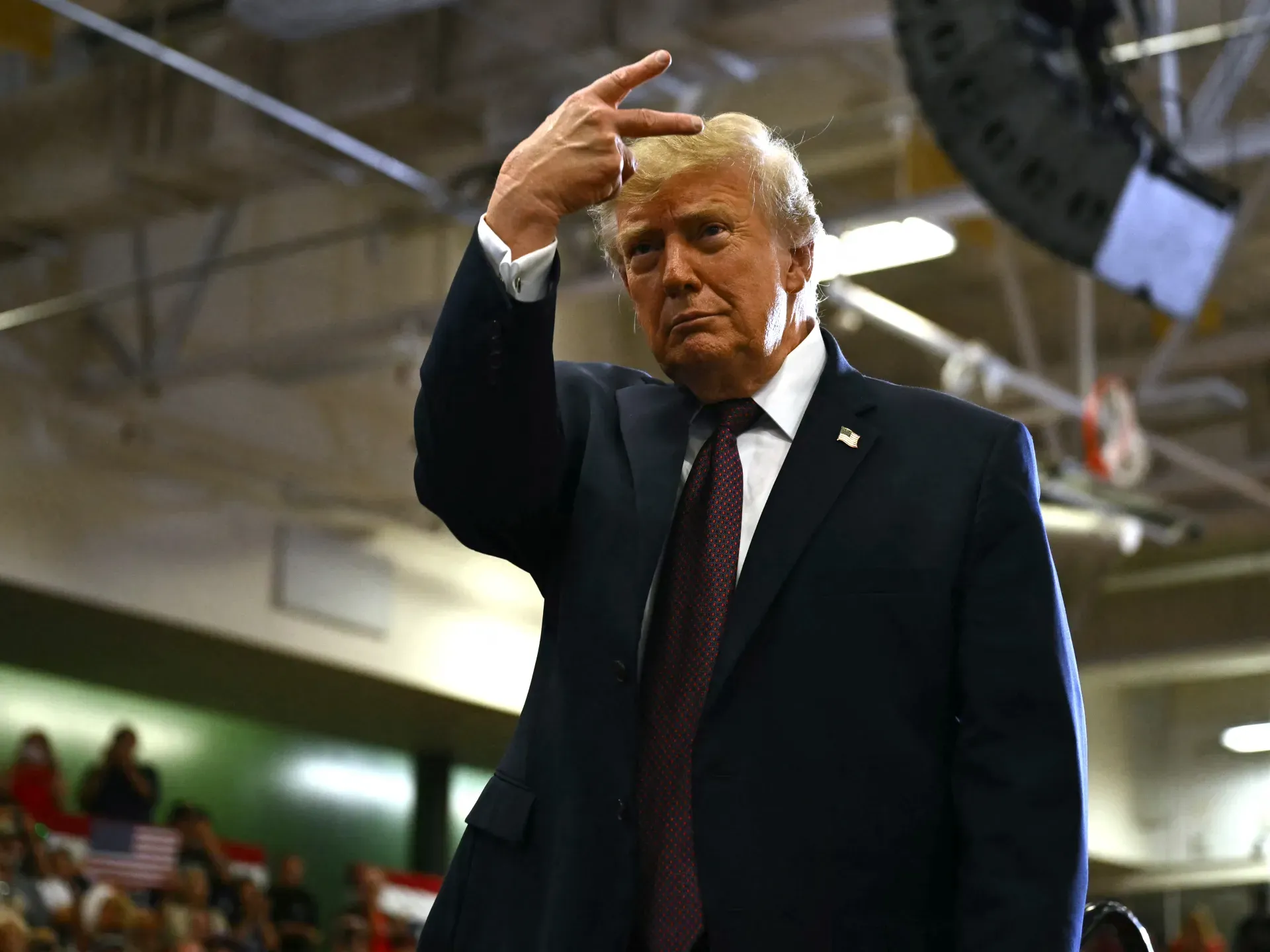
President Donald Trump has adjusted his schedule to prioritize in-person appearances in key battleground states. After briefly reversing a decision to cancel weekend events, the White House confirmed that Trump will proceed with rallies in Kansas and Iowa this Sunday. These appearances are viewed by his campaign as a vital mechanism for mobilizing the Republican base.
The President's strategy involves targeting states where Republicans are defending vulnerable Senate seats. During a rally in Florida, Trump emphasized the need for voter confidence, warning his supporters against complacency. His campaign team believes that his physical presence provides a "stimulating effect" on supporters, particularly in high-stakes environments where Republican candidates face intense opposition.
Targeting the Midwest
The upcoming rallies in Iowa and Kansas are strategically significant. In Iowa, Trump is expected to support Republican Senate candidate Ashley Hinson. In Kansas, the race is notably tight; an Emerson College poll suggests Democratic challenger Adam Hamilton leads Senator Roger Marshall with 49 percent to 45 percent. Trump’s presence in Kansas is intended to bolster Marshall in what has become a highly competitive contest.
How are Democrats conducting their final campaign push?
Democratic strategists and high-profile figures are focusing on mobilizing voters through themes of change and historical engagement. Democratic political strategist Celinda Lake suggested that many voters are participating in a "Hail Mary for change," indicating a desire for a shift in the current political direction. To support this, the party is deploying prominent figures to key regions.
The Democratic effort includes several high-profile endorsements and appearances:
- Mississippi: Former President Bill Clinton campaigned for the party, urging voters to overcome historical trends of low turnout.
- Kentucky and Ohio: Kentucky Governor Andy Beshear is joining Ohio gubernatorial candidate Amy Acton to rally support.
- Alaska: Senate nominee Mary Peltola is campaigning in Bethel, Alaska, a critical toss-up race.
The Alaska Senate race has become particularly complex due to a dispute regarding a candidate named Dan Sullivan. Trump has alleged that Democrats attempted to recruit an independent with the same name to confuse voters, a claim Peltola has denied. This legal and political dispute has added a layer of volatility to one of the seven key Senate races that could decide the chamber's majority.
Frequently asked questions
How many Americans have voted early so far?
More than 43 million Americans have participated in early voting, either in person or through mail-in ballots. According to an Associated Press analysis, this represents an increase of nearly 10 million voters compared to the same period during the 2022 midterm elections.
Which party is leading in the national polls?
Democrats are currently leading in national congressional polls. RealClearPolling reports a 51.4 percent to 43.2 percent advantage for Democrats, representing an 8.2 percentage point lead over the Republicans in the national congressional ballot average.
Is the Senate majority also leaning Democratic?
The Senate outcome is much less certain than the House. While some surveys show a slight Democratic edge, others indicate a much tighter race. For instance, an Economist/YouGov survey found that 39 percent of voters expect a Democratic majority compared to 36 percent for Republicans.
Why is early voting increasing in certain states?
Early voting has surged in states with competitive Senate races, such as Texas and Georgia. Increased participation is also being driven by social media engagement and a desire among younger voters to influence the future direction of the country.
What is the significance of the Kansas Senate race?
The Kansas Senate race is a critical battleground because it involves a traditionally Republican state where the margin is narrow. Current polling from Emerson College shows Democrat Adam Hamilton leading Republican Senator Roger Marshall 49 percent to 45 percent.
Key takeaways
- Democrats hold an 8.2 percentage point lead in national congressional polling.
- Over 43 million Americans have already cast early votes, a significant increase from 2022.
- The House is widely expected to flip to Democrats, while the Senate remains highly contested.
- Texas early voting has seen a 50 percent increase compared to the 2022 midterms.
Conclusion
As the US midterm elections approach, the landscape is defined by a massive surge in early voter participation and a clear divide between House and Senate projections. While national polling suggests a Democratic path to reclaiming the House, the Senate remains a precarious battleground where individual races in states like Alaska and Kansas could determine the ultimate balance of power. With President Trump focusing on mobilizing the Republican base through targeted rallies and Democrats leveraging high-profile endorsements to drive change, the final days of campaigning will be decisive in shaping the legislative future of the United States.