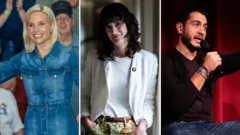
How is clothing used to project political authenticity?
Candidates are increasingly using their wardrobe to bridge the gap between official capability and relatability to their constituents. According to celebrity fashion stylist Joe Zee, politicians are now performing two roles simultaneously: appearing competent enough to hold office while remaining visually connected to the people they represent. This dual objective makes every sartorial choice a calculated move in the broader campaign strategy.
In regions where identity is tied to the environment, 'dressing like the state' has become a prominent tactic. For instance, Democrat Marie Gluesenkamp Perez, representing Washington's 3rd Congressional District, utilizes a wardrobe of flannel shirts, work jackets, and practical footwear to reinforce her background as a former car repair shop owner. This aesthetic is designed to signal support for small businesses and the working class.
Similarly, Democratic Senate candidate Mary Peltola in Alaska utilizes rugged outdoor gear, such as puffer jackets and indigenous-inspired details, to connect with her history working on fishing boats. Her use of traditional Yup'ik boots during her 2022 swearing-in remains a landmark example of using attire to signal native identity and regional roots.
The semiotics of regional attire
The use of regional clothing is not merely about comfort; it is a form of semiology—the study of signs and their meanings. When a candidate adopts specific local garments, they are tapping into a shared cultural vocabulary that can cross partisan lines. For example, the choice of specific footwear can signal an understanding of local traditions and economic realities, making a candidate appear as an 'insider' to a specific way of life.
Why has the traditional necktie lost its influence?
The traditional necktie is increasingly viewed as a relic of a bygone era of political formality, often replaced by more relaxed or strategically branded clothing. Robert Ordway, a conservative public policy adviser, suggests that the necktie is effectively 'dead' on the modern campaign trail. This shift reflects a broader trend where candidates prioritize perceived accessibility over rigid professionalism.
The replacement of the tie often follows age-based or demographic strategies. As Ordway notes, younger male candidates may still dress up to establish seriousness, whereas older candidates often dress down to appear more approachable and 'like one of the guys.' This trend allows candidates to shed the 'establishment' image that can sometimes alienate voters seeking change.
However, the absence of a tie does not mean a lack of formality. Even in more casual settings, candidates use 'personal uniforms' to maintain a consistent brand. For instance, Republican Senator Marsha Blackburn has maintained a polished image through structured jackets and pearls, a style that conveys timelessness and stability to the electorate.
How does patriotic fashion impact voter perception?
For many Republican candidates, clothing serves as an unmistakable signal of ideological loyalty. Ashley Hinson, a Republican Senate candidate in Iowa, has utilized 'classic Americana' to cultivate a visual identity that is difficult to misinterpret in the fast-paced social media landscape. Her use of denim, bandanas, and even American flag-patterned accessories serves as a direct nod to rural voters and the Trump-aligned base.
This 'patriotism on the sleeve' approach offers a strategic advantage in an era of instant digital consumption. By wearing symbols that are instantly recognizable, candidates can communicate their core values in a split second, even if a voter only sees a brief clip on a social media feed. This visual branding ensures that their political stance is communicated alongside their policy platform.
The risks of luxury branding in a cost-of-living crisis
While patriotic or rugged clothing can build rapport, luxury items can inadvertently damage a candidate's message, especially during periods of economic volatility. In Texas, Republican Ken Paxton has faced scrutiny for wearing a luxury watch and a polo shirt from the Four Seasons hotel chain. Such choices can create a disconnect when candidates are debating the high cost of living.
Stylist Joe Zee points out that even casual items can carry heavy luxury associations. A branded polo from a five-star resort can communicate wealth and elitism just as clearly as a formal suit. When a candidate's attire suggests an affluent lifestyle that is out of touch with the average voter, it can undermine their claims of representing the working class.
What role do 'personal uniforms' play in modern campaigning?
A consistent personal uniform can act as a powerful tool for national recognition, helping a candidate stand out in a crowded field. This method is used by both the political left and the right to create a sense of predictability and purpose.
On the Democratic side, Michigan Senate candidate Abdul El-Sayed has adopted a 'minimal look' consisting of black V-neck T-shirts and blue jeans. He describes this as 'minimal look, maximal politics,' a strategy intended to appeal to urban, working-class voters and entrepreneurs. By removing the 'ceremony' of traditional political dress, the focus is shifted toward his policy message of moving money out of politics.
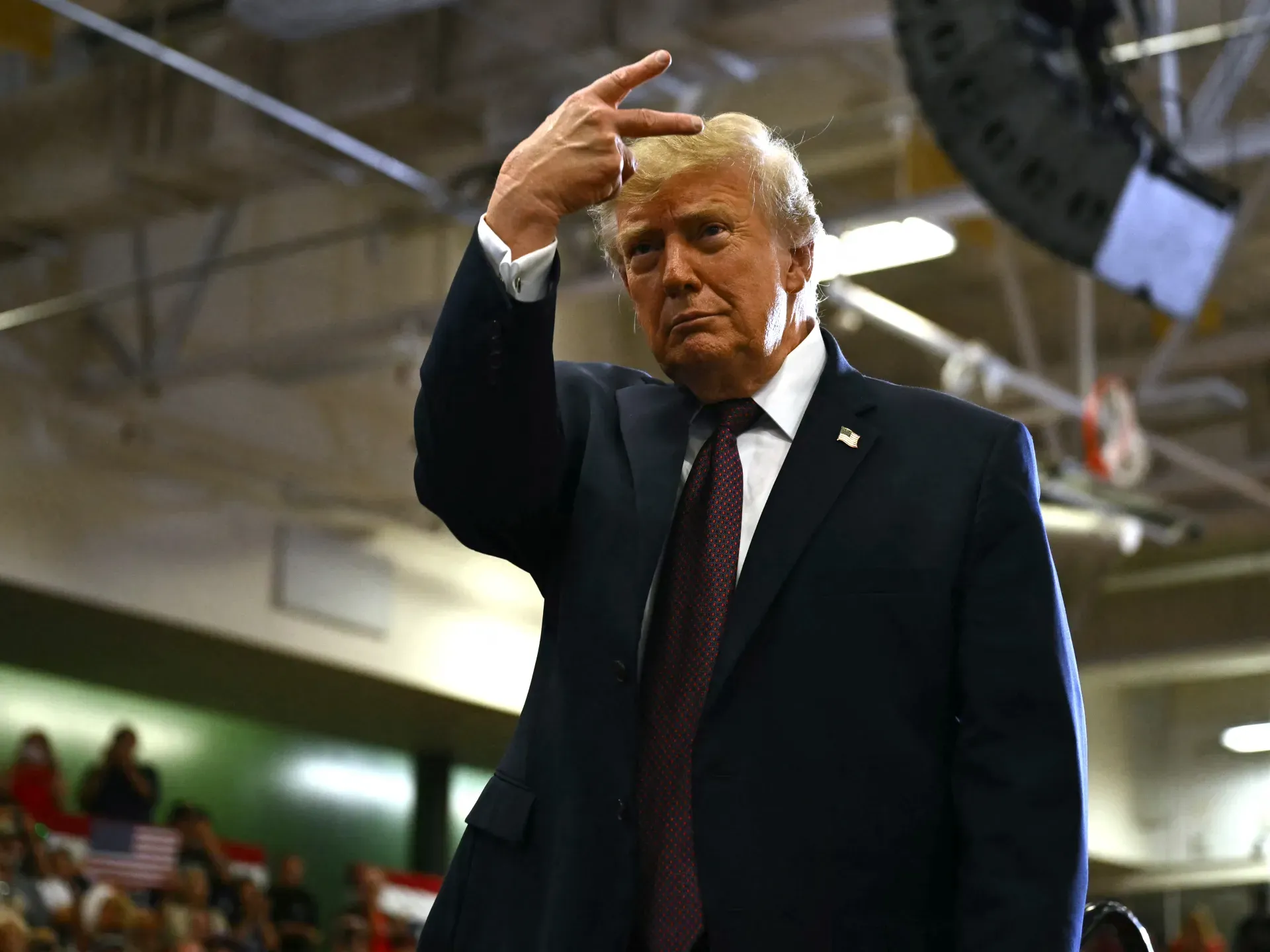
In contrast, Donald Trump has mastered the use of a highly recognizable 'power outfit.' His signature navy suit, white shirt, and red tie have become a 'Pavlovian signifier' for his supporters. This level of visual consistency is so potent that it has been adopted by his allies, creating a unified visual front that signals membership within his political movement.
FAQ: US midterm candidate fashion
How does clothing affect political authenticity?
Clothing acts as a visual shorthand for a candidate's background and values. By wearing garments associated with specific professions or regions—such as work jackets for laborers or cowboy boots for Texans—candidates attempt to prove they share the lived experiences and cultural values of their constituents.
Can wearing luxury items hurt a political campaign?
Yes, luxury items can create a perception of being 'out of touch.' During economic downturns or debates regarding the cost of living, expensive watches or designer leisurewear can signal elitism, potentially alienating voters who are struggling with inflation and financial instability.
What is the significance of the 'dead necktie'?
The decline of the necktie represents a shift away from traditional political formality toward a more relaxed, approachable image. Candidates use this to appear less like 'establishment' figures and more like relatable citizens, though they often replace the tie with other strategic branding elements.
How do candidates use fashion for social media?
In the social media age, candidates use bold or highly symbolic clothing to ensure they are instantly recognizable in short video clips. Visual cues like patriotic colors or specific regional styles allow their political identity to be communicated even when the viewer is not listening to the audio.
Why do some candidates adopt a 'uniform'?
A uniform provides brand consistency and makes a candidate easily identifiable across different media platforms. Whether it is a simple T-shirt or a specific suit-and-tie combination, a uniform reduces visual noise and directs the audience's attention toward the candidate's core message and identity.
Key takeaways
- Candidates use clothing to simultaneously signal competence and relatability to voters.
- Regional attire, such as Alaskan outdoor gear, helps establish cultural authenticity.
- The decline of the necktie reflects a move toward more approachable, less formal political branding.
- Luxury accessories can create a negative perception of being elitist during economic crises.
- Consistent visual 'uniforms' serve as powerful tools for instant brand recognition.
The future of political sartorial strategy
As the US midterm elections progress, the intersection of fashion and politics is likely to deepen. The ability to navigate the fine line between being 'professional' and 'relatable' remains a high-stakes challenge. While some candidates find success through rugged authenticity or patriotic symbolism, others risk alienating voters through perceived displays of wealth. Ultimately, clothing in modern campaigning is no longer just about decorum; it is a sophisticated, visual extension of the political platform itself.