Why is Trump shifting to virtual 'tele-rallies'?
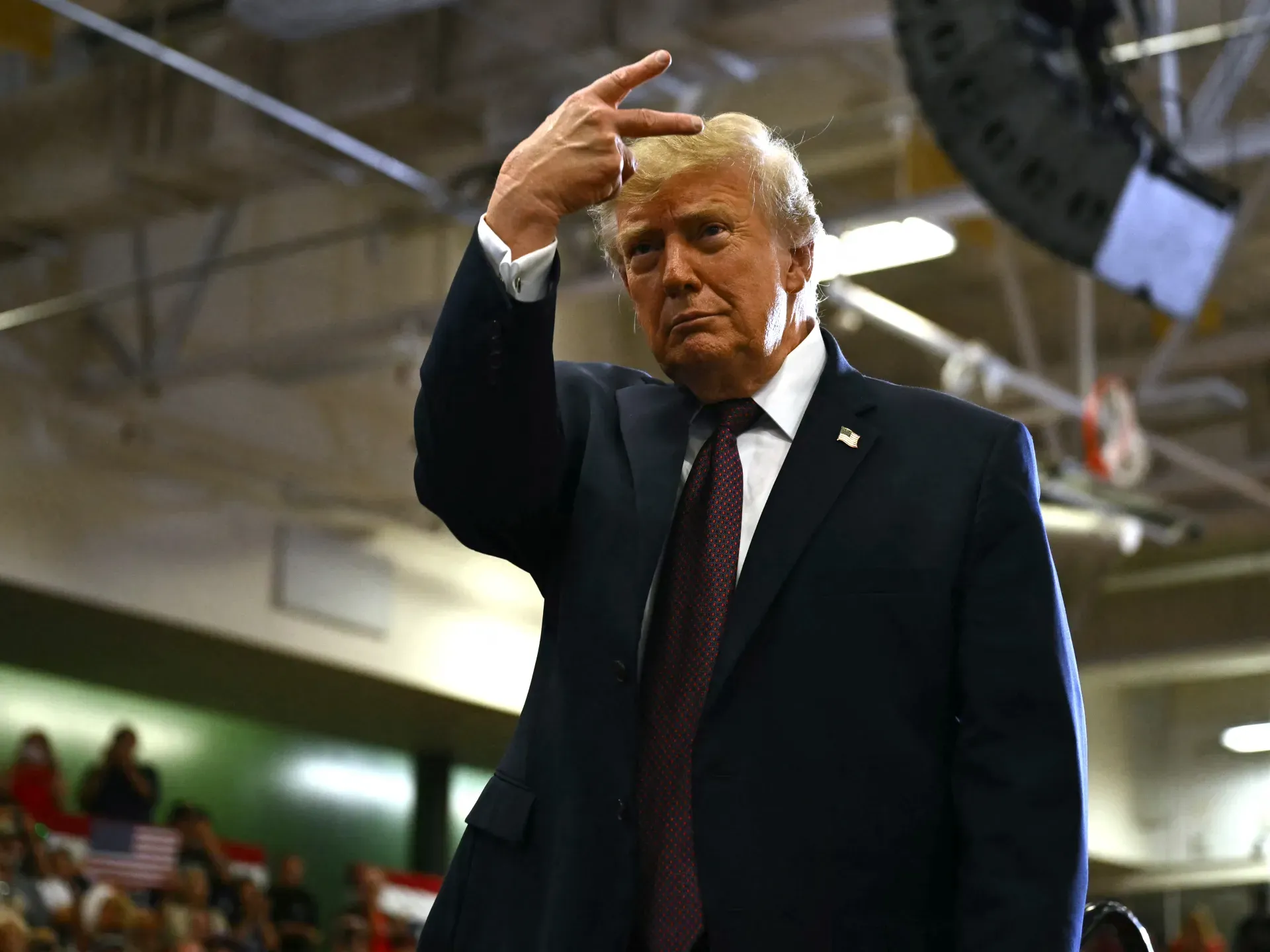
The decision to replace physical campaign stops with digital broadcasts marks a significant change in the final 72-hour sprint before the 2026 midterm elections. According to a statement from the Republican National Committee (RNC), the President has cancelled planned appearances in Iowa and Kansas in favor of a broad-reaching virtual schedule. RNC Chairman Joe Gruters defended the move, suggesting that the digital format offers greater efficiency for the campaign's closing days.
Gruters argued that these 'tele-rallies' would allow the President to reach a wider demographic of voters simultaneously, rather than being limited by the geographical constraints of traditional on-the-ground rallies. The RNC confirmed that these broadcasts will target nearly 20 states, specifically focusing on critical battlegrounds where Senate races are highly competitive. While the physical schedule has been scaled back, the campaign intends to maintain momentum through these high-reach digital windows.
The logistical rationale behind the pivot
The pivot to virtual events is framed by the RNC as a way to maximize the President's impact during the final days of the election cycle. By utilizing digital platforms, the campaign can bypass the logistical delays of travel while ensuring a consistent message is delivered to key battleground states such as Michigan and Texas. This strategy aims to consolidate the Republican base and provide a unified push for candidates in contested Senate seats.
What are the political stakes for the 2026 midterms?
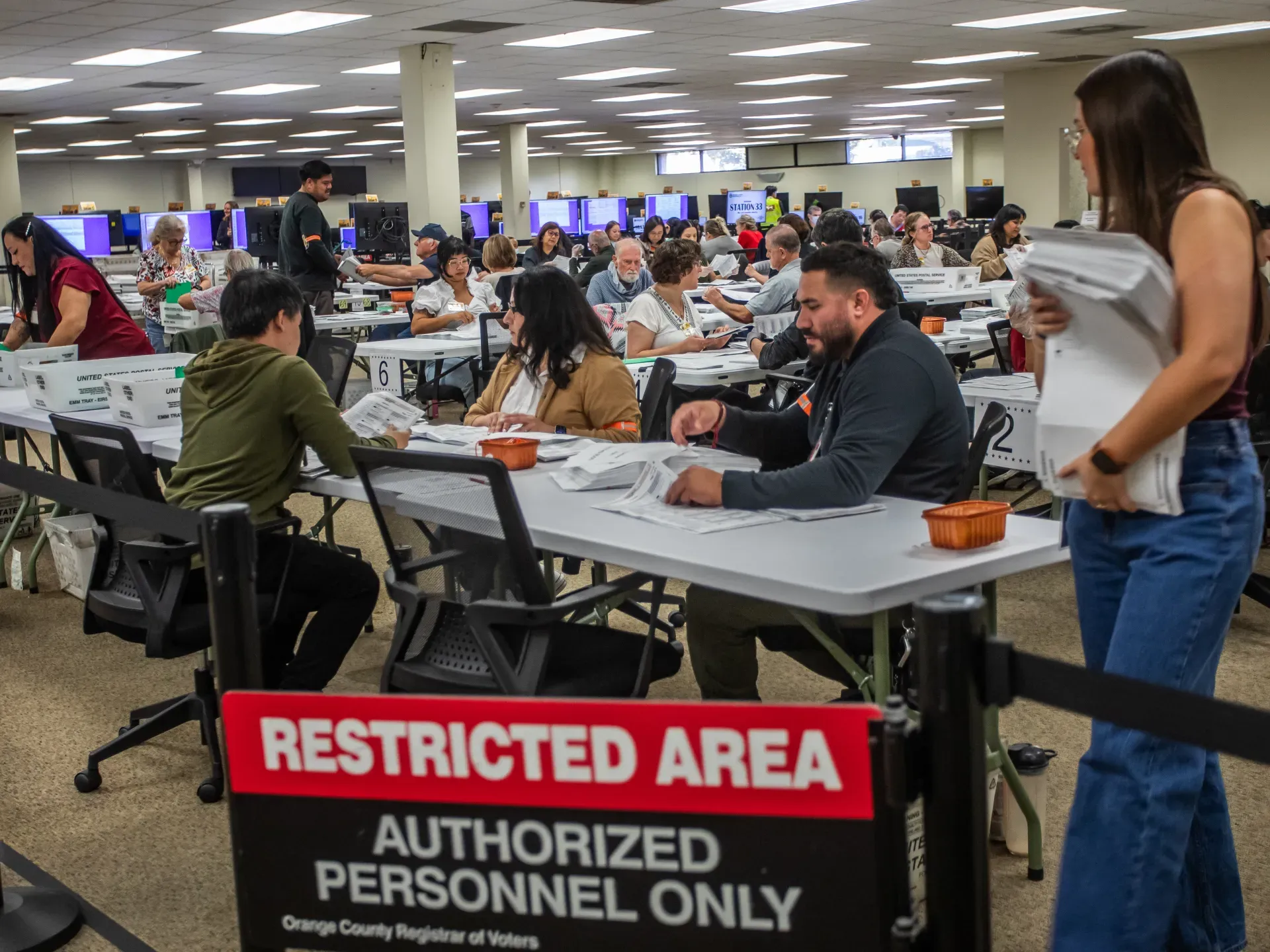
The outcome of the November 3 elections will determine the Republican Party's ability to execute its legislative agenda during the final two years of Donald Trump's second term. Currently, the Republican Party maintains narrow control over both chambers of Congress. In the Senate, the party holds 53 of the 100 seats, while in the House of Representatives, it holds 218 of the 435 seats. Because all 435 House seats are up for election, the potential for a shift in power is substantial.
Control of Congress is vital for the administration, particularly as President Trump has expressed concerns regarding potential impeachment efforts. If the Democratic Party were to secure majorities in both the House and the Senate, the President could face a third impeachment attempt. This tension has made the midterm elections a defensive battle for the Republican leadership, who are working to protect their existing margins.
How do forecasting models view the election outcome?
Political analysts and forecasting models suggest that the Democratic Party may hold a significant advantage in this election cycle. Data from Harvard University’s ElectIt model indicates a strong possibility of a shift in House control. According to the ElectIt model, Democrats have a 94 percent chance of winning the House of Representatives.
The race for the Senate appears more tightly contested due to the staggered nature of Senate terms. Unlike the House, where all seats are contested every two years, only about one-third of the Senate is on the ballot this cycle. This structural stability makes a total shift in Senate control more difficult. Harvard's ElectIt model assigns Democrats a 74 percent chance of securing a Senate majority. Analysts attribute this Democratic advantage to several factors, including slumping poll numbers for the President and voter dissatisfaction regarding the cost of living and foreign policy issues.
What is the situation in key battleground states?
While some states remain traditional strongholds, specific races are showing unexpected volatility. Kansas serves as a primary example of this shift. Although Kansas has not elected a Democrat to the Senate since 1932, the current contest between Republican Senator Roger Marshall and Democrat Adam Hamilton is proving to be highly competitive. A recent poll released by CNN shows Hamilton leading Marshall by four percentage points, with Hamilton at 49 percent and Marshall at 45 percent.
In other battlegrounds, the Republican strategy has focused on voter mobilization through the President's personal brand. Trump has actively encouraged his supporters to view the election as a referendum on his own leadership, frequently using the phrase, 'Pretend I’m on the ballot.' This approach aims to counteract the negative polling trends by turning the midterm into a high-stakes personal mandate.
The role of the President in state-level races
The President's presence—or lack thereof—in specific states like Kansas and Iowa highlights the tension between traditional campaigning and the new digital strategy. While the President has questioned the necessity of visiting certain locations, such as Salina, Kansas, the competitive nature of these races suggests that the Republican Party remains deeply invested in these regions despite the shift to virtual rallies.
How has the President's health impacted the campaign?
The President's physical condition and age have become recurring themes in the media coverage of the campaign. At 80 years old, Donald Trump is the oldest president to serve in the office, and his health has drawn scrutiny from both the press and the public. Observations of bruising on his hands have fueled speculation regarding undisclosed medical conditions, adding a layer of uncertainty to the campaign narrative.
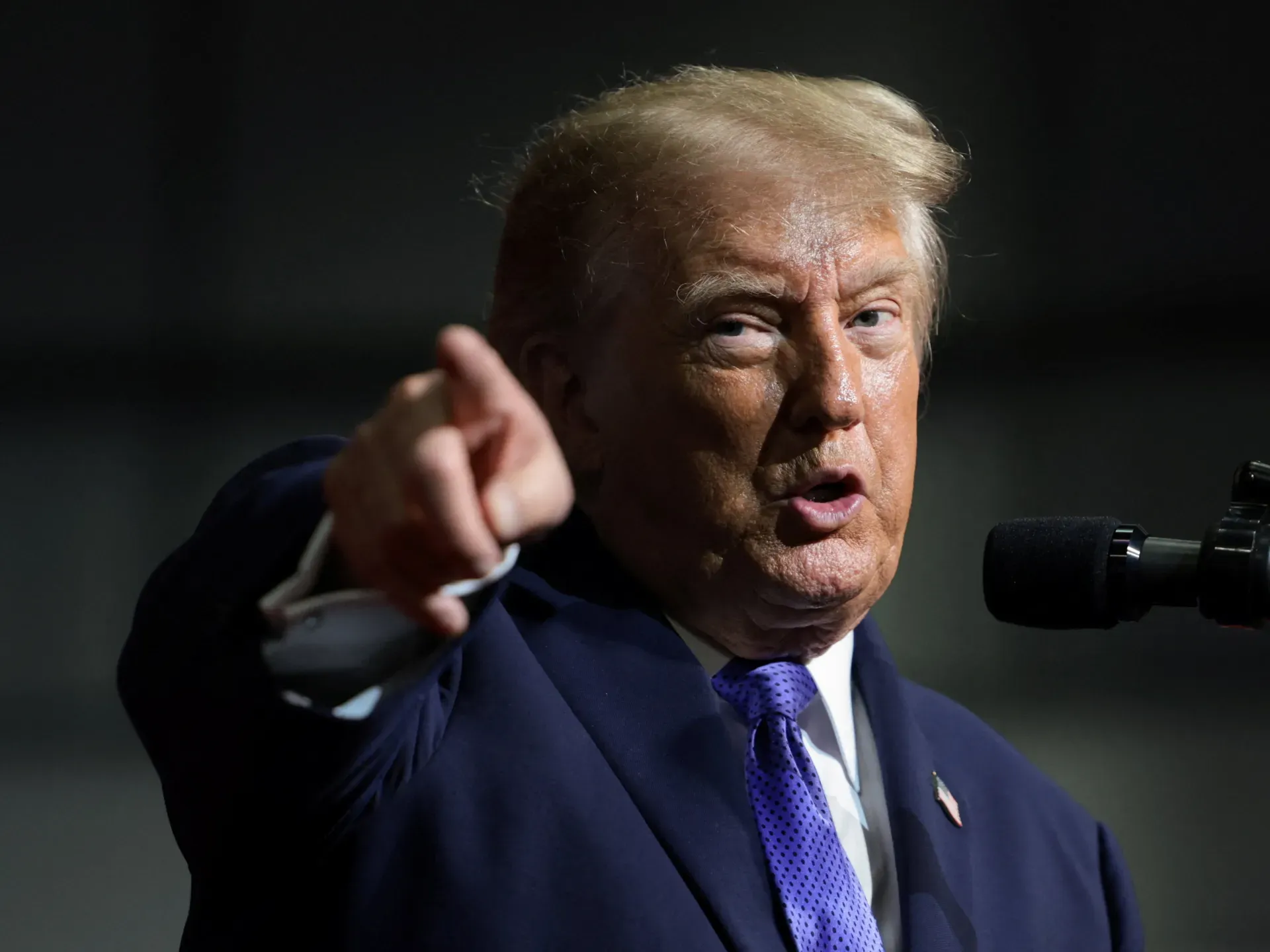
During a recent encounter on the tarmac following a rally in South Carolina, the President's reaction to health-related questioning was notably defensive. When asked by a Reuters reporter if his decision to skip Kansas was related to travel fatigue or illness, Trump responded with personal insults toward the journalist. He dismissed the inquiries, asserting that he felt 'perfect' while lashing out at the reporter's appearance. This interaction underscores the heightened tensions within the campaign as the election approaches.
Key takeaways
- The RNC is replacing in-person rallies in Iowa and Kansas with virtual 'tele-rallies' across 20 states.
- Democrats hold a 94 percent predicted chance of taking the House according to Harvard's ElectIt model.
- The Senate race in Kansas is highly competitive, with Democrat Adam Hamilton leading by 4 points in recent polling.
- Republicans currently hold a 53-seat majority in the Senate and a 218-seat majority in the House.
- The midterm results will determine the legislative capacity for the final two years of the Trump presidency.
Frequently asked questions
What is the significance of the 2026 midterms?
The 2026 midterms occur halfway through the President's term and determine the composition of the House and Senate. The results dictate which party controls the legislative agenda and can influence the President's ability to pass laws or face impeachment proceedings.
Why did Trump cancel his Kansas and Iowa events?
President Trump cancelled these events as part of a shift toward 'tele-rallies.' The RNC claims this virtual strategy is more efficient, allowing the President to reach a larger number of voters across 20 states during the final 72-hour election sprint.
Who is leading the Senate race in Kansas?
According to a CNN poll, Democrat Adam Hamilton is currently leading Republican Senator Roger Marshall. Hamilton holds 49 percent of the support compared to Marshall's 45 percent, marking a significant shift in a historically Republican state.
What do the Harvard ElectIt models predict?
The Harvard ElectIt model predicts a strong Democratic advantage. It estimates a 94 percent probability of Democrats winning control of the House and a 74 percent probability of them securing a majority in the Senate.
How has the President responded to health concerns?
President Trump has denied any health issues, describing himself as feeling 'perfect.' He has reacted sharply to media inquiries regarding his physical condition, often dismissing questions about his health or travel fatigue as unprofessional or personal attacks.
Conclusion
The shift in Trump's midterm election strategy from traditional rallies to digital 'tele-rallies' represents a calculated attempt to maximize reach during the final days of the campaign. While the RNC views this as an efficiency measure, the political landscape remains fraught with challenges for the Republican Party. With forecasting models suggesting a high probability of Democratic gains in both the House and Senate, the 2026 midterms serve as a critical juncture for the administration's legislative future and the President's political standing.