What was the focus of the Trump midterm campaign rallies?
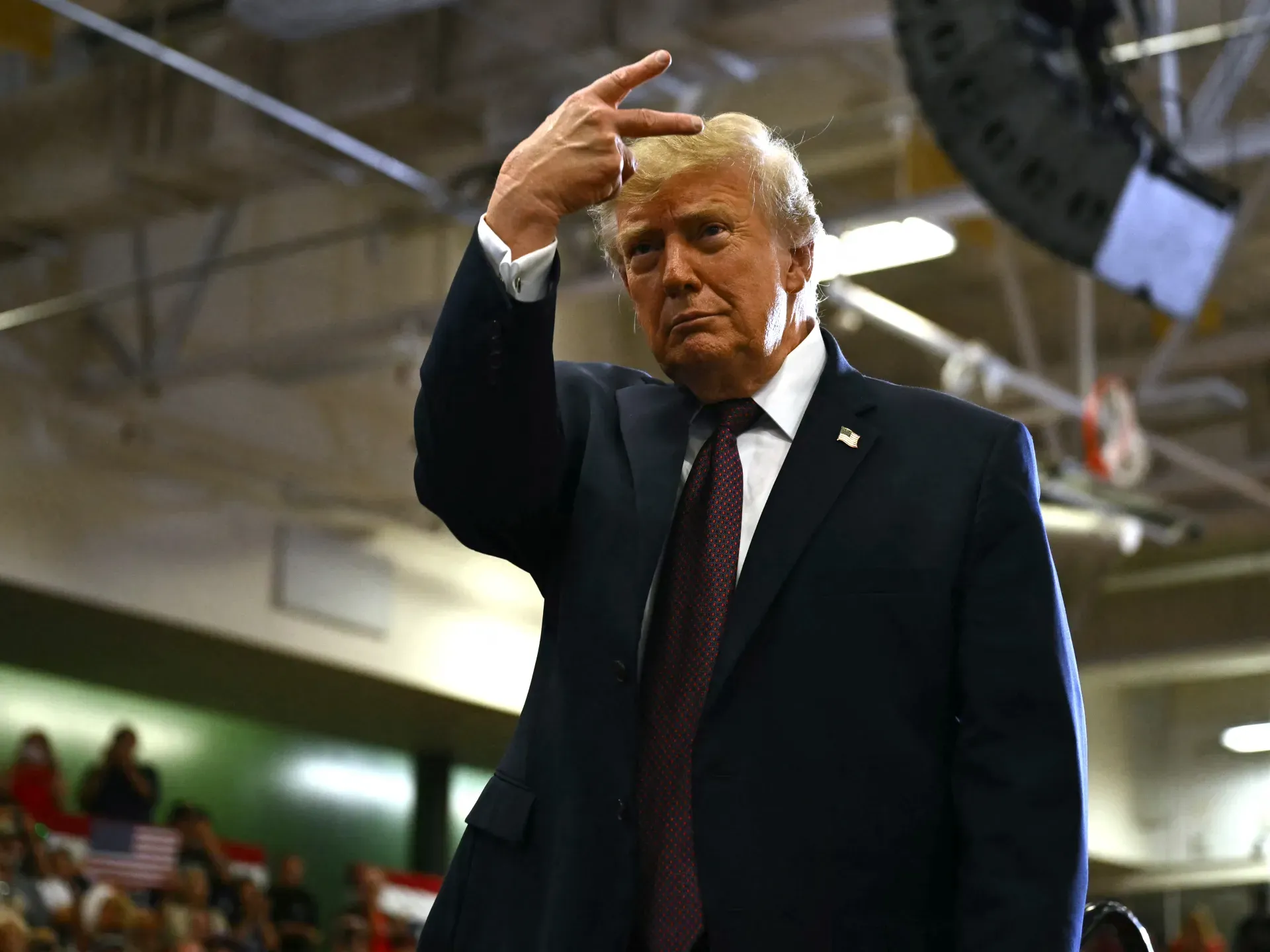
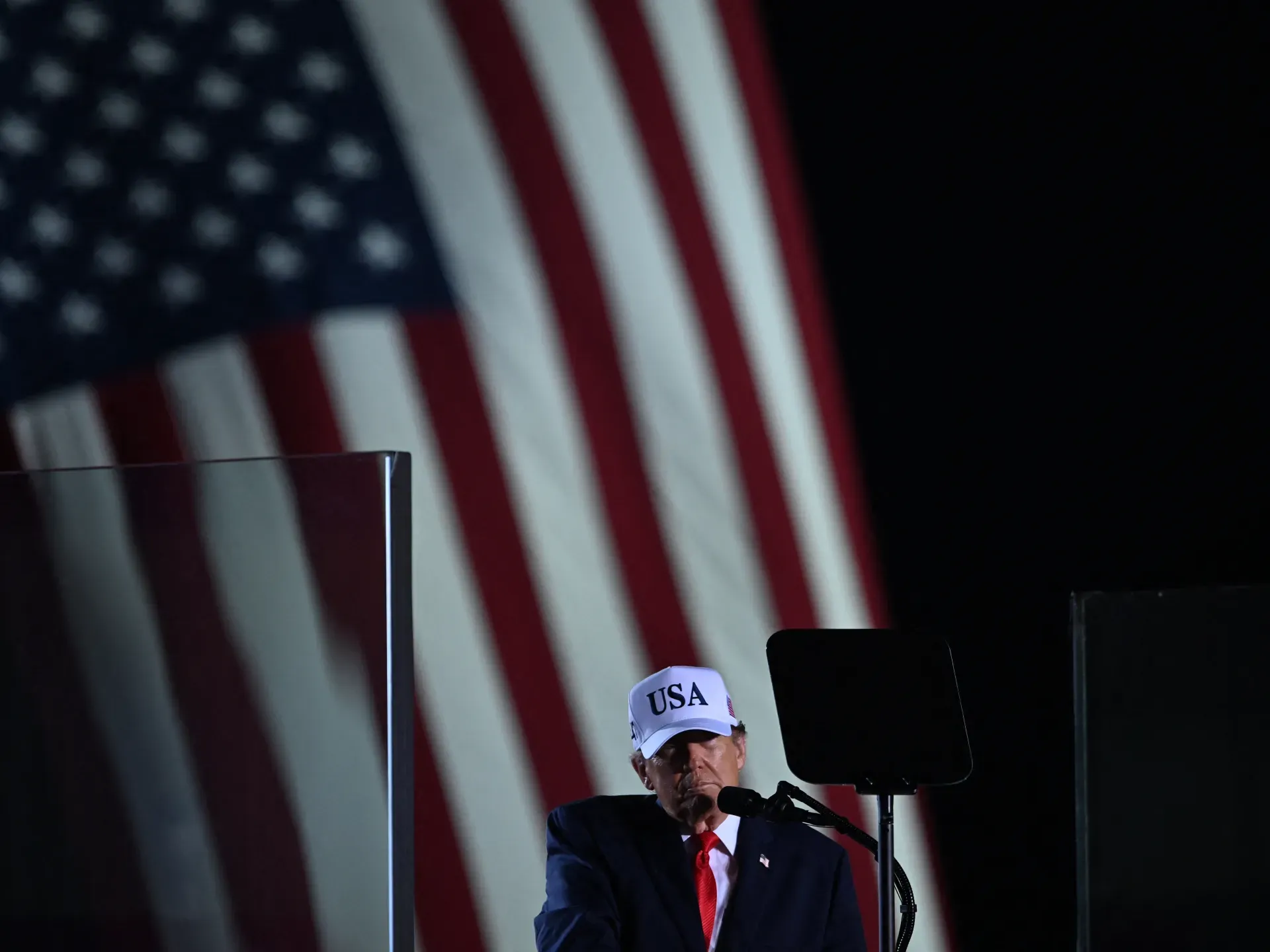
The final campaign events held by President Donald Trump in Iowa and Kansas focused heavily on attacking Democratic opponents through religious and conspiratorial lenses. During the rallies on Sunday, November 1, 2026, the President utilized rhetoric aimed at Muslim politicians to galvanize Republican voters ahead of the crucial midterm elections.
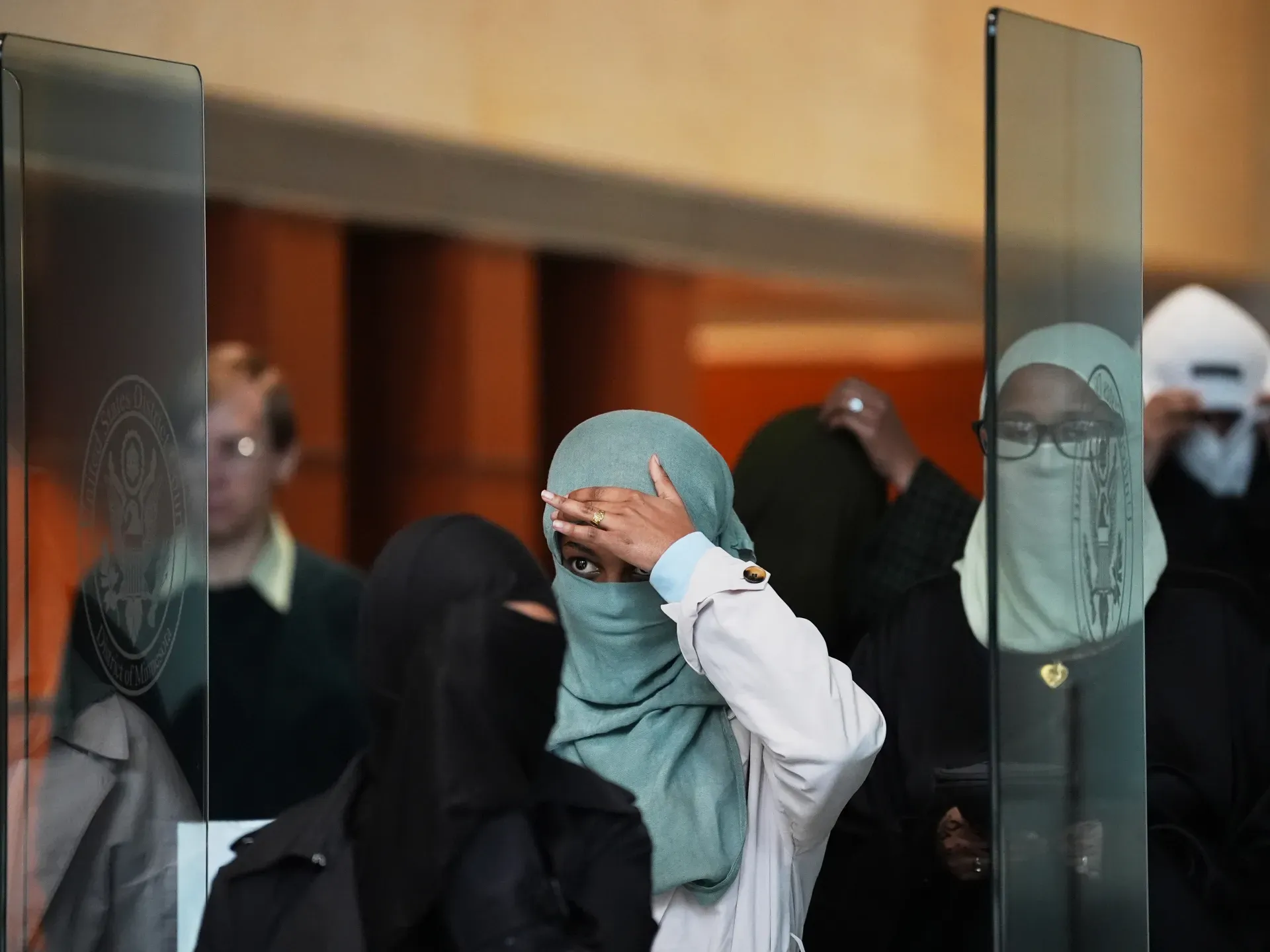
Trump repeated unsubstantiated claims regarding several Democratic figures. In Michigan, he targeted Senate hopeful Abdul El-Sayed, labeling him a "jihadist" and suggesting that El-Sayed would require special metal detectors to enter the Senate. Trump further alleged that El-Sayed is a member of the Muslim Brotherhood, an organization that the United States has designated as a foreign terrorist group. Additionally, the President directed attacks toward Representative Ilhan Omar, repeating unfounded personal allegations regarding her family history.
Beyond religious attacks, the speeches addressed several broader geopolitical and domestic issues, including:
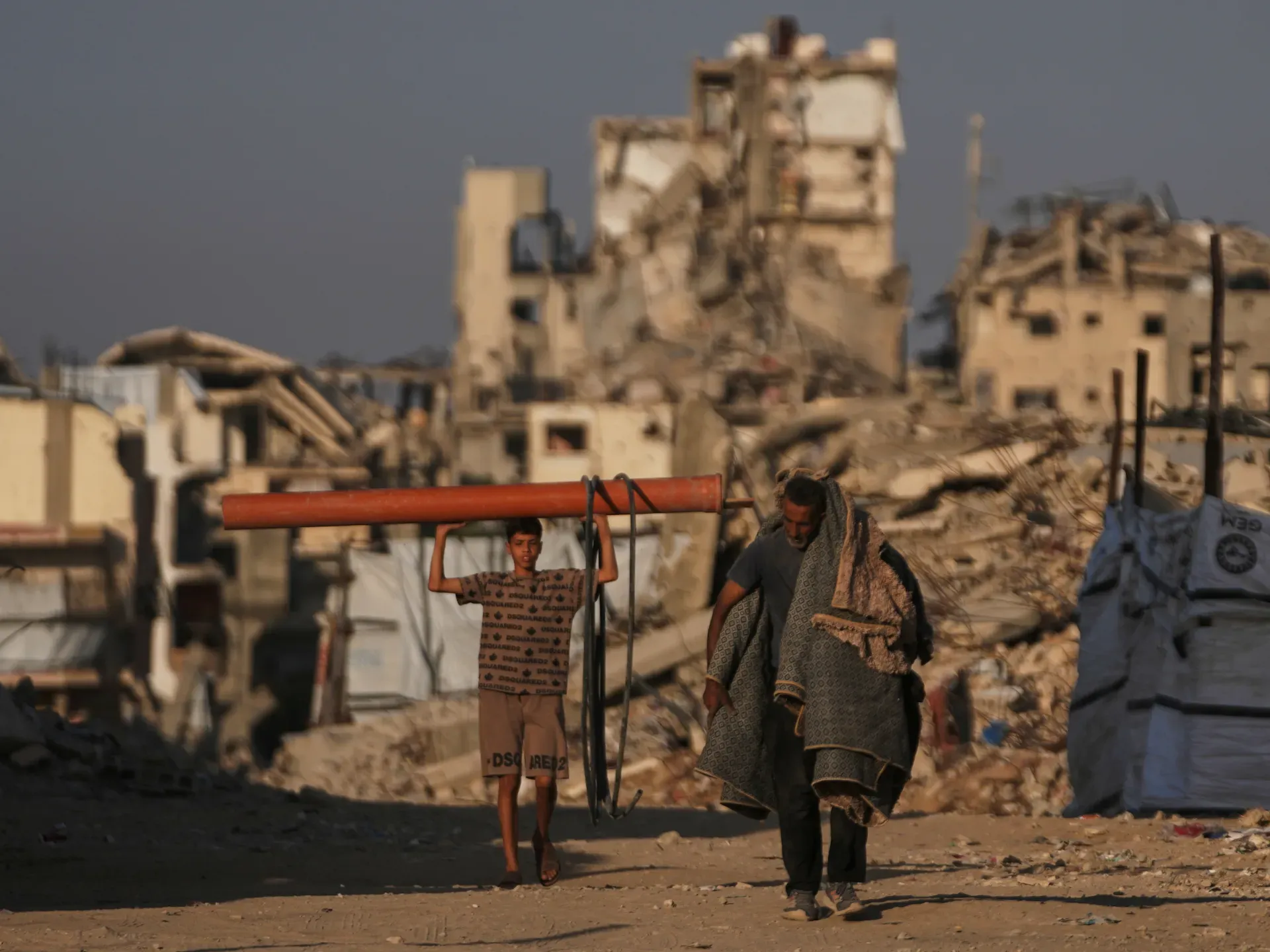
- The ongoing US-Israel war involving Iran.
- National cost of living concerns.
- Immigration policy.
- Perceived media bias against the Trump administration.
- The legacy of the Joe Biden administration.
How do the upcoming elections impact Congressional control?
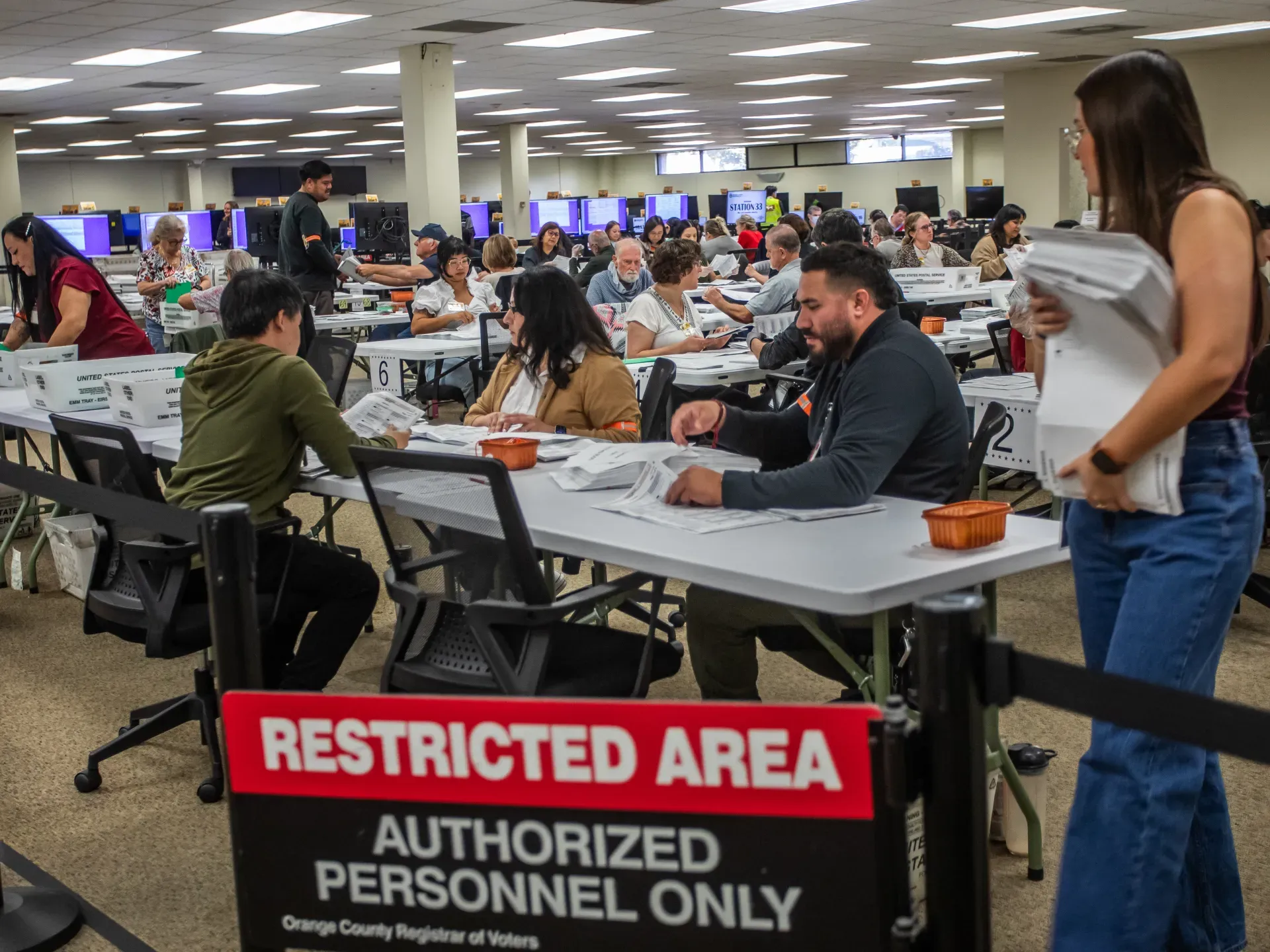
The US midterm elections, scheduled for November 3, 2026, serve as a critical referendum on the current administration, determining which party will hold control of Congress for the remainder of Trump's term. Polling suggests a potentially difficult landscape for the Republican Party, prompting the President to urge supporters to "pretend I'm on the ballot" to boost turnout.
The electoral stakes are particularly high in the Midwest, where several key races could shift the balance of power:
Key Battleground States and Races
In Kansas, the political landscape is significant as the state faces elections for five federal congressional seats, including one Senate seat and all four House seats. Notably, Kansas has not elected a Democratic senator since 1932. In Iowa, the Senate race remains highly competitive and is currently described as too close to call. Furthermore, polling indicates that two state representative seats in Iowa are leaning toward Democratic candidates.
Who were the primary targets of the recent rhetoric?
The rhetoric used during the rallies targeted a diverse group of Democratic politicians, ranging from religious leaders to established representatives. By focusing on personal character and religious identity, the campaign sought to create sharp distinctions between the Republican and Democratic platforms.
Specific targets included:
- Abdul El-Sayed: The Michigan Democratic Senate hopeful was the subject of intense scrutiny regarding his alleged ties to the Muslim Brotherhood.
- Ilhan Omar: The Minnesota Representative was targeted with baseless claims regarding her personal life and marriage.
- Adam Hamilton: A Democratic Senate hopeful in Kansas and a church pastor, Hamilton was criticized for his support of transgender rights and described by Trump as a "stiff" who relies on teleprompters.
- Haley Stevens: While not a target of direct hostility, the Michigan Democrat was mentioned after she endorsed Republican Mike Rogers, with Trump expressing a desire for her to switch parties.
FAQ: US Midterm Elections 2026
When are the US midterm elections taking place?
The US midterm elections are scheduled to take place on November 3, 2026. These elections are vital for determining the composition of the US Congress and the level of legislative influence the current administration will maintain during its final two years.
What is at stake in the Kansas elections?
Kansas is holding elections for five federal congressional seats, including one Senate seat and all four House seats. This is a significant contest because the state has not elected a Democratic senator since 1932, making it a key area for potential shifts in power.
Key takeaways
- Trump used his final Iowa and Kansas rallies to target Muslim Democratic candidates with unsubstantiated claims.
- The midterm elections on November 3, 2026, will decide the control of the US Congress.
- Kansas is a major battleground with five federal seats up for election, including one Senate seat.
- Republican strategy in these rallies focused on energizing the base through attacks on immigration and religious identity.
The political landscape ahead of November 3
As the United States approaches the November 3 midterm elections, the intensity of the campaign rhetoric suggests a deeply polarized electorate. The shift toward personal and religious attacks in the final days of campaigning highlights the high stakes involved in the battle for Congressional control. With key races in Kansas and Iowa potentially flipping, the outcome will significantly shape the legislative environment for the remainder of the Trump presidency. Voters will ultimately decide whether the Republican momentum can overcome the polling trends currently favoring Democratic gains in several key districts.