How have Trump immigration policies changed the enforcement landscape?
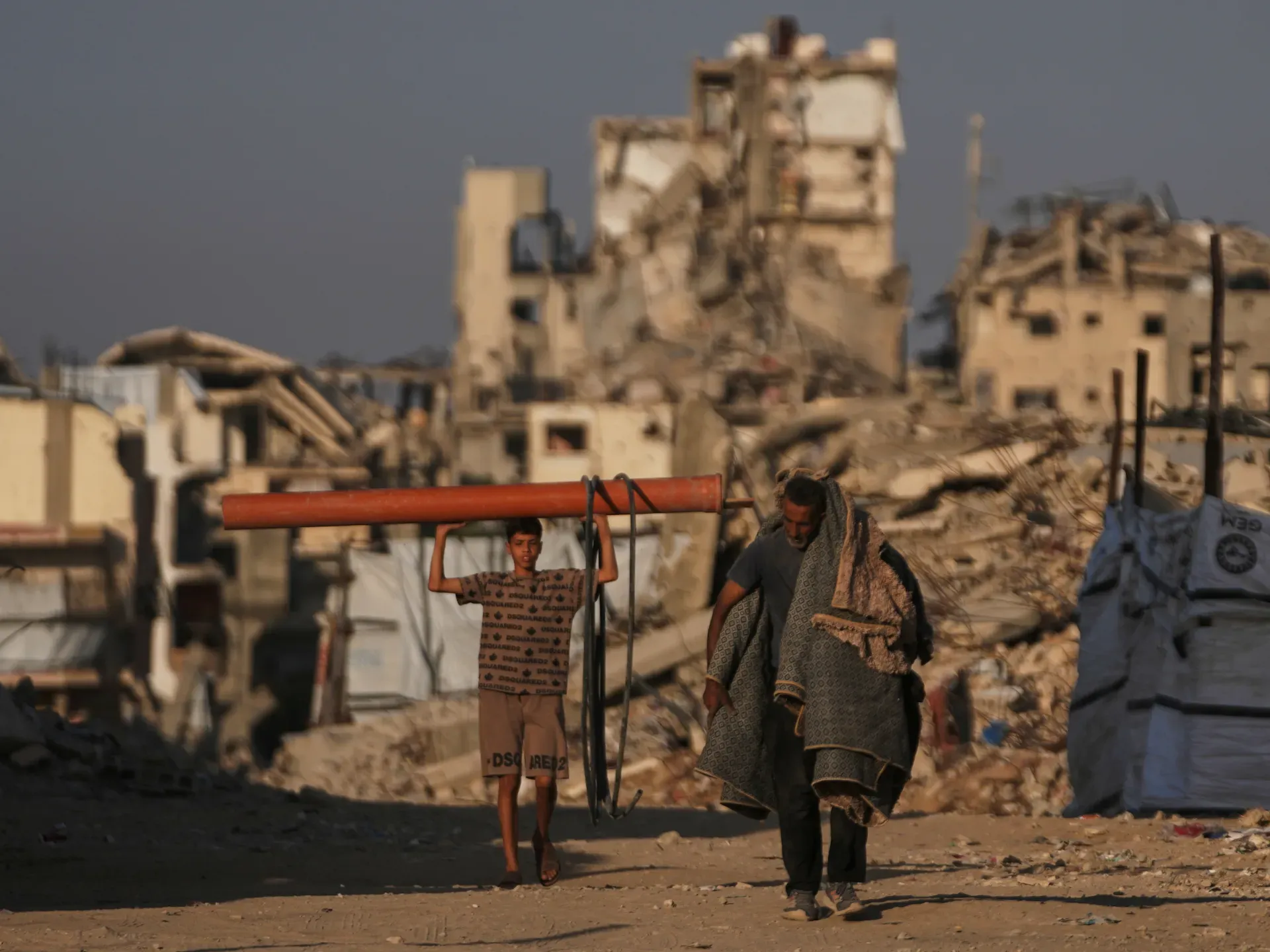
The Trump administration has transitioned from targeting individuals with criminal backgrounds to conducting widespread enforcement actions against undocumented immigrants regardless of their history. Since the launch of intensified crackdowns two years ago, ICE agents have been documented making arrests in locations previously considered safe, such as schoolyards, bus stops, and even inside hospital wards during medical treatment. These operations have fundamentally altered the sense of security within immigrant communities in Florida.
The shift from criminal targeting to mass enforcement
Many voters, including immigration lawyer Ismael Labrador, noted that they supported the administration's platform on the premise that enforcement would focus on removing violent criminals. However, the current reality involves a much broader dragnet. According to a White House spokeswoman, the administration has successfully removed more than 3 million undocumented individuals from the United States. This broad scope has led to the detention of individuals in sensitive settings, such as the case of Ecuadorean immigrants Grace Calero and Giulianna Carriel, who were arrested by ICE while receiving medical care in a hospital ward following a car accident.
What is the impact of these policies on the Cuban American community?
Cuban Americans are facing unprecedented vulnerability due to the rollback of traditional immigration protections. For decades, the Cuban Adjustment Act provided a unique pathway for Cubans to secure legal status, but recent enforcement actions have bypassed these historical norms. The administration's decision to revoke temporary humanitarian parole for approximately 300,000 Cubans has left many in a state of legal limbo, facing the constant threat of sudden deportation.
The human cost of these policies is evidenced by the separation of families. For instance, Heydi Sanchez, who had lived in Tampa under an i-220B Order of Supervision, was detained during a routine ICE appointment and deported to Cuba, leaving her US-citizen child behind. While ICE has stated in such cases that parents may choose to leave without their children to ensure the child remains with safe relatives, the emotional and social consequences for these families are profound. Many of those deported are being sent back to a Cuban economy currently suffering from its worst energy crisis and a fuel blockade.
How are these policies affecting Florida's political landscape?
The tension between Republican party loyalty and the reality of immigration enforcement is creating a volatile environment for the upcoming midterms in Florida. While Florida remains a Republican stronghold, the specific impact of deportation policies is testing the allegiances of high-profile Latino politicians. Congresswoman Maria Elvira Salazar, a prominent Cuban American representing Florida's 27th district, has publicly distanced herself from the administration's current direction, stating that the deportation policies have gone "too far."
This political friction is manifesting in several ways:
- Candidate Vulnerability: Salazar is currently facing a tight race against Democrat Eliott Rodríguez, where her previous support for Trump's immigration stances could become a political liability.
- Voter Disillusionment: Despite the disapproval of deportations among non-criminals, many Cubans maintain their Republican identity. A Florida International University poll found that while 76% disapprove of deporting non-criminals, 68% still intend to vote Republican in November.
- Diverging Latino Trends: While Florida remains largely pro-Republican, broader Latino trends in the US show a decline in support for the GOP. An NBC News/Telemundo poll of 8,000 registered Latino voters found that nearly 60% favor Democratic control of Congress, compared to only 35% favoring a Republican victory.
Why are Latino voters shifting their political priorities?
Economic pressures and the personal impact of immigration enforcement are driving a shift in how Latino communities approach the ballot box. While some segments of the community, such as Cuban American entrepreneurs in Miami, continue to support the administration's stance on border security, others are feeling the weight of the administration's domestic policies.
The high cost of living, particularly regarding petrol and supermarket prices, is a significant driver of discontent among working families. However, the personal stories of deportation and family separation serve as a powerful counter-narrative to the administration's economic successes. For many, the perceived betrayal of the "safe America" they voted for—under the assumption that only criminals would be targeted—is creating a sense of buyer's remorse that could influence the upcoming elections.
Frequently asked questions
What is the Cuban Adjustment Act?
The Cuban Adjustment Act is a piece of legislation from the 1960s that has historically granted Cubans living in the United States a preferential path to legal residency and citizenship. This status has traditionally offered more stability than the immigration processes available to other nationalities.
How many people has the administration deported?
According to a White House spokeswoman, the Trump administration has overseen the departure of more than 3 million undocumented individuals from the United States as part of its mass deportation programme. This is part of a stated goal to deliver on campaign promises regarding border security.
Why are some Cuban Americans expressing regret about their vote?
Many Cuban Americans feel they were "blindsided" by the administration's enforcement scope. While many supported the removal of criminals, they did not anticipate that the policy would extend to non-criminal residents and those with humanitarian parole, leading to widespread family separations.
What is an i-220B Order of Supervision?
An i-220B Order of Supervision is a status that allows certain individuals to remain in the United States while they attempt to regularize their immigration status. However, it does not provide permanent legal standing and carries the risk of sudden detention and deportation during routine check-ins.
How is the Cuban economy currently performing?
Cuba is currently experiencing a severe economic and energy crisis. The island is facing its worst-ever energy shortages, exacerbated by a months-long fuel blockade, making the return of deported citizens particularly difficult for those seeking to reintegrate into society.
Key takeaways
- 76% of South Florida Cubans disapprove of deporting individuals with no criminal record.
- Despite deportation concerns, 68% of Cuban Americans in Florida still plan to vote Republican.
- The administration claims to have removed over 3 million undocumented people from the US.
- Immigration enforcement has expanded into sensitive areas like hospitals and schoolyards.
- Economic factors like high living costs are contributing to broader Latino political shifts.
The evolving landscape of American immigration and politics
The intersection of Trump's immigration enforcement and the Cuban American electorate reveals a complex political realignment. While the Republican Party maintains a strong grip on Florida's Latino voters through traditional platforms of security and border control, the human reality of mass deportations is creating deep fissures. The tension between ideological support for strict immigration laws and the personal impact of those laws on families and communities will likely be a defining theme of the upcoming midterms and the broader national political discourse.