What was the specific ruling by Judge Trina Thompson?
Judge Trina Thompson ordered the federal government to immediately cease its efforts to threaten local and state election officials with criminal prosecution regarding their ballot-processing duties. The ruling specifically targets actions taken by the Department of Justice (DoJ) and the Department of Homeland Security (DHS) aimed at interfering with the administration of elections in California and Washington.
The court found that the administration's tactics, while framed as efforts to prevent unlawful non-citizen voting, were likely to result in the disenfranchisement of lawful voters and the disruption of established election procedures. According to the judge, the administration's demands would "wreak havoc" on the electoral process. The decision serves as a legal barrier against federal attempts to bypass state-level election protocols in favor of administration-led investigations.
The scope of the judicial intervention
The injunction is not merely a procedural correction but a direct response to what the court identified as potentially unlawful interference. By ordering a halt to these specific threats, the judge aims to protect the continuity of election administration during a critical period. The ruling addresses two primary forms of pressure: formal legal demands from the DoJ and physical intimidation through the presence of armed officials from the Department of Homeland Security.
How did the administration attempt to influence ballot processing?
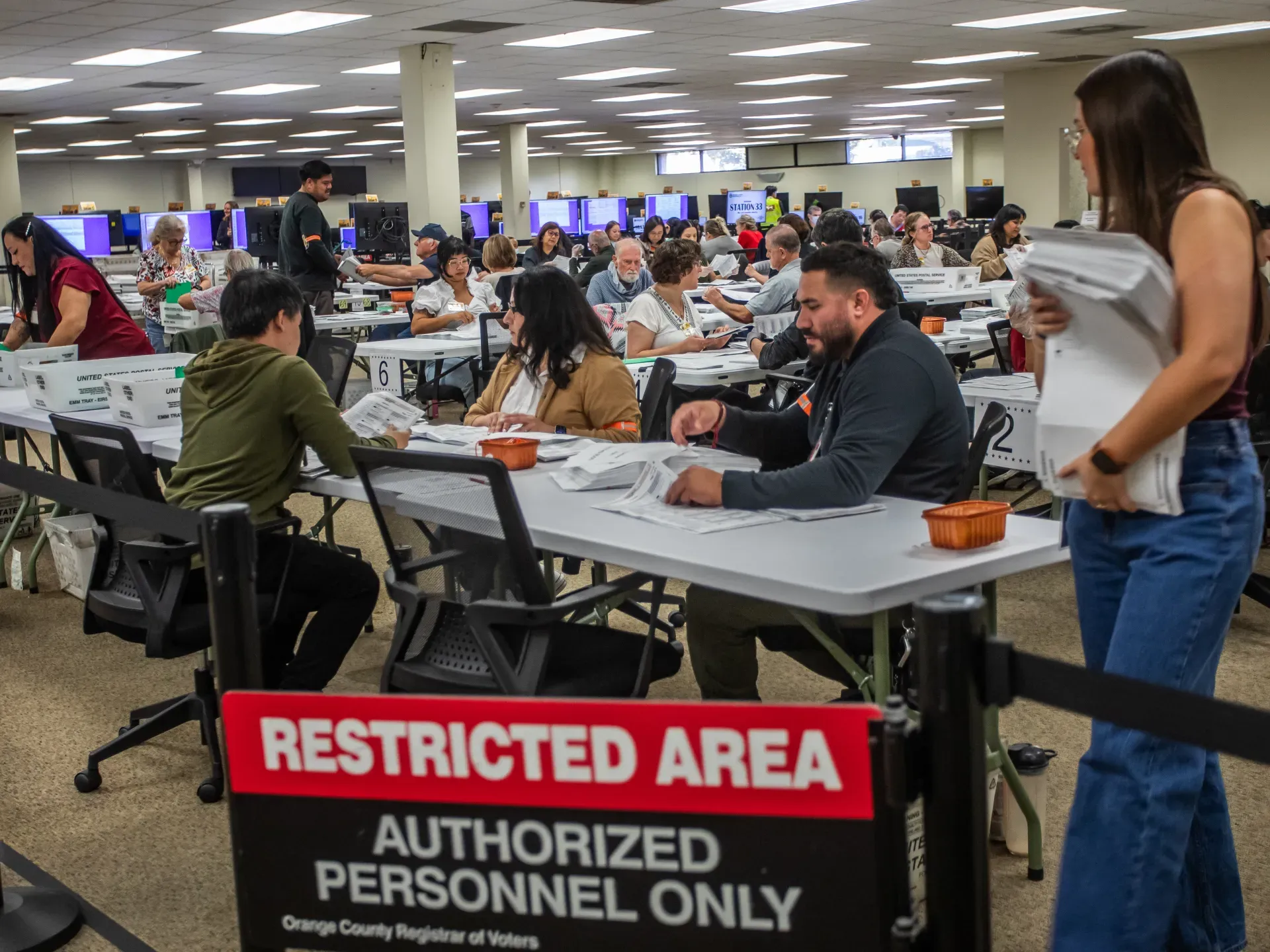
The administration utilized a combination of legal demands and law enforcement presence to pressure election officials to sequester specific batches of ballots. In California, the Department of Justice sent formal communications to the Secretary of State and the Los Angeles County Registrar, demanding that the ballots of 20,000 registered voters be set aside. The administration based these demands on the belief that these individuals were "likely" non-citizens.
Following these legal demands, the situation escalated with the involvement of the Department of Homeland Security. Armed officials from the DHS reportedly delivered letters to county employees and officials across California, explicitly threatening criminal charges if the requested ballots were not sequestered. This escalation prompted legal complaints from civil rights groups and unions representing election workers, who argued that such actions prevented them from fulfilling their legal duties under both state and federal law.
The expansion to Washington state
The administration's tactics were not limited to California. According to the court order issued by Judge Thompson, the Department of Justice sent similar correspondence to officials in Washington state. In that instance, the administration demanded that the Washington Secretary of State cease the processing of ballots based on similar allegations of non-citizen involvement. This pattern suggests a coordinated federal strategy to challenge state-managed election processes across different jurisdictions.
Why is the administration pursuing these election integrity measures?
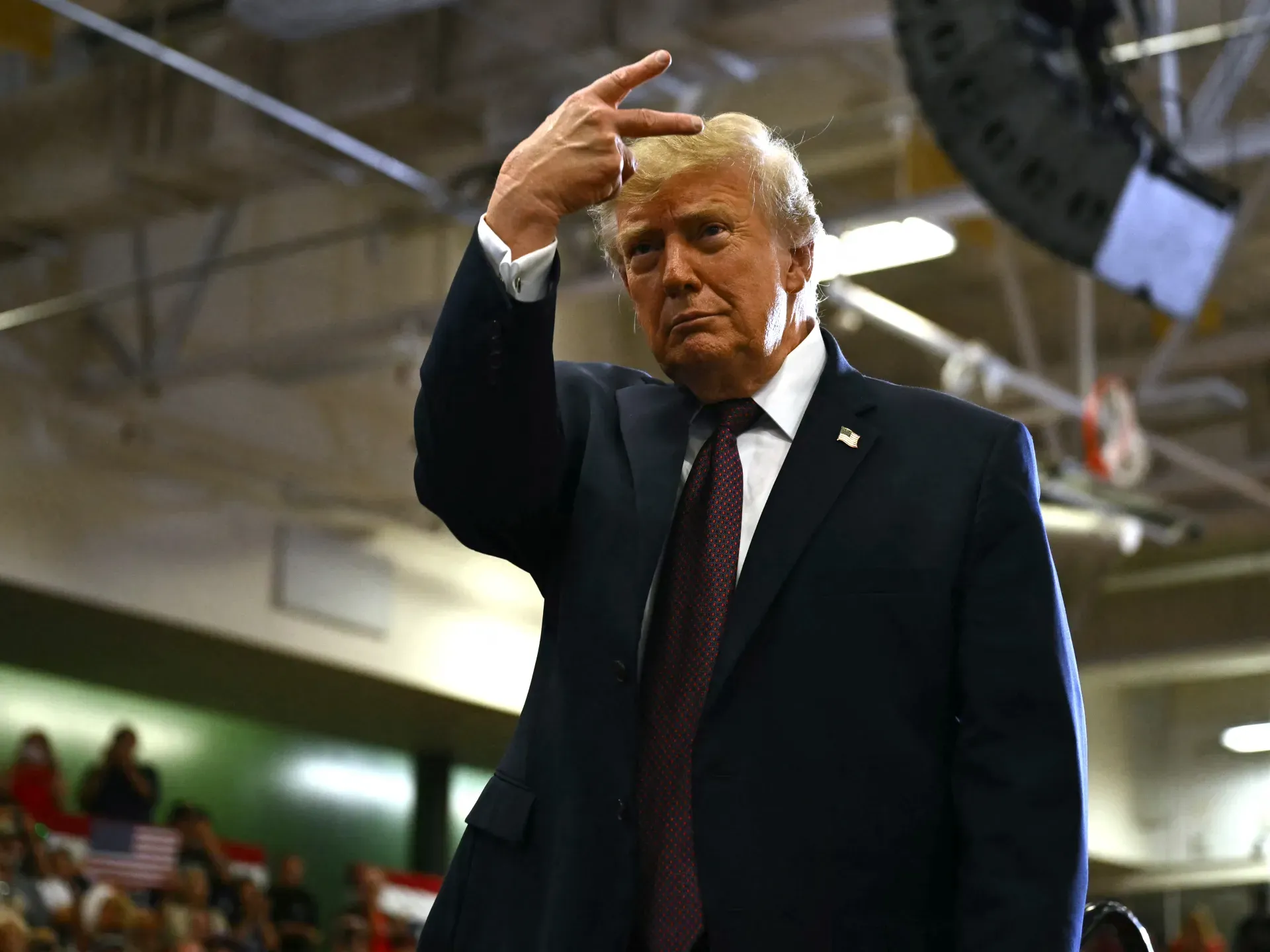
The Trump administration maintains that voter fraud is "rampant" across the United States, particularly concerning postal voting and the participation of non-citizens. President Trump has consistently advocated for aggressive measures to ensure "Election Integrity," a campaign that has spanned several years. This stance is central to his administration's political platform, even as it faces significant legal and factual challenges.
On Saturday, following the judicial ruling, President Trump expressed his opposition to the court's decision, questioning the logic of the intervention. He wrote, "Why would they reject fixing Election Fraud?" This highlights the fundamental disagreement between the executive branch and the judiciary regarding what constitutes legitimate oversight versus unlawful interference. The administration views its actions as a necessary defense of the democratic process, while critics view them as an attempt to manipulate election outcomes.
The factual context of voter fraud claims
While the administration alleges widespread fraud, empirical evidence and research suggest that such instances are extremely rare. For example, BBC Verify reported that the Heritage Foundation's database—a source often cited by proponents of stricter voting laws—identified only 24 cases of non-citizens being convicted for voting between the years 2005 and 2025. This discrepancy between administration rhetoric and recorded legal convictions forms the basis of the argument that the current federal actions may be disproportionate to the actual threat.
What are the implications for the upcoming midterm elections?
The timing of the judicial ruling is critical, as it arrives just days before the US midterm elections scheduled for November 3, 2026. These elections are of high political significance, as they will determine which party holds control of the US Congress for the final two years of Donald Trump's presidency. Any disruption to the administration of these elections could have profound consequences for the political landscape and the stability of the electoral process.
The administration has also implemented financial incentives to encourage reporting of alleged fraud, offering a $1 million reward for information leading to a conviction. This move, combined with the ongoing criminal investigations and federal grand jury subpoenas issued to county election officials, creates a high-pressure environment for those managing the vote. The court's intervention seeks to mitigate this pressure to ensure that election officials can operate within the bounds of the law without fear of retaliatory federal prosecution.
FAQ: Trump administration election official threats
What did Judge Trina Thompson rule?
Judge Trina Thompson ordered the federal government to stop threatening state and local election officials with criminal charges. She ruled that the Department of Justice's attempts to force officials to set aside ballots based on unverified non-citizen allegations would likely interfere with election administration and disenfranchise lawful voters.
How much money is being offered for fraud reports?
President Trump has offered a $1 million reward to individuals who provide information that leads to a criminal conviction for voter fraud in the United States. This incentive is part of a broader effort to identify what the administration describes as rampant illegal voting.
What was the role of the Department of Homeland Security?
The Department of Homeland Security sent armed officials to deliver letters to county officials and employees in California. These letters contained threats of criminal charges if the officials did not comply with demands to sequester ballots that the administration believed might belong to non-citizens.
How many non-citizen voting cases were documented by the Heritage Foundation?
According to BBC Verify, the Heritage Foundation's database identified only 24 cases of non-citizens being convicted for voting in the United States between 2005 and 2025. This figure is frequently used to contrast the administration's claims of rampant fraud with recorded legal outcomes.
What is at stake in the November 2026 midterms?
The midterm elections, held on November 3, 2026, will determine the political party control of the US Congress. This control is vital as it shapes the legislative capacity of the government during the final two years of the Trump presidency.
Key takeaways
- A federal judge blocked the DoJ from threatening election officials with criminal charges over ballot processing.
- The administration targeted 20,000 ballots in California based on unverified non-citizen voting allegations.
- The Heritage Foundation recorded only 24 non-citizen voting convictions between 2005 and 2025.
- The ruling comes days before the critical US midterm elections on November 3, 2026.
The intersection of federal oversight and state autonomy
The conflict between the Trump administration and election officials represents a significant tension between federal oversight and state-led election administration. While the administration asserts its right to investigate potential fraud to protect "Election Integrity," the judiciary has signaled that such actions must not infringe upon the constitutional and statutory duties of state officials. As the 2026 midterms approach, the balance between these competing interests will remain a central point of legal and political contention, impacting both the conduct of the vote and the perceived legitimacy of the results.