Why is the Texas Senate race considered a historic turning point?
The upcoming Texas Senate race is viewed as a potential seismic shift in American politics because it tests the durability of the Republican stronghold in the South. For more than thirty years, Democrats have struggled to secure statewide victories in Texas, leaving the party in a political wilderness within the second most populous US state. A victory for the Democratic candidate, James Talarico, would represent the first time a Democrat has won a Senate seat in Texas since 1988.
The stakes extend beyond a single seat. Republican strategists suggest that a Democratic breakthrough in Texas could trigger a psychological and structural shift within the GOP. According to Brendan Steinhauser, a Texas-based Republican campaign strategist, a Talarico win would likely cause significant "psychological damage" to the Republican Party both within Texas and on a national level.
Furthermore, political analysts fear a "snowball effect." If Democrats prove they can win in Texas, it may embolden more high-quality candidates to run for state and federal offices, mirroring recent Democratic gains in other southern states such as Georgia, North Carolina, and Virginia. This potential shift makes the Texas Senate race a bellwether for the future of the Republican Party's foundation in the United States.
How has James Talarico risen from an unknown to a major contender?
James Talarico, a 37-year-old former teacher and student of Christian ministry, has undergone a rapid political ascent. In 2025, he was a relatively unknown state-level Democrat, yet he is now at the center of a half-billion-dollar electoral battle. His campaign strategy blends traditional Democratic messaging with a deeply localized Texas identity.
Talarico’s platform focuses on several key pillars designed to appeal to a broad electorate:
- Anti-Corruption: He has promised to advance a comprehensive anti-corruption agenda in the Senate.
- Economic Populism: He critiques a conservative establishment that he claims is disconnected from the economic hardships faced by average Americans.
- Institutional Reform: He has made the condemnation of big money in politics a central theme of his campaign.
To connect with voters, Talarico utilizes cultural touchstones that resonate with the Texas identity. His campaign slogan, "clear eyes, full hearts, can't lose," is a reference to the popular Texas-based television show Friday Night Lights. He frequently incorporates Texas country music into his events, celebrates local breakfast tacos, and emphasizes his deep roots in the state, noting that his family ties to Texas span eight generations.
The cultural appeal of the Talarico campaign
Talarico's ability to draw large crowds, even in traditionally conservative areas like Lubbock, suggests his message is finding traction. At a recent event in Lubbock, an estimated 3,000 supporters attended, with an additional 1,000 listening via external speakers. This level of engagement in a town that voted overwhelmingly for Donald Trump two years ago highlights the changing nature of the political landscape in the western plains of Texas.
What challenges are facing the Republican Party in Texas?
Republicans are facing intense pressure to maintain their dominance as Democratic turnout increases. High-profile figures within the party have expressed alarm over the current momentum. Texas Senator Ted Cruz noted in a recent podcast that Democrats are "massively out-turning-out the Republicans," a trend that suggests the traditional Republican advantage in voter mobilization is eroding.
The Republican candidate, Ken Paxton, brings his own set of complexities to the race. Having defeated incumbent Senator John Cornyn in a contentious primary, Paxton secured a late boost through an endorsement from Donald Trump. However, his candidacy is shadowed by past legal scrutiny, including a 2015 federal indictment on securities fraud charges—which was later dropped—and a 2023 impeachment by the Texas House of Representatives involving allegations of corruption and bribery.
Beyond candidate-specific issues, the broader national environment is proving difficult for the GOP. Voters have expressed frustration with rising consumer costs, including petrol prices, which many attribute to Trump's tariff policies and the ongoing Iran war. This economic discontent, combined with concerns over political corruption, has created a volatile environment for the party currently in power.
How are shifting demographics and local issues impacting the vote?
Several localized factors are contributing to a more competitive environment in Texas. One of the most significant shifts is occurring among Hispanic voters, who constitute nearly one-third of the state's population. While many Hispanic voters supported Donald Trump in 2024, recent polling suggests a growing dissatisfaction with the administration's immigration enforcement policies.
In addition to demographic shifts, specific local developments have become political liabilities for the Republican establishment:
| Issue | Impact on Republican Standing |
|---|---|
| Immigration Policy | Souring of support among Hispanic voters. |
| Data Centre Construction | Widespread criticism in rural areas regarding land use and investment. |
| AI Infrastructure | Led Governor Abbott to announce a one-year moratorium on AI construction. |
The backlash against data centre construction in rural Texas has been particularly notable. While Republicans originally touted these projects as vital economic investments, they have increasingly become a source of tension in conservative strongholds. This shift was reflected in Governor Greg Abbott's recent decision to implement a one-year moratorium on AI-related construction, a move seen as a response to the growing political liability of the sector.
FAQ: Texas Senate race
How much is being spent on the Texas Senate race?
The race has become the most expensive Senate contest in United States history. Total spending for the election has reached more than $500 million, reflecting the high stakes for both the Democratic and Republican parties in determining control of the Senate.
Who are the main candidates in this election?
The primary contenders are Democrat James Talarico and Republican Ken Paxton. Talarico is a former teacher and state-level politician, while Paxton is a veteran Republican figure who secured the nomination after a contentious primary battle against incumbent John Cornyn.
Why is the Democratic win in Texas significant?
A Democratic victory would be historic, as the party has not won a Texas Senate seat since 1988. Such a win could disrupt the Republican Party's national foundation and encourage more Democrats to run for statewide offices across the South.
What role does Donald Trump play in the Texas race?
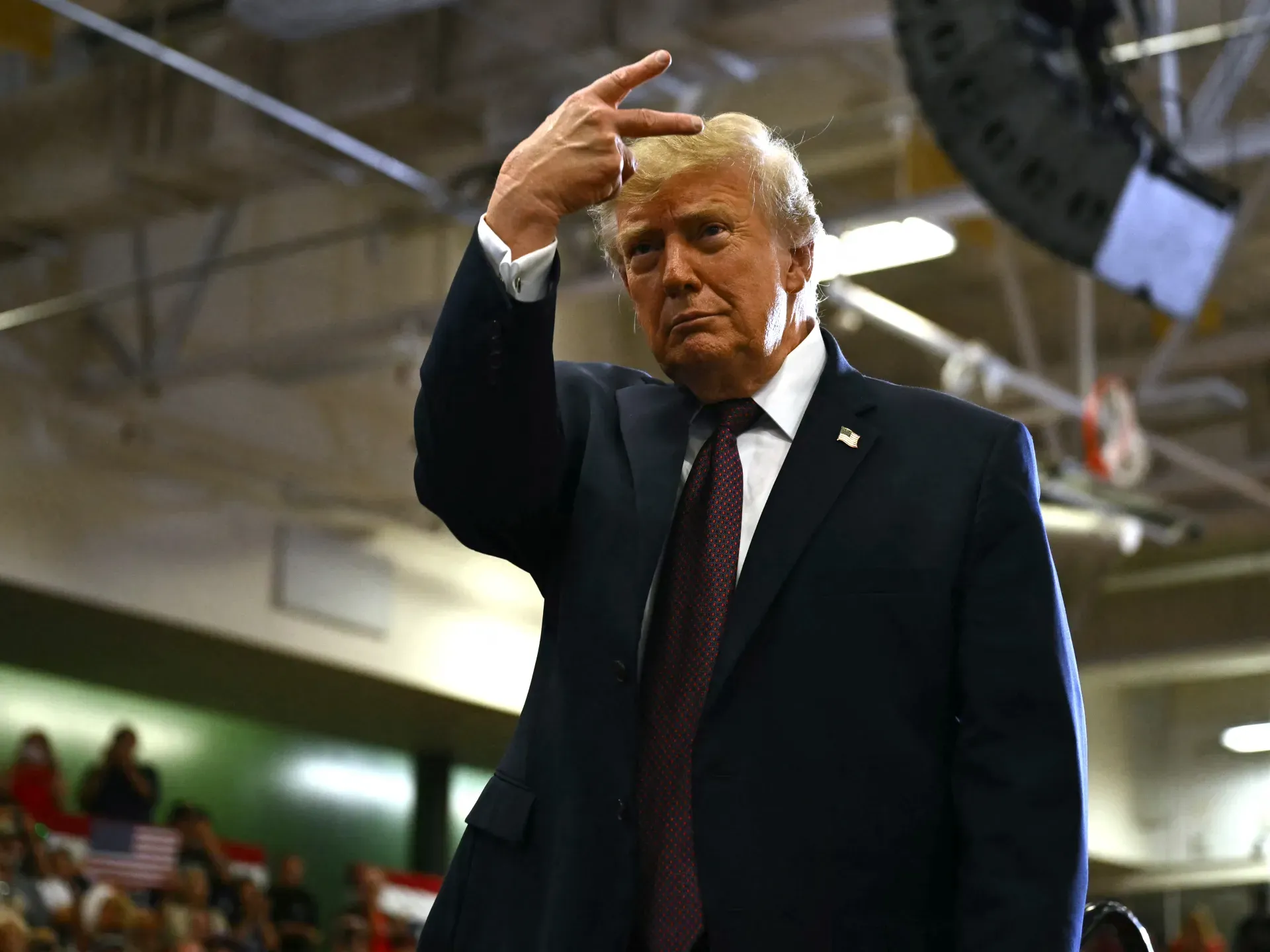
Donald Trump has been actively involved in supporting the Republican side. He has campaigned in traditionally conservative areas like Lubbock and provided a critical endorsement for Ken Paxton, framing him as a "fighter" necessary for the party's success.
What economic issues are affecting voters?
Voters are expressing frustration with high consumer costs, particularly the price of petrol. There is also significant concern regarding the influence of "greedy billionaires and corporations" and general political corruption, which are key themes in the current political discourse.
Key takeaways
- The Texas Senate race is the most expensive in US history, exceeding $500 million in total spending.
- James Talarico seeks to break a Democratic losing streak in Texas dating back to 1988.
- Republicans fear a Democratic win could cause long-term psychological and structural damage to the party.
- Shifting attitudes among Hispanic voters and concerns over AI construction are impacting Republican support.
The changing landscape of the Lone Star State
The Texas Senate race represents much more than a single seat in Washington; it is a litmus test for the political future of the American South. As James Talarico leverages cultural identity and anti-corruption messaging, and Ken Paxton relies on Republican mobilization and Trump's endorsement, the state sits at a crossroads. Whether Texas remains a reliable Republican foundation or transitions into a competitive battleground will likely depend on how voters respond to economic pressures, demographic shifts, and the evolving identity of both major political parties.