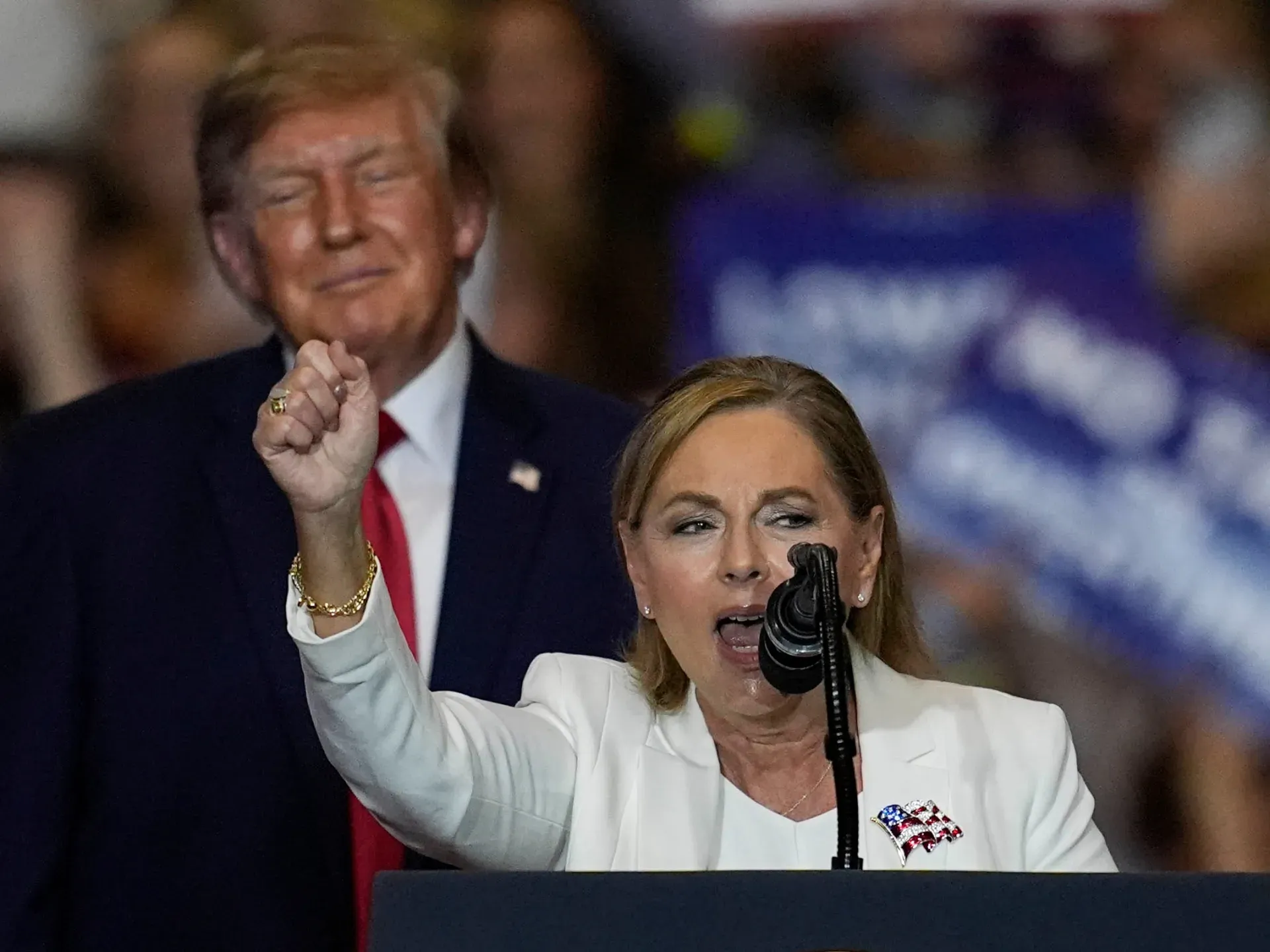
Why is there a write-in movement against Darline Graham?
The 'Write-In Ralph' movement emerged from a growing sense of betrayal among conservative voters who feel the Republican establishment has bypassed the grassroots. Led by younger conservatives like Avery Milton, the campaign seeks to replace the official nominee, Senator Darline Graham, with Republican Congressman Ralph Norman.
Disillusionment among the base has been fueled by several factors, most notably President Donald Trump's foreign policy shifts. Milton, a 28-year-old voter who has supported Trump in three previous elections, cited the administration's decision to launch a war in Iran as a primary breaking point for many young conservatives who were promised an end to new military conflicts.
The movement argues that Graham is a candidate who has been 'installed' rather than earned through traditional grassroots engagement. Critics suggest that her campaign has focused too heavily on private dinners and appearances alongside the President, rather than connecting with everyday voters in regions like Upstate South Carolina, where Norman maintains significant influence.
The mechanics of a write-in campaign
A write-in candidate is an individual whose name does not appear on the official ballot, requiring voters to manually write the name to cast a valid vote for them. While this is a common method for expressing dissatisfaction with mainstream options, it is historically difficult to execute successfully. For context, in the 2022 South Carolina Senate race, write-in votes accounted for only 0.1 percent of the total votes cast. However, supporters of the Norman movement argue that their goal is to provide a voice for those who refuse to be 'rubber stamps' for party leadership.
How did Darline Graham become the Republican nominee?
Darline Graham's path to the Senate candidacy began following the sudden passing of her brother, US Senator Lindsey Graham, on July 11, 2026. She was appointed to fill the vacancy, marking a historical precedent as the first sibling to be appointed to succeed a deceased lawmaker in the Senate.
Initially, Graham viewed her role as a temporary measure to complete her brother's remaining term. This changed rapidly when President Trump utilized his social media platform, Truth Social, to urge her to run for a full six-year term, famously posting "RUN, DARLINE, RUN!" His promise of a "complete and total endorsement" prompted her official announcement on Fox News just days later.
This rapid transition from an appointed official to a full-term candidate has drawn criticism from within her own party. Many Republicans view the sudden shift as an attempt to manufacture a candidate through presidential influence rather than through the standard democratic process. This perception contributed to Graham's victory over Ralph Norman in the August primary, though the victory has not unified the party.
What is the impact of Trump's endorsement on the race?
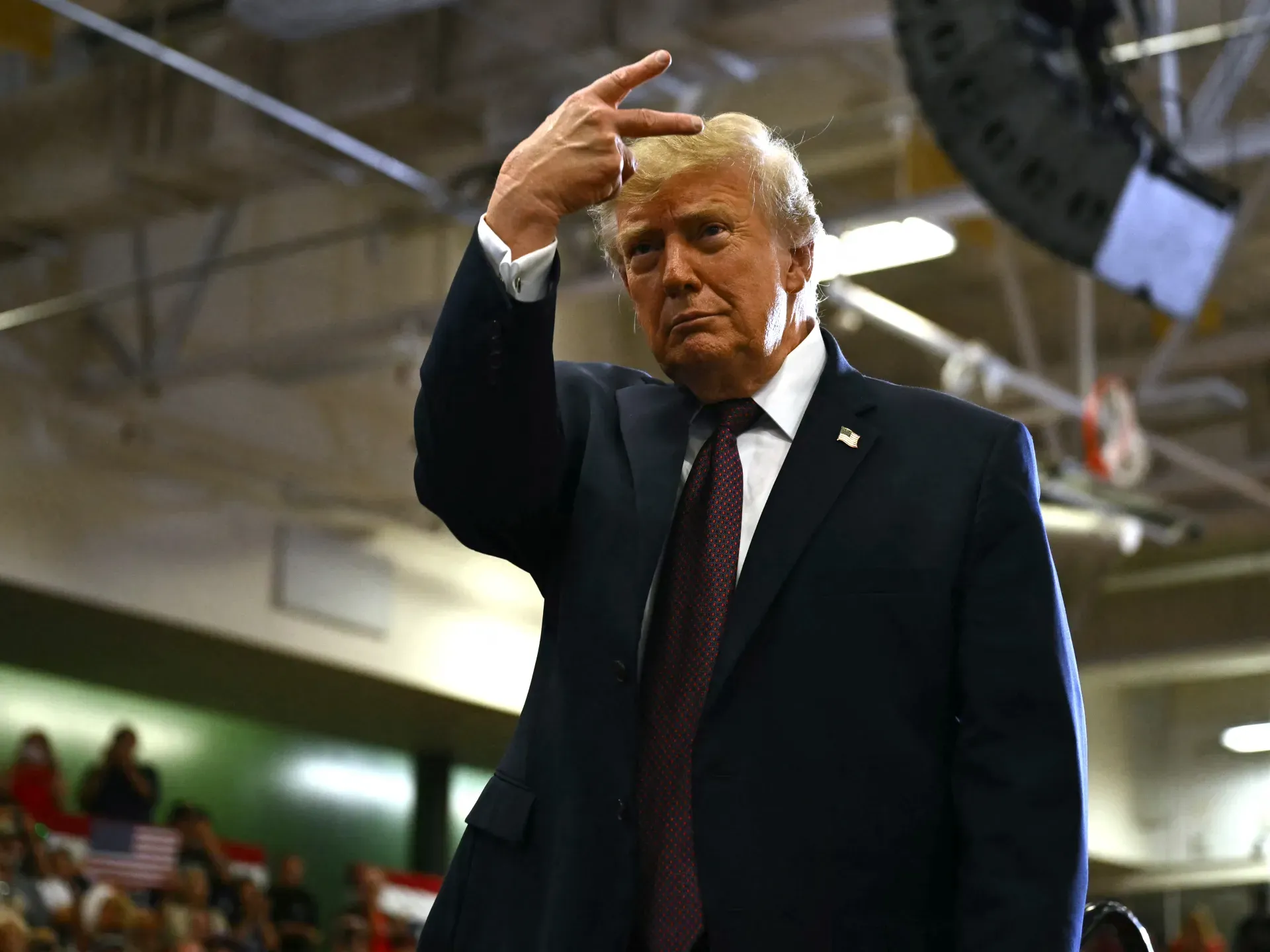
President Trump's endorsement has been a double-edged sword in the South Carolina Republican Senate race, providing massive visibility while simultaneously deepening internal divisions. To bolster Graham, Trump has made two extraordinary trips to the state within a three-month period, an unusual level of attention for a midterm contest.
While the endorsement is intended to solidify the MAGA coalition, it has inadvertently highlighted the rift between the party's leadership and its grassroots base. For voters like John Connolly, a 77-year-old retiree, the endorsement suggests a political culture that prioritizes loyalty to the President over independent legislative experience. Connolly described the candidate as a "puppet" intended to follow instructions without question.
The strategic risk for the GOP is that the heavy focus on Trump's support may alienate independent voters. According to an October poll by the New York Times/Siena, approximately 30 percent of likely voters in South Carolina identify as independents. Among this crucial demographic, Democratic challenger Annie Andrews holds a commanding 20-percentage-point lead over Graham, suggesting that the Republican focus on the MAGA base may be creating a blind spot.
How competitive is the race between Graham and Andrews?
Despite South Carolina's reputation as a deep-red state, the race between Darline Graham and Democrat Annie Andrews has become unexpectedly tight. The political landscape is being shaped by record-breaking engagement and significant polling shifts.
According to the South Carolina Election Commission, nearly 950,000 early votes have already been cast, setting a new record for a midterm election in the state. This high level of participation suggests that voters are highly motivated by the current political tensions. The New York Times/Siena College poll from October indicates that the race is currently a dead heat, with both Graham and Andrews sitting at 48 percent among likely voters.
For the Democratic Party, this division within the Republican ranks provides a rare opportunity to win a seat they have not held since 1998. Even as the election approaches, conservative voters face a difficult choice: support the official Republican nominee to prevent a Democratic victory, or cast a write-in vote for Norman to protest the current direction of the party.
FAQ: South Carolina Republican Senate race
What is the 'Write-In Ralph' movement?
The 'Write-In Ralph' movement is a grassroots effort by South Carolina conservatives to elect Congressman Ralph Norman to the US Senate. Instead of voting for the official Republican nominee, Darline Graham, these voters intend to manually write Norman's name on their ballots to protest the party establishment.
Why is Darline Graham running for a full term?
Darline Graham was originally appointed to finish the term of her late brother, Senator Lindsey Graham. However, after receiving a public endorsement and an urgent call to run from President Donald Trump on Truth Social, she decided to campaign for a full six-year Senate term.
How do write-in votes work in South Carolina?
Write-in votes allow a voter to choose a candidate whose name is not printed on the official ballot. The voter must physically write the candidate's name on the ballot for the vote to be counted. Historically, these votes represent a very small fraction of the total electorate.
Who is the Democratic challenger in this race?
The Democratic candidate for the US Senate in South Carolina is Annie Andrews. Recent polling suggests she is in a highly competitive position, currently tied with the Republican nominee, Darline Graham, at 48 percent among likely voters in the state.
Does the Republican Party support the write-in effort?
No, the write-in effort is a challenge against the official Republican nominee. While the movement is led by conservative voters, it represents a fracture within the party, as many Republicans fear that write-in votes could inadvertently help the Democratic candidate win the seat.
Key takeaways
- The South Carolina Republican Senate race is currently tied between Darline Graham and Annie Andrews at 48%.
- A 'Write-In Ralph' movement is attempting to elect Congressman Ralph Norman via manual ballot entries.
- President Trump has made two campaign trips to South Carolina in three months to support Graham.
- Nearly 950,000 early votes have been cast, a record for a midterm election in the state.
The future of the South Carolina GOP
The outcome of this Senate race will likely serve as a barometer for the strength of the MAGA coalition and the influence of the Republican establishment in the South. If the write-in movement succeeds in peeling away significant numbers of conservative votes, it could fundamentally alter the state's political trajectory. Conversely, a victory for Graham would validate the strategy of presidential-led endorsements. Regardless of the winner, the deep divisions revealed in this contest suggest that the South Carolina Republican Party is navigating a period of significant ideological realignment.