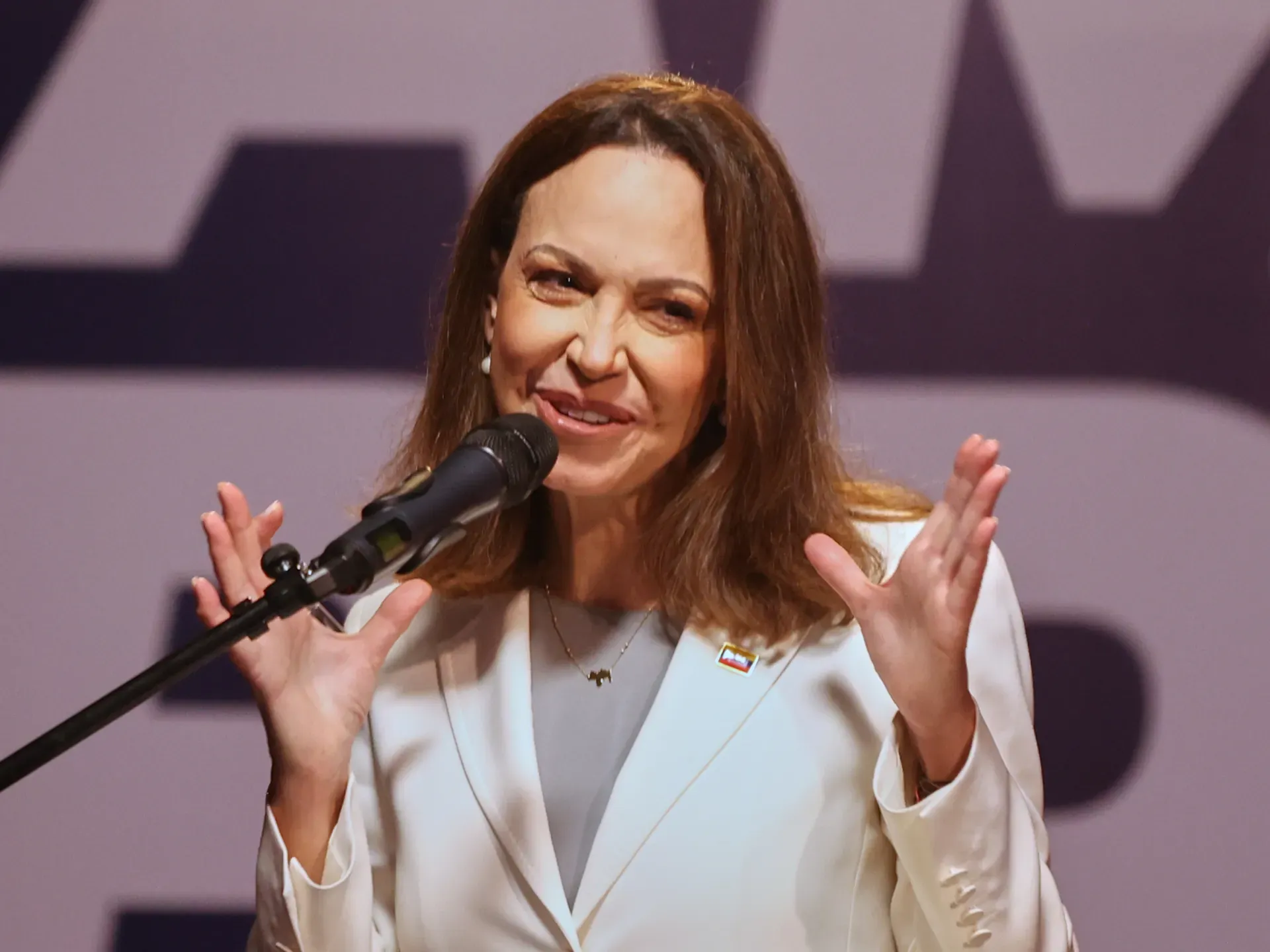
What is the significance of Maria Corina Machado's return to Caracas?
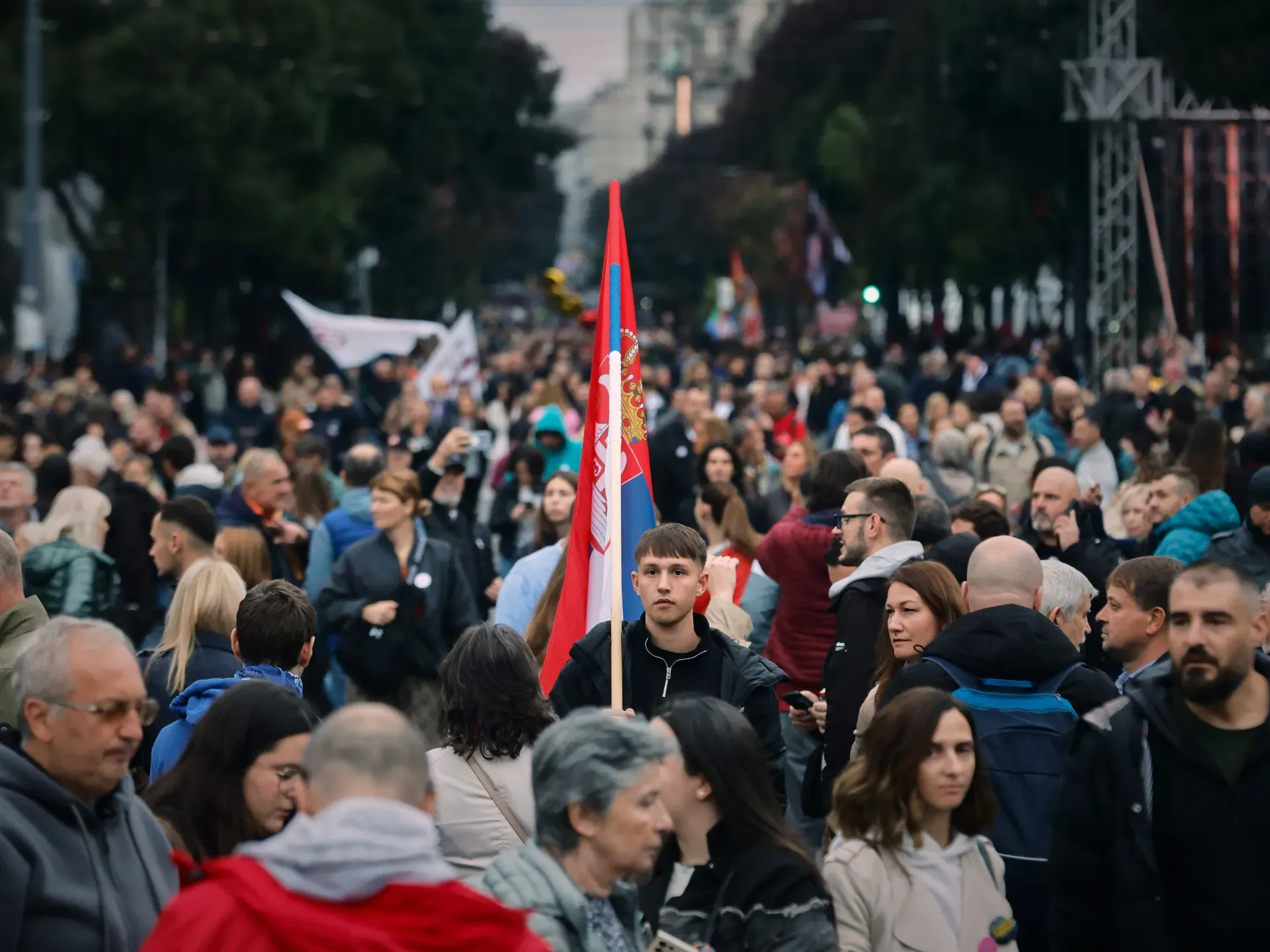
Maria Corina Machado's return to Venezuela represents a major escalation in the domestic push for a democratic transition. After spending more than ten months in exile, the Nobel Peace Prize winner arrived in the capital to begin mobilizing Venezuelan society for upcoming political shifts. Her return was met with large crowds of supporters in Caracas, signaling a high level of public engagement with her leadership following her period of hiding and subsequent flight to Oslo.
The circumstances of her return are as dramatic as the political climate she enters. Machado escaped the Maduro regime after a year spent in hiding, eventually fleeing by boat with the assistance of Grey Bull Rescue, an organization comprised of US special forces veterans. Her arrival on Sunday has immediately refocused the national conversation on the legitimacy of the current administration and the necessity of a scheduled electoral process.
The role of the Nobel Peace Prize in her political standing
Machado's status as a Nobel Peace Prize laureate has provided her with an international platform that transcends local Venezuelan politics. Having accepted the prize in Oslo in December, her return is seen by many as a mission to translate international recognition into domestic political pressure. This prestige serves as a shield and a megaphone, allowing her to challenge the current ruling structure with a level of global scrutiny that was previously unavailable to the opposition.
How has the Trump administration influenced the Venezuelan political landscape?
The Trump administration is credited by Machado for initiating the sequence of events that led to the current political state in Venezuela. Specifically, she highlighted the January 3, 2026, abduction of President Nicolas Maduro as the catalyst for what she described as a "floodgate to freedom." Machado explicitly named President Donald Trump and Secretary of State Marco Rubio as key figures whose actions have paved the way for a potential democratic transition.
According to Machado, the strategic vision of the US administration is aimed at a structured move toward democracy. She noted that Secretary Rubio has established a sequence of events intended to ensure that presidential elections are held in 2027. This alignment between the Venezuelan opposition and US foreign policy marks a significant shift from previous years of diplomatic stalemate, moving instead toward active interventionist measures that have fundamentally altered the country's leadership structure.
Who is currently leading Venezuela following the abduction of Maduro?
Since the abduction of Nicolas Maduro in January, Venezuela has been governed by his former Vice President, Delcy Rodriguez. The transition of power has created a tense political environment where the legitimacy of the current leadership is constantly contested by the opposition. While Rodriguez holds the reins of the state, she has faced criticism for the manner in which the current political atmosphere is being managed.
The relationship between the current government and the returning opposition remains fraught. When asked about the possibility of a meeting with Rodriguez, Machado indicated that no communication has been received from either the Vice President or from Washington. Rodriguez has, however, addressed the nation via state television, asserting that elections will eventually be held "with the world as witness," though she notably declined to provide a specific timeframe for these polls.
The reaction of the current administration to Machado's presence
The current administration has expressed visible distaste for the public fanfare surrounding Machado's return. Delcy Rodriguez publicly criticized the high-profile nature of Machado's arrival, suggesting that the spectacle could have been avoided by using local airports rather than the more dramatic motorcade through the streets of Caracas. This friction underscores the deep divide between the de facto government and the revitalized opposition movement.
Why is the recent US-Venezuela oil deal facing opposition?
A major point of contention in Machado's return is her vocal criticism of a recent controversial oil agreement between the United States and Venezuela. The deal involves Venezuela handing over 20 percent of its vast oil reserves to US interests. Machado has argued that this agreement lacks the transparency required by the Venezuelan people and does not reflect the democratic standards the society seeks to uphold.
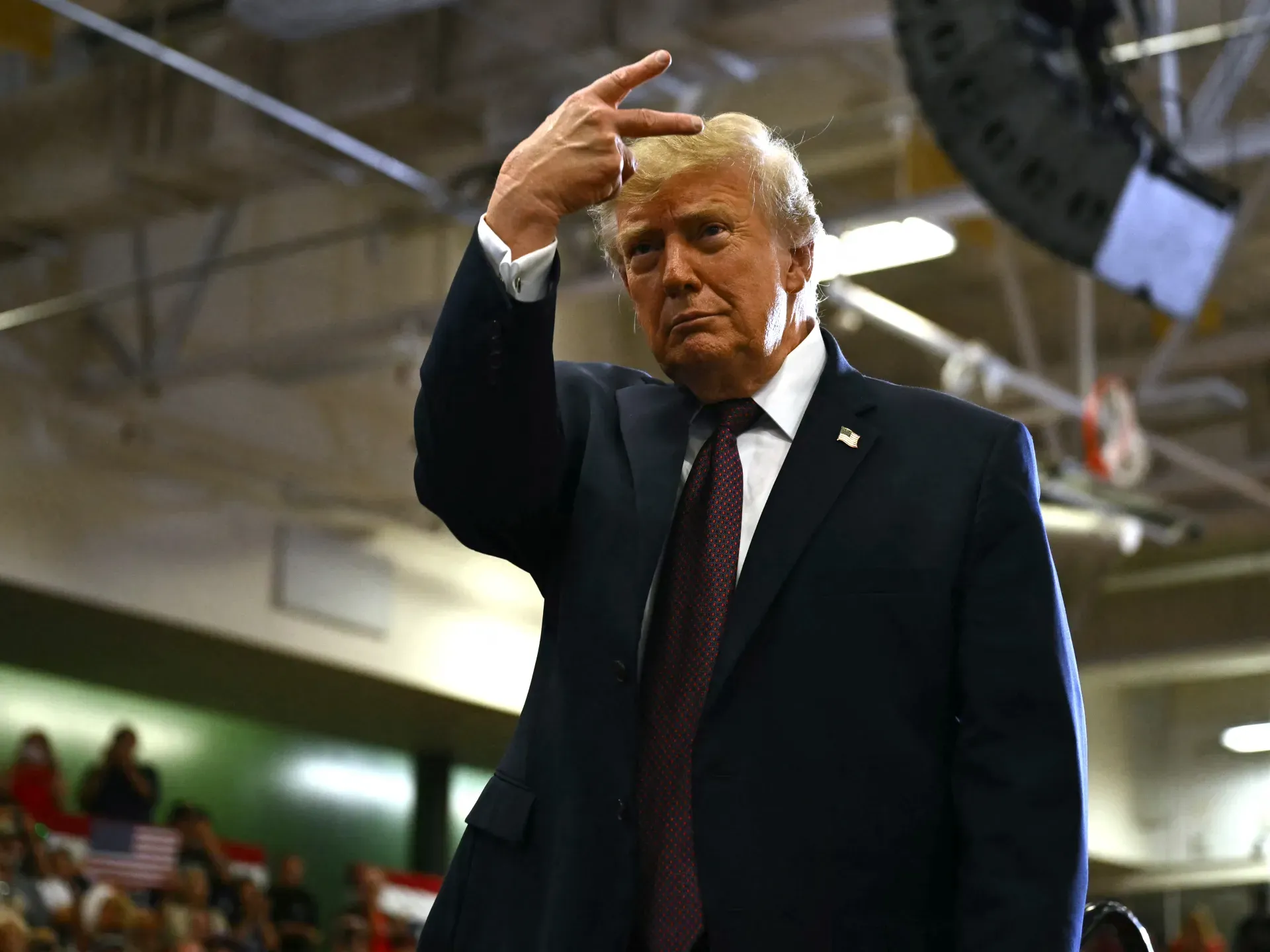
The deal has become a lightning rod for criticism regarding how national resources are being leveraged during a period of political instability. While the Trump administration has touted Venezuelan oil at various venues, including a rally in Texas, the opposition views the arrangement as a transaction that bypasses the will of the citizenry. The lack of clarity regarding the terms of this 20 percent transfer has fueled suspicions of backroom dealings that may undermine future sovereignty.
What are the prospects for the 2027 presidential elections?
The primary objective for the opposition, led by Machado, is the execution of presidential elections in 2027. This timeline is supported by the diplomatic framework established by US Secretary of State Marco Rubio, which seeks to create a roadmap toward a democratic transition. However, the path to 2027 is complicated by the current administration's refusal to commit to a specific date and the ongoing economic complexities involving the nation's oil reserves.
The upcoming years will likely be defined by the struggle between the mobilization of society led by Machado and the consolidation of power by the Rodriguez administration. The international community, particularly the US, appears to be positioning itself to oversee this transition, but the actual mechanics of the 2027 elections remain uncertain. The success of this movement depends on whether the "floodgate to freedom" opened in January can be converted into a stable and transparent electoral process.
Frequently asked questions
Who is Maria Corina Machado?
Maria Corina Machado is a Venezuelan opposition leader and a Nobel Peace Prize laureate. She has been a prominent activist against the Maduro regime and recently returned to Venezuela from exile to lead the movement for democratic elections in 2027.
What happened to Nicolas Maduro in January 2026?
President Nicolas Maduro was abducted on January 3, 2026. This event, which Machado credits to the Trump administration's actions, led to a shift in power in Venezuela, with Delcy Rodriguez taking over the leadership of the country.
When are the next Venezuelan elections expected?
The opposition leader, Maria Corina Machado, is calling for presidential elections to be held in 2027. While the current administration under Delcy Rodriguez has promised elections "with the world as witness," no specific date has been officially set.
What is the controversy regarding the US-Venezuela oil deal?
The controversy stems from an agreement where Venezuela is set to hand over 20 percent of its oil reserves to the US. Machado has criticized the deal for its lack of transparency and for failing to meet the expectations of Venezuelan society.
How did Maria Corina Machado return to Venezuela?
Machado returned to Venezuela after spending ten months in exile. She escaped from hiding with the assistance of Grey Bull Rescue, an organization of US special forces veterans, traveling by boat to reach safety before her eventual return to Caracas.
Key takeaways
- Maria Corina Machado has returned to Caracas to mobilize support for 2027 elections.
- The Trump administration is credited by the opposition for the January abduction of Maduro.
- Delcy Rodriguez currently leads Venezuela following the removal of Nicolas Maduro.
- A controversial oil deal involves Venezuela transferring 20 percent of its reserves to the US.
- Machado is a Nobel Peace Prize laureate who spent ten months in exile.
The future of Venezuelan democracy
The return of Maria Corina Machado marks a pivotal moment in Venezuela's turbulent political journey. As the nation navigates the aftermath of the Maduro abduction and the leadership of Delcy Rodriguez, the focus shifts toward the contested goal of 2027 elections. The tension between the opposition's demand for transparency and the administration's control over oil resources and state apparatus will determine the country's trajectory. Whether the international pressure from the US can successfully facilitate a stable democratic transition remains the defining question for Venezuela's future stability.