What are the primary demands of María Corina Machado upon her return?
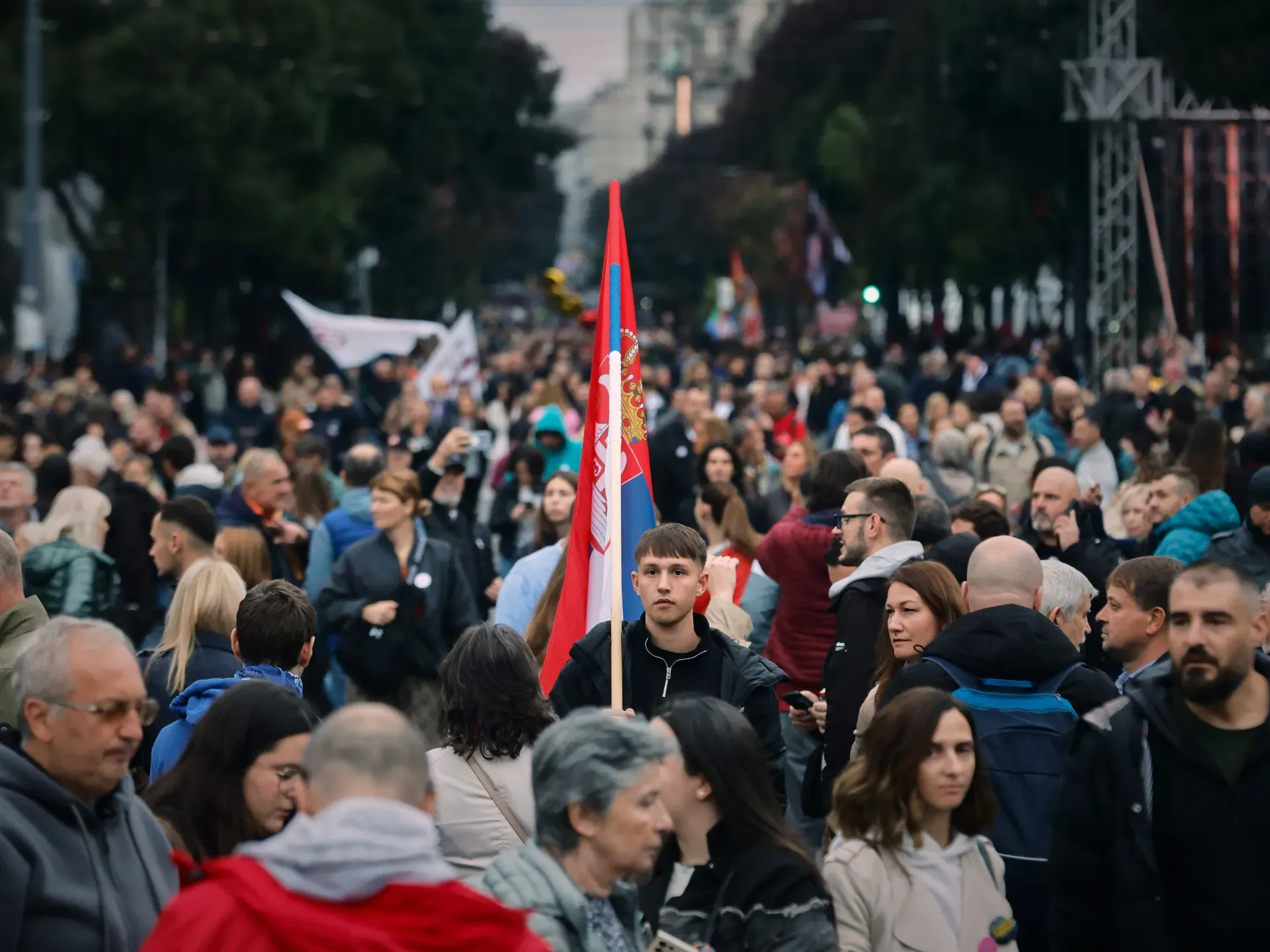
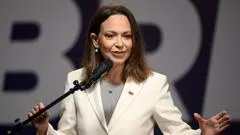
María Corina Machado has formally called for Venezuela to hold elections in 2027 to facilitate a transition to democracy. Speaking to a crowd of supporters in Caracas, the Nobel Peace Prize winner characterized the current movement toward democratic governance as an "irreversible" process. Her return to the country marks a significant moment in Venezuelan politics, coming after months of exile necessitated by the political climate under the previous administration.
Machado emphasized that the transition must be "irreversible, organised, [and] pacific," according to her statements during the news conference. She appeared before supporters under the slogan "Let Us Be Free," highlighting the central theme of her mission. Although she has not provided a specific calendar or exact timeline for the 2027 vote, her presence in the capital serves as a signal to both the domestic population and the international community regarding the opposition's expectations for the coming years.
The mandate of the opposition leader
Machado stated that her return is driven by a sense of duty, noting, "I come to carry out a task and complete a mandate." Her primary objective appears to be the preparation for a legitimate electoral process that includes the entire Venezuelan diaspora. She has expressed a willingness to run for the presidency again should an election be held, positioning herself as a central figure in the post-Maduro era.
How has the leadership of Venezuela changed following the arrest of Nicolás Maduro?
The political landscape in Venezuela underwent a seismic shift following the seizure of former President Nicolás Maduro by the United States. This event, which occurred in January, cleared the path for a new interim administration. Following the arrest, the Trump administration backed Delcy Rodríguez as the leader of the country, leading to her swearing-in as interim president.
Under Rodríguez's interim presidency, the government has taken steps to engage with international interests, most notably through an oil deal that granted favorable terms to the United States. This economic alignment suggests a strategic pivot in how the Venezuelan state interacts with global powers. While Rodríguez has adopted a more conciliatory tone in recent public addresses, the legitimacy of her government's role in overseeing the transition remains a point of intense contention between the interim administration and the opposition.
What is the conflict between Machado and interim president Delcy Rodríguez?
A fundamental disagreement exists between María Corina Machado and interim president Delcy Rodríguez regarding who should manage the transition of power. Rodríguez has asserted that her government is the appropriate body to oversee a transition of this magnitude. However, Machado has dismissed this claim as "illogical," signaling a lack of trust in the current interim administration's ability to conduct a neutral process.
The friction is further compounded by the following points of contention:
- Electoral Oversight: Machado has called for a complete reform of the electoral body to ensure that every Venezuelan, both domestically and abroad, can cast a vote.
- Negotiation Participation: Machado stated she would not personally participate in direct negotiations between opposition representatives and the government, despite wishing the negotiators well.
- Administrative Legitimacy: While Rodríguez speaks of "opening doors" to returning exiles and building consensus, the opposition remains skeptical of the interim government's ultimate motives.
Despite these disagreements, Rodríguez has attempted to project stability by instructing security agencies that no person should be detained without a judicial order, except in cases of flagrant crimes. This move is seen as an effort to build the consensus necessary for a stable transition.
What role did the United States play in the Venezuelan political shift?
The United States has acted as a decisive catalyst in the recent political transformations in Venezuela. The Trump administration's actions, specifically the capture of Nicolás Maduro in January, were described by Machado as having opened the "floodgate to freedom." The ability for Machado to return to Venezuela was also contingent upon approval from the US administration, highlighting the heavy influence of Washington on the country's internal stability.
Beyond the security aspect, the US has secured economic interests through the interim government. The oil deal signed by Rodríguez serves as a practical example of how the US has leveraged the political transition to stabilize energy relations. This intersection of geopolitics and domestic Venezuelan politics suggests that any future election will be closely monitored and influenced by American interests.
Frequently asked questions
When are the next Venezuelan elections expected to take place?
María Corina Machado has indicated that elections should be held in 2027. However, she has not provided a specific month or a detailed electoral calendar. The interim government led by Delcy Rodríguez has confirmed that elections will occur but has also declined to set a definitive date.
Who is currently serving as the interim president of Venezuela?
Delcy Rodríguez is the current interim president of Venezuela. Formerly the vice-president under Nicolás Maduro, she was backed by the Trump administration following Maduro's arrest in January. Her administration has focused on maintaining order and negotiating economic agreements with the United States.
Why did María Corina Machado go into exile?
Machado went into exile due to the political pressures and risks associated with her opposition activities in Venezuela. Her departure was notable for its clandestine nature; last year, she traveled to Norway via speedboat under the cover of darkness to accept the Nobel Peace Prize.
What is the status of Nicolás Maduro?
Nicolás Maduro was seized by the United States in January. His removal from power was a pivotal moment that led to the current interim presidency of Delcy Rodríguez and changed the trajectory of the Venezuelan political transition.
Will María Corina Machado run for president?
While she has not officially announced a campaign, Machado has previously stated that she would be willing to run for the presidency again if a legitimate election were held. Her current focus remains on ensuring the electoral body is reformed for all citizens.
Key takeaways
- María Corina Machado has called for Venezuelan elections to be held in 2027.
- The interim presidency of Delcy Rodríguez follows the US seizure of Nicolás Maduro.
- Machado demands a reformed electoral body to allow voting for all Venezuelans abroad.
- The US administration's support was critical for Machado's return to the country.
The path toward a democratic transition
The return of María Corina Machado to Venezuela marks a critical juncture in the nation's struggle for democratic stability. While the calls for 2027 elections provide a potential roadmap, the friction between the opposition and the interim government under Delcy Rodríguez remains a significant hurdle. The success of this transition depends on whether the electoral framework can be reformed to meet international standards of transparency. As Venezuela navigates this period of profound change, the influence of the United States and the ability to manage domestic tensions will determine if the promised "irreversible" move toward freedom becomes a reality.