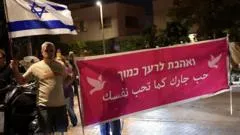
How did the Israeli election results 2026 impact the Knesset balance?
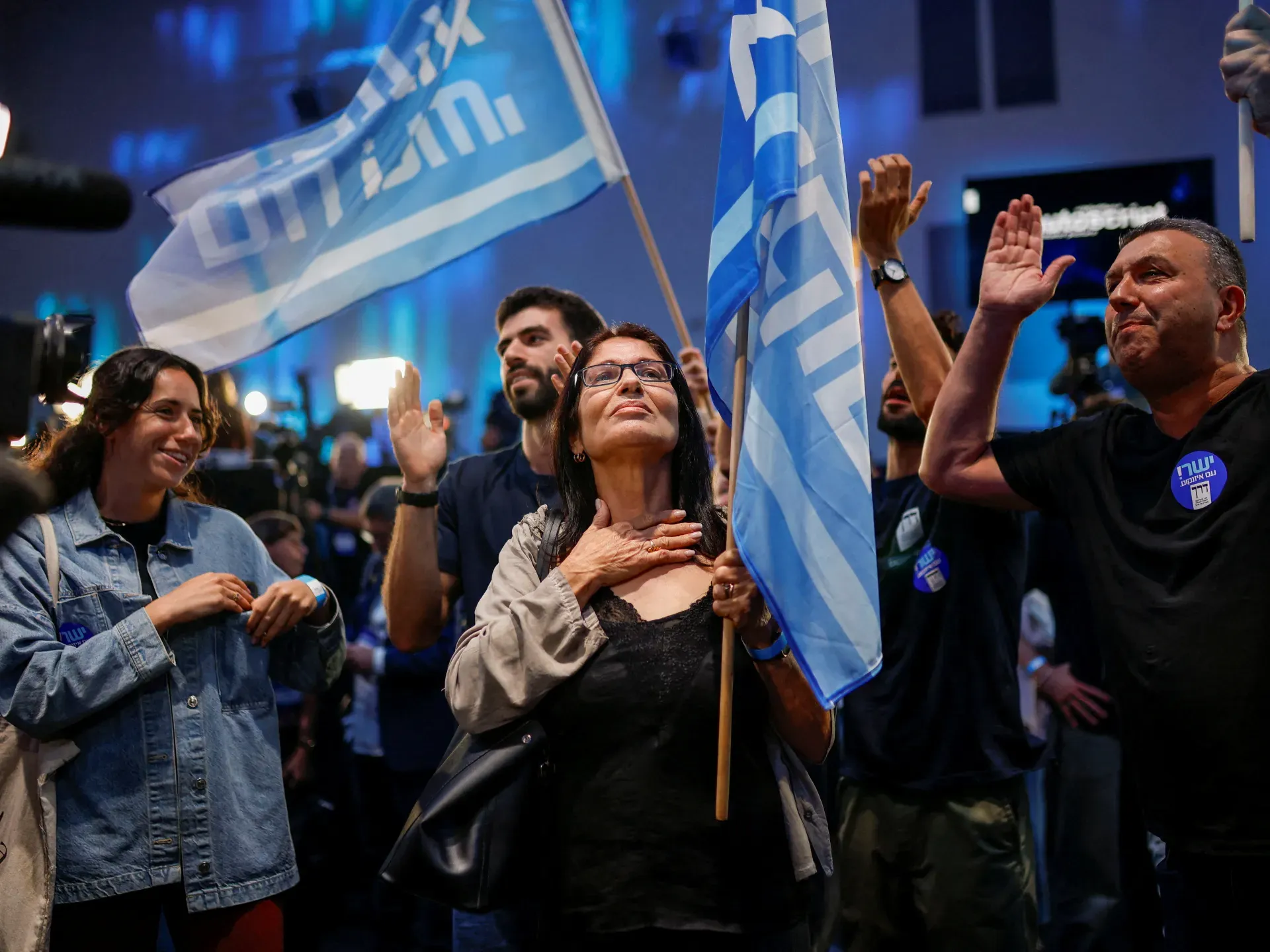
The final tally from the recent elections confirms a fragmented parliament where no single bloc holds the 61 seats required for a majority. Benjamin Netanyahu's Likud-led coalition secured 53 seats, falling short of a mandate, while the primary opposition led by Gadi Eisenkot obtained 48 seats. This distribution places the 19 seats held by Arab-led parties—specifically The Joint List and Ra'am—at the center of the power struggle.
The surge in Arab voter turnout was a decisive factor in the outcome. Historically, many Arab Israelis, who constitute approximately one-fifth of the population, have boycotted elections to protest what they describe as a system of second-class citizenship. However, the recent election saw a significant shift in engagement, driven by a desire to remove the most right-wing government in Israel's history. This demographic shift has transformed the Arab parties into potential kingmakers in the upcoming government formation process.
The role of the Arab-led parties
The Joint List and Ra'am defied previous expectations by capturing a record 19 seats. This result fundamentally alters the arithmetic of the Knesset, as both major blocs are now dependent on these representatives to reach a governing threshold. For Eisenkot, this presents a strategic dilemma: while his bloc's only viable path to power may involve cooperation with these parties, political pressure remains high regarding such an alliance.
Why are there allegations of foreign interference in the election?
The Likud party has accused Arab-led parties of "stealing" the election through illegal foreign influence, specifically citing potential funding from Qatar and Turkey. Following these claims, the head of the Central Elections Committee (CEC) requested that the Shin Bet, Israel's home security agency, investigate suspicions of foreign interference. The allegations suggest that external funds may have been used to artificially inflate voter turnout within Arab communities.
The response from international and domestic actors has been swift and condemnatory. Qatar's Foreign Ministry issued a statement calling the allegations "ridiculous and dangerous," further accusing Israeli politicians of orchestrating a disinformation campaign against Doha. Within Israel, the Joint List has dismissed the claims as baseless, with Balad chairman Sami Abu Shehadeh describing the accusations as a "racist blood libel" intended to overturn the democratic will of the voters.
The Shin Bet and CEC response
Despite the intensity of the political rhetoric, security and electoral officials have provided a more tempered assessment. The Shin Bet clarified that its investigation does not implicate the entire Arab community that participated in the legal voting process. Furthermore, Dean Livne, the acting Director General of the CEC, stated there was no evidence to support claims of systematic violations regarding the integrity of the election. These clarifications suggest that while investigations are ongoing, the legal basis for overturning results remains unproven.
What are the potential paths to forming a new government?
The constitutional process for government formation in Israel provides a specific timeline for the President to resolve the current deadlock. Under Israeli protocol, the President will first nominate a party leader believed to have the best chance of forming a majority. That nominee has 42 days to build a coalition. If they fail, a second nominee is granted 28 days, followed by a third candidate with 14 days. If no government is established within these windows, new elections must be called.
Currently, three primary scenarios exist for the formation of a government:
- A National Unity Government: A grand coalition involving both Benjamin Netanyahu and Gadi Eisenkot.
- A Right-Wing Coalition: A government led by Netanyahu, potentially supported by defectors from Eisenkot's bloc.
- An Eisenkot-led Government: A coalition led by the opposition that relies on the support of the Arab parties.
While Eisenkot's bloc has historically resisted partnering with Arab parties, recent data suggests a shift in public sentiment. A snap poll conducted by Hebrew University indicated that the most popular option among voters in the opposition bloc is for Eisenkot to form a minority government with Ra'am, supported from the outside by the Joint List.
How has Netanyahu responded to the election outcome?
Prime Minister Benjamin Netanyahu has framed the election results and the subsequent surge in Arab turnout as a "political earthquake" and an "attack on democracy." Throughout the election period, he utilized social media to characterize the high participation rates among Arab voters as an "emergency" and a "matter of life or death" for the Israeli right. This rhetoric was accompanied by the use of AI-generated imagery of Arab voters at polling stations, intended to mobilize his base.
Critics argue that this approach is a calculated attempt to delegitimize the election results. Gadi Eisenkot has accused the Prime Minister of running an "orchestrated and organized campaign" to undermine the validity of the vote. By casting doubt on the legitimacy of the Arab vote, critics suggest Netanyahu is attempting to make it politically impossible for his rivals to form a coalition that includes Arab representatives, even if such a coalition is the only mathematical way to achieve a majority.
FAQ: Israeli Election 2026
What was the final seat count for the major blocs?
The final results showed that Netanyahu's Likud-led bloc won 53 seats, while Gadi Eisenkot's opposition bloc secured 48 seats. The Arab-led parties, including the Joint List and Ra'am, won a record 19 seats, preventing either major group from reaching the 61-seat majority required to govern alone.
Is there evidence of foreign funding in the election?
While the Likud party has alleged that Qatar and Turkey provided illegal funding to increase Arab voter turnout, no systematic violations have been proven. The acting Director General of the CEC, Dean Livne, stated there is no basis for claims of systematic integrity violations, and the Shin Bet is still investigating the specific suspicions.
What happens if no government is formed?
If the President's nominees fail to form a government within the allotted timeframes (42, 28, and 14 days respectively), the Knesset will be dissolved. This would trigger the calling of new elections to attempt to resolve the parliamentary deadlock and establish a functioning government.
Why did Arab voter turnout increase so significantly?
The increase in turnout was driven by a desire among Arab Israelis to influence the political landscape and potentially oust the current right-wing government. Despite historical boycotts, many voters viewed the election as a critical opportunity to participate in the democratic process and change the country's leadership.
Can Gadi Eisenkot form a government with Arab parties?
While Eisenkot's bloc has previously refused to enter coalitions with Arab parties, it remains a mathematically plausible route to power. Recent polling from Hebrew University suggests that a significant portion of the opposition electorate supports a minority government led by Eisenkot with support from Ra'am and the Joint List.
Key takeaways
- No single political bloc achieved a majority in the 120-seat Knesset.
- Arab-led parties secured 19 seats, making them essential kingmakers.
- The Shin Bet is investigating allegations of foreign interference from Qatar and Turkey.
- The President has a specific legal window to facilitate government formation.
- A national unity government or an Eisenkot-led coalition are the primary options.
The path forward for Israeli democracy
The 2026 election results have placed Israel in a period of intense political uncertainty. The tension between the necessity of coalition-building and the rhetoric of delegitimization creates a fragile environment for the incoming administration. Whether the country moves toward a broad national unity government or enters another cycle of elections will depend on the ability of the political leaders to navigate the legal requirements of the Knesset and the deep societal divisions revealed by the recent vote. The outcome of the Shin Bet's investigation may also play a decisive role in determining the legitimacy of the next government.