Why are the Israeli election results facing legitimacy challenges?
The legitimacy of the 2026 election results is being contested by Prime Minister Benyamin Netanyahu, who has utilized social media to claim the vote was 'stolen.' Netanyahu has specifically directed these accusations toward Arab-led political parties that achieved significant gains during the recent polling. He alleged that these parties accepted illicit funding from Qatar to influence the outcome, a claim that the Qatari government has formally rejected, labeling it a disinformation campaign.
In response to these assertions, the Central Elections Committee has taken a firm stance on the sanctity of the vote. Noam Sohlberg, the head of the committee, stated in a video broadcast on Sunday that the election results would stand regardless of whether suspicions of foreign interference are substantiated. This statement was made in the company of the head of the Shin Bet, Israel's internal security agency, and the attorney general, signaling a unified institutional front to protect the electoral process.
Institutional responses to interference claims
The presence of high-ranking security and legal officials in the committee's announcement serves to reinforce the official position that the integrity of the electoral process remains intact. By asserting that even substantiated interference would not undermine the overall results, the committee aims to prevent political disputes from escalating into a broader crisis of democratic confidence.
How does the parliamentary deadlock affect government formation?
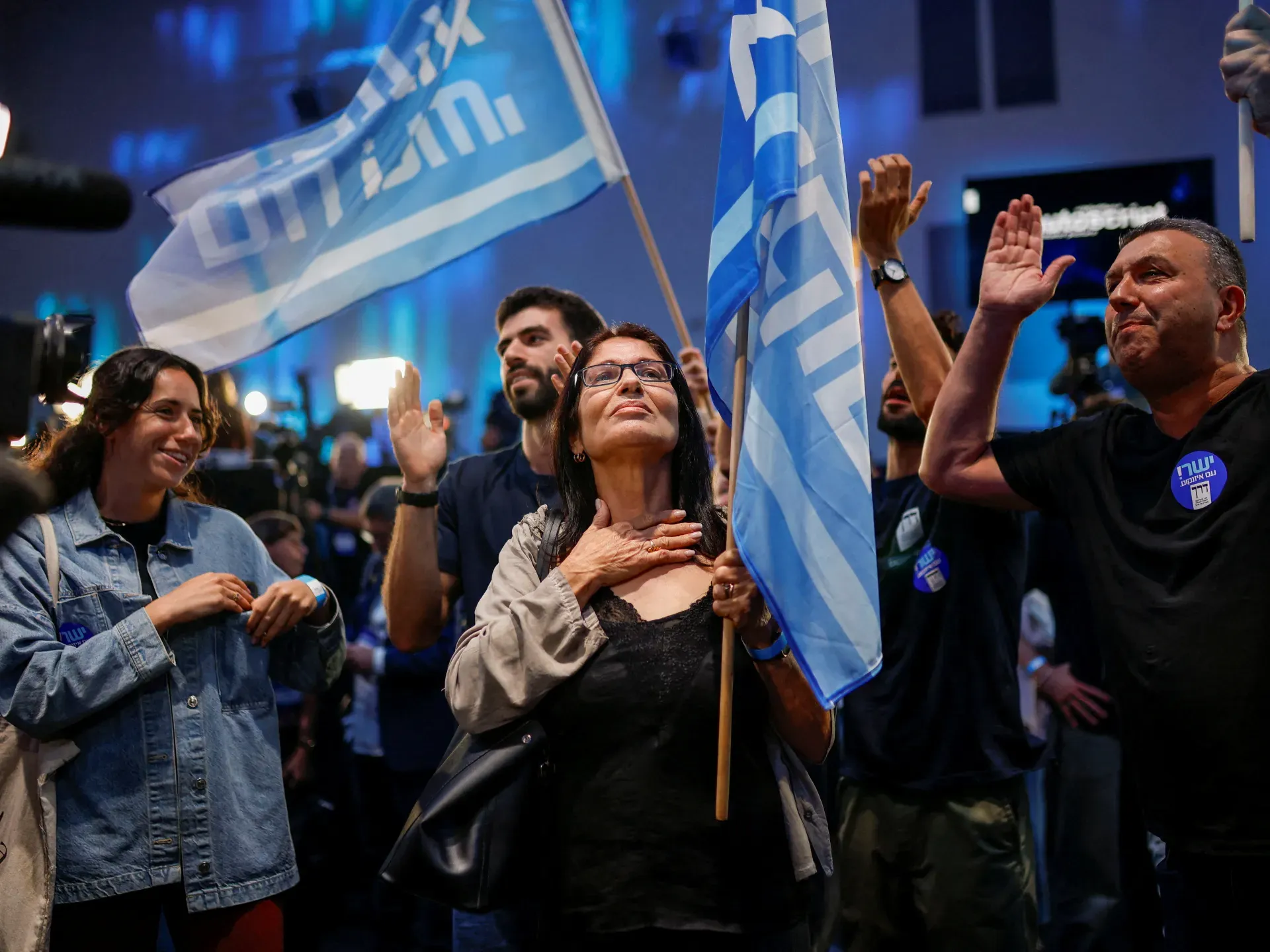
The 2026 election has left Israel in a state of political paralysis because neither the governing bloc nor the opposition has secured a majority in the 120-seat Knesset. According to the election totals, Netanyahu's Likud-led bloc secured 53 seats, while the opposition bloc, headed by Gadi Eisenkot, achieved 48 seats. This distribution means that neither leader can independently command the 61 seats required to form a stable government.
The remaining seats are held by various smaller parties, most notably the three Arab-led parties which won a record 19 seats. This distribution creates a mathematical path toward a majority, but it also introduces significant political friction. The path to stability depends on whether the opposition can bridge the gap with these minority blocs or if Netanyahu can consolidate enough support to overcome the deficit.
What role did the Arab-led parties play in the 2026 results?
Arab-led parties, including the Ra’am party, emerged as a decisive force in this election cycle, capturing a record 19 seats in the parliament. This surge in representation has placed them at the center of the coalition negotiations, despite the intense scrutiny and accusations leveled against them by the current administration. The Ra’am party, led by Mansour Abbas, has become a focal point of both political opportunity and controversy.
The parties have faced legal challenges during the election period. Israeli police arrested three political activists prior to the polls, alleging they were carrying envelopes of cash intended to bribe voters. Two of these individuals, who are reportedly connected to the Ra’am party, were released, with one placed under house arrest. Mansour Abbas has condemned these arrests, describing them as an undemocratic attempt to manipulate the election results.
The impact of the Ra’am party's seat count
With 8 seats won by Ra’am alone, the party's influence is disproportionate to its size relative to the larger Likud or opposition blocs. Their ability to act as a 'kingmaker' is the primary driver behind the current political deadlock, as their support is essential for any leader seeking to reach the 61-seat threshold.
Can a Jewish-Arab coalition break the current impasse?
A coalition involving the main opposition leader, Gadi Eisenkot, and the Arab-led parties could theoretically provide a comfortable majority of 67 seats in the Knesset. This would allow for the formation of a government that bypasses the Likud bloc. However, the political feasibility of such an arrangement is highly contested within the Israeli electorate and the political establishment.
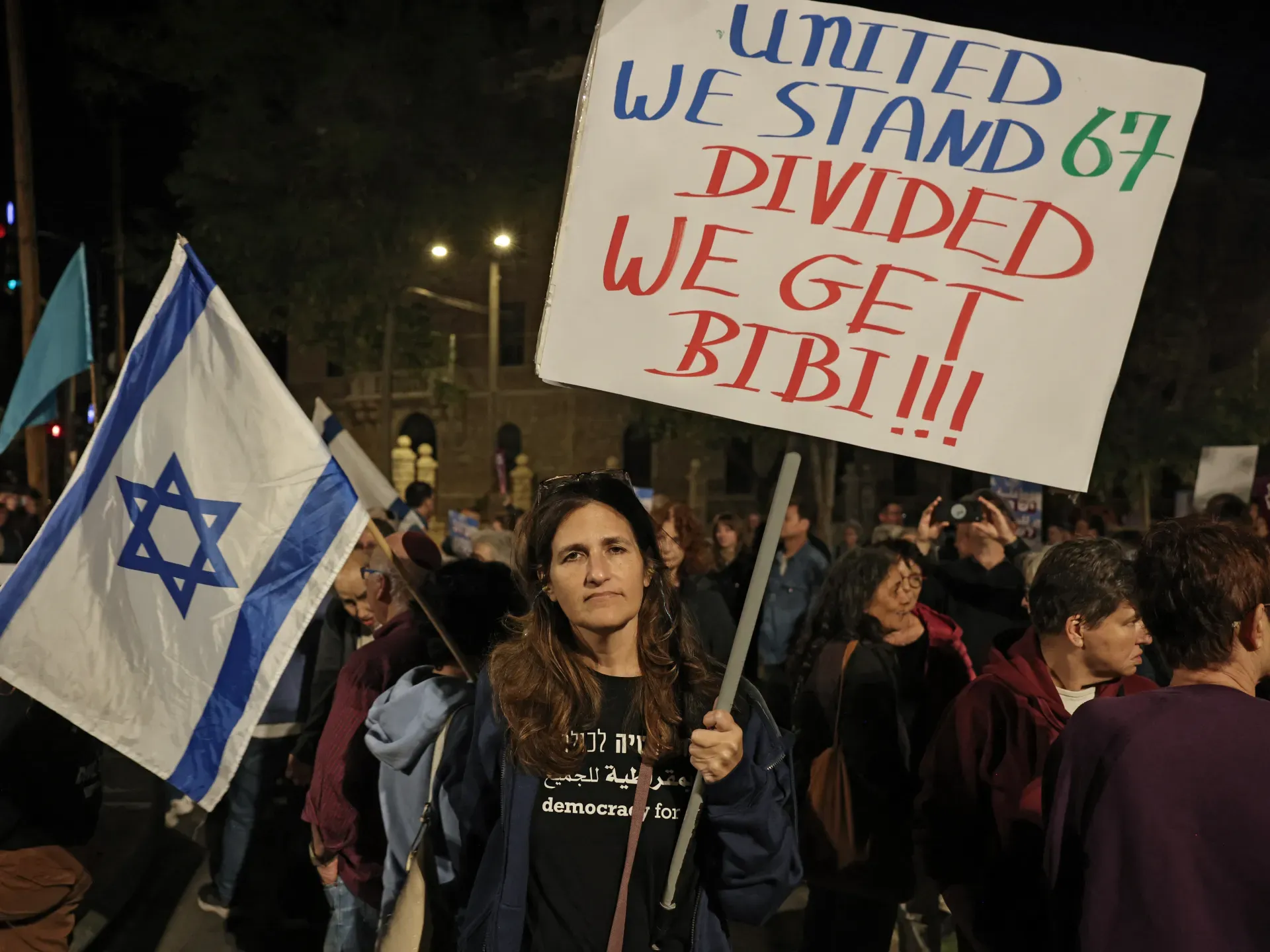
While a Jewish-Arab coalition offers a mathematical solution to the deadlock, it remains a deeply polarizing prospect. Eisenkot has previously stated that he would rule out forming a coalition with Arab parties. Nevertheless, the current deadlock may force a reassessment of these positions. For many voters and politicians, the idea of a coalition involving Arab parties remains politically unpalatable, creating a tension between mathematical necessity and political reality.
What are the next steps in the Israeli political process?
The immediate future of the Israeli government depends on the official certification of the election results, which is expected to occur this week. Once the results are certified, the constitutional process moves to the presidency. President Isaac Herzog is tasked with nominating a candidate who has the best chance of forming a government and securing a vote of confidence in the Knesset.
The period between certification and the nomination will likely be marked by intense coalition wrangling. The primary question facing the country is whether the opposition can find a way to consolidate enough support to present a viable alternative to Netanyahu, or if the deadlock will necessitate further political maneuvering or even another election cycle.
FAQ: Israel election 2026
What was the final seat count for the main blocs?
The Netanyahu-led Likud bloc won 53 seats, while the opposition bloc led by Gadi Eisenkot won 48 seats. The three Arab-led parties collectively secured 19 seats, leaving the 120-seat parliament in a deadlock where no single bloc holds a majority.
Did the election commission address the claims of foreign interference?
Yes, the head of the Central Elections Committee, Noam Sohlberg, stated that even if suspicions of foreign interference are proven true, the integrity of the election results would not be undermined and the results would still stand.
What are the allegations regarding the Ra’am party?
Prime Minister Netanyahu alleged that Arab-led parties, including Ra’am, accepted funding from Qatar to influence the election. These claims were made without providing evidence, and Qatar has officially denied the allegations, calling them a disinformation campaign.
Were there any reports of voter bribery during the election?
Israeli police arrested three political activists allegedly involved in carrying cash to bribe voters. Two suspects connected to the Ra’am party were released, with one being placed under house arrest, though the party leader has called these arrests undemocratic.
How can a new government be formed following the deadlock?
After the results are officially certified this week, President Isaac Herzog must nominate a candidate to form a government. A coalition of the opposition and Arab parties could reach 67 seats, but such a move faces significant political opposition.
Key takeaways
- The 2026 election resulted in a deadlock with 53 seats for Netanyahu and 48 for Eisenkot.
- Arab-led parties secured a record 19 seats, potentially acting as a coalition kingmaker.
- The Central Elections Committee ruled that election results remain valid despite interference claims.
- President Isaac Herzog will nominate a candidate for government following official certification this week.
Conclusion
The 2026 Israeli election has moved from a contest of votes to a complex battle over legitimacy and coalition math. While Prime Minister Netanyahu has challenged the results through allegations of foreign interference and bribery, the institutional response from the Central Elections Committee has been to uphold the electoral integrity. The central tension now lies in the Knesset: can the opposition bridge ideological divides to form a Jewish-Arab coalition, or will the deadlock persist? As President Herzog prepares to nominate a candidate, the country remains caught between mathematical possibilities and deep-seated political divisions.