Why are protesters calling for a Jewish-Arab coalition?
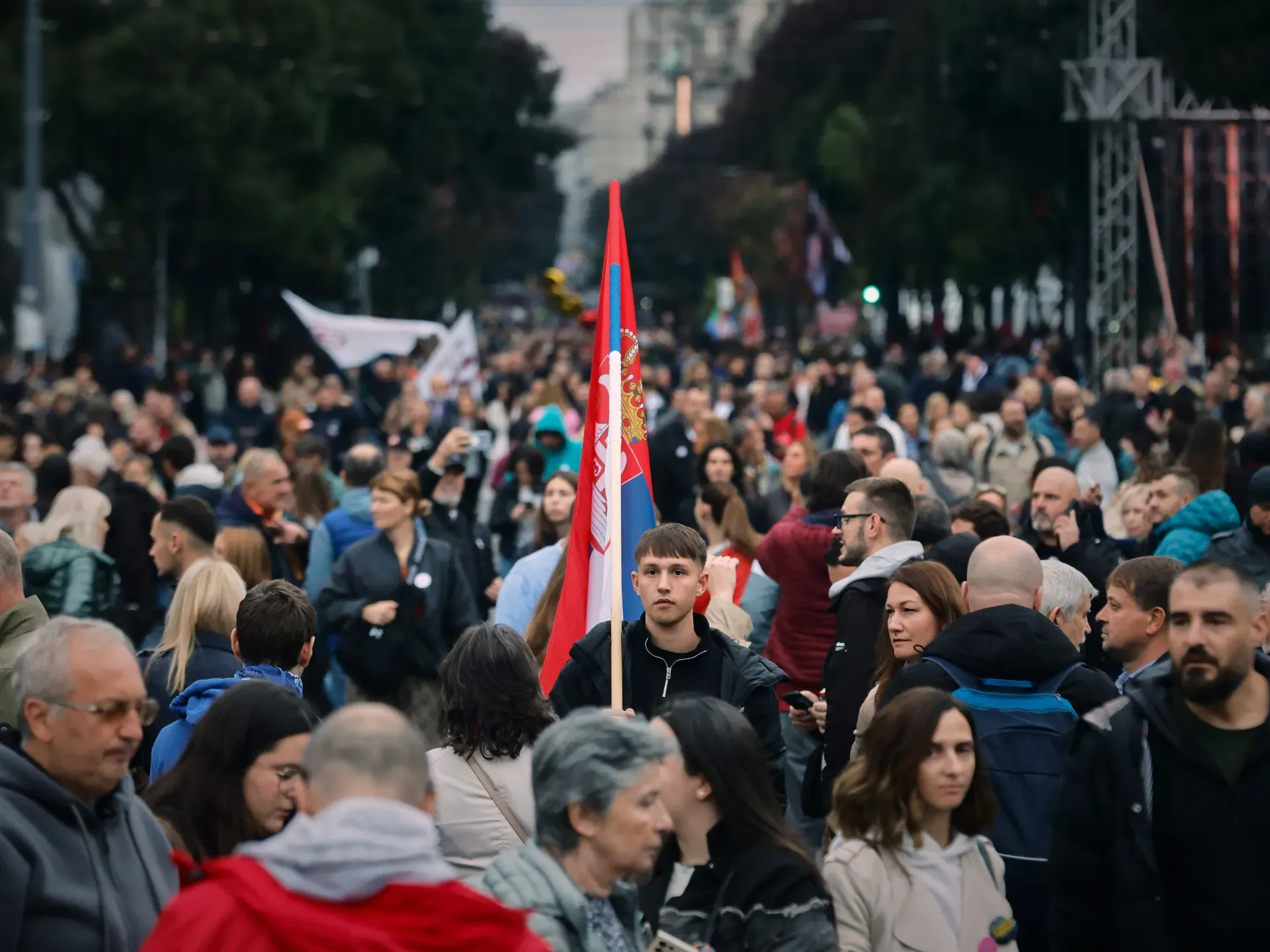
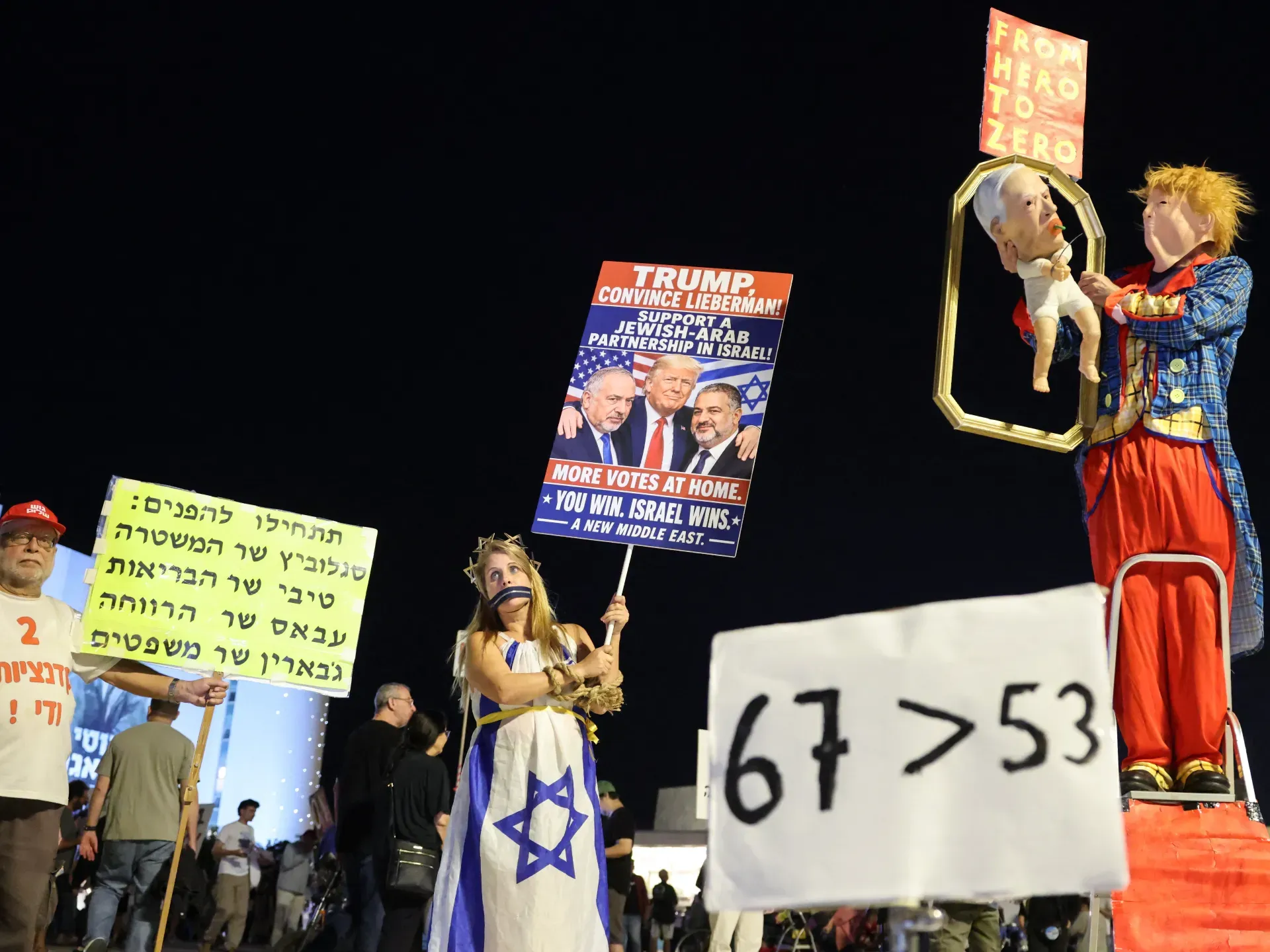
Thousands of demonstrators gathered in Tel Aviv on October 31, 2026, to demand that the Israeli opposition form a government in partnership with Arab parties. The rally, held at Habima Square, focused on the necessity of removing Prime Minister Benjamin Netanyahu from power. Protesters expressed a sense of urgency, with some participants telling the AFP news agency that this moment represents the "last chance for real change" in the country's leadership.
The central grievance of the protesters is the perceived manipulation of the political system by Netanyahu, whom they described as a "great manipulator." The movement seeks to bridge the ethnic divide in Israeli politics to create a viable alternative to the current administration. However, this demand faces significant institutional and social headwinds, as the path to a coalition involving Arab parties remains highly contentious within the Israeli electorate.
What was the outcome of the 2026 Israeli general elections?
The general elections held on Tuesday resulted in a fragmented parliament where no single bloc holds the 61 seats required for a majority. The distribution of the 120 seats in the Knesset is as follows:
| Political Bloc/Group | Seats Won |
|---|---|
| Netanyahu Bloc | 53 |
| Eisenkot (Opposition) | 48 |
| Arab-led Parties | 19 |
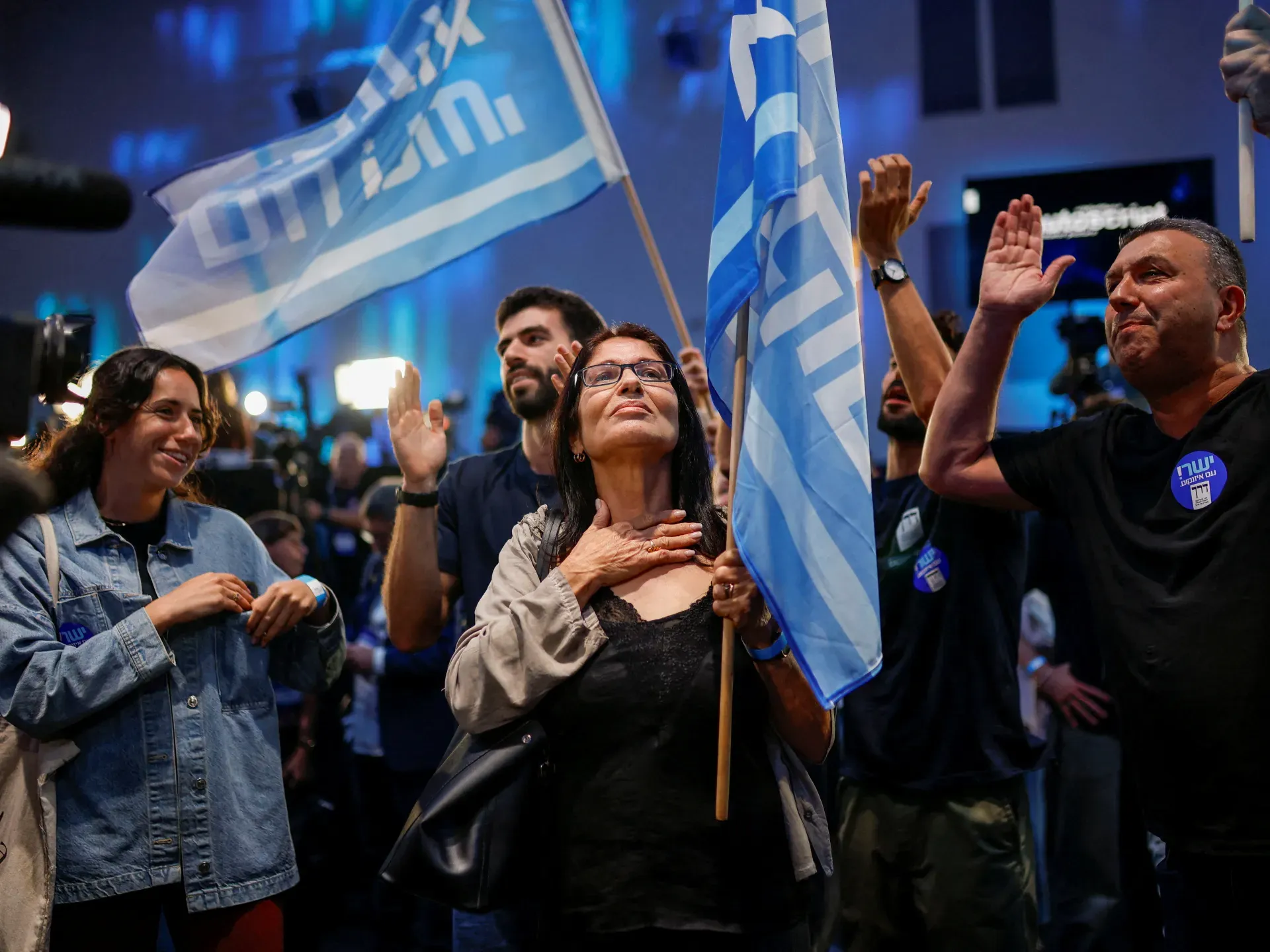
The results highlight a deeply divided nation. While Netanyahu's bloc remains the largest single entity, it falls eight seats short of a majority. Conversely, the main opposition leader, Gadi Eisenkot, is also unable to form a government independently. This mathematical reality places the 19 seats held by Arab-led parties at the center of the political struggle, as they effectively hold the balance of power in the Knesset.
How did Arab-led parties perform in the recent vote?
Arab-led parties achieved significant electoral gains during the Tuesday polls, securing a total of 19 seats. This success was driven largely by the Ra’am and Joint List coalition, which saw a substantial increase in voter engagement. According to the Central Election Committee, nearly 840,000 people cast their votes for these parties, representing a 64 percent increase compared to the previous elections held in 2022.
This surge in support has fundamentally altered the math of government formation. If Gadi Eisenkot were to successfully negotiate a coalition with these Arab-led factions, the resulting government would command a comfortable majority of 67 seats. This potential outcome has transformed the role of Palestinian-Israeli citizens from a minority demographic into a pivotal political force capable of determining the country's executive leadership.
The impact of the Arab electoral surge
The increased participation of Arab voters has sparked intense debate regarding the legitimacy and nature of their political influence. While the growth in seats reflects a mobilized constituency, it has also become a lightning rod for criticism from right-wing sectors of Israeli society. The shift in power dynamics means that any attempt by the opposition to secure a majority will likely require addressing the complex socio-political integration of these parties into the mainstream legislative process.
What are the primary obstacles to a coalition between Eisenkot and Arab parties?
The most significant obstacle is the political stance of Gadi Eisenkot himself, who has previously ruled out the possibility of forming a coalition with Israel's Arab parties. While the deadlock in the 120-seat parliament may force a reconsideration of this position, the move remains highly controversial. For many segments of the Jewish-Israeli electorate, partnering with Arab-led parties is viewed as politically unpalatable.
The opposition to such a coalition is not merely political but is also characterized by intense rhetoric and accusations. Prime Minister Netanyahu has actively campaigned against the idea, accusing Palestinian-Israeli parties of "stealing" the polls. Furthermore, Netanyahu has alleged that these parties have accepted funding from Qatar to influence the election results. These claims have been met with firm denials from Qatar, which has characterized the allegations as a disinformation campaign.
The tension is further exacerbated by the rhetoric used by right-wing circles. According to Al Jazeera correspondent Nour Odeh, some groups have described the historic turnout of Palestinian Israelis as "electoral terrorism," drawing comparisons to the October 7th attacks. This comparison seeks to delegitimize the democratic participation of Arab citizens by equating their votes with the violent actions of Hamas-led fighters who killed more than 1,200 people during the southern Israel incursion.
How did counter-protesters respond to the Tel Aviv rallies?
The demonstrations in Tel Aviv were met with immediate counter-protests from supporters of Benjamin Netanyahu. These counter-protesters expressed a diametrically opposed vision for the country's future, focusing on the exclusion of Arab parties from the halls of power. Their primary demand was that Israel should not be governed by a coalition that includes individuals they categorize as "terrorists."
This clash of ideologies on the streets of Tel Aviv mirrors the deep fractures within the Knesset. The presence of both groups at the same demonstrations underscores the volatility of the current political moment. As the country moves toward the next phase of government formation, the tension between the demand for a broad, inclusive coalition and the demand for a government that excludes Arab-led parties remains the defining conflict of the 2026 election cycle.
Frequently asked questions
Who is the main leader of the Israeli opposition?
Gadi Eisenkot is the leader of the main opposition bloc. Following the 2026 elections, his party secured 48 seats in the 120-seat Knesset. He is currently at the center of debates regarding whether to form a coalition with Arab-led parties to replace the Netanyahu administration.
What is the current seat count in the Israeli Knesset?
The Knesset consists of 120 seats. Following the recent elections, Netanyahu's bloc holds 53 seats, Eisenkot's opposition holds 48 seats, and Arab-led parties hold 19 seats. This distribution means no single bloc can form a government without external partners.
Why are Arab-led parties significant in this election?
Arab-led parties are significant because they hold 19 seats, making them the kingmakers in the current deadlock. A coalition between the opposition and these parties could create a majority of 67 seats, providing a path to remove Benjamin Netanyahu from office.
What accusations has Netanyahu made against Arab parties?
Benjamin Netanyahu has accused Palestinian-Israeli parties of "stealing" the election results. Additionally, he has alleged that these parties have received funding from Qatar to influence the polls, a claim that Qatar has officially rejected as a disinformation campaign.
How did the 2026 election results compare to 2022?
The 2026 elections saw a significant increase in Arab-led political influence. The Ra’am and Joint List coalition saw a 64 percent increase in votes compared to the 2022 elections, according to the Central Election Committee, totaling nearly 840,000 votes.
Key takeaways
- The 2026 Israeli election resulted in a 120-seat deadlock with no single bloc holding a majority.
- Netanyahu's bloc secured 53 seats, while Gadi Eisenkot's opposition won 48 seats.
- Arab-led parties gained 19 seats, representing a 64 percent increase in votes since 2022.
- Protesters in Tel Aviv are urging a Jewish-Arab coalition to replace the current Prime Minister.
- Political tensions are high due to accusations of foreign funding and "electoral terrorism" rhetoric.
Conclusion
The 2026 Israeli general elections have left the nation in a state of profound political uncertainty. With the 120-seat Knesset divided between a Netanyahu-led bloc, an Eisenkot-led opposition, and a surging Arab-led faction, the path to a stable government is fraught with ideological conflict. While protesters in Tel Aviv see a Jewish-Arab coalition as the only way to achieve systemic change, the political risks and intense social opposition to such an alliance remain formidable. The coming weeks of negotiations will determine whether Israel moves toward a new era of coalition politics or remains locked in a cycle of legislative paralysis and heightened ethnic tension.