Why are governors' races so significant in the 2026 midterms?
The 2026 midterm elections feature an unusually high volume of leadership changes across the United States. While national attention frequently focuses on the battle for control of Congress, the 36 gubernatorial races scheduled for this year represent a major shift in state-level governance. A key driver of this importance is the prevalence of open seats; in 19 of these races, no incumbent is seeking re-election. This turnover is largely due to constitutional term limits, such as in the case of California Democrat Gavin Newsom, or voluntary decisions not to run again, exemplified by Iowa Republican Kim Reynolds.
Because governors are the most powerful elected officials within their respective states, these vacancies provide opportunities for new political directions. The outcome of these races will determine how state resources are managed and how state laws are enforced for years to come.
How do governors exercise executive power within their states?
Governors function as the chief executives of their states, managing the various government departments and agencies that deliver essential public services. While the specific scope of their authority fluctuates depending on individual state constitutions, their core responsibilities generally include proposing annual budgets, appointing high-ranking state officials, and directing the enforcement of existing laws through state agencies.
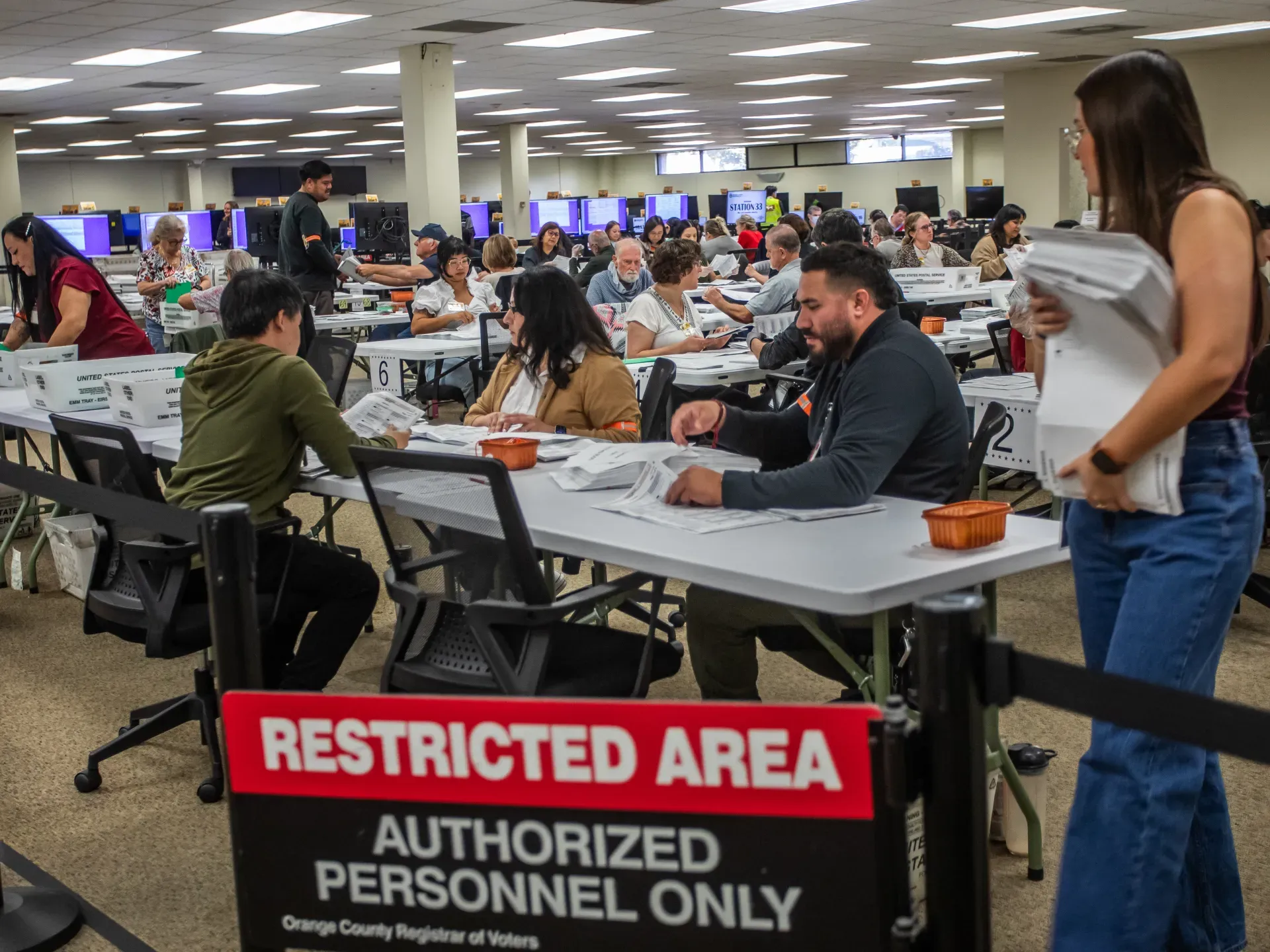
Furthermore, governors hold significant legislative influence through their power to sign or veto bills passed by state legislatures. This ability allows them to shape the legal landscape of their states unilaterally or through negotiation. Their influence extends to the administration of elections, where they may appoint officials responsible for overseeing voting processes or sign legislation that alters voting rules and procedures.
The scope of gubernatorial authority
The level of influence a governor wields can vary significantly. In some jurisdictions, the governor acts as a central coordinator for all state agencies, while in others, certain departments may operate with more independence. However, the power to issue executive orders remains a common tool for rapid policy implementation, allowing governors to bypass legislative delays in certain administrative areas.
What is the impact of governors on reproductive rights?
Since the US Supreme Court's 2022 decision removed the constitutional right to abortion access, governors have become pivotal figures in the regulation of reproductive healthcare. With 13 state legislatures having already passed complete or near-total bans on the procedure, the executive branch in various states has become a primary site for legal and social contestation.
Governors can use their office to protect access or enforce restrictions. According to the Guttmacher Institute, a US-based reproductive rights organization, approximately a dozen governors have utilized executive orders to "mitigate" the consequences of state-level bans. By issuing these orders, governors can provide immediate protections for both patients and healthcare providers. This mechanism has proven particularly vital in states like North Carolina, where a supportive governor can act as a counterbalance to a legislature that does not favor abortion rights.
How do governors influence the relationship with the federal government?
State executives play a critical role in determining how individual states interact with Washington, D.C. Governors can choose to challenge federal policies through the court system or engage in direct negotiations with the White House regarding funding and the specific requirements of federal programs. This dynamic is particularly visible in the implementation of federally funded initiatives.
A historical precedent for this tension was seen following the 2010 passage of the Affordable Care Act (ACA). The decision to expand Medicaid—a program for low-income households—was largely left to the discretion of individual states. Some governors, such as Steve Beshear of Kentucky and Earl Ray Tomblin of West Virginia, used executive orders in 2013 to implement Medicaid expansion despite legislative opposition. Conversely, leaders like then-Governor Rick Scott of Florida actively opposed the expansion, directing their legislatures to reject it. This illustrates how a single governor can dictate whether a state participates in or resists national healthcare trends.
Can governors use their positions to reach the presidency?
The governorship is a traditional stepping stone to the White House, providing a high-profile platform to demonstrate administrative competence and political leadership. The historical success of this path is notable: at least 17 former US presidents, including Ronald Reagan, Bill Clinton, and George W. Bush, served as governors before ascending to the presidency.
However, the path is not without significant risks. A governor's record of state-level decision-making can become a liability during a national campaign. The Eagleton Institute of Politics estimates that only 53 percent of presidential nominees who previously held governorships were ultimately successful in their bids for the presidency.
Lessons from failed presidential bids
The case of former New Jersey Governor Chris Christie serves as a cautionary example. During the 2016 election cycle, Christie sought the Republican nomination but withdrew in February of that year. His candidacy was hampered by criticisms of his tenure as governor, including the "Bridgegate" scandal involving the closure of a major roadway, and public backlash regarding his handling of Hurricane Sandy in 2012. Such instances demonstrate that state-level controversies can easily translate into national political obstacles.
How do the 2026 races set the stage for 2028?
The outcome of the 2026 midterms will likely serve as a precursor to the 2028 presidential election. As several prominent governors reach the end of their terms or face re-election, their performance will be closely watched by national party leaders. For example, California Governor Gavin Newsom, who is term-limited and cannot run again this year, is widely viewed as a potential frontrunner for the Democratic nomination in 2028, particularly given his profile as a critic of President Donald Trump.
Other current governors are also using the 2026 cycle to solidify their national standing. Candidates such as Wes Moore of Maryland and Josh Shapiro of Pennsylvania are engaged in re-election efforts that could function as essential previews for their future ambitions on the national stage.
Frequently asked questions
How many states are holding gubernatorial elections in 2026?
A total of 36 US states are scheduled to vote for their next governor during the 2026 midterm elections. This represents a significant portion of the country and a major opportunity for political shifts in state leadership.
Why are there so many open seats this year?
The high number of open seats is driven by two main factors: constitutional term limits, which prevent certain governors from running for a third term, and voluntary decisions by incumbents to step down from office rather than seek re-election.
Can a governor influence abortion access without a legislature?
Yes, governors can use executive orders to provide certain protections for patients and providers. This can help mitigate the impact of restrictive state laws, particularly in states where the governor's political stance differs from that of the state legislature.
What is the success rate for former governors running for president?
The success rate is approximately 53 percent. According to the Eagleton Institute of Politics, just over half of the presidential nominees who previously served as governors have successfully won the presidency.
How do governors affect federal programs like Medicaid?
Governors influence federal programs by deciding whether to adopt specific expansions or requirements. They can use executive orders to implement programs like Medicaid expansion even if the state legislature opposes the move, as seen in several states following the Affordable Care Act.
Key takeaways
- Thirty-six US states will hold gubernatorial elections during the 2026 midterm cycle.
- Nineteen of these races feature open seats due to term limits or voluntary departures.
- Governors can use executive orders to influence reproductive rights and healthcare access.
- Approximately 53 percent of former governors who seek the presidency are successful.
- The 2026 elections are expected to influence the 2028 presidential candidate field.
Conclusion
The 2026 gubernatorial elections represent much more than local administrative changes; they are a critical barometer for the nation's political direction. With significant turnover in 36 states, the outcomes will shape the legal landscape regarding reproductive rights, the effectiveness of federal program implementation, and the strength of future presidential contenders. As governors navigate the complexities of state budgets, legislative vetoes, and federal relations, their decisions today will directly influence the political dynamics of the 2028 presidential cycle and the broader governance of the United States.