How do fake polls gain credibility in the US media ecosystem?
Fake polls bypass traditional gatekeepers by providing seemingly legitimate documentation regarding methodology, personnel, and funding. The Wedgewood Polls case demonstrates that even high-profile institutions can be misled. The New York Times reported that its polling tracker had included 15 Wedgewood surveys between June and October 2026, only removing them after the firm admitted the data was fictitious.
The vulnerability lies in the reliance on transparency-on-paper. Polling aggregators, which are essential for helping journalists and voters navigate a dense field of data, often depend on the self-reported credentials of research organizations. When a firm provides answers to standard questions about its structure and processes, it can successfully pass initial verification checks used by major newsrooms.
The role of polling aggregators and verification failures
Polling aggregators serve a critical function by collecting results from various research organizations to provide a clearer picture of public sentiment. However, their value is predicated on the ability to distinguish high-quality research from fraudulent work. The Wedgewood scandal highlights a systemic weakness: a firm can appear compliant with industry standards while producing entirely fabricated datasets. According to the polling and forecasting website FiftyPlusOne, investigators were able to uncover the deception only after identifying inconsistencies in raw data and technical identifiers associated with the survey responses. This suggests that current verification methods are often superficial and fail to catch sophisticated data fabrication.
What is the impact of fraudulent polling on political campaigns?
Fraudulent polling results can cause immediate and measurable damage to political candidates, affecting their funding, volunteer morale, and media presence. The experience of Mallory McMorrow, a former Democratic Senate primary candidate in Michigan, serves as a stark example of this phenomenon. McMorrow reported that a Wedgewood survey showing her support in the single digits effectively crippled her campaign.
The damage from such polls operates through several channels:
- Resource Depletion: As seen in the McMorrow case, fraudulent low numbers can cause donations to evaporate as supporters shift their financial focus to other races.
- Volunteer Demoralization: Negative, albeit fake, data can sap the energy of grassroots supporters, making it harder to maintain campaign momentum.
- Media Narrative Shifting: Journalists often use polling data to frame the viability of a candidate. Once a fake poll enters the cycle, it can create a self-fulfilling prophecy where the candidate is treated as a non-viable entity regardless of their actual support.
McMorrow described the combined effect of surveys from Wedgewood and Mitchell Research and Communications as a "one-two punch" that forced her to suspend her Senate bid in July 2026, despite her campaign's ads being effective at the time of her withdrawal.
Why does fake polling threaten election integrity?
Fake polling acts as a catalyst for polarization by providing ammunition for partisan actors to delegitimize the entire electoral process. Researchers at the University of Washington’s Center for an Informed Public found that while discussions of the Wedgewood admission initially remained within expert circles, the story quickly moved to influential political commentators and partisan accounts.
The controversy has been leveraged to create a narrative that polling is systematically biased. In the 24 hours following the revelation, right-wing media ecosystems successfully framed the story to suggest that any poll favoring Democrats in close races should be viewed with skepticism. This tactic turns a specific instance of fraud into a generalized argument against the reliability of all election-related data.
Political exploitation of polling scandals
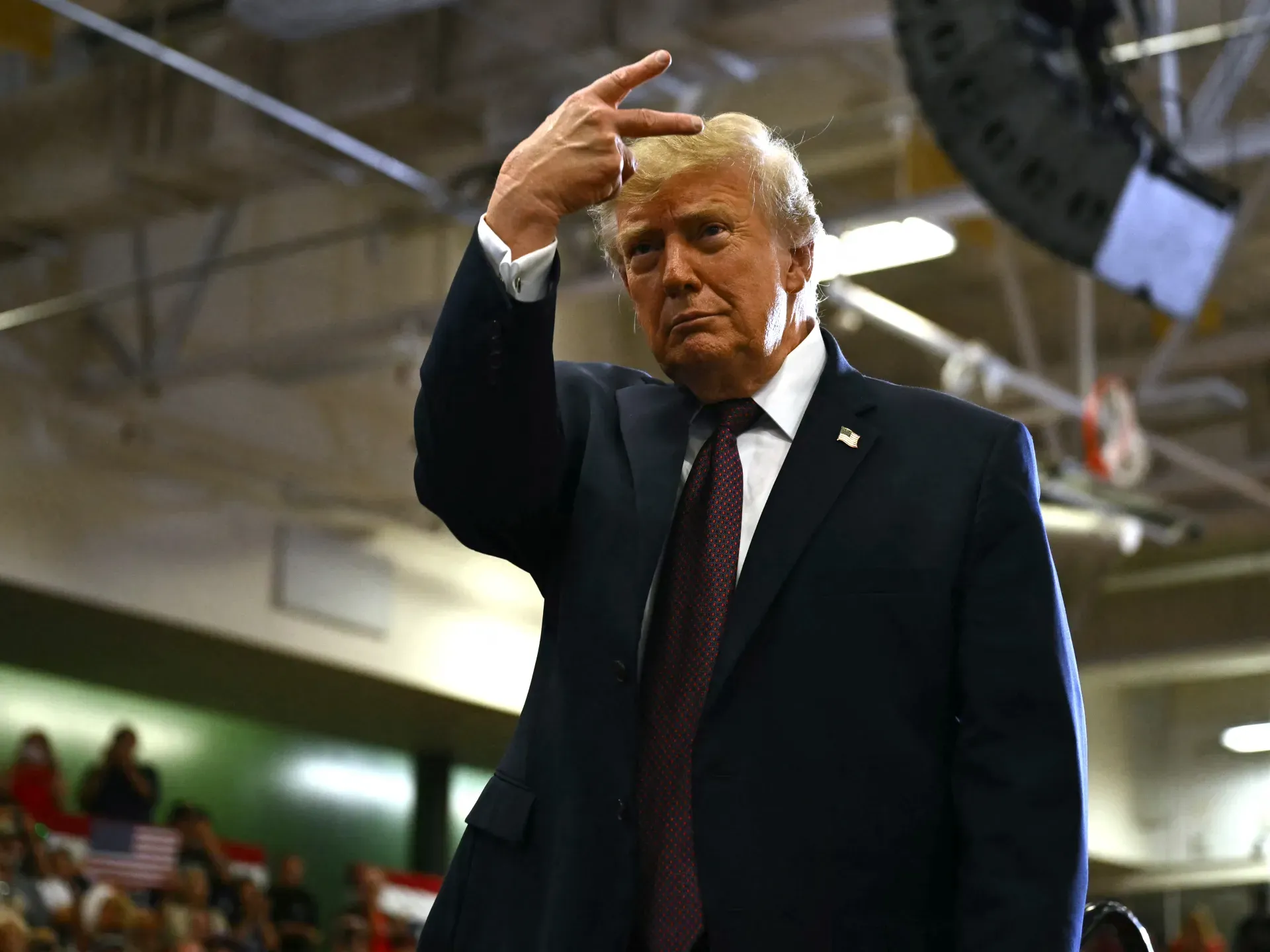
Political leaders have actively used these instances of misinformation to attack the credibility of the press and democratic institutions. Following the Wedgewood admission, Donald Trump utilized his Truth Social platform to criticize the New York Times for its inclusion of the fake surveys, labeling the outlet "ARTIFICIAL." Beyond mere criticism, such rhetoric serves to reinforce a broader distrust in institutional information. By linking specific journalistic errors to wider conspiracies of electoral fraud, bad actors can effectively insulate their supporters from any data that contradicts their preferred political outcomes.
What measures can be taken to prevent polling fraud?
Currently, there are no specific laws in the United States that criminalize the publication of fake polls. This legal vacuum leaves the polling industry to rely largely on self-regulation and the scrutiny of independent investigators. While some legal scholars and advocacy groups are calling for stricter oversight, the barrier to entry for creating a "polling firm" remains remarkably low.
Preventative strategies discussed by experts include:
- Enhanced Technical Auditing: Moving beyond checking "on-paper" credentials to performing deep audits of raw data and technical metadata.
- Increased Accountability for Aggregators: Encouraging polling trackers to implement more rigorous, multi-step verification processes before listing new firms.
- Legal Reform: Exploring potential legislative frameworks that could penalize the intentional dissemination of fraudulent datasets intended to disrupt elections.
The challenge remains that even when these fraudulent firms are unmasked, the "social experiment" defense allows them to claim they were highlighting vulnerabilities rather than attempting to deceive, complicating efforts to hold them legally or socially accountable.
FAQ: Fake Polling and US Elections
How did Wedgewood Polls justify their fake data?
Wedgewood Polls described their fabrication of data as an "experimental project" or "social experiment." The firm claimed they wanted to demonstrate the low barrier to entry in the polling industry and highlight how easily unverified, low-quality methodology can gain traction among the media and the voting public.
Can fake polls actually change election outcomes?
While they may not change how people vote directly, they can alter the environment of an election. As demonstrated by Mallory McMorrow, fake polls can drain campaign resources, discourage donors, and demoralize volunteers, which can ultimately lead to a candidate withdrawing from a race.
Which media outlets were affected by the Wedgewood scandal?
The New York Times was one of the prominent outlets affected, as its polling tracker included 15 different surveys from Wedgewood between June and October 2026. The newspaper subsequently removed these entries once the fraudulent nature of the firm's work was revealed.
Is there any legal penalty for creating fake polls in the US?
There are currently no federal laws in the United States that specifically criminalize the act of publishing fake political polls. This lack of regulation allows firms to operate with significant leeway, often using the guise of "social research" to avoid direct legal consequences for their actions.
How can voters distinguish between real and fake polls?
Voters should look for polls from established organizations with transparent methodologies and a history of reliability. Suspicions can be raised by inconsistencies in data or when a new, unknown firm suddenly produces high-impact results in competitive battleground states without a clear track record.
Key takeaways
- Fake polling firms like Wedgewood use "social experiments" as a defense for fabricating election data.
- Fraudulent surveys have successfully bypassed the verification processes of major news organizations and aggregators.
- Fake data can cause tangible political damage by depleting candidate funding and demoralizing supporters.
- Partisan actors leverage polling scandals to undermine general trust in election integrity and the media.
Conclusion
The emergence of fabricated polling during the 2026 US midterm elections reveals a profound vulnerability in the modern information landscape. By successfully infiltrating mainstream media and influencing campaign dynamics, fraudulent firms have demonstrated that the current safeguards in the polling industry are insufficient. The consequences extend beyond mere inaccuracy; these "experiments" provide a mechanism for political actors to systematically erode public confidence in democratic institutions. Addressing this threat will require more than just improved technical verification; it demands a concerted effort to close legal loopholes and reinforce the standards of transparency that underpin electoral integrity.