Why did el-Sisi announce his departure for 2030?
President Abdel Fattah el-Sisi surprised the international community by stating his intention to step down after his third term ends in April 2030. During a speech at the Egyptian Military Academy, he emphasized that his departure is a settled matter and pledged that the constitution would not be tampered with to facilitate a longer stay. This announcement is significant because it contradicts his previous political trajectory, where he once denied running for president in 2013, only to later lead drives for constitutional amendments in 2019.
Analysts suggest several possible motivations for this sudden shift in rhetoric. One theory is that the announcement serves to consolidate popular support, potentially creating a momentum that could later be used to justify a fourth term through a 'popular call.' A second possibility is that el-Sisi is attempting to preempt a military intervention. Given the country's economic volatility, the military could theoretically force a leader from power to act as a scapegoat for public discontent, much like the transition seen during the 2011 protests against Hosni Mubarak.
The risk of political accountability
Voluntarily relinquishing power presents a profound risk for an authoritarian leader. By exiting the presidency, el-Sisi opens the door for future civilian governments to hold him accountable for his administration's actions. This includes the 2013 coup against Mohamed Morsi, which was marked by massacres and the widespread imprisonment of activists, journalists, and politicians. A successor with a genuine popular mandate might seek to investigate these events or address allegations of corruption and fiscal mismanagement.
How is the Egyptian economy impacting political stability?
The precarious state of the Egyptian economy provides a critical backdrop to any discussion regarding the future of military rule. Severe fiscal instability has created a landscape where political transitions carry heightened stakes. According to recent data, Egypt's national debt has climbed to 81% of its gross domestic product (GDP), creating a situation where interest payments alone surpass the total combined expenditure on education, healthcare, wages, and subsidies.
Currency devaluation and inflation have further eroded the standard of living for much of the population. Since 2014, the Egyptian pound has lost more than 80% of its value against the US dollar. Furthermore, cumulative inflation has been recorded at over 460%. These economic pressures create a volatile environment where the military's interests—both political and economic—are inextricably linked to the stability of the state. If the economy continues to falter, the military may feel compelled to intervene to protect its vast commercial and political interests.
What role does the military play in the transition?
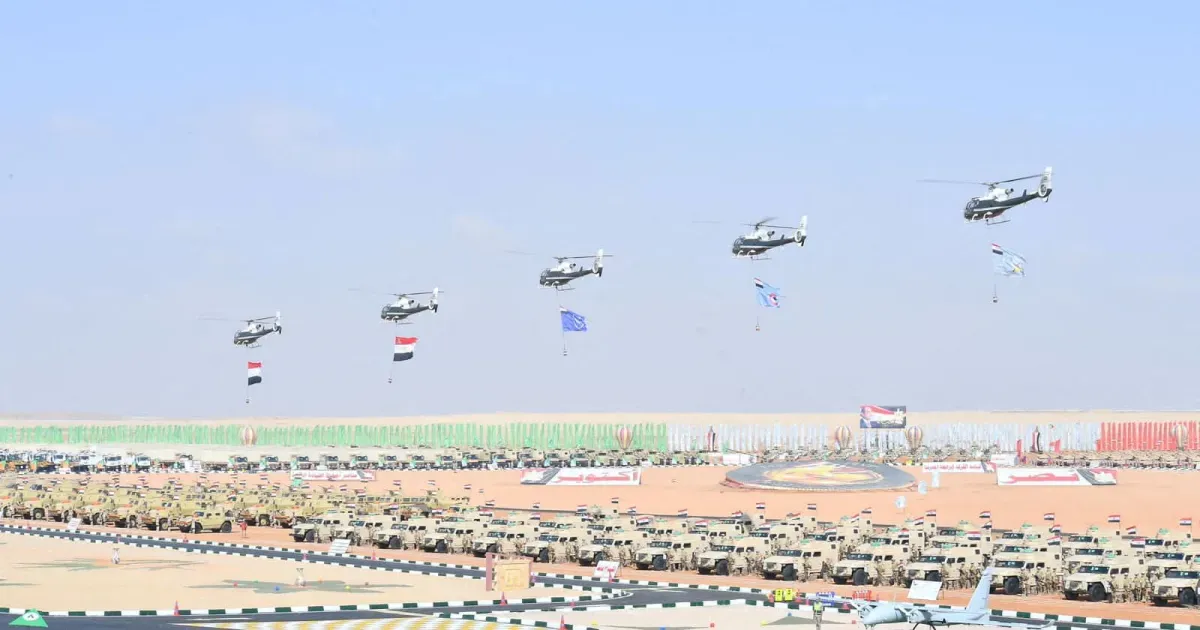
The most likely scenario is that el-Sisi is designing a transition that ensures the survival of military-dominated politics even after his presidency ends. During his announcement, the President specifically cited Article 200 of the Egyptian constitution. This article, which was amended in 2019, grants the armed forces an extraordinary role in maintaining the country's 'democracy' and protecting the 'rights and freedoms' of the people. El-Sisi has framed this role as a necessity to protect the state from being overtaken by those incapable of handling its responsibilities.
This constitutional framework is bolstered by Article 234, which mandates that a president must obtain approval from the Supreme Council of the Armed Forces before appointing a defense minister. Together, these provisions ensure that the military remains the ultimate arbiter of political life in Egypt. Rather than a return to civilian-led democracy, the current trajectory suggests a move toward a more institutionalized form of military oversight that transcends any single individual.
The proposed 'expert committee' mechanism
To formalize this influence, el-Sisi has proposed a new mechanism for selecting future leaders. The plan involves establishing a committee of experts to draft legislation for a specialized training program. Under this proposal, hundreds of highly educated Egyptians would undergo 30 months of intensive training at the Egyptian Military Academy. The criteria for these applicants are stringent: they must hold doctoral degrees and be between 40 and 50 years of age.
This program is not limited to the presidency; it is intended to train future ministers, governors, and members of parliament. By filtering the nation's political leadership through a military-run educational process, the state can ensure that future officials are ideologically aligned with the military's vision of the state. This effectively creates a pipeline of leadership that is technically proficient but remains under the strategic guidance of the armed forces.
Will the Egyptian public accept a military-managed process?
The central uncertainty remains whether the Egyptian public will accept a political process that functions effectively without a traditional popular mandate. While the military seeks to project stability through its proposed leadership training and constitutional safeguards, the population faces mounting frustration due to economic hardship. The transition appears designed to bypass the volatility of elections in favor of a managed, institutionalized succession.
If the military-led process fails to address the underlying economic crises—such as the massive debt-to-GDP ratio and the loss of currency value—public anger may continue to grow. The tension lies between a military establishment determined to shape the future of the state and a citizenry that may eventually demand a more direct role in their governance. Whether the people will have the 'last word' remains the defining question of Egypt's next decade.
Frequently asked questions
What is the current status of el-Sisi's presidency?
President el-Sisi is currently serving his third term. He has announced that he intends to step down in April 2030, meaning he will not run for a fourth term. However, observers remain cautious due to his history of amending the constitution to extend his previous terms.
How much debt does Egypt currently hold?
Egypt's national debt currently stands at 81% of its gross domestic product (GDP). This high level of debt is particularly concerning because the interest payments on this debt exceed the combined national spending on healthcare, education, subsidies, and wages.
What is Article 200 of the Egyptian constitution?
Article 200 is a constitutional provision that grants the Egyptian armed forces an extraordinary role in politics. It tasks the military with protecting the state and its democracy, effectively giving the armed forces a permanent role in overseeing the country's political stability.
How does the military plan to select future leaders?
The proposed plan involves a specialized training program at the Egyptian Military Academy. Highly educated applicants with doctoral degrees would undergo 30 months of training to prepare them for roles as ministers, governors, and members of parliament, ensuring they are aligned with military interests.
What are the main economic challenges in Egypt?
Egypt faces severe economic instability characterized by high inflation and currency devaluation. Since 2014, the Egyptian pound has lost over 80% of its value against the US dollar, and cumulative inflation has exceeded 460%, impacting the cost of living significantly.
Key takeaways
- President el-Sisi has announced his intention to leave office in April 2030.
- Egypt's national debt has reached 81% of its total GDP.
- Cumulative inflation in Egypt has exceeded 460% in recent years.
- The military's role in politics is secured by Articles 200 and 234.
- A new training program aims to vet future political leaders through the military academy.
Conclusion
The announcement of el-Sisi's 2030 departure marks a potential pivot in Egypt's political landscape, yet it does not signal a move toward traditional civilian democracy. Instead, the proposed transition suggests a sophisticated effort to institutionalize military influence through constitutional mandates and specialized leadership training. While this may provide the military with a mechanism to maintain stability and protect its economic interests, it does little to resolve the profound economic crises facing the nation. The long-term success of this managed transition will ultimately depend on whether the military can provide stability or if economic desperation triggers a new wave of popular unrest.