Why is the Democratic Party facing an internal identity crisis?
The Democratic Party is currently grappling with a fundamental disagreement over its core mission and strategic direction. While the party has historically functioned as a 'big tent' capable of housing diverse viewpoints, the current political climate has exacerbated the friction between its various wings. This tension is not merely about specific policies but about the very nature of how the party should operate within the American political system.
Political analysts suggest that the party's current identity is largely reactive. Ruy Teixeira, a senior fellow at the American Enterprise Institute, notes that the party's focus is heavily centered on responding to the Trump administration and capitalizing on the 'thermostatic reaction' against his leadership. However, this reactive stance masks deep-seated ideological differences that have surfaced during the midterm primary cycles.
The divide is broadly categorized into two camps:
- Institutionalists: These members generally favor incremental change, working within existing frameworks to achieve progress and maintaining a centrist appeal to win over moderate voters.
- Reformists: This group, including the progressive left, demands 'root-and-branch' transformation of American institutions, arguing that the current system is incapable of solving modern crises.
This internal friction was arguably suppressed during the 2024 presidential cycle due to the rapid transition from Joe Biden to Kamala Harris, which left little room for a sustained debate over the party's long-term platform. As the party looks toward 2028, these unresolved questions regarding its identity remain a central challenge.
How do different factions view the path to political success?
Different factions within the Democratic Party hold conflicting theories on how to reclaim power and maintain it. The centrist wing typically prioritizes broad electoral appeal, aiming to win back moderate and independent voters who may be wary of radical shifts. In contrast, the progressive wing argues that the party's failure to address systemic issues is exactly what drives voters away.
Usamah Andrabi, representing the Justice Democrats, argues that the party establishment is responsible for the current political landscape. He suggests that the leadership responsible for previous losses should not be the ones tasked with leading the party to future victories. According to Andrabi, the current 'affordability crisis' facing Americans cannot be solved through 'tinkering at the margins.'
The role of progressive groups and 'The Squad'
Groups like the Justice Democrats have played a pivotal role in shifting the party's gravity to the left. Established in 2017, the organization focuses on recruiting and supporting congressional members who form the most progressive faction in the House, commonly referred to as 'the Squad.' This group, which includes figures such as Alexandria Ocasio-Cortez and Ilhan Omar, advocates for a complete overhaul of existing political and economic structures.
For these reformers, political success is tied to a bold, transformative vision. This includes policies such as:
- Aggressive redistribution of wealth.
- Significant cuts to the Pentagon budget to end 'endless wars.'
- The implementation of government-run universal healthcare and childcare.
- Removing corporate influence from the political process.
This ideological push creates a strategic dilemma for Democratic operatives: how to satisfy the energetic base of the party without alienating the moderate voters necessary to win competitive districts in Congress.
What is the impact of the healthcare debate on party unity?
Healthcare has emerged as one of the primary battlegrounds where the Democratic identity crisis is most visible. The debate is not just about the existence of healthcare, but about the fundamental structure of how it is delivered and funded in the United States.
On one side, many Democrats advocate for incremental improvements to the existing system. These candidates often focus on lowering 'out-of-pocket' costs—a significant burden for Americans who already hold insurance. This approach seeks to address the immediate financial pain of patients without dismantling the private insurance industry. This is a pragmatic attempt to address the fact that medical expenses, including prescription drugs and hospital costs, are rising faster than inflation.
On the other side, a significant portion of the Democratic base supports 'Medicare for All,' a single-payer, national healthcare system that would be free at the point of use. Recent polling indicates that a majority of Democrats favor this more radical approach, signaling a shift in what is considered politically acceptable within the party.
Navigating the nuances of healthcare reform
Despite the stark divide, some leaders attempt to find a middle ground. Neera Tanden, CEO of the Center for American Progress and former advisor to Joe Biden, points out a crucial nuance in voter sentiment. She suggests that while many people desire universal coverage, they also want the ability to maintain their existing private insurance plans.
Mainstream establishment Democrats acknowledge the growing sentiment that healthcare should be treated as a right. However, they caution that a fully government-run program faces significant opposition from voters who fear a potential decline in the standard of care or a loss of choice. This tension between the desire for universal access and the fear of systemic disruption remains a defining characteristic of the Democratic healthcare platform.
What are the external factors influencing the 2026 midterms?
While internal identity struggles dominate the party's discourse, external political and economic conditions are creating a complex environment for the 2026 midterm elections. Traditionally, midterms serve as a referendum on the sitting president, and historical data suggests a difficult road for the party in power.
According to historical trends, the party holding the presidency has lost seats in the House in 18 of the last 20 midterm elections. Currently, several factors are working against the Republican administration, which may provide a tailwind for Democrats:
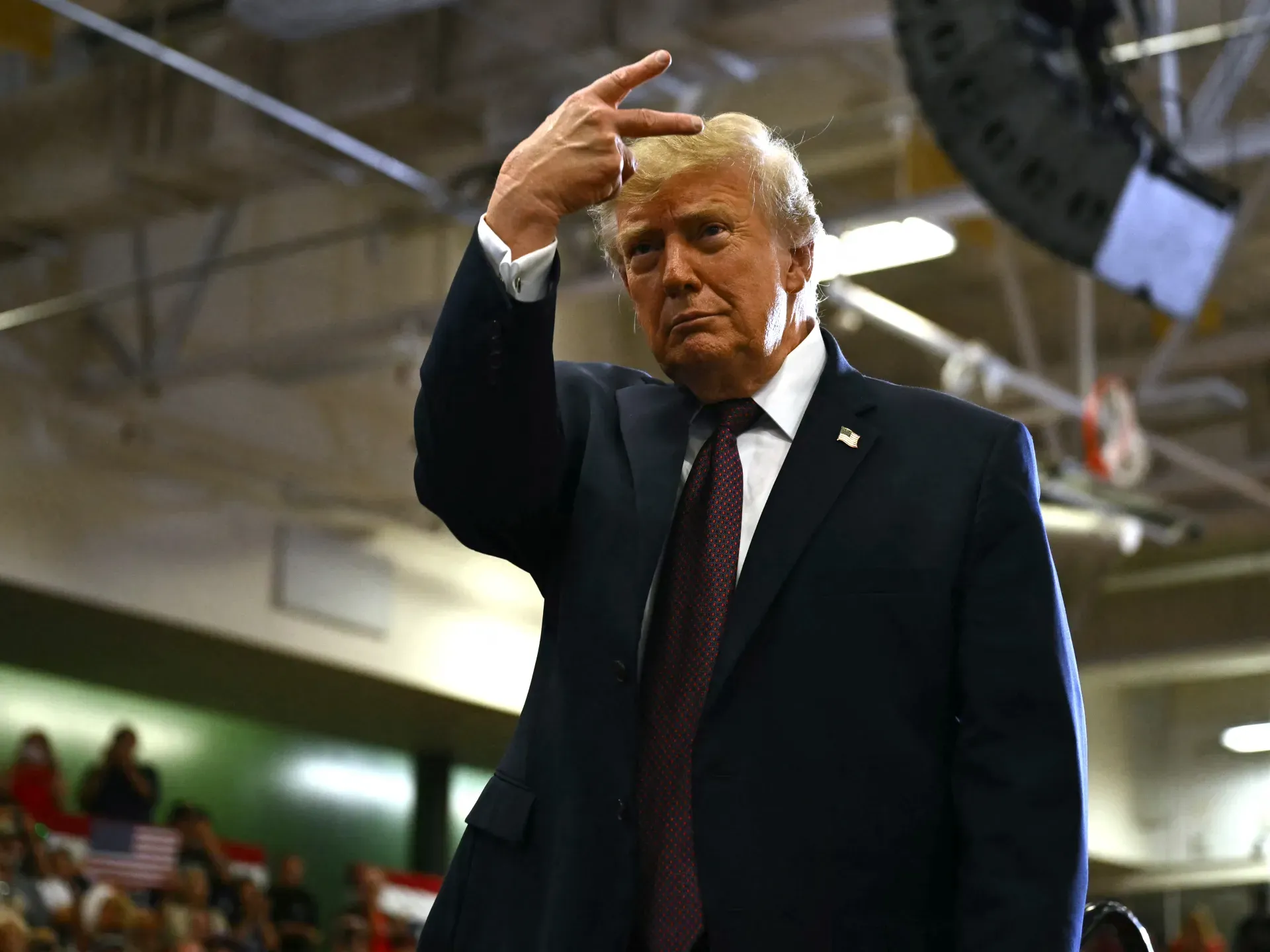
- Low Approval Ratings: President Donald Trump's approval rating is at a record low for a president entering a midterm, a level comparable to George W. Bush in 2006.
- Foreign Policy Friction: The ongoing Iran war remains unpopular with the American electorate.
- Economic Pressures: Unpopular geopolitical tensions have contributed to higher gas prices, exacerbating existing concerns regarding the cost of living.
However, these advantages are partially offset by the Democratic Party's own struggles with public perception. Real Clear Politics polling averages indicate that the American public views the Democrats as only marginally better than the Republicans. Furthermore, the party continues to struggle with a net unfavourability rating. If the Republicans manage to defy historical trends and retain control, analysts suggest it will be because the Democratic brand itself remains unpopular with a majority of voters.
Frequently asked questions
What is the main difference between Democratic institutionalists and reformists?
Institutionalists focus on achieving progress through incremental changes and working within existing political structures to maintain broad electoral appeal. Reformists, conversely, demand fundamental, 'root-and-branch' transformations of the government and economy, arguing that the current systems are broken and require complete replacement rather than minor adjustments.
How does healthcare play into the Democratic Party divide?
Healthcare is a central conflict point. One faction supports incremental reforms to lower out-of-pocket costs within the current system, while the progressive faction advocates for 'Medicare for All,' a single-payer system that would provide universal healthcare free at the point of use.
Why is the Democratic Party's identity considered 'cloudy'?
The party's identity is described as cloudy because it is currently driven more by opposition to the Trump administration than by a unified, proactive vision. This reliance on a 'thermostatic reaction' against the opposition masks deep ideological splits between centrist and progressive members.
Will the 2026 midterms resolve these internal Democratic conflicts?
Unlikely. Analysts suggest that even if Democrats achieve significant victories in the midterms, it will not resolve the deeper, unresolved questions regarding the party's direction. The party will still need to manage its diverse factions as it prepares for future elections and potential presidential runs.
What role does 'The Squad' play in this identity crisis?
'The Squad' represents the furthest-left faction of the Democratic Party. Their presence and influence push the party toward more radical policies, such as universal healthcare and significant military budget cuts, which creates tension with the more moderate, establishment-aligned members of the party.
Key takeaways
- The Democratic Party is split between incrementalist institutionalists and transformative reformists.
- Healthcare reform, specifically the debate between Medicare for All and incremental cost reduction, is a primary fault line.
- Historical trends suggest the party in power usually loses House seats during midterms.
- Internal Democratic unity is currently a facade covering significant ideological disagreements.
Conclusion
The Democratic Party stands at a critical crossroads. While the political landscape of 2026 offers potential opportunities through low Republican approval ratings and economic frustrations, the party's internal cohesion remains fragile. The struggle between those seeking to preserve existing institutions and those demanding systemic overhaul is not merely a tactical disagreement but a fundamental debate over the party's soul. Whether the Democrats can successfully bridge the gap between their progressive base and moderate voters will likely determine not just the outcome of the upcoming midterms, but the long-term viability of the Democratic brand in American politics.