Why are calls for broader sanctions on Israel increasing?
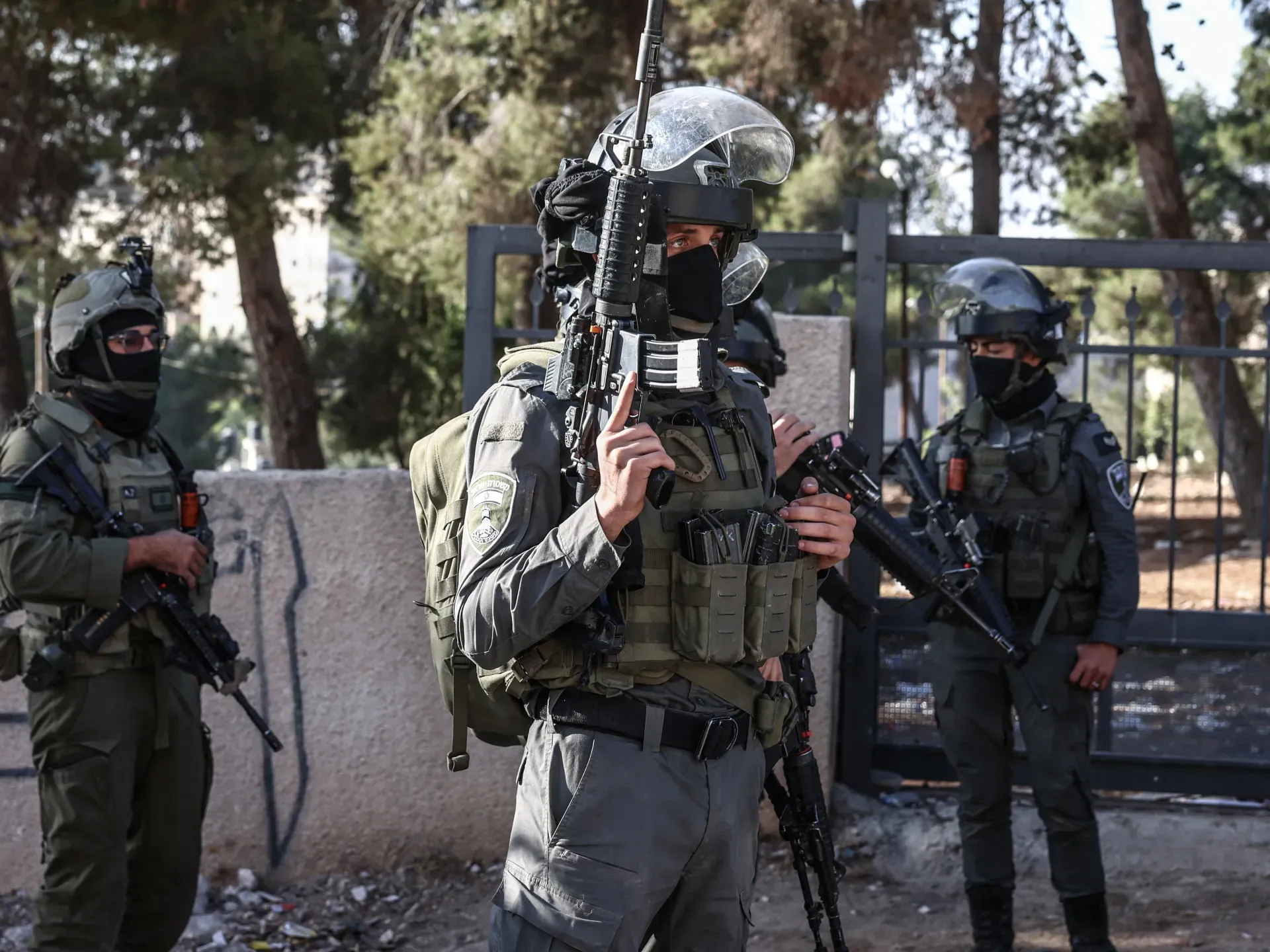
The demand for expanded sanctions on Israel stems from the observation that violence in the West Bank is not merely the work of rogue individuals, but a manifestation of state policy. During a recent mission to the West Bank, an international delegation of observers, including British parliamentarians, was detained and interrogated by Israeli forces for nearly eight hours. This experience highlights a growing trend of Israeli authorities actively preventing the international community from witnessing the conditions on the ground.
Observers note that while Gaza has faced a devastating conflict, the West Bank is experiencing a "slow-motion form of ethnic cleansing." This process is allegedly facilitated by both Israeli security forces and settler militias. The severity of the situation was underscored by comments from Israeli Finance Minister Bezalel Smotrich, who recently suggested that the actions taken in the West Bank should mirror those seen in Gaza. Consequently, advocates argue that targeting only individual settlers fails to address the structural nature of the occupation.
How could the UK expand its current sanctions regime?
The UK's current approach focuses on specific illegal settlements, but there is significant pressure to make the entire settlement economy unviable. Under existing British sanctions regulations, the government possesses the authority to target companies that profit from illegal settlements. However, critics argue that the scope must be widened to include all entities that facilitate the maintenance of these territories.
Targeting the settlement infrastructure
To effectively roll back the expansion of settlements, sanctions must move beyond the construction phase. This includes targeting the broader economic ecosystem that supports the occupation. Key areas for potential sanctions include:
- Financial Institutions: Companies providing loans and credit to settlement residents or developers.
- Insurance Providers: Entities that offer coverage for businesses and properties within illegal territories.
- Surveillance and Technology: Firms providing the technological infrastructure used to monitor and maintain the security of these areas.
By targeting these pillars, the UK could potentially disrupt the long-term viability of the settlement project rather than merely reacting to individual land seizures.
What are the current loopholes in UK arms sales to Israel?
While the British government has stated it will cease arms sales that materially contribute to the occupation, significant gaps remain in the current licensing framework. These loopholes allow for the continued flow of military-related components that sustain Israeli aerial and training operations.
One notable exception involves components for F-35 fighter jets. Although direct sales of complete aircraft may be restricted, the provision of parts ensures these planes remain operational for missions over both Gaza and the West Bank. Furthermore, arms licenses for aircraft used to train forces involved in overseeing the occupation continue to be issued. Critics argue that as long as these loopholes exist, the UK's commitment to preventing the facilitation of occupation remains incomplete. They suggest that a consistent policy would require a total cessation of arms transfers to a military accused of perpetrating both genocide and apartheid.
How does the situation in Gaza impact the sanctions debate?
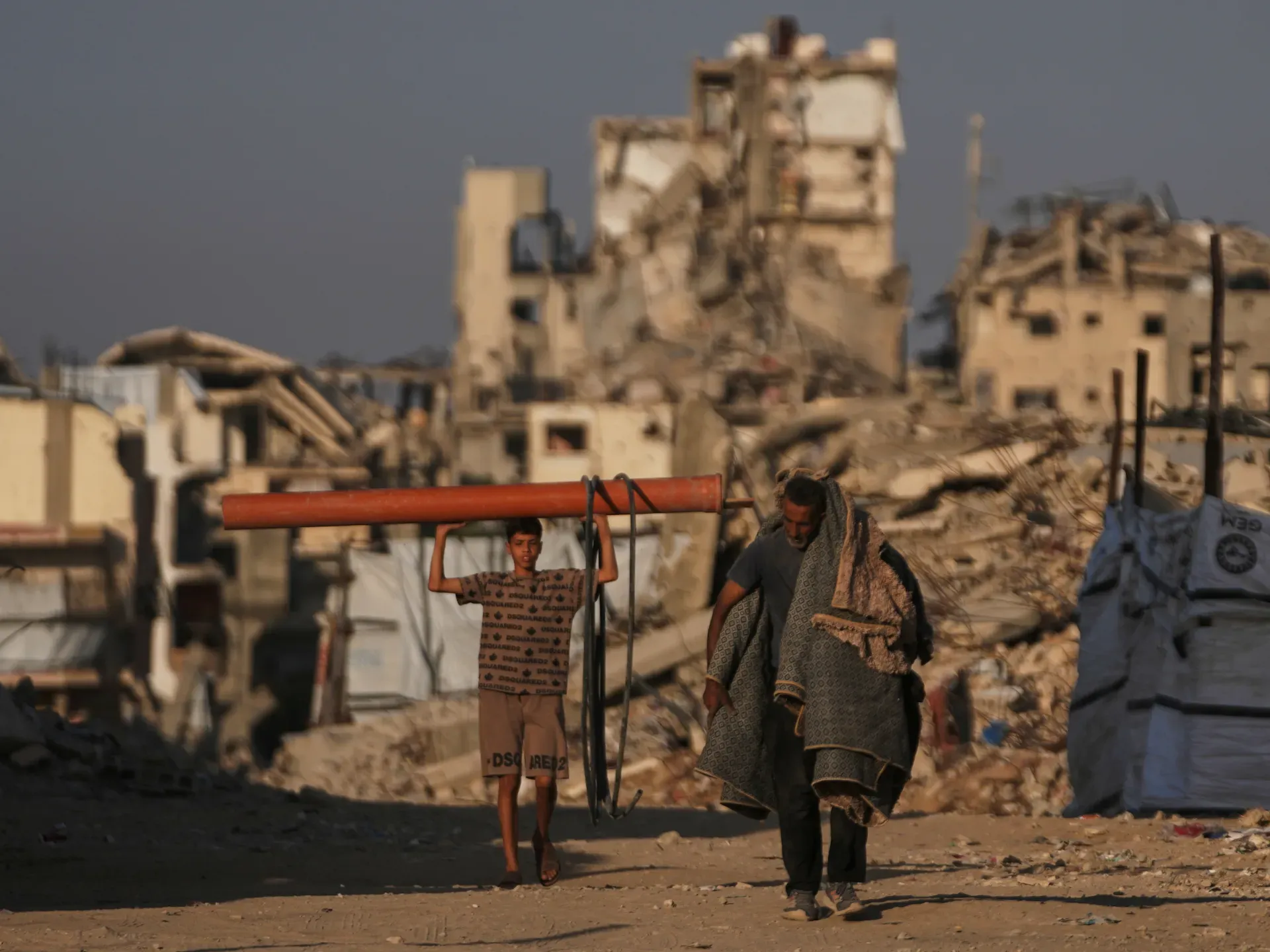
The humanitarian catastrophe in Gaza serves as a primary driver for calls to reform the Global Human Rights sanctions regime. With Palestinian populations facing extreme risks of disease and starvation, the ability of the UK to sanction actors who block humanitarian aid has become a critical policy lever.
The debate surrounding Gaza focuses on two main levels of accountability:
- Individual Actors: Sanctioning specific individuals who physically obstruct aid convoys.
- State Policy: Addressing the systemic blockade that prevents sufficient food, water, and medical supplies from reaching the population.
Advocates argue that if the blocking of aid is a matter of state policy, then Israeli ministers themselves must be subject to sanctions. Furthermore, the consensus among humanitarian groups is that emergency aid alone is insufficient; a long-term solution requires ending the siege to allow for the reconstruction of Gaza's essential infrastructure.
What role does international law play in this policy shift?
International legal frameworks provide the mandate for the UK to take more decisive action against the occupation. The International Court of Justice (ICJ) has issued directives requiring nations to take active steps to end assistance that supports Israel's illegal occupation of Palestinian territories.
According to these legal standards, the UK's obligations extend to ending trade and investment that assists in maintaining the occupation. This means that the current policy of selective sanctions may not only be seen as insufficient by humanitarian observers but may also fall short of the legal requirements set by the ICJ. Transitioning from "warm words" to concrete action is viewed as a necessary step to align British foreign policy with international legal obligations.
Frequently asked questions
What is the difference between sanctioning settlers and sanctioning the state?
Sanctioning settlers targets specific individuals or small groups for illegal activities on the ground. Sanctioning the state involves targeting government ministries, state-owned entities, or broader economic sectors to exert pressure on national policy and force a change in the government's approach to the occupation.
Why are F-35 components still being sent to Israel?
Current UK policy allows for the transfer of certain components even when full arms sales are restricted. This creates a loophole where the maintenance and operation of advanced fighter jets can continue through the supply of parts, despite official commitments to limit military support for the occupation.
How do sanctions affect the settlement economy?
Sanctions can make the settlement economy unviable by cutting off essential services. If companies providing finance, insurance, and surveillance technology are barred from operating in these areas, the cost and complexity of maintaining illegal settlements increase significantly, discouraging further investment and growth.
What has the International Court of Justice said about this?
The ICJ has directed that all countries must take steps to end any assistance that helps maintain Israel's illegal occupation. This includes measures to stop trade and investment that directly or indirectly support the continued presence and expansion of settlements in Palestinian territories.
Can the UK sanction Israeli ministers?
Yes, the UK has the potential to use its Global Human Rights sanctions regime to target high-ranking officials. If there is evidence that ministers are directing policies that block humanitarian aid or facilitate illegal occupation, they could be subject to travel bans and asset freezes.
Key takeaways
- Current UK sanctions target individual settlers, but critics demand they target the broader Israeli state and settlement economy.
- Loopholes in arms licensing allow F-35 components to reach Israel, sustaining aerial operations in Gaza and the West Bank.
- The ICJ mandates that countries take steps to end all assistance, including trade and investment, that supports the occupation.
- Broadening sanctions to include financial and insurance sectors could make the illegal settlement infrastructure economically unviable.
Conclusion
The push for more comprehensive sanctions on Israel reflects a growing recognition that the challenges in the West Bank and Gaza are systemic rather than isolated. While the UK has taken initial steps by targeting specific settlements, the persistence of military loopholes and the continued expansion of the settlement economy suggest that current measures are insufficient. To align with international legal standards and address the humanitarian crisis, the UK must consider a broader approach that targets the economic and political structures supporting the occupation. Moving beyond symbolic gestures toward meaningful economic and military restrictions remains the central challenge for British foreign policy in the region.