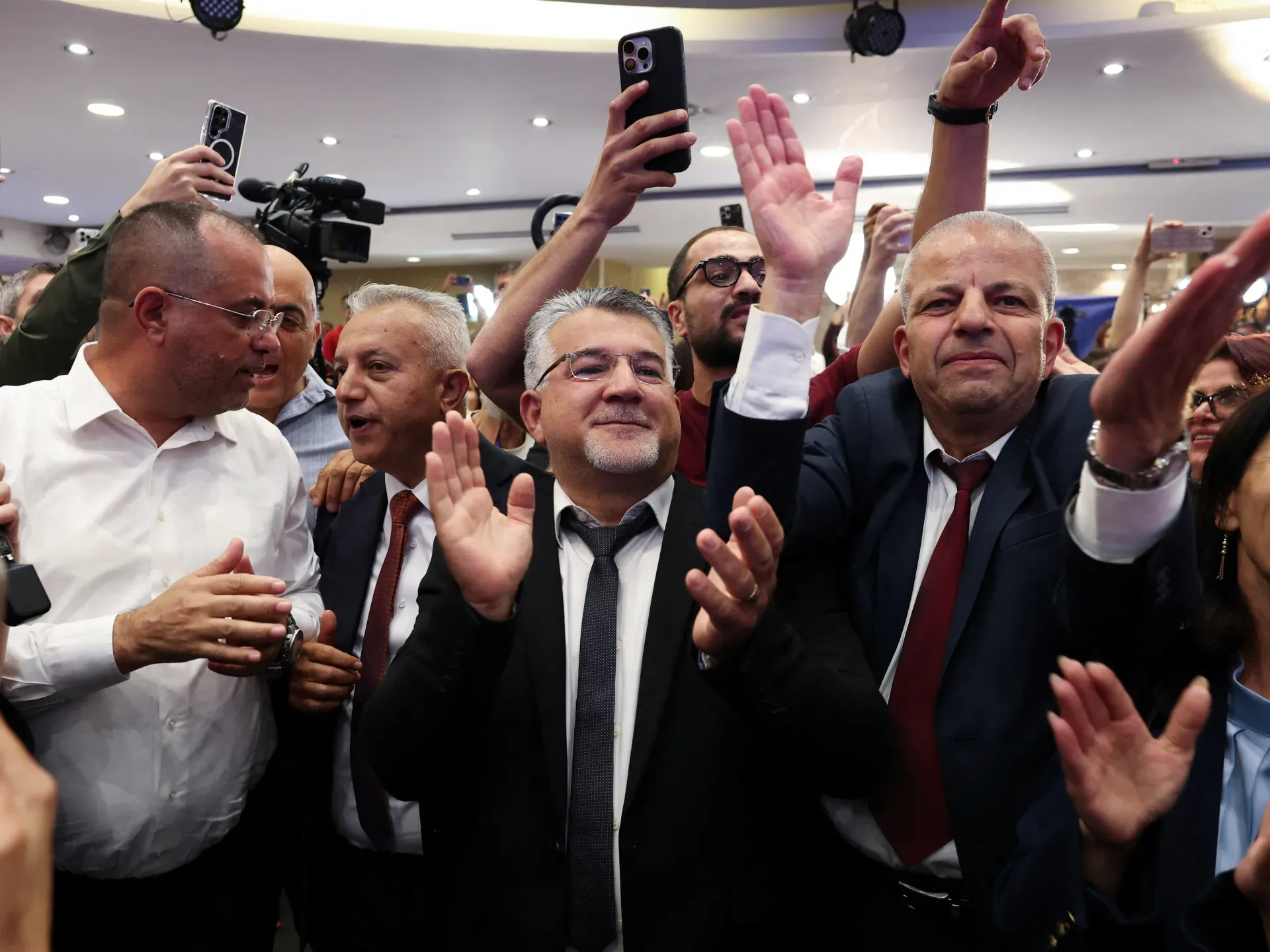
How many seats are Arab parties expected to win?
Arab-led political factions are projected to secure a record 19 seats in the 120-member Knesset following the October 2026 elections. According to preliminary exit polling data, the Joint List and the United Arab List (Ra’am) are the primary drivers of this potential increase. As more than one-third of the votes were being processed, the Joint List was reportedly winning over 9 percent of the total vote share.
This projected seat count represents a significant shift in the influence of Palestinian-Israeli political representation. While the specific final numbers remain subject to official verification, the exit polls suggest that the combined strength of these parties could alter the mathematics of government formation. Mansour Abbas, the leader of Ra’am, noted that while the current numbers do not yet show a clear path to a majority, the political landscape is shifting rapidly.
The role of Ra’am and the Joint List
The Joint List and Ra’am represent different strategic approaches within the Arab political sphere. Ra’am, led by Mansour Abbas, has previously demonstrated a willingness to engage in coalition politics, having joined the governing coalition between 2021 and 2022. The Joint List remains a major force in mobilizing the Palestinian-Israeli electorate through a platform focused on addressing systemic issues.
Why was voter turnout among Palestinian citizens so high?
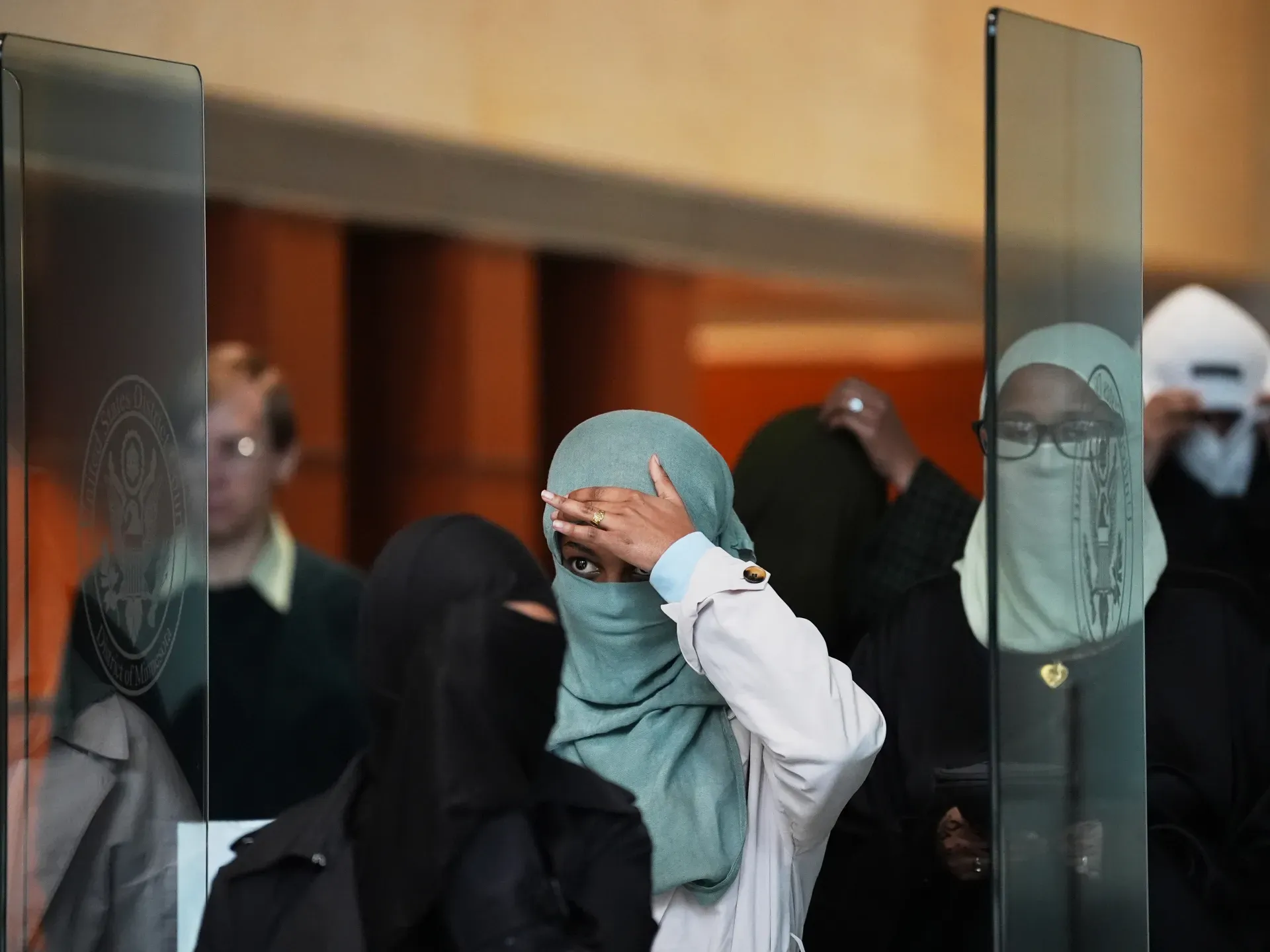
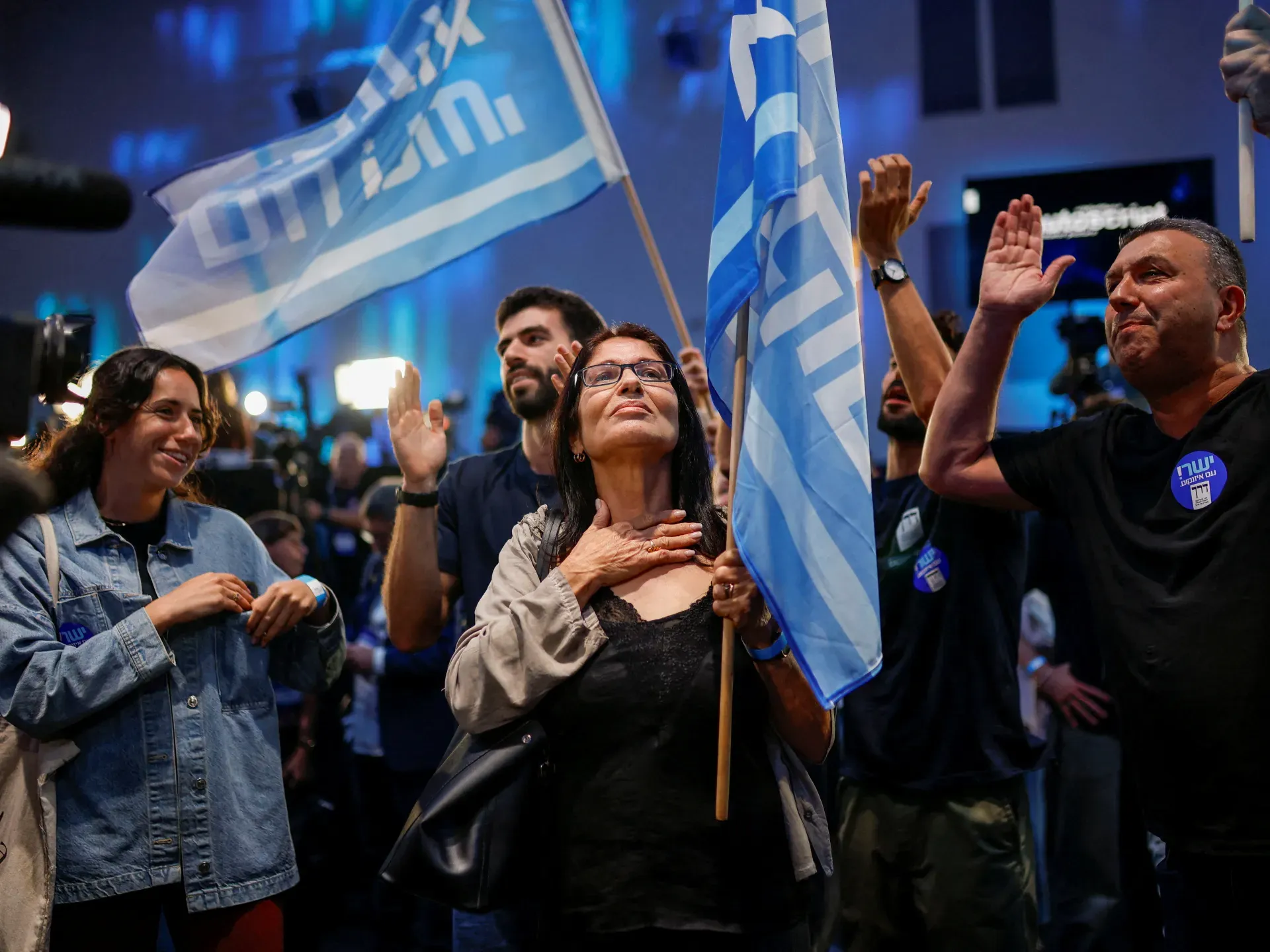
Voter turnout among Palestinian citizens of Israel reached historic levels, estimated at approximately 80 percent according to Israel’s Channel 12. This figure breaks the previous records set in 1999 and signifies a major mobilization within the community. The overall national turnout was also notably high, reaching 77.7 percent, according to the Central Elections Committee.
Political analysts and observers suggest this surge is driven by a sense of urgency regarding the future of Palestinian-Israeli rights. The election was viewed by some as an existential moment for the community, prompting even those who traditionally boycotted elections to participate. This engagement is a response to ongoing concerns regarding systemic discrimination and the passage of over 100 laws that impact the rights and funding of Palestinian citizens of Israel.
Breaking the boycott tradition
Historically, Palestinian-Israeli voter turnout has lagged behind that of Jewish Israelis. The decision to participate in record numbers suggests a strategic shift toward using the ballot box to influence policy and counter legislative trends that many in the community perceive as discriminatory. This high turnout directly challenges the notion that the community's political voice is negligible within the Israeli parliamentary system.
What is the impact on forming a new government?
The projected results create a complex environment for coalition building, as neither the major Jewish-led blocs have secured a clear majority. The opposition bloc, led by former military chief of staff Gadi Eisenkot and his Yashar party, was trailing the Likud-led coalition headed by Prime Minister Benjamin Netanyahu in preliminary counts. Mansour Abbas stated that with the current numbers, no government is yet clearly formed.
The potential for Arab parties to act as kingmakers or significant opposition forces complicates the path for both the Netanyahu-led right-wing bloc and the Eisenkot-led opposition. While both main blocs reportedly reached out to Ra’am during the campaign, the ideological divides remain significant. The ability to form a government will depend on whether any bloc can secure the 61 seats required while managing the demands of various stakeholders.
The challenge of coalition promises
A significant hurdle for the opposition may be the campaign promises made by certain leaders. For instance, some parties in the opposition bloc had previously indicated they would not form coalitions with Arab parties. However, political reality often dictates different outcomes. As former ambassador Alon Pinkas observed, Arab parties cannot be perpetually excluded and only engaged when their votes become necessary for a majority.
How did political leaders react to the voting trends?
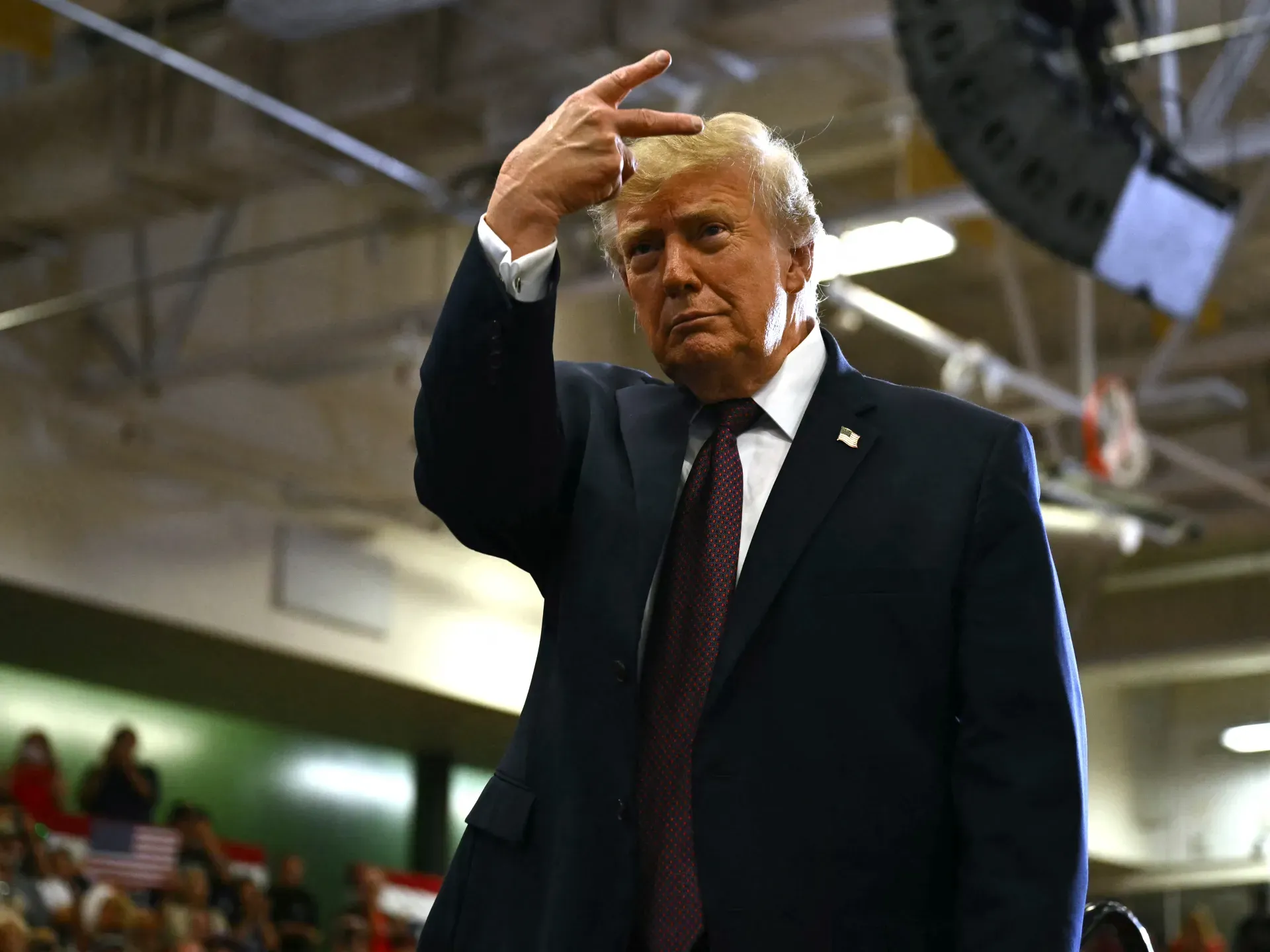
Political reactions to the high turnout and the projected results have been polarized, ranging from strategic warnings to accusations of racism. Prime Minister Benjamin Netanyahu utilized social media to highlight the high turnout in Arab communities, warning that the country could end up with a government led by figures such as Mansour Abbas and Ahmad Tibi. Netanyahu’s campaign also employed tactics to urge his supporters to the polls, which Arab politicians described as inflammatory.
The tension surrounding the election was palpable, with witnesses reporting Likud supporters using religious symbols and calls to prayer to motivate voters in response to the perceived threat of an Arab-influenced political shift. This friction underscores the deep-seated societal divisions that the election results are likely to exacerbate as the process of government formation begins.
The debate over campaign tactics
The use of religious and identity-based messaging during the final stages of the campaign has drawn sharp criticism. While some see these tactics as necessary mobilization, others view them as a way to stoke fear and division. This debate reflects the broader struggle for political legitimacy and the competing visions for the future of Israel’s democratic and social fabric.
Key takeaways
- Arab-led parties like the Joint List and Ra’am are projected to win a record 19 seats in the Knesset.
- Palestinian-Israeli voter turnout reached an estimated 80 percent, surpassing 1999 records.
- National voter turnout for the 2026 election reached 77.7 percent, according to the Central Elections Committee.
- The election results create a fragmented parliament, making the 61-seat majority difficult to achieve.
- High turnout is viewed by many Palestinian citizens as a response to systemic legislative discrimination.
FAQ: Arab parties in Israel election
What is the projected seat count for Arab parties?
Exit polls suggest that Arab-led parties, specifically the Joint List and Ra’am, could win a combined total of 19 seats in the 120-member Knesset. This would represent a record-breaking performance for these political groups in the Israeli parliament.
How high was the voter turnout in Palestinian-Israeli communities?
Turnout among Palestinian citizens of Israel was estimated at approximately 80 percent. This is a historic high that breaks the previous record set in 1999 and indicates a significant surge in political engagement within these communities.
Who are the leaders of the major Arab-led parties?
Mansour Abbas is the leader of the Ra’am party (United Arab List), and Ahmad Tibi is a prominent leader within the Arab political sphere. These figures are central to the discussions regarding potential government coalitions.
How does the election affect government formation?
The high number of seats projected for Arab parties makes forming a majority government more difficult. Both the Netanyahu-led Likud bloc and the Eisenkot-led opposition must navigate the potential influence of these parties to reach the 61-seat threshold required.
Why is this election considered 'existential' for some?
The election is viewed as existential because Palestinian-Israeli voters are using the ballot to combat systemic discrimination. The community seeks to influence the direction of laws that have historically impacted their rights and access to state resources.
Conclusion
The 2026 Israeli election has been defined by a historic mobilization of Palestinian-Israeli voters, with turnout reaching an estimated 80 percent. This surge has positioned Arab-led parties to potentially hold 19 seats in the Knesset, fundamentally altering the political landscape. As the country moves toward government formation, the tension between the major Jewish-led blocs and the growing influence of Arab political factions will likely dictate the stability of the next administration. The results reflect a community seeking to exert influence through democratic participation in the face of long-standing legislative challenges.