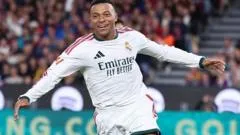
What caused the controversy surrounding the Mbappé Mao remark?
The controversy originated from a segment on the French talk show *The Bridge*, hosted by Real Madrid's Aurélien Tchouaméni, where Mbappé discussed a viral internet meme. In the clip, Mbappé refers to a video involving what he describes as a "Chinese dictator," followed by laughter as the footage shows his own face superimposed onto an image resembling Mao Zedong.
The meme is part of a recurring trend online where the striker is jokingly referred to as a "dictator" due to his significant influence and authority within football circles. Mbappé reportedly told the show that he "uses [the meme] with friends all the time." While the player did not explicitly name Mao Zedong in the footage, the visual association and the use of the term "dictator" quickly ignited a firestorm on Chinese social media platforms.
The backlash intensified on Monday night after the Chinese football forum Dongqiudi released a statement condemning the comments as "inappropriate" and stating they "hurt the feelings of Chinese people." The forum even noted it was "unable to translate" certain parts of the remarks because they were deemed too offensive to the Chinese public.
How have Chinese brands and media reacted to the comments?
Major Chinese corporations have moved swiftly to sever ties with the French striker to avoid appearing sympathetic to the perceived insult. While many brands did not explicitly cite the video in their official termination notices, the timing coincided directly with the social media uproar.
Prominent companies involved in the fallout include:
- Mengniu: The country's largest dairy producer stated it has a "zero-tolerance policy towards any words or actions that hurt the feelings of the Chinese people."
- Dongpeng: The drinks giant issued a similar stance, affirming its opposition to behavior that offends national sentiments.
The repercussions have extended into state-controlled media. According to the state-owned newspaper *The Global Times*, state broadcaster CCTV's news applications will no longer feature content related to Mbappé. Furthermore, reports on Tuesday indicate that CCTV may also cease broadcasting La Liga matches. This represents a significant blow to the visibility of the Spanish league and its stars within the Chinese market.
The impact on Real Madrid and La Liga
The backlash has not been confined to the individual player; it has also targeted his club, Real Madrid. On Weibo, one of China's most prominent social media platforms, hashtags related to the termination of Mbappé's partnerships reached the top of trending lists. Some users have even called for a broader boycott of Real Madrid, the most decorated club in Spain with 36 league titles.
Spain's La Liga has also entered the fray, issuing an apology and stating that it "deeply regrets the offence that Kylian Mbappé's recent comments have caused among Chinese fans." As the situation evolved, five of the top 10 trending topics on Weibo were centered on the incident, with some users expressing extreme sentiments, such as telling the player, "Don't ever come to China."
Why is Mao Zedong such a sensitive topic in China?
Mao Zedong remains a highly sensitive and protected figure in China because he is the founder of the People's Republic of China and is revered by the Communist Party. Any joke or meme involving his likeness is viewed not merely as an insult to a historical figure, but as a direct challenge to the official political narrative of the state.
The historical context of Mao's rule is complex and often controversial. While he is celebrated as a national icon, his leadership was marked by significant upheaval:
- The Great Leap Forward: An attempt at rapid industrialization that resulted in a massive famine, causing the deaths of tens of millions.
- The Cultural Revolution: A period of violent political purges targeting intellectuals, landowners, artists, and political rivals.
Despite these historical tragedies, the current Chinese government maintains a narrative that treats Mao's legacy as foundational and beyond reproach. Consequently, the Chinese Foreign Ministry weighed in on the Mbappé situation, with spokesperson Lin Jian stating that words and deeds hurting the feelings of the Chinese people will naturally face opposition from all sectors of society. This underscores the reality that in China, national sentiment and political respect are inextricably linked.
What is the broader context of Mbappé's "dictator" nickname?
The "dictator" label is a recurring theme in the digital culture surrounding Kylian Mbappé, reflecting his immense power in the footballing world. His ability to influence club decisions, transfer markets, and national team dynamics has led fans and critics alike to use political metaphors to describe his presence.
This trend has seen various iterations, including:
- The 2026 World Cup: French teammate Ousmane Dembélé referred to him as "Mbappé Mobut," a reference to Mobutu Sese Seko, the long-time dictator of the Democratic Republic of Congo.
- Legal Disputes: In 2024, Mbappé took legal action against a French influencer for using his name in a sandwich description, which inadvertently fueled further online jokes regarding his perceived control.
Mbappé has previously addressed the nature of these comparisons. In an interview with *France Football* in September, he noted that while many of these memes are intended to be light-hearted, they can sometimes reflect a "lack of political and human awareness." He acknowledged the gravity of being compared to historical figures who caused widespread misery, stating, "I don't think I've done that in my life."
FAQ: Kylian Mbappé China Controversy
What exactly did Mbappé say about Mao Zedong?
Mbappé referred to a meme involving a video of a "Chinese dictator" and laughed as the clip showed his face superimposed on an image resembling Mao Zedong. While he did not name Mao explicitly, the visual and verbal context was interpreted as a disrespectful joke about the Chinese leader.
Which brands have cut ties with Mbappé?
Major Chinese brands, including dairy giant Mengniu and drinks manufacturer Dongpeng, have moved to terminate their partnerships with Mbappé. These companies issued statements emphasizing a zero-tolerance policy toward any actions that offend the national sentiments or feelings of the Chinese people.
How has the Chinese government responded?
The Chinese Foreign Ministry, via spokesperson Lin Jian, noted that actions hurting the feelings of the Chinese people will face opposition from all sectors of society. Additionally, state media reports suggest that CCTV will stop featuring Mbappé-related content and may cease broadcasting La Liga matches.
Is Real Madrid facing any consequences in China?
Yes, Real Madrid is facing calls for boycotts on Chinese social media platforms like Weibo. The backlash against Mbappé has spilled over to the club, with fans expressing anger toward the institution following the controversy sparked by the player's comments.
Why is the "dictator" nickname used for Mbappé?
The nickname stems from Mbappé's immense influence over footballing institutions, transfer negotiations, and team dynamics. It is a metaphorical way for fans and media to describe the significant power he wields within the sport, similar to how other superstars are characterized.
Key takeaways
- Kylian Mbappé apologized for "ill-judged" comments regarding a meme involving Mao Zedong.
- Major Chinese brands like Mengniu and Dongpeng have terminated their endorsement deals.
- China's Foreign Ministry stated that offending Chinese sentiments will meet widespread opposition.
- State broadcaster CCTV is expected to stop featuring Mbappé and La Liga content.
- The controversy highlights the extreme sensitivity of Mao Zedong's legacy in China.
Conclusion
The controversy surrounding Kylian Mbappé's remarks serves as a stark reminder of the intersection between global celebrity and national political sensitivity. What began as a light-hearted joke about a footballing nickname has escalated into a significant commercial and diplomatic issue, resulting in lost endorsements and restricted media access in one of the world's largest markets. As brands move to protect their standing in China, the incident underscores the necessity for international public figures to navigate cultural and political nuances with greater caution, particularly when dealing with topics as deeply ingrained in national identity as the legacy of Mao Zedong.