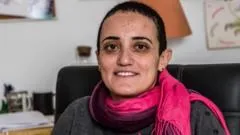
What led to the detention of Lina Attalah?
Lina Attalah was detained by authorities after the New Cairo Misdemeanours Court convicted her of operating a website without a valid license. The court's decision included a significant financial penalty of 3 million Egyptian pounds, which is approximately $53,500 or £40,100. According to her legal team, Attalah will remain in custody until this fine is paid. The charge of managing an unlicensed website was the central focus of the trial, a verdict that Attalah and her legal representatives have rejected.
The legal pressure on Attalah intensified recently when prosecutors summoned her for questioning. The investigation reportedly involved allegations of publishing "false news," specifically concerning a report published by Mada Masr regarding a wave of protests occurring within Egyptian prisons. Additionally, the investigation examined the outlet's legal standing in relation to a letter from the Supreme Media Regulatory Council (SMRC).
The context of the licensing dispute
The core of the prosecution's argument rests on the absence of an operating license for Mada Masr. Since the implementation of a new media law in 2018, the outlet has faced significant regulatory hurdles. Mada Masr has made repeated attempts to secure an operating license from the Supreme Media Regulatory Council (SMRC), but these applications have either been met with rejection or have remained unanswered by the watchdog. This regulatory stalemate appears to have provided the legal mechanism for the recent criminal charges.
How were the court proceedings conducted?
The trial in the New Cairo Misdemeanours Court was marked by significant procedural irregularities, according to witnesses and legal observers. During the hearing, Judge Mohammed Mubarak ordered the courtroom to be cleared, permitting only Attalah, her eight-person defense team, and Hossam Bahgat, the head of the Egyptian Initiative for Personal Rights (EIPR), to remain. However, security personnel entered the room shortly after the clearing of the court, according to Bahgat, who spoke to the AFP news agency.
Legal representatives expressed astonishment at the judge's handling of the defense. The court denied several procedural requests made by Attalah's lawyers and took the unusual step of appointing a lawyer from the Lawyers' Syndicate to represent her. This occurred despite Attalah's explicit verbal objections to the appointment. Bahgat reported that the judge proceeded to dictate motions on behalf of this newly appointed lawyer—who had not spoken during the proceedings—and entered these motions into the official court record.
What is the impact on Egyptian press freedom?
Human rights organizations have characterized the verdict against Attalah as a severe setback for independent media in Egypt. Amnesty International described the ruling as a "crushing blow to press freedom" and a "dark day for independent journalism." Yasmine Ahmed, Amnesty International's senior director for regional impact, stated that the prosecution is the result of years of relentless harassment and unjust proceedings intended to silence one of the country's final independent media voices.
The Committee to Protect Journalists (CPJ) has also voiced grave concerns regarding the safety of journalists in the country. CPJ Regional Director Sara Qudah noted that the ability of the state to detain a respected editor and shut down an entire newsroom suggests that no independent journalist in Egypt is currently safe. The closure of Mada Masr, which was founded in 2013, removes a vital source of critical reporting that has long been under state pressure.
Broader patterns of media suppression
The targeting of Mada Masr is not an isolated incident but part of a wider trend of judicial action against media workers. Only weeks prior to Attalah's detention, six journalists associated with the independent fact-checking platform Matsda2sh were charged with belonging to the outlawed Muslim Brotherhood. This pattern of legal targeting suggests a systemic effort to restrict the flow of independent information.
How does this fit into Egypt's political landscape?
The crackdown on media and dissent has intensified under the presidency of Abdul Fattah al-Sisi. Since the military-led overthrow of former President Mohammed Morsi in 2013, human rights groups have reported an unprecedented level of suppression against political opposition. While many detainees are associated with the Muslim Brotherhood, the scope of detentions has expanded to include secular activists, liberal voices, academics, and media professionals.
According to the Committee to Protect Journalists (CPJ), Egypt remains one of the world's leading jailers of journalists, with 25 individuals currently imprisoned for their work. The detention of Attalah and the forced closure of Mada Masr represent the latest escalation in a decade-long trend of tightening control over the public sphere and penalizing those who provide critical oversight of state activities.
Frequently asked questions
Why was Mada Masr ordered to close?
The New Cairo Misdemeanours Court ordered the closure of Mada Masr because the outlet was convicted of managing a website without the required operating license. The court also imposed a 3 million Egyptian pound fine, which the editor-in-chief must pay to secure her release.
Who is Lina Attalah?
Lina Attalah is the editor-in-chief of Mada Masr, an independent Egyptian news outlet founded in 2013. She has been a prominent figure in Egyptian journalism, often facing legal challenges and investigations related to her outlet's critical reporting on government affairs.
What are the allegations against the journalists?
In the case of Lina Attalah, the allegations included operating an unlicensed website and publishing "false news," specifically regarding reports on prison protests. In separate cases, other journalists have faced charges related to belonging to the outlawed Muslim Brotherhood.
How has Amnesty International reacted to the verdict?
Amnesty International has condemned the ruling as a draconian measure designed to shut down independent media. The organization has demanded that the verdict be overturned, arguing that Attalah is being prosecuted for exercising her fundamental right to freedom of expression.
What is the current status of journalists in Egypt?
Journalists in Egypt face significant legal and physical risks. According to the Committee to Protect Journalists (CPJ), there are currently 25 journalists behind bars in the country, reflecting a broader environment of restricted press freedom and state crackdown on dissent.
Key takeaways
- Lina Attalah was detained following a court conviction for operating an unlicensed website.
- The New Cairo Misdemeanours Court ordered the closure of Mada Masr and a 3m EGP fine.
- Amnesty International described the verdict as a crushing blow to Egyptian press freedom.
- Egypt currently holds 25 journalists in custody, according to the Committee to Protect Journalists.
The future of independent media in Egypt
The detention of Lina Attalah and the judicial closure of Mada Masr signal a tightening grip on the Egyptian information landscape. By utilizing licensing laws and "false news" allegations, authorities have established a legal framework to dismantle independent newsrooms. As long as the regulatory environment remains restrictive and the judiciary continues to appoint state-aligned counsel in high-profile media trials, the space for critical, independent journalism in Egypt will continue to contract, leaving the public with fewer sources of unmediated information.