What is the scale of the famine risk in Sudan?
The threat of widespread famine in Sudan is escalating due to a combination of conflict-driven displacement and severe food shortages. A joint statement released by the United States and 30 other Western nations, including the UK, Canada, and EU member states, highlights that 19.5 million people are currently suffering from high levels of acute food insecurity. This figure accounts for approximately 41% of the total population in Sudan.
Within this group, the severity of the crisis is particularly acute for five million people who are facing emergency levels of hunger. The warning issued by the international community emphasizes that without immediate intervention, the number of children suffering from severe acute malnutrition could surpass the projected 825,000. This statistical projection underscores the potential for a massive mortality event if the current trajectory of food scarcity is not reversed.
The Integrated Food Security Phase Classification (IPC), a global standard for measuring the magnitude of food crises, previously estimated in June that 5.1 million people in Sudan were facing severe hunger. The current figures suggest a rapid worsening of these conditions since those earlier assessments, as the conflict continues to destabilize the nation's ability to feed its citizens.
The statistical breakdown of food insecurity
The current humanitarian landscape in Sudan is characterized by several tiers of food insecurity. While the 19.5 million figure represents the broad population at risk, the most critical subset is the five million people in the 'emergency' category. This category denotes a situation where immediate life-saving interventions are required to prevent death from starvation or related diseases. The widening gap between those in need and those receiving assistance is the primary driver of this worsening outlook.
How has the civil war contributed to the hunger crisis?
The civil war, which began in April 2023, serves as the primary catalyst for Sudan's current humanitarian catastrophe. The power struggle between the Sudanese Armed Forces and the paramilitary Rapid Support Forces has fundamentally dismantled the country's ability to sustain its population. Conflict has directly damaged critical infrastructure and severely disrupted domestic food production, making it nearly impossible for farmers to plant or harvest crops safely.
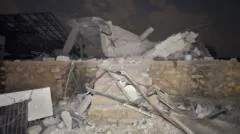
Displacement is another major factor in the escalating hunger. The war has forced 14 million people to flee their homes, creating a massive population of internally displaced persons (IDPs) who are often separated from their livelihoods and food sources. Yusuf Roble, the regional director for Islamic Relief East Africa, noted the devastation experienced by those attempting to return to areas like Omdurman, describing scenes where returning residents find their homes either entirely destroyed or looted by combatants.
Beyond the direct physical destruction, the war has eroded the social fabric that provides a safety net for the most vulnerable. Roble shared a case study of a mother of seven children who lost her sole breadwinner—her husband—to the conflict, leaving the family without any means of financial or nutritional support for over three years. Such individual tragedies reflect a broader systemic collapse of the Sudanese household economy.
What are the primary obstacles to humanitarian aid?
Systematic obstruction of humanitarian assistance is cited by Western signatories as a major reason why the famine risk is increasing. The joint statement urges the warring parties to lift all impediments and allow for full, safe, rapid, and unimpeded access to those in need. Currently, the delivery of life-saving supplies is frequently blocked by the very factions involved in the fighting, preventing aid from reaching the most isolated and hungry populations.
In addition to man-made obstacles, environmental factors are compounding the crisis. The effects of El Niño have significantly impacted Sudan's agricultural stability. The phenomenon has led to reduced rainfall and increased drought conditions across more than half of the country, further crippling the already fragile food production systems. The intersection of war and climate change has created a 'perfect storm' for food insecurity.
The role of community kitchens and funding gaps
As formal aid structures struggle to penetrate conflict zones, many civilians have become reliant on community kitchens for their daily sustenance. However, these local initiatives are increasingly fragile. Yusuf Roble indicated that these kitchens lack long-term support due to significant funding cuts, meaning that even the most basic level of communal food sharing is under threat of collapse.
Why is the humanitarian response underfunded?
Despite the World Health Organization describing the situation in Sudan as the world's worst humanitarian crisis, the international response has failed to meet the necessary financial requirements. As of September 2026, only 40% of Sudan's humanitarian needs plan had been funded. This massive shortfall means that even when aid is successfully delivered, there are often insufficient resources to sustain long-term nutritional programs or rebuild the infrastructure required for food security.
The lack of funding creates a dangerous cycle: as the need grows due to continued fighting and drought, the capacity to respond diminishes because the available resources are spread too thin. The international community's inability to meet the 2026 humanitarian needs plan leaves millions of people in a state of extreme vulnerability, where even minor disruptions in aid delivery can lead to mass starvation.
FAQ: Famine risk in Sudan
How many people are facing food insecurity in Sudan?
Approximately 19.5 million people in Sudan are experiencing high levels of acute food insecurity. This represents about 41% of the country's total population. Within this group, five million individuals are facing emergency levels of hunger, requiring urgent assistance to survive.
What caused the current crisis in Sudan?
The crisis is driven by the civil war that began in April 2023 between the Sudanese Armed Forces and the Rapid Support Forces. This conflict has caused massive displacement, destroyed infrastructure, and disrupted food production. It is further exacerbated by El Niño-induced droughts and the obstruction of humanitarian aid.
How many people have been displaced by the war?
The ongoing civil war in Sudan has resulted in the displacement of 14 million people. This massive movement of people has contributed to the breakdown of local food systems and has increased the number of people relying on humanitarian assistance for survival.
Is there enough funding to address the humanitarian needs?
No, there is a significant funding gap. As of September 2026, only 40% of the planned humanitarian needs for Sudan had been funded. This lack of resources severely limits the ability of international organizations to provide adequate food and medical support to those in need.
What is the impact of El Niño on Sudan?
El Niño has worsened the food crisis by reducing rainfall and increasing the frequency of droughts across more than half of Sudan. This environmental stress has made it harder for the population to produce enough food, compounding the damage caused by the civil war.
Key takeaways
- 19.5 million Sudanese people, or 41% of the population, face acute food insecurity.
- Five million people in Sudan are currently experiencing emergency levels of hunger.
- The civil war has displaced 14 million people since its commencement in April 2023.
- Only 40% of Sudan's 2026 humanitarian needs plan was funded as of September.
- El Niño has contributed to the crisis by causing drought in over half the country.
The path toward stability
The escalation of famine risk in Sudan represents a profound failure of both local stability and international humanitarian support. The combination of active warfare, systematic obstruction of aid, and climate-driven agricultural failure has created a landscape where millions are caught in a cycle of starvation. Addressing this crisis requires more than just increased funding; it demands an immediate cessation of hostilities and a commitment from the warring parties to allow unimpeded humanitarian access. Without a coordinated international effort to both fund the response and secure aid corridors, the projected rise in child malnutrition and emergency hunger levels may become an unavoidable reality.