How did the Lula's Army WhatsApp channel operate?
The Lula's Army WhatsApp channel functioned as a highly coordinated digital command centre that mobilised millions of supporters to dominate social media conversations. Led by Congressman André Janones, the operation rapidly expanded to include 10.8 million followers during the critical final weeks of the campaign. Rather than just providing information, the channel issued specific, actionable instructions to its members to ensure maximum visibility for the Lula campaign.
Supporters were treated almost like a digital militia, receiving 'missions' designed to manipulate platform algorithms and trending topics. The communication style was urgent and highly directive, often using commands to maintain momentum. Typical instructions included:
- Directing followers to "blow up" specific campaign videos to increase reach.
- Urging supporters to ensure new hashtags "take off" on various platforms.
- Providing ready-made templates that followers could easily share with their personal networks of friends and family.
To maintain engagement, Janones used high-pressure language, frequently telling his followers, "Don't go to sleep yet" or "No food before the mission!" On the eve of the election, the intensity peaked with a 24-hour "turnaround livestream," a move intended to sustain morale even as external polls continued to favour Flávio Bolsonaro.
The tension between digital aggression and political image
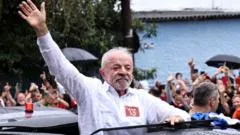
While effective, the aggressive nature of the WhatsApp channel created internal friction within the Workers' Party. Some party members expressed concern that Janones's confrontational and high-octane social media style might clash with the more moderate, statesmanlike image the campaign sought to project for Lula. However, the results appeared to validate the tactic; in his victory speech, Lula explicitly acknowledged the impact of this digital force, referring to Janones as "our General" and thanking him for raising the morale of the troops.
Why was this digital shift significant for Brazilian politics?
The rise of the Lula's Army WhatsApp channel represented a fundamental shift in the balance of digital political power in Brazil. For several election cycles, particularly since Jair Bolsonaro's victory in 2018, conservative movements had maintained a clear advantage in online mobilisation. Platforms like WhatsApp and Telegram were widely viewed as the primary domains of right-wing influence, where coordinated networks could shape public discourse.
The success of the Lula's Army operation convinced many observers that the Brazilian left had finally developed the capacity to compete effectively in the digital arena. It demonstrated that the tools of rapid-response, high-volume messaging—previously the hallmark of the Bolsonaro era—could be successfully co-opted by opposing political forces. This capability marks a new chapter in Brazilian campaigning, where digital dominance is no longer a guaranteed asset for a single side of the political spectrum.
What was the impact of the campaign on the election results?
Determining the exact electoral impact of the WhatsApp operation remains a subject of intense debate among political scientists and sociologists. While the digital mobilisation was undeniably massive, experts caution against attributing the victory solely to a single channel or platform. The consensus suggests that the digital surge was one component of a much broader, multi-layered strategy.
Political scientist Denilde Holzhacker suggests that the comeback was driven by a strategic pivot in how the Workers' Party approached the electorate. Instead of relying purely on digital engagement, the campaign successfully integrated online activity with traditional grassroots mobilisation. This dual approach allowed the campaign to address specific voter anxieties and connect digital enthusiasm with physical presence on the ground.
The interplay of digital and physical mobilisation
The effectiveness of the campaign relied on a synergy between the virtual and the real world. Sociologist Mayra Goulart, a professor at the Federal University of Rio de Janeiro, argues that the physical world was essential for converting online energy into actual votes. According to Goulart, the combination of social media and street-level mobilisation was what truly drove the result.
This integrated strategy achieved several key objectives:
- Reducing abstention: The high level of engagement encouraged supporters to actually show up at the polls.
- Persuading undecided voters: The constant digital presence, combined with local messaging, helped sway those who were on the fence.
- Connecting messaging to reality: The campaign successfully linked the potential victory of Flávio Bolsonaro to tangible fears regarding the loss of social programmes and citizen rights.
Ultimately, the campaign's success lay in its ability to turn "online enthusiasm into real-world political engagement," creating a feedback loop between digital trends and physical turnout.
How might this mobilisation affect future governance in Brazil?
The methods used during the election are expected to leave a lasting imprint on how Luiz Inácio Lula da Silva governs. The scale and coordination of the Lula's Army WhatsApp channel provided a blueprint for a new type of political communication that the president intends to institutionalise within his administration.
Lula has indicated that the election served as a profound learning experience for his movement. In his victory address, he pledged to integrate digital communication more deeply into the decision-making processes of his government. By promising to give citizens a "greater say" through these modern channels, Lula is signalling a move towards a more digitally-integrated form of governance. This could mean that the rapid-response, high-engagement tactics seen during the campaign will evolve into permanent tools for public consultation and political management in Brazil.
Frequently asked questions
What was the 'Lula's Army' WhatsApp channel?
Lula's Army was a massive WhatsApp-based digital mobilisation operation led by Congressman André Janones. It grew to 10.8 million followers and was used to coordinate supporters, distribute campaign content, and drive social media trends to support Luiz Inácio Lula da Silva's re-election.
How did the channel differ from previous left-wing campaigns?
Previously, the Brazilian left was seen as lagging behind conservative movements in digital mobilisation. Lula's Army changed this by using aggressive, highly coordinated tactics—such as issuing specific 'missions' to followers—to dominate platforms like WhatsApp and Telegram, which were previously dominated by right-wing supporters.
Did the WhatsApp channel win the election for Lula?
While allies credit the channel with boosting morale and visibility, experts like Denilde Holzhacker and Mayra Goulart argue it was part of a broader strategy. The victory resulted from a combination of digital engagement, grassroots street mobilisation, and effective messaging regarding social programmes.
Who led the digital mobilisation effort?
The operation was led by Congressman André Janones. He acted as a central figure, hosting long-form livestreams and providing direct, urgent instructions to the millions of followers within the WhatsApp channel to ensure the campaign's digital goals were met.
Will digital communication play a larger role in Lula's presidency?
Yes, Lula has explicitly stated that digital communication will play a much larger role in his government. He intends to use these lessons to give citizens a greater say in decision-making, potentially using digital tools to enhance direct engagement with the administration.
Key takeaways
- The Lula's Army WhatsApp channel reached a massive scale of 10.8 million followers.
- The operation used highly coordinated, mission-based instructions to dominate social media trends.
- Lula's victory was attributed to a combination of digital mobilisation and grassroots street-level efforts.
- The campaign successfully linked digital messaging to concerns over social programmes and rights.
- Lula intends to integrate digital communication more deeply into his future governance.
Conclusion
The emergence of the Lula's Army WhatsApp channel marks a significant turning point in Brazilian political history, demonstrating that the digital advantage once held by the right can be successfully challenged. By blending aggressive, high-speed digital coordination with traditional grassroots mobilisation, Lula's campaign managed to reverse a losing trajectory in just three weeks. While the debate continues regarding the exact weight of social media versus physical turnout, the impact of this digital evolution is undeniable. As Lula moves into his next term, the integration of these high-engagement digital strategies into formal governance appears likely to reshape the relationship between the Brazilian state and its citizens.