What was the outcome of the trilateral meeting at the G20?
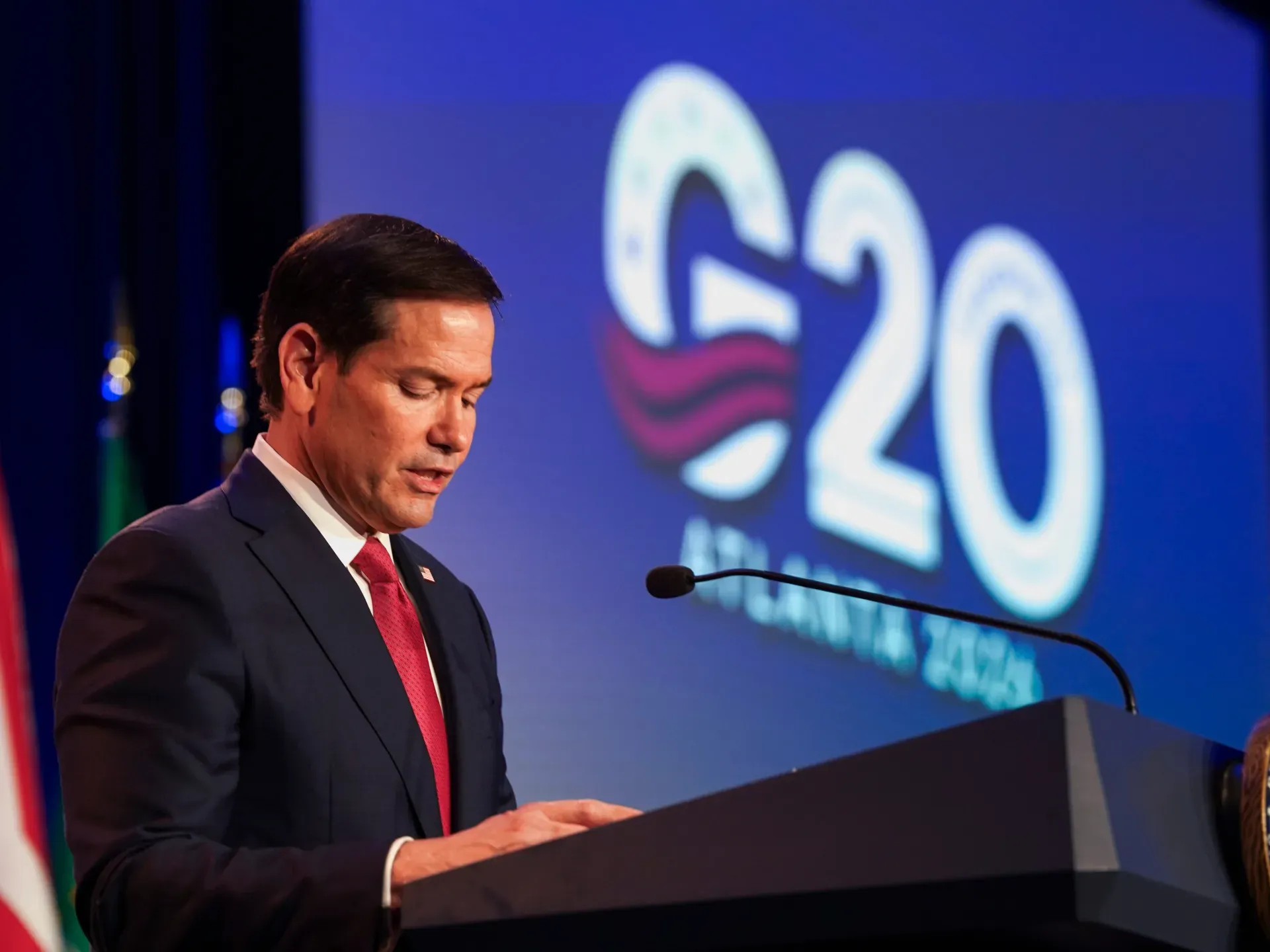
The United States, South Korea, and Japan have issued a formal reaffirmation of their commitment to the complete denuclearisation of North Korea. This diplomatic alignment took place on the sidelines of the Group of 20 (G20) summit held in Atlanta, US, on Thursday, October 30, 2026. According to a readout by the US Department of State, the top diplomats from the three nations expressed a "resolute commitment" to ensuring North Korea abandons its nuclear weapons program.
The meeting was not limited to a mere statement of intent; it included a pledge to enforce existing international legal frameworks. Specifically, US Secretary of State Marco Rubio, South Korean Foreign Minister Cho Hyun, and Japanese Foreign Minister Toshimitsu Motegi committed to the full implementation of United Nations Security Council resolutions. These resolutions include strict prohibitions on activities that provide revenue for North Korea’s ballistic missile and nuclear development programs.
The role of UN Security Council resolutions
The enforcement of these resolutions is a critical component of the trilateral strategy. By targeting the financial lifelines of Pyongyang’s weapons programs, the US, South Korea, and Japan aim to increase the economic cost of nuclear proliferation. This approach relies on international cooperation to prevent the illicit movement of funds and goods that sustain the DPRK's military advancements.
How is the US approach to North Korea evolving under President Trump?
US President Donald Trump has adopted a diplomatic stance that differs significantly from traditional Washington policy, often prioritizing direct engagement with Kim Jong Un. While the recent G20 statement maintains the official goal of denuclearisation, Trump's personal rhetoric has frequently leaned toward a more conciliatory tone. He has referred to the North Korean leader as a "friend" and has expressed a clear desire to facilitate new high-level meetings.
This shift was notably evidenced in the previous year when Trump departed from long-standing US doctrine by suggesting that North Korea had already achieved a status as a "sort of a nuclear power." This recognition of the current reality has led to increased speculation regarding the next steps in US-DPRK relations. Current diplomatic circles are closely watching for signs of a potential reconnection between Trump and Kim at the upcoming APEC summit in China, which the US President is scheduled to attend.
The potential for a summit in China is bolstered by reports from intelligence sources. South Korean spy agencies and various analysts suggest that Kim Jong Un may have already communicated Pyongyang’s willingness to engage in talks to Chinese officials during a recent visit to the border city of Dandong. This suggests that the groundwork for a high-stakes meeting may already be in motion, even as official trilateral statements maintain a hardline stance on denuclearisation.
What are the competing views on North Korean sanctions and freezes?
There is a significant internal debate within the region regarding whether to demand immediate denuclearisation or to pursue a strategic freeze of North Korea's nuclear capabilities. This tension is most visible in the differing approaches of the US administration and the current South Korean government.
South Korean President Lee Jae Myung has advocated for a more flexible approach. In September, Lee suggested that the United States should seek a freeze of the North's nuclear program rather than demanding its immediate elimination. In exchange for this freeze, Lee proposed that Washington provide sanctions relief to Pyongyang. This "dovish" policy is intended to create a pathway for dialogue by reducing the immediate economic pressure on the North Korean regime.
The risks of a nuclear freeze policy
Critics of President Lee's approach argue that seeking a freeze instead of full denuclearisation carries heavy geopolitical risks. The primary concern is that such a policy could lead to the tacit acceptance of North Korea as a permanent nuclear-armed state. Opponents suggest that providing sanctions relief in exchange for a freeze might allow Pyongyang to secure economic benefits without ever truly relinquishing its arsenal, effectively rewarding the regime for its nuclear brinkmanship.
Why does North Korea resist international pressure?
North Korea has moved beyond mere resistance to international sanctions, instead choosing to legally codify its nuclear status within its own domestic framework. Pyongyang has officially declared its atomic arsenal to be both permanent and irreversible, a move designed to signal to the international community that further negotiations for denuclearisation are futile.
The geopolitical landscape further complicates the enforcement of sanctions. North Korea continues to receive significant support from Russia and China, which limits the effectiveness of the UN Security Council's restrictive measures. This support provides a buffer that allows Pyongyang to withstand much of the economic pressure exerted by the West.
In response to recent international efforts to monitor and enforce sanctions, the North Korean government has issued sharp denunciations. Pyongyang has characterized the efforts of monitoring nations as a "stereotyped sanctions racket" orchestrated by the United States and its allies. The regime maintains that these collective measures will have no impact on the Democratic People's Republic of Korea's position as a recognized nuclear weapons state.
Key takeaways
- The US, South Korea, and Japan reaffirmed their commitment to the complete denuclearisation of North Korea at the G20 in Atlanta.
- Top diplomats pledged to fully implement UN Security Council resolutions to block revenue for North Korea's weapons programs.
- President Trump has expressed interest in meeting Kim Jong Un again, possibly at the upcoming APEC summit in China.
- South Korean President Lee Jae Myung has proposed a nuclear freeze in exchange for sanctions relief, a move criticized by some as accepting a nuclear North Korea.
- North Korea has legally enshrined its nuclear status as permanent and irreversible, backed by support from Russia and China.
FAQ: Denuclearisation of North Korea
What was the main goal of the G20 meeting in Atlanta?
The primary goal for the US, South Korea, and Japan was to issue a joint statement reaffirming their commitment to the complete denuclearisation of North Korea. They also pledged to enforce UN Security Council resolutions to cut off funding for the North's missile and nuclear programs.
Is a meeting between Trump and Kim Jong Un expected?
There is significant speculation that US President Donald Trump and Kim Jong Un may meet at the upcoming APEC summit in China. This follows Trump's expressed desire to reconnect with the North Korean leader and reports that Kim may have signaled interest to Beijing.
What is the difference between a nuclear freeze and denuclearisation?
Denuclearisation requires the complete and verified removal of all nuclear weapons. A nuclear freeze, as proposed by South Korean President Lee Jae Myung, would only require North Korea to stop developing and testing weapons in exchange for sanctions relief, which critics fear accepts their nuclear status.
How does North Korea view international sanctions?
North Korea views international sanctions as a "sanctions racket" led by the US and Western nations. The regime has declared its nuclear arsenal to be permanent and irreversible, stating that these measures will not change its status as a nuclear-armed state.
What role do China and Russia play in this conflict?
China and Russia provide significant support to North Korea, which helps the regime withstand the impact of UN Security Council sanctions. This support makes it much more difficult for the US, South Korea, and Japan to achieve their goal of complete denuclearisation.
Conclusion
The recent trilateral declaration in Atlanta underscores a profound tension in Northeast Asian security. While the US, South Korea, and Japan remain unified in their formal demand for the complete denuclearisation of North Korea, the practical path forward is increasingly fragmented. The divergence between the hardline diplomatic stance of the G20 statement and the potential for renewed direct engagement between President Trump and Kim Jong Un creates an uncertain landscape. As North Korea continues to legally solidify its nuclear status with the support of China and Russia, the international community faces the difficult challenge of balancing sanctions enforcement with the possibility of meaningful diplomatic breakthroughs.