What are the reported casualties from the Nyala drone strike?
Emergency Lawyers, a rights organization monitoring violence in Sudan, reports that the drone strikes in southwestern Darfur killed more than 100 people and wounded 113 individuals. The group noted that the majority of the victims were women and children. These figures reflect a catastrophic loss of life in a city that serves as the de facto capital for the paramilitary Rapid Support Forces (RSF).
The scale of the tragedy is further evidenced by reports from medical personnel on the ground. Doctors Without Borders (MSF) stated that a hospital under its support in Nyala received 36 bodies in the immediate aftermath of the strikes. Notably, 21 of those deceased were wearing civilian clothing. MSF teams also treated more than 150 wounded individuals in the emergency room following the attacks.
Discrepancies in casualty reporting
While rights groups provide the highest estimates, other organizations have issued more conservative preliminary figures due to the difficulty of accessing the site. The Sudan Doctors Network reported 21 dead and more than 40 wounded, noting that shelling was the primary cause of death in their count. The group highlighted that their reporting was delayed because active military operations and security constraints in Nyala hindered the ability to verify the conditions of victims and the injured.
How did the attack impact the Nyala market and surrounding areas?
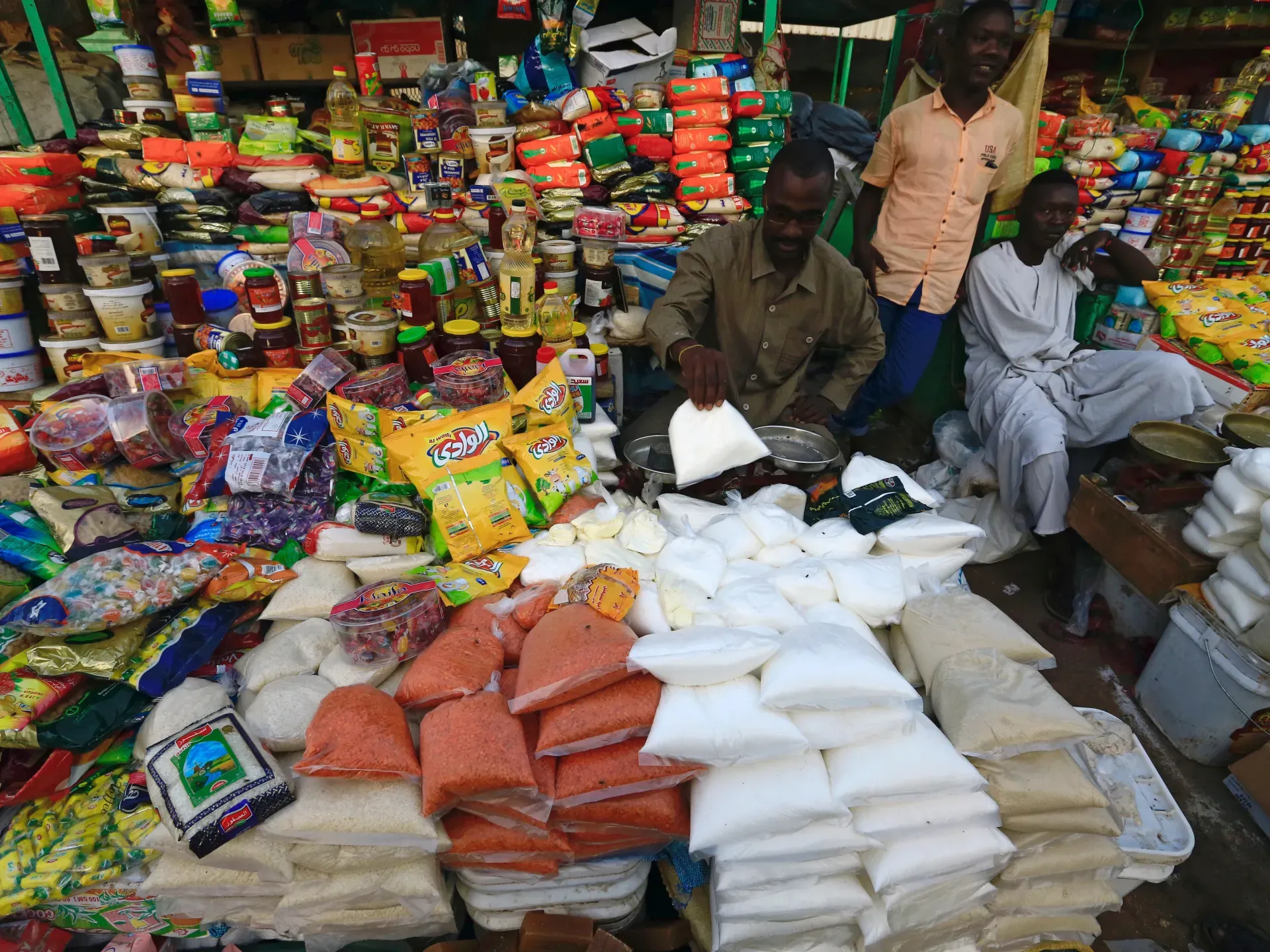
Witnesses describe a scene of chaos where a busy commercial hub was transformed into a site of mass casualties. According to a cigarette vendor who spoke to the Associated Press on the condition of anonymity, hundreds of RSF fighters had gathered at the market on the evening of the attack. The drone strike occurred around 8:00 PM (18:00 GMT), hitting a location where fighters and civilian food vendors were intermingled.
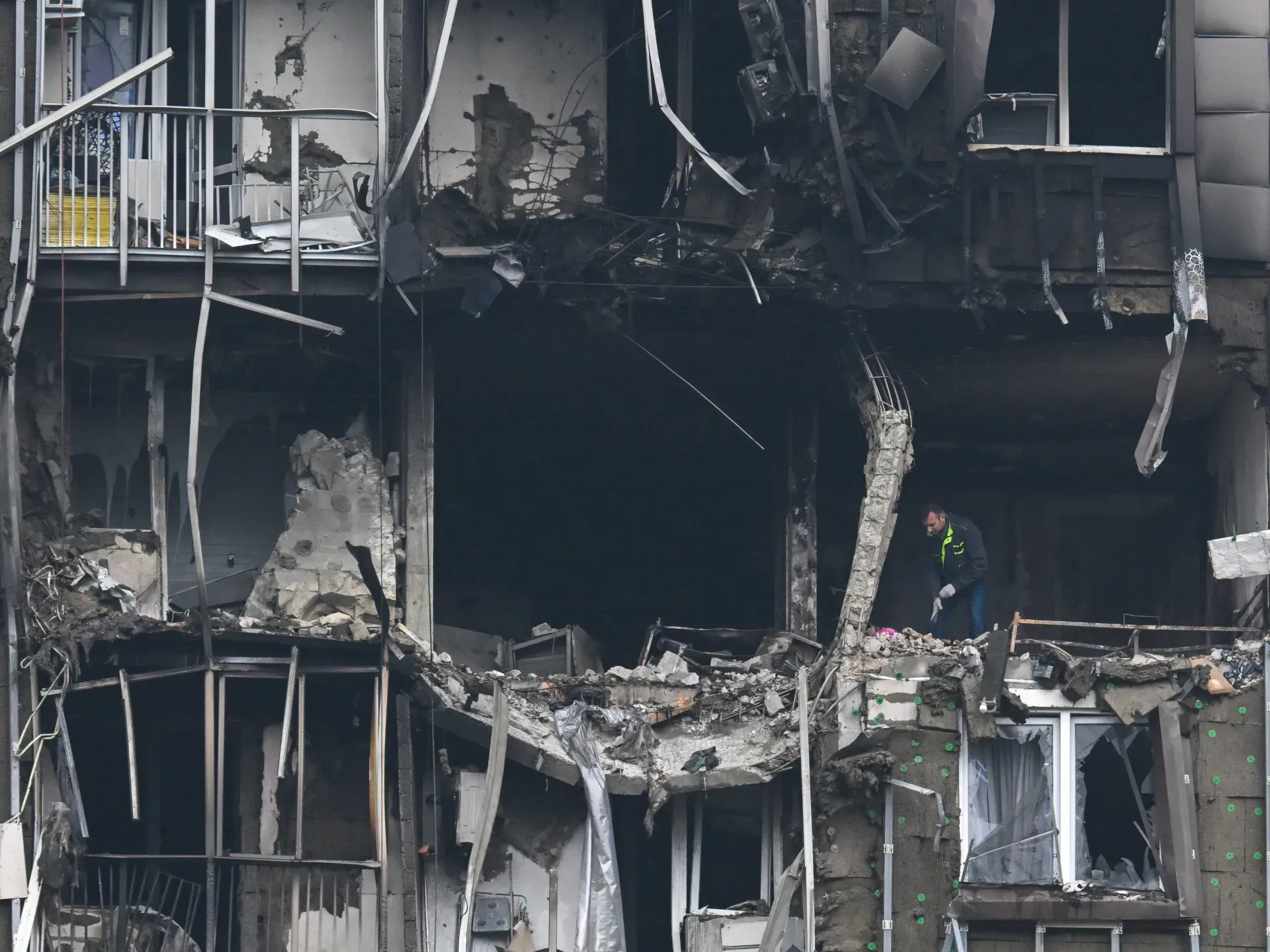
The destruction was not limited to the marketplace. MSF reported that a second strike hit a civilian neighborhood following the initial attack on the market. This pattern of strikes in populated areas has heightened local anxiety. Mubarak Bekheit, an aid worker in Darfur, noted that many residents remain in a state of constant fear due to the possibility of further bombardments. He also indicated that several bodies had not yet been recovered from homes in the residential areas hit by the strike.
What is the military's justification for the strike?
The Sudanese army's Special Operations Forces have characterized the event as a successful military operation rather than a civilian tragedy. Mohamed Didan, the official spokesperson for these forces, stated on Facebook that the strike was a "precise and targeted air strike." According to Didan, the operation killed more than 150 militia recruits at the Dumaya camp, located west of Nyala.
This military narrative stands in direct opposition to the accounts provided by humanitarian organizations and local witnesses. While the army maintains that the targets were combatants, the presence of civilian vendors selling goods to paramilitary fighters suggests a high degree of overlap between military presence and civilian activity in the city. The inability to independently verify these conflicting claims remains a significant challenge for international observers due to the ongoing conflict in the region.
How is drone warfare changing the civilian crisis in Sudan?
The United Nations has identified drone strikes as the leading cause of civilian deaths in the ongoing Sudanese war. As the conflict enters its fourth year, the shift toward aerial drone technology has intensified the humanitarian catastrophe, pushing various regions of the country toward famine. The precision claimed by military forces often fails to account for the high density of civilians in urban centers like Nyala.
The impact of the war extends beyond immediate kinetic violence to long-term nutritional and survival crises. In areas controlled by the RSF, such as Nyala, the vulnerability of the population is increasing rapidly. According to UN estimates released this month, the proportion of children seeking treatment for severe acute malnutrition in RSF-controlled zones more than doubled between January and August 2026, rising from 5 percent to 11 percent.
The intersection of combat and famine
The use of drones in densely populated markets and neighborhoods exacerbates the existing food insecurity. When commercial hubs are targeted or destroyed, the local supply chains for essential goods are severed, contributing to the starvation risks already present in the region. The combination of active bombardment and the collapse of nutritional support systems creates a lethal environment for the most vulnerable demographics, particularly women and children.
FAQ: Darfur market drone strike
How many people were killed in the Nyala drone strike?
The rights group Emergency Lawyers reports that more than 100 people were killed in the attacks. While the Sudan Doctors Network provided a lower preliminary figure of 21 dead, MSF confirmed receiving 36 bodies at a supported hospital, many of whom were in civilian clothing.
Who was targeted during the attack in Nyala?
The Sudanese army claims the strike was a precise operation targeting over 150 militia recruits at the Dumaya camp. However, witnesses and rights groups report that the strike hit a busy market and a civilian neighborhood, killing many women and children who were selling food.
What role do drones play in the current Sudan conflict?
Drones have become the leading cause of civilian fatalities in Sudan, according to the United Nations. Their use in urban environments and near civilian infrastructure has significantly increased the death toll and contributed to the broader humanitarian and famine crises in the country.
What is the humanitarian situation in RSF-controlled areas?
The situation is critical, with malnutrition rates rising sharply. UN data shows that the share of children treated for severe acute malnutrition in RSF-controlled areas like Nyala rose from 5% to 11% between January and August 2026.
Why is it difficult to verify the exact number of casualties?
Verification is hindered by active military operations, security constraints, and limited access to field documentation in Nyala. These challenges prevent medical and human rights groups from accurately monitoring and confirming the total number of victims and the specific circumstances of their deaths.
Key takeaways
- Emergency Lawyers reports over 100 deaths and 113 wounded in the Nyala drone strike.
- MSF confirmed receiving 36 bodies, with 21 victims identified as wearing civilian clothing.
- The UN identifies drone warfare as the primary driver of civilian deaths in Sudan.
- Malnutrition among children in RSF-controlled areas rose from 5% to 11% this year.
The human cost of modern warfare in Sudan
The strikes in Nyala underscore a grim reality of the Sudanese conflict: the blurring of lines between military targets and civilian life. While the army defends its actions as precise strikes against militia recruits, the evidence from medical responders and rights groups points to a devastating toll on non-combatants. As drone warfare becomes a central feature of the struggle between the RSF and the army, the civilian population remains caught in a cycle of violence and famine. The increasing frequency of strikes on markets and residential areas suggests that the protection of civilian infrastructure is being systematically undermined, leaving the most vulnerable to bear the heaviest burden of the war.