What are the primary components of Russia's alleged sabotage campaign?
The campaign consists of a multi-dimensional "shadow war" that utilizes both kinetic and non-kinetic methods to destabilize European security. This includes frequent airspace violations by Russian fighter aircraft in Poland, Estonia, and Lithuania, as well as the downing of suspected Russian drones over Finland and the Baltic states.
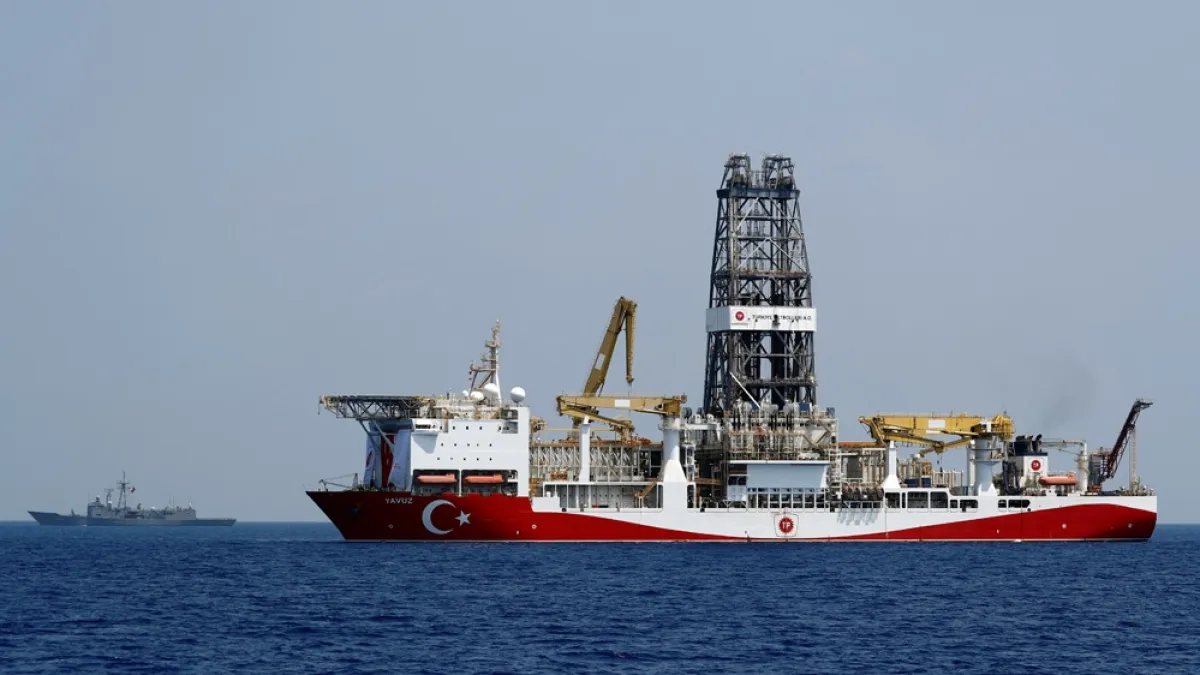
Beyond aerial incursions, the scope of these operations has expanded to maritime and terrestrial borders. In October 2026, Ukraine accused Russia of employing aerial and surface drones to sink four cargo vessels near the territorial waters of Bulgaria, a NATO and EU member. This move is interpreted as a signal regarding the vulnerability of grain exports passing through NATO-controlled waters.
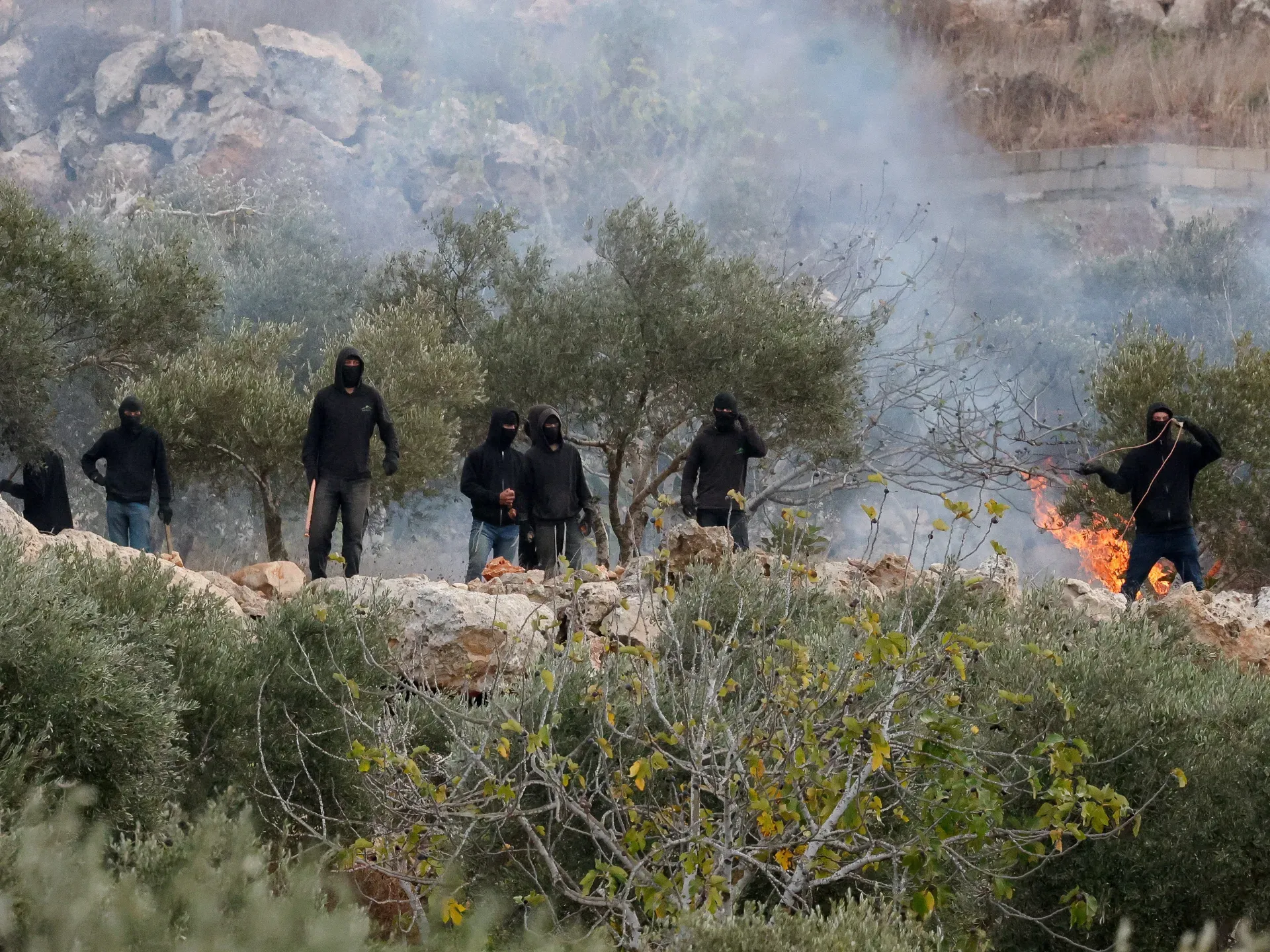
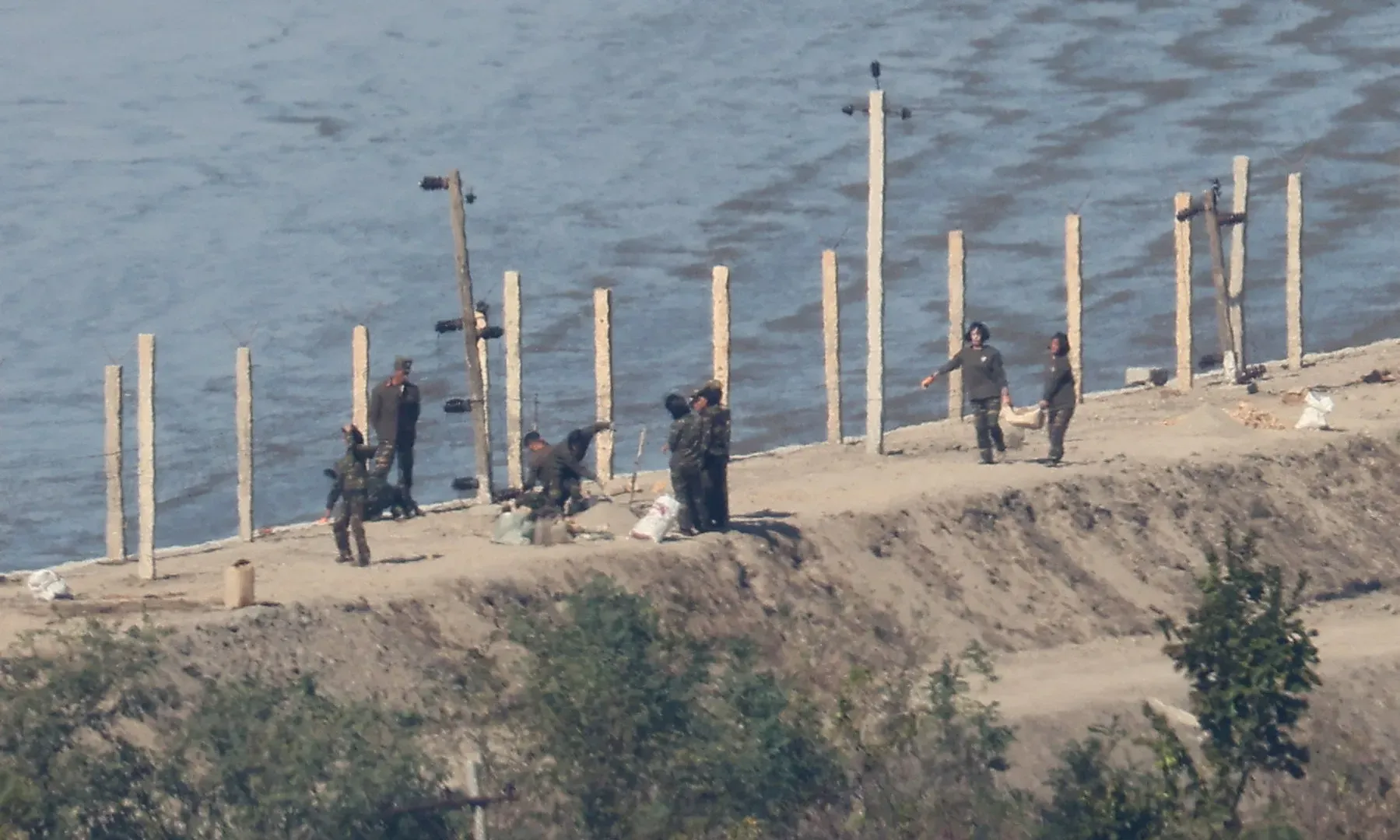
On land, the strategy involves the destabilization of the Baltic states through the manipulation of borders. Ieva Cesniece, Latvia’s ambassador to Greece, reported to Al Jazeera that masked and potentially armed individuals from the Belarus side have attempted to force illegal migrants into Latvia. These incidents often coincide with deliberate acts of sabotage, such as the destruction of border infrastructure and the removal of surveillance equipment.
The role of hybrid tactics in border destabilization
The use of irregular migration as a tool of statecraft is a central pillar of this campaign. By creating fluid and unpredictable borders, Moscow aims to strain the social and security resources of EU member states. According to Ambassador Cesniece, the intensity of these tests increases as Russia faces difficulties on the ground in Ukraine, suggesting a direct link between the two fronts of conflict.
How is the European defence industry being targeted?
Russian operations are increasingly shifting focus toward the industrial backbone of European security. Intelligence reports and media investigations suggest that Moscow is actively seeking to disrupt the supply chains and personnel of companies providing military support to Ukraine.
Recent specific threats include:
- Targeted Assassinations: Five EU intelligence agencies informed the Financial Times that Russia is seeking to target European defence executives.
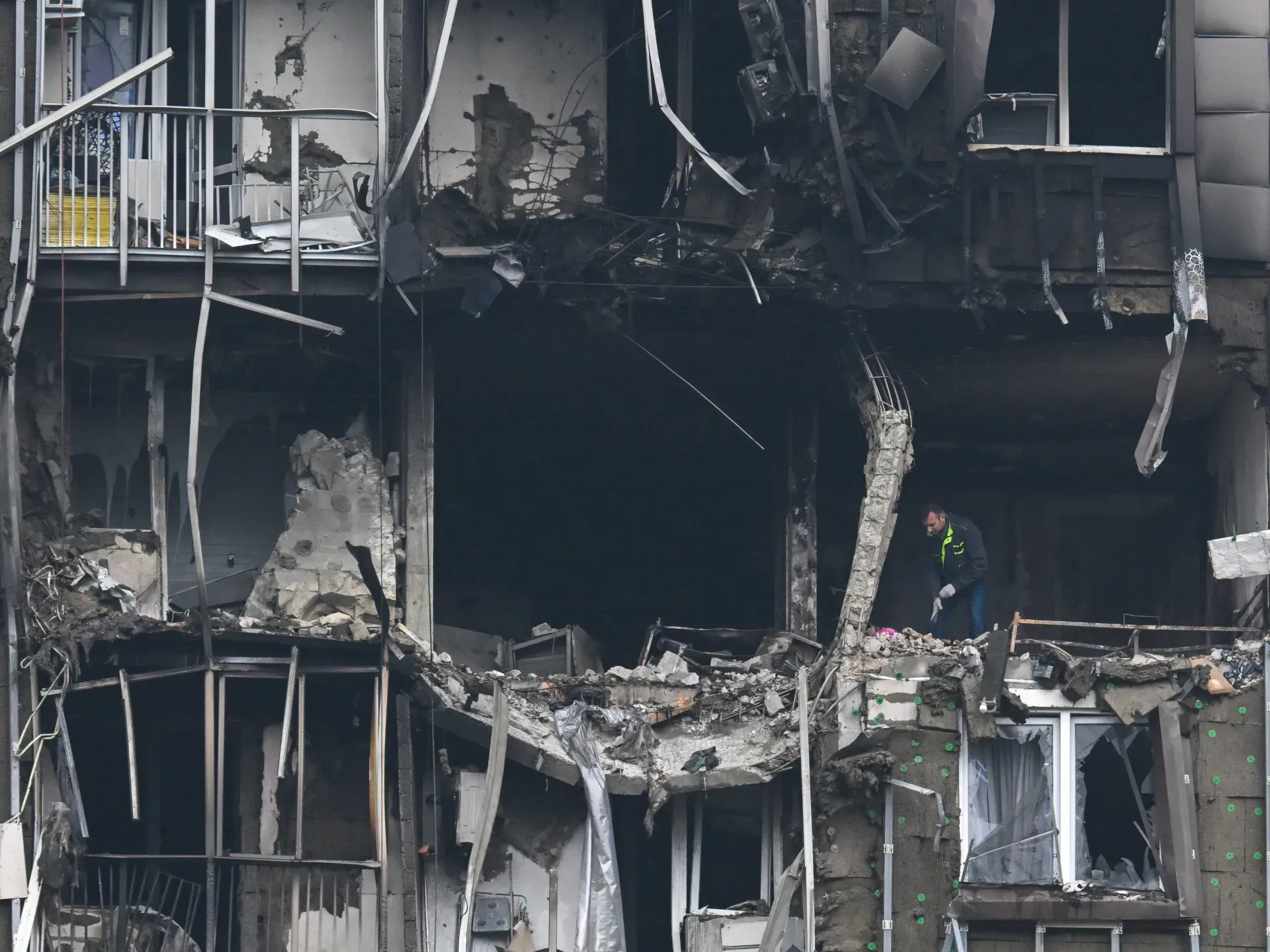
- Incendiary Attacks: German media, specifically the Frankfurter Allgemeine Zeitung, reported that incendiary devices were planted in the Munich offices of defence firms Rohde & Schwarz and Helsing.
- Logistical Disruption: The European Commission verified a Russian operation involving an attempt to destroy cargo planes at Germany’s Leipzig/Halle Airport in August.
Olena Tregub, cofounder of Ukraine’s Independent Anti-Corruption Commission, notes that Russia does not distinguish between battlefield capabilities and the European infrastructure that enables them. From the Kremlin's perspective, any factory, logistics hub, or technology provider contributing to Ukraine's defense is a legitimate target for disruption.
Why are experts concerned about a military escalation?
Security analysts warn that the current wave of sabotage may be a precursor to direct conventional military conflict. The transition from "messaging" to active kinetic operations suggests that Russia is testing the threshold of NATO's collective defense response.
Czech intelligence chief Michal Koudelka issued a stark warning in September, suggesting that a Russian military attack on a NATO member could occur in "months, not years." This sentiment is echoed by Ukrainian President Volodymyr Zelenskyy, who cautioned that while European leaders are hesitant to provoke escalation, the arrival of ballistic missiles and large-scale drone swarms will force a much more vocal response.
Oleksandr Danylyuk, a Russian warfare expert with the Royal United Services Institute, argues that the current lack of significant retaliation creates a vacuum. He suggests that because Russia currently faces few consequences for its hybrid activities, its operations are limited only by its own technical capabilities rather than by political or economic deterrents.
What measures could Europe take to increase deterrence?
Deterrence requires more than just defensive fortification; it necessitates making the cost of Russian operations prohibitively high. Experts suggest a combination of immediate tactical responses and long-term strategic shifts.
According to Minna Alander of the Center for European Policy CEPA, several realistic retaliatory measures are available to the EU and NATO, including:
- Denying travel visas to suspected operatives.
- Conducting retaliatory cyberattacks against Russian infrastructure.
- Increasing interdiction of the Russian oil fleet.
- Imposing sanctions on Chinese suppliers providing goods to the Russian defence sector.
Danylyuk emphasizes that financial and military support for Ukraine remains the most potent deterrent. He proposes a model where every detected Russian intelligence operation in Europe triggers a proportional increase in combined support for Ukraine, such as a 10% to 20% boost in aid.
The challenge of political will in the West
Implementing these deterrents is complicated by shifting political landscapes in Europe. While experts call for increased pressure, the United States withdrew significant military and financial support in early 2025, and several European governments are facing domestic opposition to continued aid. This perceived hesitation may inadvertently signal to Moscow that the costs of hybrid warfare remain manageable.
Frequently asked questions
What is the difference between hybrid war and conventional war?
Hybrid war involves a blend of non-traditional methods such as cyberattacks, disinformation, economic pressure, and the use of irregular forces or migrants to destabilize an opponent. Unlike conventional war, which relies on declared military force between states, hybrid warfare aims to achieve political goals while remaining below the threshold of open conflict.
How does Russia use migration to destabilize Europe?
Russia and Belarus use migration as a tool of destabilization by orchestrating the movement of undocumented migrants toward EU borders, such as Latvia. This creates humanitarian and security crises, strains border resources, and tests the political cohesion of the European Union and NATO members.
Are European defence companies safe from Russian interference?
Recent reports suggest they are not. Incidents involving incendiary devices in German offices and intelligence warnings about targeting defence executives indicate that Russia is actively attempting to disrupt the supply chains and personnel essential to European military production.
What is "deterrence by denial" in the context of NATO?
Deterrence by denial is a strategy aimed at making an adversary's attack unsuccessful by strengthening defenses so that the cost of the attempt outweighs any potential gain. For the Baltic states, this could involve placing more NATO troops forward to ensure any incursion is immediately repelled.
Why is the Black Sea a zone of concern for NATO?
The Black Sea is a critical maritime corridor for grain exports and energy. Recent accusations that Russian drones have sunk cargo ships near Bulgaria demonstrate that Moscow is willing to target commercial shipping near NATO territorial waters to project power and threaten economic stability.
Key takeaways
- Russia is conducting a multidimensional shadow war involving drone incursions, cyberattacks, and border destabilization.
- European defence companies and their executives are being targeted by suspected Russian sabotage and assassination plots.
- Experts warn that the lack of a strong retaliatory response to hybrid attacks may lead to conventional military escalation.
- Increased military and financial support for Ukraine is cited as a primary method for establishing effective deterrence.
The evolving landscape of European security
The shift from traditional battlefield combat to a pervasive shadow war across the European continent represents a fundamental change in the security paradigm. As Russia tests the resilience of NATO and EU infrastructure, the distinction between domestic security and frontline combat continues to blur. The ability of European nations to identify, expose, and punish the networks behind these operations will likely determine whether these hybrid incursions remain isolated incidents or evolve into a broader, more destructive conflict. Ultimately, the effectiveness of European deterrence will depend on whether political will can match the increasing scale of the threat.