Scale of the drone attack on the capital
The sheer volume of drones launched towards Moscow represents one of the most significant aerial challenges faced by Russian air defence in recent months. According to the Russian state news agency TASS, the attack involved 613 drones directed at the capital region.
Moscow Mayor Sergei Sobyanin provided specific details regarding the interception efforts via Telegram. He stated that air defence forces successfully destroyed 231 unmanned aerial vehicles (UAVs) while they were on approach to the city. The remaining drones were reportedly neutralised on more distant approaches during the period spanning Wednesday evening to Thursday morning. This massive deployment follows a pattern of increasing aerial intensity, including a record-breaking event in September where Russian forces reported shooting down more than 1,600 drones.
The intensity of these operations highlights the evolving nature of the conflict, where large-scale, coordinated drone swarms are used to overwhelm defensive perimeters. While the majority of the 613 drones were reportedly intercepted, the scale of the deployment suggests a strategic attempt to test the capacity and response times of Moscow's integrated air defence systems.
Widespread impact across Russian regions
The aerial assault was not confined to the Moscow region, as the Russian defence ministry reported a much broader scope of activity. According to the Russian defence ministry, 1,214 Ukrainian drones were intercepted and destroyed across various Russian regions overnight.
One notable incident occurred in Sterlitamak, the second-largest city in the Bashkortostan region. Mayor Emil Shaimardanov reported on Telegram that debris from downed drones caused minor damage to an unnamed industrial facility. However, he confirmed that the plant remained operational. In this specific instance, local air defence units successfully shot down all eight drones that targeted the area.
These regional strikes demonstrate that the drone campaign is being conducted across a wide geographical breadth, targeting both political hubs and industrial infrastructure. The use of drones to strike industrial sites in cities like Sterlitamak reflects a strategy aimed at disrupting the economic and logistical foundations supporting the Russian military effort.
Counter-strikes and the humanitarian toll
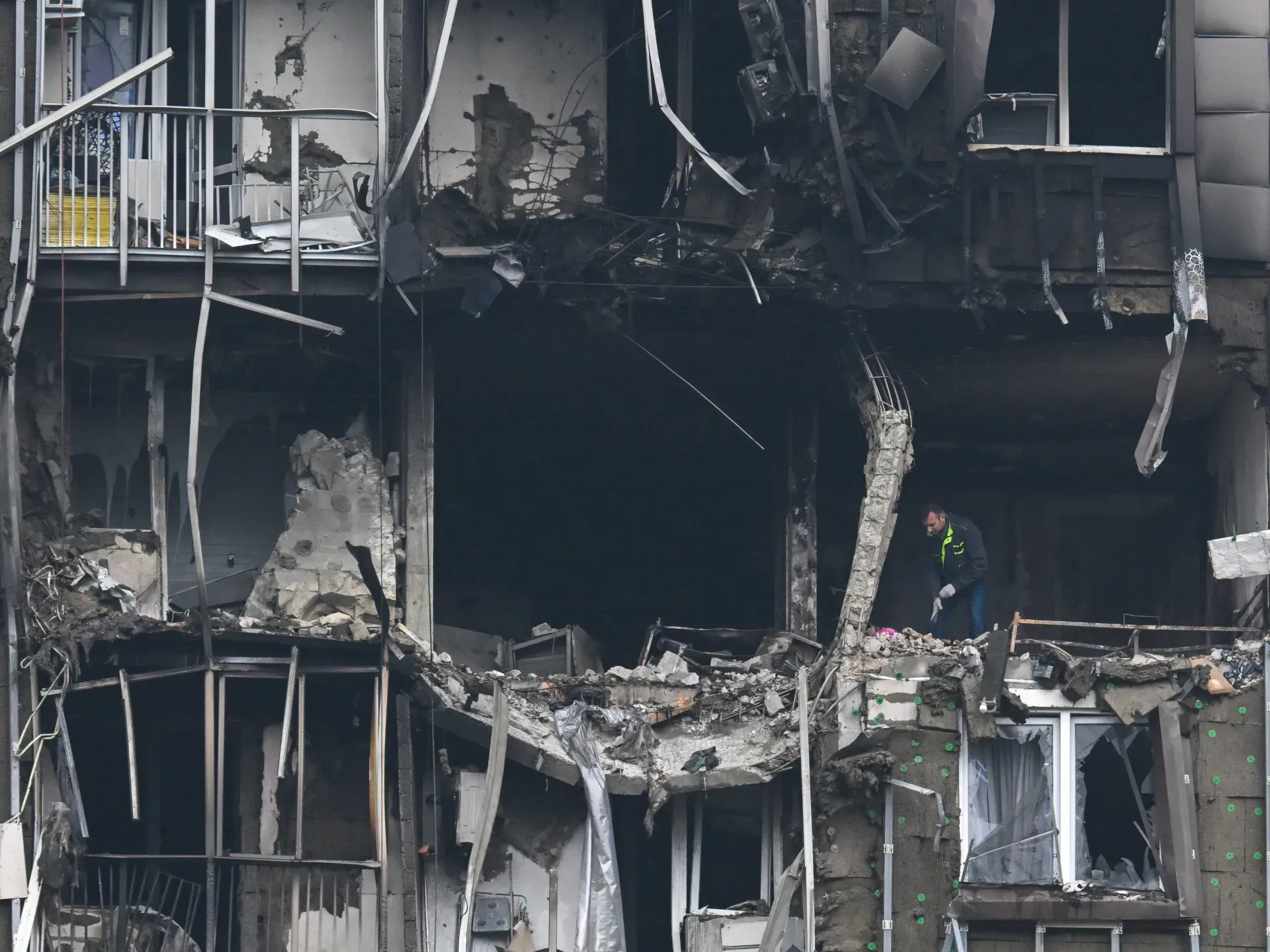
As drone numbers rise in Russian territory, Russia has simultaneously intensified its own kinetic strikes against Ukrainian urban centres and maritime assets. In Ukraine, the city of Kharkiv faced significant damage during a Russian attack, according to Mayor Ihor Terekhov.
The impact on civilian infrastructure has been documented in several locations. In Kharkiv, an educational institution was damaged during the strikes. Furthermore, Ukrainian authorities reported that strikes in the Rivne region resulted in at least one fatality. The cross-border nature of these attacks ensures that both nations continue to face significant risks to civilian life and public services.
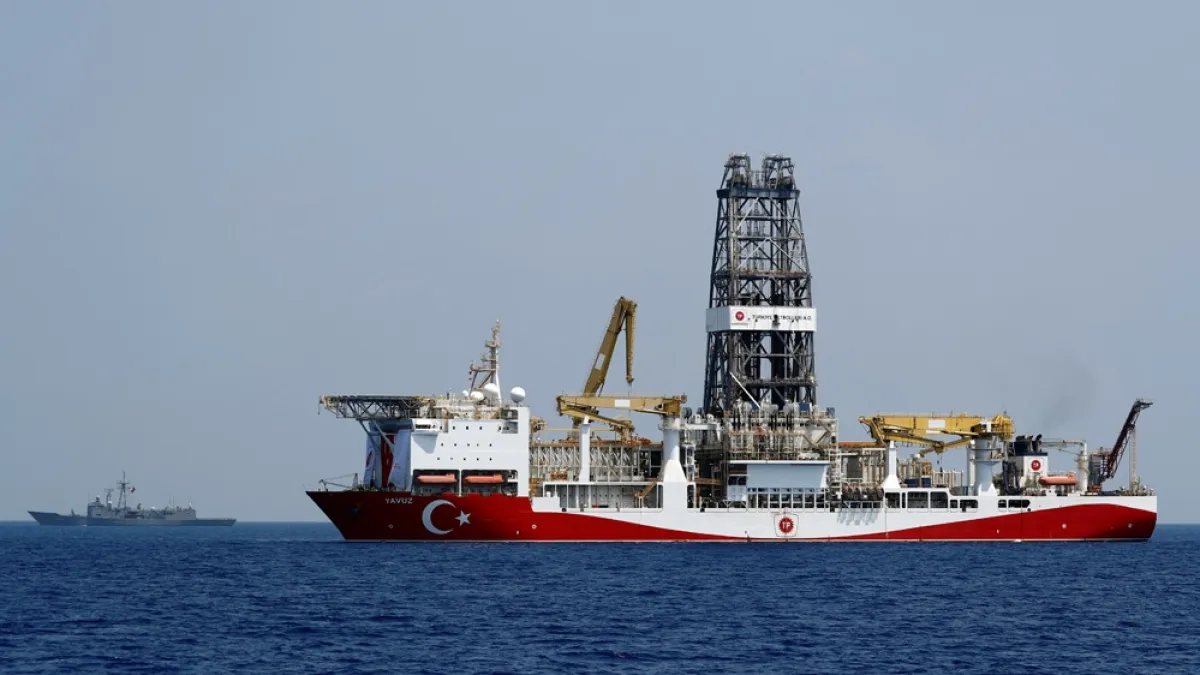
In addition to land-based strikes, Russia has targeted maritime logistics. Russian news agencies, citing the defence ministry, reported that Moscow conducted a strike against a cargo vessel in the Black Sea, which was allegedly being used for military purposes by Ukraine. This multi-domain approach—combining drone swarms, missile strikes, and maritime interdiction—characterises the current phase of the war.
Diplomatic context amidst escalating warfare
The surge in aerial combat occurs at a critical juncture for potential diplomatic engagement. Despite the increase in drone strikes and missile exchanges, both Moscow and Kyiv are reportedly preparing for upcoming peace negotiations.
These talks are scheduled to take place next month and are expected to involve mediation by the United States. The paradox of heightened military activity occurring alongside the preparation for diplomacy suggests a period of intense pressure. Both sides appear to be attempting to secure better leverage on the ground before entering the mediated discussions.
The effectiveness of these future talks remains uncertain, especially as the scale of drone warfare continues to grow. The ability of both nations to balance military objectives with the requirements of a diplomatic process will likely determine the trajectory of the conflict in the coming months.
Frequently Asked Questions
How many drones were involved in the Moscow attack?
A total of 613 drones were launched towards Moscow during the overnight operation. Moscow Mayor Sergei Sobyanin confirmed that air defence forces intercepted 231 of these UAVs on their approach to the city, while the rest were neutralised further away from the capital.
What was the impact on industrial facilities in Russia?
In Sterlitamak, located in the Bashkortostan region, debris from downed drones caused minor damage to an unnamed industrial facility. According to Mayor Emil Shaimardanov, all eight drones targeting the city were shot down, and the facility continued its operations as usual.
Are peace talks scheduled to take place?
Yes, both Russia and Ukraine are preparing to resume peace talks next month. These negotiations are expected to be conducted with mediation from the United States, even as both sides continue to increase the frequency of drone and missile attacks.