What are the driving motivations behind the US-Israel war on Iran?
The current conflict is fueled by the strategic objectives of the Israeli and United States governments, both of which seek to maintain or expand their respective spheres of influence. According to the analysis, Israel's political leadership is guided by a doctrine of military supremacy intended to ensure survival through the subjugation or elimination of the Palestinian people. This approach rejects long-standing diplomatic alternatives, such as the 2002 Arab Peace Initiative, which offered full normalization in exchange for a Palestinian state based on 1967 borders.
The United States' involvement is characterized as an effort to preserve global hegemony amidst declining influence. The historical tension between Washington and Tehran dates back to the 1953 CIA-led overthrow of Prime Minister Mohammad Mossadegh, followed by decades of economic warfare and covert operations. The escalation reached a critical point in June 2025 when the US bombed Iranian nuclear sites, culminating in the open war launched in February 2026, which resulted in the death of Iran's supreme leader during initial strikes.
The Geopolitical Pivot of Iran
Iran's strategic importance is highlighted by its geographic position, commanding the Gulf and the Strait of Hormuz. This makes it a critical 'geopolitical pivot' in the context of global power dynamics. The risk of an 'antihegemonic' coalition involving China, Russia, and Iran remains a central concern for US strategic planners, a scenario that may be exacerbated by continued American antagonism in the region.
Why is the risk of renewed combat so high?
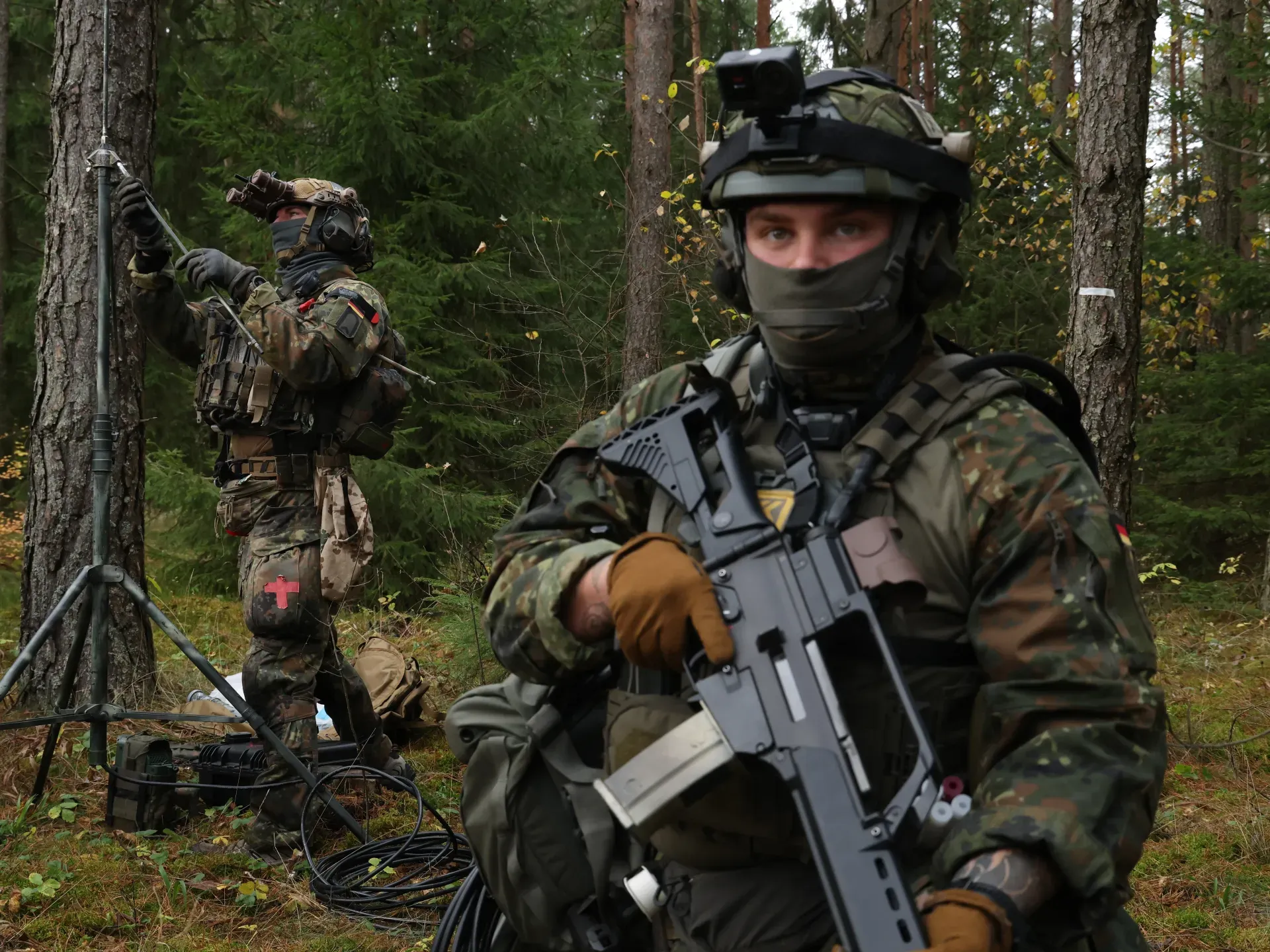
Signs of an imminent return to active warfare are evident through recent diplomatic and military movements. US War Secretary Pete Hegseth recently visited Israel to coordinate renewed joint strikes, with reports suggesting that upcoming targets include Iran’s nuclear facilities and petrochemical infrastructure. Furthermore, the White House has indicated that major operations will likely be deferred until after the November 3 midterm elections, effectively establishing a military timetable linked to the US political calendar.
On the Israeli side, political developments are intensifying the conflict. Prime Minister Benjamin Netanyahu has campaigned on a platform of regime change, explicitly stating that the only way to resolve the Iranian threat is through the overthrow of the current government. This stance is supported by his political allies, such as Itamar Ben-Gvir and Bezalel Smotrich. Meanwhile, Iran has responded by adopting a new offensive doctrine that prioritizes preemptive strikes against bases in neighboring countries used for operations against Iranian territory.
How does the conflict impact regional stability and energy?
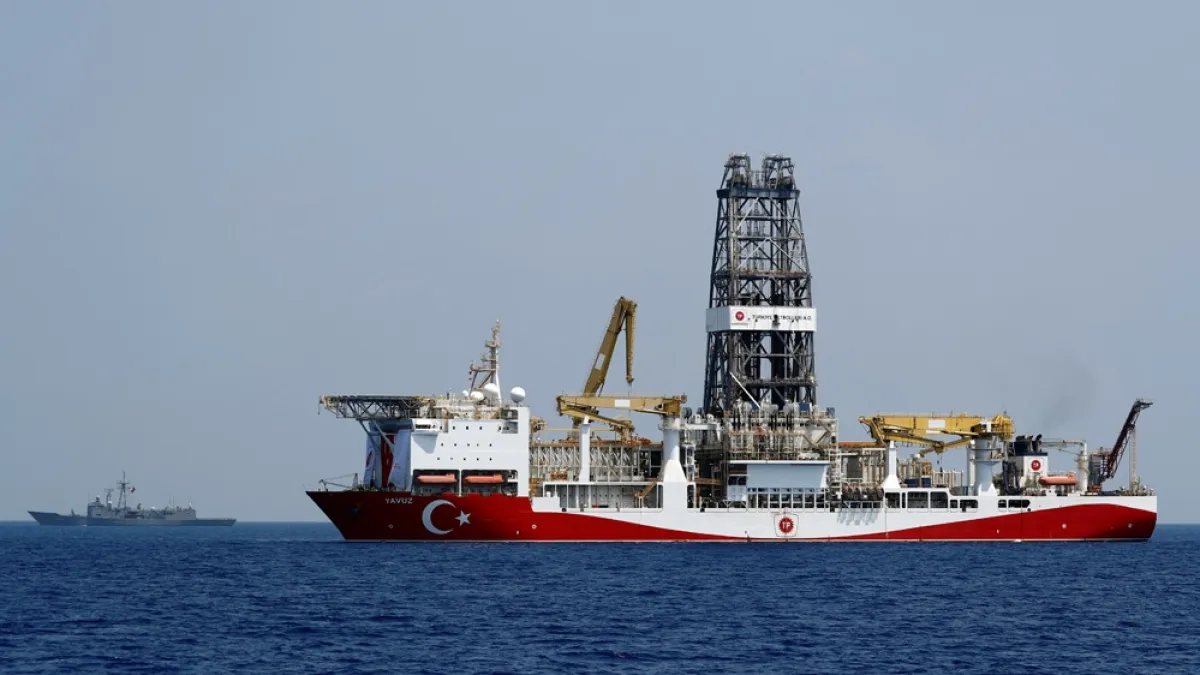
The war has direct consequences for the security of neighboring states and the stability of global energy markets. The US naval blockade of Iranian ports has exceeded 100 days, and maritime attacks in the Strait of Hormuz have reached new peaks. This instability threatens the global energy supply, a reality that Iranian commanders have used as a warning against renewed Western aggression.
For the Arab world, particularly the Gulf Cooperation Council (GCC) nations, the conflict presents a dual threat. The presence of US military bases has not provided a shield against escalation; instead, it has effectively turned host nations into potential targets for Iranian retaliation. The current US-Israeli strategy of 'divide and conquer'—positioning Iran as a permanent regional enemy—has resulted in significant economic losses for the Gulf and contributed to mass violence in Palestine and Lebanon.
What are the proposed solutions for a regional security framework?
A sustainable end to the conflict requires the Arab world to reject Israeli hegemony and move toward an independent regional security architecture. Rather than relying on Washington, the proposal suggests that security should be managed through regional cooperation involving Iran, the Gulf states, Egypt, Turkiye, Iraq, and Pakistan. This framework would be built on principles of mutual non-aggression, freedom of navigation, and the establishment of a nuclear-weapon-free zone that eventually includes Israel.
The implementation of such a framework relies on the leverage held by Arab states. If major players like Saudi Arabia and the United Arab Emirates were to declare that their territory and airspace would not be utilized for combat operations against Iran, the strategic calculations of both Washington and Tel Aviv would be forced to change. This would involve decoupling normalization efforts with Israel from regional security decisions, insisting instead that a sovereign Palestinian state is a prerequisite for stability.
Models for Palestinian Self-Determination
Achieving peace necessitates a resolution to the Palestinian question. Proposed models include the implementation of a two-state solution as outlined in the Arab Peace Initiative, the creation of a single binational democratic state, or the establishment of a confederation. The core requirement is that both Israeli Jews and Palestinian Arabs are granted safety, self-determination, and peace, moving away from the current apartheid-style governance.
Frequently asked questions
What triggered the direct war between the US, Israel, and Iran?
The direct war was triggered by the US joining Israel in open combat on February 28, 2026. This followed a period of intense escalation, including the June 2025 bombing of Iranian nuclear sites by the US and the subsequent killing of Iran's supreme leader in the opening strikes of the conflict.
How does the conflict affect global energy markets?
The conflict threatens global energy stability through potential disruptions in the Strait of Hormuz and the targeting of Iran's petrochemical facilities. Increased maritime attacks and the ongoing US naval blockade of Iranian ports contribute to significant volatility and the risk of a global energy crisis.
What is the role of the Arab Peace Initiative in this conflict?
The Arab Peace Initiative, originally proposed in 2002, serves as a potential roadmap for peace. It offers Israel full normalization with Arab states in exchange for the establishment of a sovereign Palestinian state based on the 1967 borders, a solution that remains a key component of regional stability discussions.
Why are Gulf states feeling vulnerable during this war?
Gulf states are vulnerable because the presence of US military bases has made their territories potential targets for Iranian retaliation. The conflict has shifted the regional dynamic, turning host nations into participants in a wider geopolitical struggle that threatens their economic and physical security.
What are the requirements for a new regional security framework?
A new framework would require cooperation between Iran, the Gulf states, Turkiye, Egypt, Iraq, and Pakistan. It must be based on mutual non-aggression, guaranteed freedom of navigation, and the creation of a zone free of nuclear weapons to ensure long-term stability.
Key takeaways
- The US-Israel war on Iran is currently in a lull but faces imminent escalation following the US midterm elections.
- Israeli leadership's doctrine focuses on military supremacy and the rejection of Palestinian sovereignty.
- US involvement is driven by a desire to maintain global hegemony and manage the 'geopolitical pivot' of Iran.
- A regional security framework independent of Washington is proposed as the primary path to lasting peace.
Conclusion
The current cycle of violence between the US, Israel, and Iran represents a breakdown of regional stability that cannot be resolved through military force alone. While the immediate combat has slowed, the underlying political motivations in Washington and Tel Aviv continue to drive the region toward further escalation. Breaking this cycle requires a fundamental shift in how the Middle East approaches security. By moving away from US-led hegemony and toward a collaborative, regional framework that includes Iran and prioritizes Palestinian self-determination, the Arab world can create a foundation for lasting peace and economic stability.