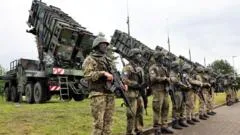
Why is the US approving the sale of Patriot missiles to Ukraine now?
The United States government has authorised the sale of 500 PAC-3 interceptor missiles to Ukraine to strengthen the country's ability to intercept Russian ballistic missiles. According to the US State Department, this sale is intended to support the national security objectives of the United States by enhancing the security of a partner country that serves as a pillar of political and economic stability in Europe.
The timing of this approval follows a period of intense diplomatic friction between Kyiv and Washington. Earlier this month, a dispute arose between President Volodymyr Zelensky and US President Donald Trump regarding the easing of sanctions on Russia as part of a deal to secure Russian diesel supplies. Furthermore, President Trump has recently suggested that Ukraine requires new leadership to negotiate an end to the conflict. Despite these political tensions, the approval of the missile sale follows recent diplomatic efforts, including talks held between Zelensky and US envoys in Oslo on October 20.
How will the $2.1bn missile sale be financed?
The $2.1bn (£1.6bn) cost of the 500 Patriot missiles will be covered entirely by international partners, ensuring that no US domestic funds are utilised for the purchase. The US State Department confirmed that the transaction will be financed through donations from Canada, Germany, and Norway via the JUMPSTART program, alongside national funds supported by the European Union's Ukraine Support Loan.
Lockheed Martin has been identified as the principal contractor for this massive munitions order. By leveraging the JUMPSTART program and EU-backed loans, the international community is effectively subsidising Ukraine's air defence requirements. This financial model allows the US to facilitate critical military hardware transfers without direct budgetary impact on the American taxpayer, shifting the economic responsibility to a coalition of European and North American allies.
Financial Breakdown and Funding Sources
The funding mechanism for this procurement is a multi-layered international effort. Instead of a direct bilateral purchase between the US and Ukraine, the transaction relies on a collective security framework. The primary contributors include:
- Canada, Germany, and Norway: Providing funds through the JUMPSTART program.
- European Union: Facilitating the purchase via the Ukraine Support Loan.
- National Funds: Various allied contributions directed toward Kyiv's defence budget.
This structure highlights the growing reliance on multilateral financial instruments to sustain Ukraine's long-term military capabilities during the ongoing war.
What are the challenges regarding the delivery of these missiles?
Deliveries of the approved Patriot missiles are expected to take several years, a timeline that poses a significant challenge for Ukraine's immediate defensive needs. President Zelensky has publicly requested that the US accelerate the release of these systems, noting that the country is currently running critically low on essential missile supplies.
The delay is driven by several logistical and manufacturing factors. First, the order is understood to consist of new builds rather than existing stockpiles, meaning there are no immediate missiles available for rapid deployment. Second, there is a severe global shortage of these munitions, partly due to their deployment by the US in conflicts involving Iran. Finally, production capacity is a major bottleneck; according to the US Department of Defence, only approximately 600 missiles are produced annually.
How are Russian strikes impacting Ukrainian infrastructure?
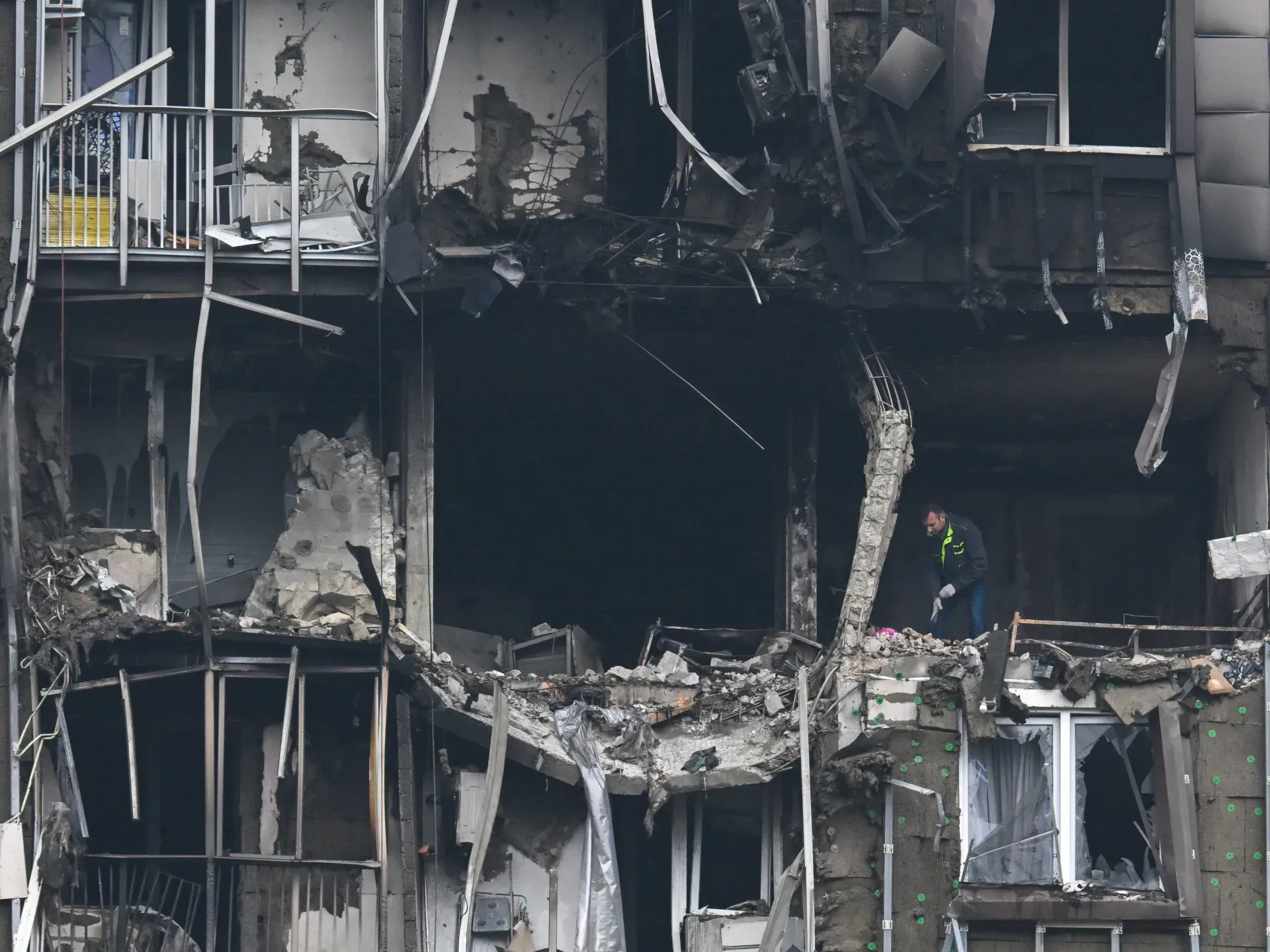
Russian aerial attacks are increasingly targeting Ukraine's civilian and energy infrastructure, leading to widespread power outages and humanitarian concerns. Following strikes on Friday night, Zelensky reported that approximately 200,000 households in the Dnipro region and at least 80,000 households in the Kyiv region were left without electricity.
The Russian military has been accused of deliberately targeting critical parts of the power grid to undermine Ukrainian resilience ahead of the winter months. Zelensky noted that there have been more than 30 Russian strikes on vital energy infrastructure over the last two weeks alone. These continuous attacks on the electrical grid necessitate the urgent deployment of advanced interceptors like the Patriot system to protect high-value civilian assets and maintain basic services for the population.
What is the geopolitical context at the G20 summit?
The approval of the missile sale coincides with significant diplomatic tension at the G20 foreign ministers' meeting in Atlanta, hosted by US Secretary of State Marco Rubio. European diplomats expressed their disapproval of Russia's presence by refusing to participate in an official group photograph that included Russian Foreign Minister Sergei Lavrov.
The atmosphere at the summit has been marked by direct confrontations. UK Foreign Secretary Ed Miliband addressed Lavrov directly, accusing the Russian government of being the aggressor and responsible for the deaths of innocent civilians in Ukraine. This diplomatic standoff underscores the deep divisions within the international community regarding the ongoing invasion and the role of Russia in global security.
Frequently asked questions
How many Patriot missiles are being sold to Ukraine?
The United States has approved the sale of 500 PAC-3 interceptor missiles to Ukraine. This large-scale order is intended to provide the country with much-needed air defence capabilities to counter the increasing frequency and lethality of Russian ballistic missile attacks.
Who is paying for the $2.1bn missile order?
The cost of the missiles will be fully covered by Ukraine's international allies. Specifically, funds are being provided by Canada, Germany, and Norway through the JUMPSTART program, supplemented by the European Union's Ukraine Support Loan, ensuring no US government funds are used.
Why will it take years for the missiles to arrive?
The delay is due to the fact that the order involves new manufacturing rather than existing stock. Additionally, global production is limited, with the US Department of Defence stating that only about 600 missiles are produced per year, creating a significant supply bottleneck.
Which company is manufacturing the missiles?
Lockheed Martin has been named as the principal contractor for this sale. The American aerospace and defence company will be responsible for the production and supply of the PAC-3 interceptor missiles as part of this multi-billion dollar international agreement.
What is the impact of these missiles on Ukraine's energy grid?
The Patriot missiles are intended to protect critical infrastructure, such as the power grid, from Russian strikes. Currently, Russia is targeting energy assets to cause blackouts, with recent strikes leaving hundreds of thousands of households in the Dnipro and Kyiv regions without electricity.
Key takeaways
- The US approved a $2.1bn sale of 500 PAC-3 Patriot missiles to Ukraine.
- Funding is provided entirely by allies, including Canada, Germany, Norway, and the EU.
- Lockheed Martin is the principal contractor for the missile production.
- Delivery is expected to take years due to a global production limit of 600 missiles annually.
- Russian strikes have recently left over 280,000 Ukrainian households without electricity.
Conclusion
The approval of 500 Patriot missiles represents a substantial boost to Ukraine's long-term air defence strategy, yet it offers little immediate relief for the current crisis. While the financial burden is successfully shared among international allies, the manufacturing constraints and the requirement for new builds mean that Kyiv must continue to endure intense Russian strikes on its energy infrastructure for the foreseeable future. As the geopolitical landscape shifts through G20 tensions and changing US political priorities, the successful delivery of these interceptors remains a critical factor in Ukraine's ability to protect its civilian population and maintain national stability.