What is included in the $2.1bn Patriot missile sale to Ukraine?
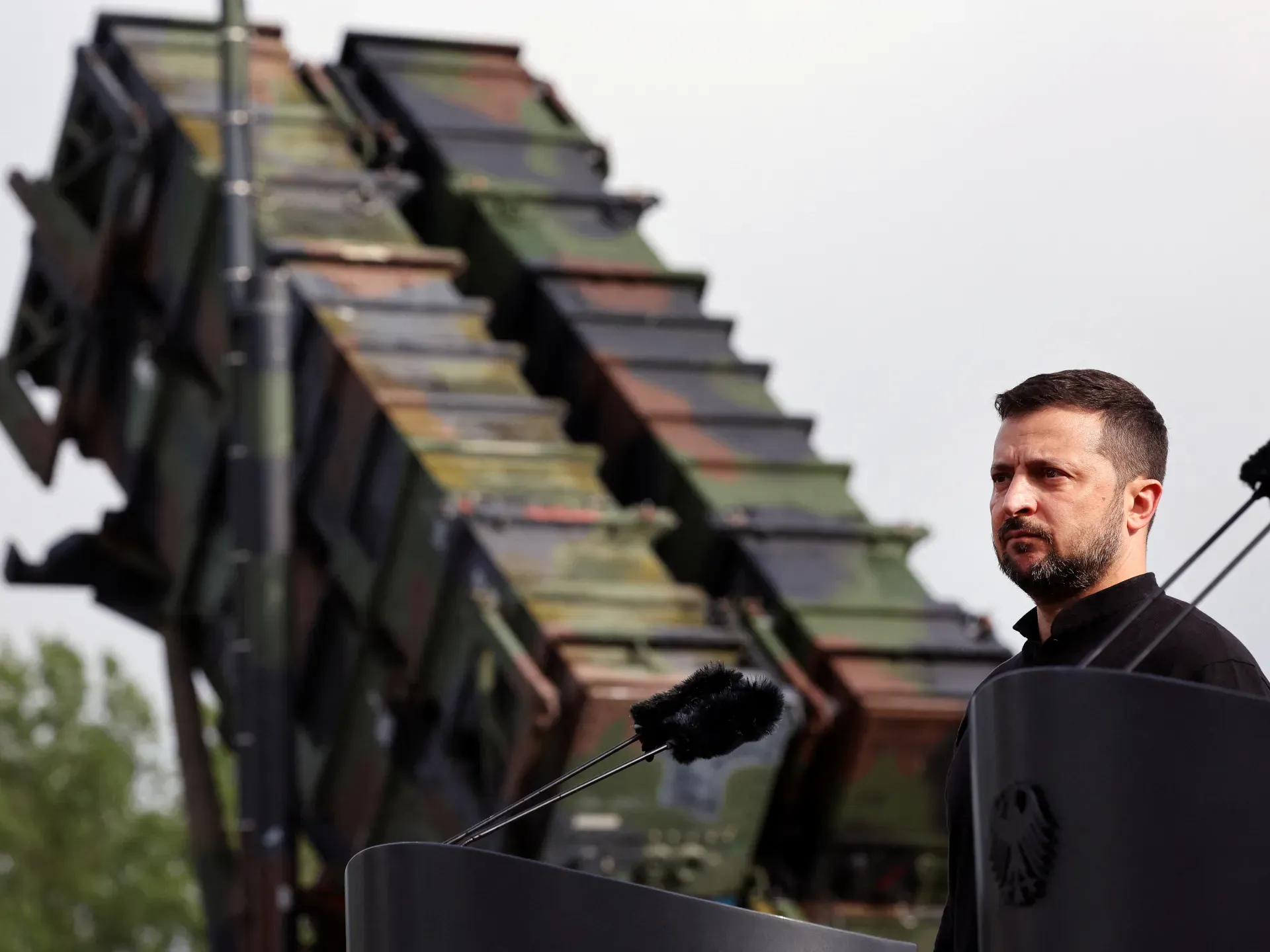
The US State Department has authorized a massive military package consisting of 500 Patriot PAC-3 missiles destined for Ukrainian air defence. Beyond the interceptors themselves, the $2.1bn agreement covers essential components, maintenance parts, and logistical support required to keep the systems operational in a combat environment. The Patriot system is widely regarded as the most effective tool currently available for intercepting high-speed ballistic missiles.
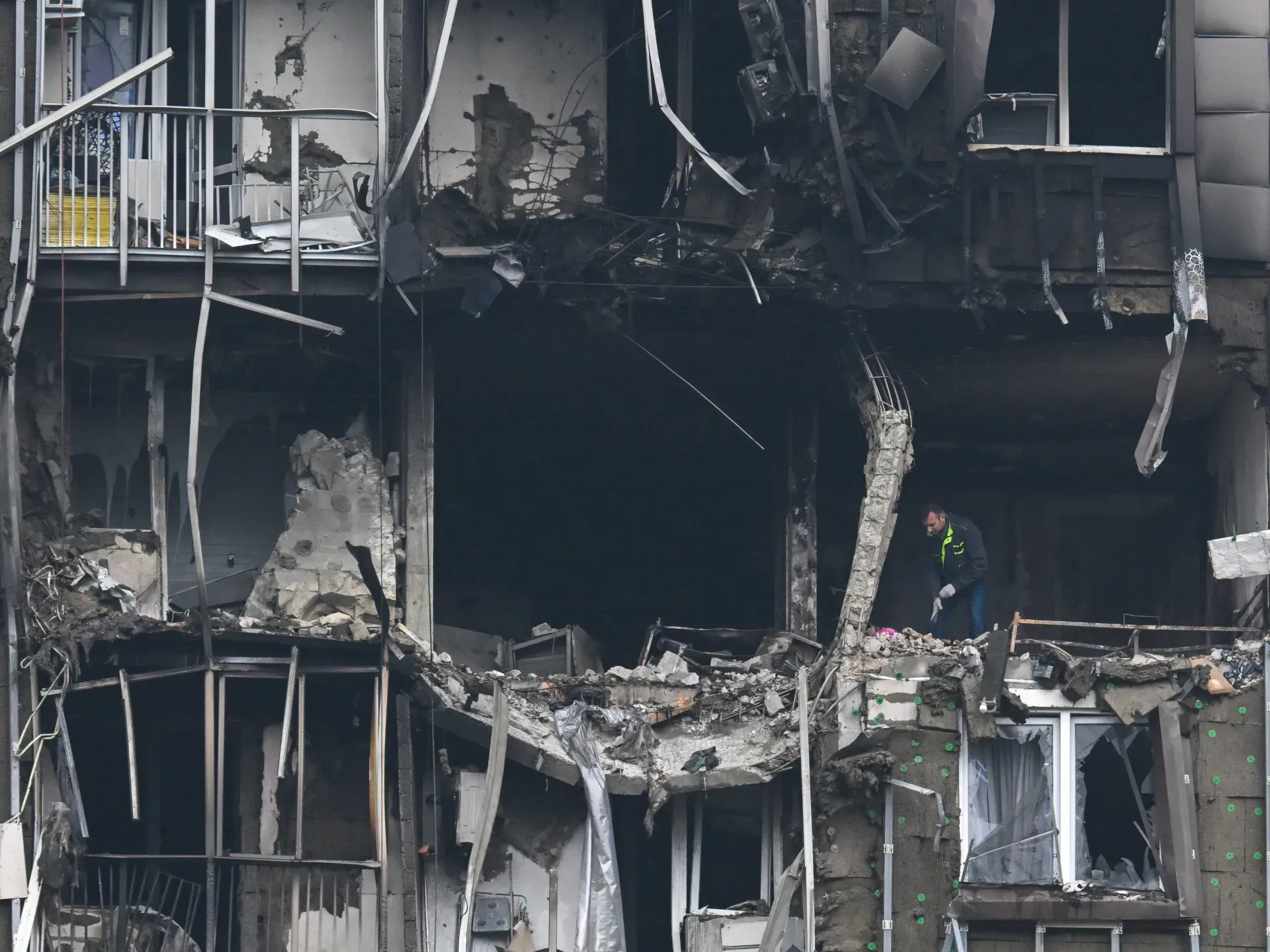
The approval comes at a critical juncture for Kyiv, which has faced intensifying Russian aerial campaigns. President Volodymyr Zelenskyy highlighted that Ukraine had been awaiting a decision on these critical supplies for nearly a month. This delay coincided with a period of heightened Russian strikes targeting civilian infrastructure and energy grids. For example, recent strikes in Dnipro and Kyiv resulted in multiple fatalities, underscoring the urgent requirement for advanced missile interception capabilities to protect urban population centers and vital utilities.
When will the Patriot interceptors actually reach Ukraine?
Despite the immediate tactical need for these weapons, the delivery of the Patriot PAC-3 missiles is expected to take several years. While the approval provides a legal and financial framework for the transfer, the physical hardware is not expected to arrive in Ukraine until well into the 2030s. This significant delay is a result of the current manufacturing timelines and the complexities involved in producing high-precision interceptors.
The gap between approval and deployment
The discrepancy between the urgent demand on the battlefield and the projected delivery date creates a challenging security gap for Ukrainian forces. Because these missiles are not yet manufactured, the order effectively functions as a long-term commitment to bolster Ukraine's future air defence architecture rather than an immediate solution to current Russian missile waves. This timeline is influenced by global supply chains and the existing production schedules of major defence contractors.
How is the Patriot missile sale to Ukraine being funded?
The financial structure of this deal relies on a complex multi-national cooperation model rather than direct US treasury spending alone. According to the State Department, Ukraine will fund the purchase through a combination of national funds and international contributions. A central component of this arrangement is the US JUMPSTART programme, which facilitates support from key allies including Canada, Germany, and Norway.
In addition to the JUMPSTART contributions, the procurement will be supported by European Union resources. Specifically, the EU's Ukraine Support Loan will provide necessary financial backing to ensure the transaction can be completed. This collaborative approach distributes the economic burden of the $2.1bn deal across several Western partners, reflecting a shared strategic interest in maintaining Ukraine's defensive capabilities over the long term.
What is the role of Lockheed Martin in this agreement?
Lockheed Martin serves as the principal contractor for the sale of the Patriot interceptors to Ukraine. The company is currently scaling its industrial operations to meet both the demands of the US military and international allies. In July, the US Army awarded Lockheed a contract valued at up to $58.6bn to produce Patriot interceptor missiles, providing the scale necessary to address global shortages.
The Ukrainian order is a key part of Lockheed Martin's broader strategy to expand its manufacturing footprint. The company has previously committed to tripling its PAC-3 production capacity by the end of 2030. Currently, production levels are aimed at reaching 2,000 units annually to satisfy the growing requirements of the international defence market and to replenish US inventories.
Industrial challenges and inventory pressures
The push to increase production is driven by significant pressure from Pentagon negotiators and the reality of global military consumption. The US military's own operations, particularly regarding munitions use in Iran, have placed considerable strain on existing stockpiles of precision-guided weapons. Consequently, the ability of contractors like Lockheed Martin to accelerate production is vital not only for Ukraine but for maintaining the overall readiness of US and allied air defence systems.
How does this deal affect US-Ukraine diplomatic relations?
The approval of the $2.1bn sale marks a notable development in the evolving relationship between the Trump administration and the Ukrainian government. Since President Trump took office in January 2025, the provision of defensive weapons has been a focal point of diplomatic tension. Previous delays in missile deliveries had contributed to friction between Washington and Kyiv.
Relations have been further complicated by differing perspectives on the conflict's progression. President Trump has previously criticised President Zelenskyy regarding the targeting of Russian refineries and has pursued separate diplomatic initiatives, such as a diesel deal with Russia. In this context, the greenlighting of the Patriot sale represents a significant step in maintaining a steady, albeit long-term, flow of military hardware to Ukraine despite the shifting political landscape in the United States.
FAQ: Patriot missile sale to Ukraine
What is the total cost of the US-approved missile package?
The total estimated cost of the package is $2.1 billion. This amount covers the procurement of 500 Patriot PAC-3 missiles, as well as the necessary parts and logistical support required to maintain the systems for Ukrainian use.
Who is paying for the missiles?
Ukraine is paying for the missiles through a combination of national funds and international support. This includes contributions from Canada, Germany, and Norway via the US JUMPSTART programme, alongside financing from the European Union’s Ukraine Support Loan.
When can Ukraine expect to receive these missiles?
Delivery is not expected to occur immediately. Because the missiles have yet to be manufactured, sources indicate that the interceptors are unlikely to be delivered to Ukraine until a couple of years into the 2030s.
Which company is manufacturing the Patriot interceptors?
Lockheed Martin is the principal contractor responsible for the production and sale of the Patriot interceptors. The company is currently working to triple its PAC-3 production capacity to meet increasing global demand by the end of 2030.
Why is the Patriot system so important for Ukraine?
The Patriot system is considered one of the most effective weapons for countering fast-moving ballistic missiles. Ukraine requires these interceptors to defend against frequent Russian missile and drone strikes that target civilian infrastructure and energy facilities.
Key takeaways
- The US approved a $2.1bn sale of 500 Patriot PAC-3 missiles to Ukraine.
- Deliveries are not expected until the early 2030s due to manufacturing timelines.
- Funding is provided by Ukraine, Canada, Germany, Norway, and the European Union.
- Lockheed Martin is the primary contractor, aiming to triple production by 2030.
The strategic outlook for Ukrainian air defence
The approval of the Patriot missile sale provides Ukraine with a long-term guarantee of advanced air defence capabilities, even if the immediate tactical relief is delayed. By securing the production of 500 PAC-3 interceptors, Kyiv is building a foundation for sustained resistance against ballistic threats. However, the multi-year gap between approval and delivery remains a critical vulnerability. The success of this strategic move depends heavily on the ability of the US industrial base, led by Lockheed Martin, to meet its ambitious production targets while managing the competing demands of global military inventories.