What are the circumstances surrounding the Mohammad el-Shami death?
The United Nations is seeking urgent answers regarding the specific cause of death for Mohammad el-Shami, an OHCHR staffer who died while held by Houthi authorities in Yemen. While the Houthi group has not provided a formal explanation for his passing, the UN has emphasized that his family is entitled to full disclosure regarding the events leading to his death.
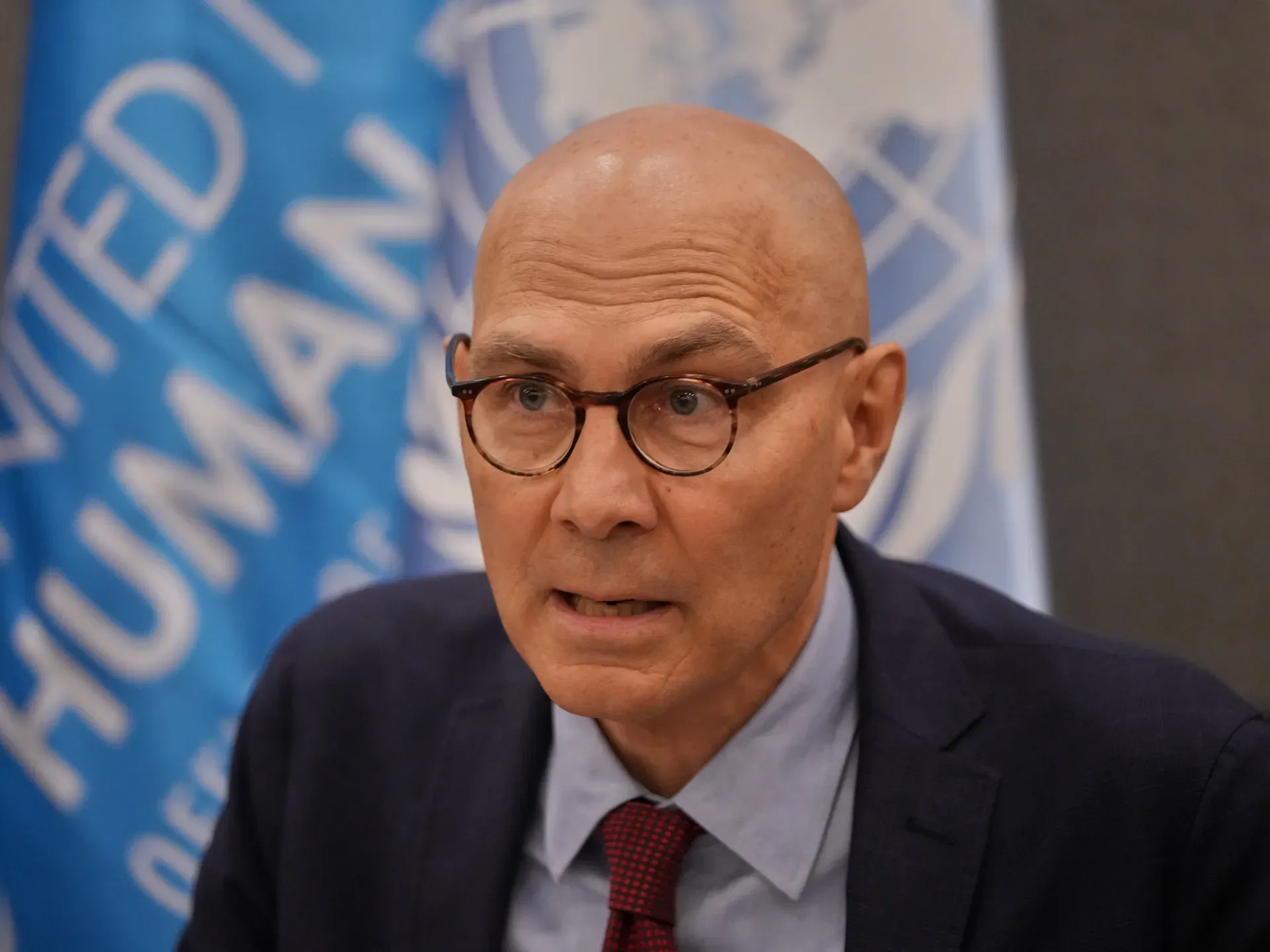
According to a statement released by the UN on Saturday, November 1, 2026, el-Shami's death occurred more than a month prior to his family being informed of the loss. This delay in notification has added to the growing tension between international human rights bodies and the Houthi administration. UN High Commissioner for Human Rights Volker Turk has specifically demanded "full transparency" from the Houthi authorities to ensure that the investigation is both independent and thorough.
The timeline of detention and notification
Mohammad el-Shami had been held in Houthi custody since June 2024. His detention was part of a larger crackdown on humanitarian workers. The fact that his family was only recently made aware of his death has heightened concerns regarding the treatment of detainees and the lack of communication channels between the Houthi group and the families of international staff.
Why is the UN calling for an urgent and independent investigation?
The UN is demanding an independent investigation to ensure accountability and to address the grave concerns regarding the safety of humanitarian personnel in Yemen. High Commissioner Volker Turk has characterized the situation as a matter of urgent necessity, calling for a probe that is not only thorough but also entirely free from Houthi influence.
UN Secretary-General Antonio Guterres echoed these sentiments, stating that he was "appalled" by the death of el-Shami. The Secretary-General's office is currently attempting to secure definitive answers from the Houthi group regarding the circumstances of the death. The call for independence in the investigation stems from the history of Houthi-led proceedings, which the UN views as lacking the necessary legal safeguards for international workers.
The demand for transparency is also driven by the need to protect the remaining personnel currently held in detention. By insisting on a formal, external investigation, the UN aims to establish a precedent that could potentially safeguard other workers operating in high-risk environments controlled by non-state actors.
How many UN and NGO workers have been detained by the Houthis?
A total of 72 UN staffers and NGO workers, including Mohammad el-Shami, have been detained by Houthi forces in Yemen. This figure highlights a significant and sustained campaign against international humanitarian presence in the region. The detentions often target individuals working for prominent organizations such as the UN and various non-governmental organizations (NGOs).
The pattern of detention often involves accusations of espionage. Since June 2024, many of these workers have been accused by the Houthis of being part of an "American-Israeli spy network." This accusation has been used to justify the arbitrary detention of over 60 individuals at once. The Houthi group has also utilized media platforms to parade detainees on television, presenting them as collaborators with Western intelligence agencies and Israel.
| Category of Detainee | Estimated Number |
|---|---|
| Total UN and NGO workers detained | 72 |
| OHCHR personnel still in custody | 7 |
| Workers detained in June 2024 crackdown | 60+ |
The scale of these detentions has forced international organizations to reconsider their operational footprints. The systematic nature of these arrests suggests a targeted effort to control or intimidate the humanitarian community operating within Houthi-controlled territories.
What is the impact of these detentions on humanitarian operations in Yemen?
The detention of humanitarian workers has led to significant disruptions in aid delivery, including the partial suspension of UN operations in certain areas of Yemen. In February 2025, the UN was forced to pause operations in parts of Houthi-held Yemen due to escalating concerns regarding the physical safety and legal security of its employees.
The death of Mohammad el-Shami marks a tragic escalation in this trend. He is the second UN staff member to die in Houthi detention, following the death of a World Food Programme (WFP) staffer in February 2025. These incidents create a climate of extreme risk for humanitarian professionals, making it increasingly difficult to implement life-saving programs in one of the world's most complex crisis zones.
While there have been occasional releases—such as the WFP employee released on October 6, 2026, after being "arbitrarily detained"—the overall environment remains one of high volatility. The threat of arbitrary arrest and the lack of legal protections mean that even established international organizations struggle to maintain a consistent presence, which directly affects the millions of Yemenis reliant on humanitarian assistance.
FAQ: Mohammad el-Shami death
Who was Mohammad el-Shami?
Mohammad el-Shami was a staff member of the Office of the United Nations High Commissioner for Human Rights (OHCHR) working in Yemen. He had been held in Houthi custody since June 2024, when he was accused of being part of a spy network.
How did Mohammad el-Shami die?
The specific cause of Mohammad el-Shami's death has not been disclosed by the Houthi authorities. The United Nations is currently demanding a full, independent, and transparent investigation to determine the exact circumstances of his passing while in detention.
What has the UN leadership said about this death?
UN Secretary-General Antonio Guterres stated he was "appalled" by the death. Similarly, High Commissioner Volker Turk has demanded an urgent investigation and expressed grave concern for the seven other OHCHR personnel who remain in Houthi custody.
Is this the first time a UN staffer has died in Houthi custody?
No, this is the second instance. A staff member from the World Food Programme (WFP) also died while in Houthi detention in February 2025. Both deaths have prompted international calls for increased protection of humanitarian workers.
How many people are currently being held by the Houthis?
A total of 72 UN and NGO workers have been detained by the Houthi group. This includes Mohammad el-Shami and several other OHCHR staff members who are still being held without clear legal recourse.
Key takeaways
- Mohammad el-Shami, an OHCHR staffer, died while in Houthi detention in Yemen.
- The UN is demanding an urgent, independent investigation into the death.
- A total of 72 UN and NGO workers have been detained by Houthi forces.
- The Houthis have accused detainees of being part of an "American-Israeli spy network."
- UN operations were partially suspended in February 2025 due to safety concerns.
Conclusion
The death of Mohammad el-Shami represents a critical moment in the ongoing tension between the United Nations and Houthi authorities in Yemen. As the UN pushes for transparency and an independent investigation, the broader implications for humanitarian access and the safety of international personnel cannot be ignored. With 72 workers having been detained and a pattern of arbitrary arrests established, the ability to provide essential aid to the Yemeni population remains under severe threat. The international community's response to this tragedy will likely determine the future of humanitarian operations in Houthi-controlled regions.