Why did the Syria-Jordan border close and reopen?
The Nassib crossing, which serves as Jordan’s sole land border with Syria, was temporarily suspended following military escalations in the region. According to the Syrian state news agency SANA, the crossing resumed operations for both commercial and passenger traffic on Wednesday morning, October 28, 2026.
The closure was a direct consequence of Jordanian airstrikes conducted on Monday, targeting locations in southern Syria believed to be ISIL hideouts. These operations were framed by Amman as a reactive measure to domestic security breaches. The reopening signifies a cautious attempt to restore normalcy to regional trade and movement, even as diplomatic tensions remain high regarding the specific execution of the military strikes.
What caused the Jordanian airstrikes in southern Syria?
The airstrikes were launched in direct response to a violent attack on a Greek Orthodox church in Karak, Jordan, on Friday, October 23, 2026. This shooting resulted in at least nine fatalities and left 34 individuals wounded, according to reports cited by Al Jazeera.
ISIL claimed responsibility for the Karak church attack, prompting the Jordanian military to take preemptive action against suspected terrorist cells. Jordanian Foreign Minister Ayman Safadi stated that the operations were guided by field intelligence and were intended to neutralize "confirmed threats and imminent terrorist operations targeting Jordan’s security." This highlights a shift in regional security dynamics, where Jordan is willing to conduct cross-border operations to address perceived threats originating from Syrian territory.
The role of intelligence in cross-border operations
Jordanian authorities emphasized that the decision to strike targets within Syrian borders was not arbitrary but based on specific intelligence regarding ISIL movements. The military objective was to dismantle infrastructure that could facilitate further attacks against Jordanian citizens and religious institutions. However, the discrepancy between Jordanian claims of coordination with Damascus and the Syrian government's denials has complicated the legitimacy of these actions in the eyes of international observers.
How many people were affected by the strikes?
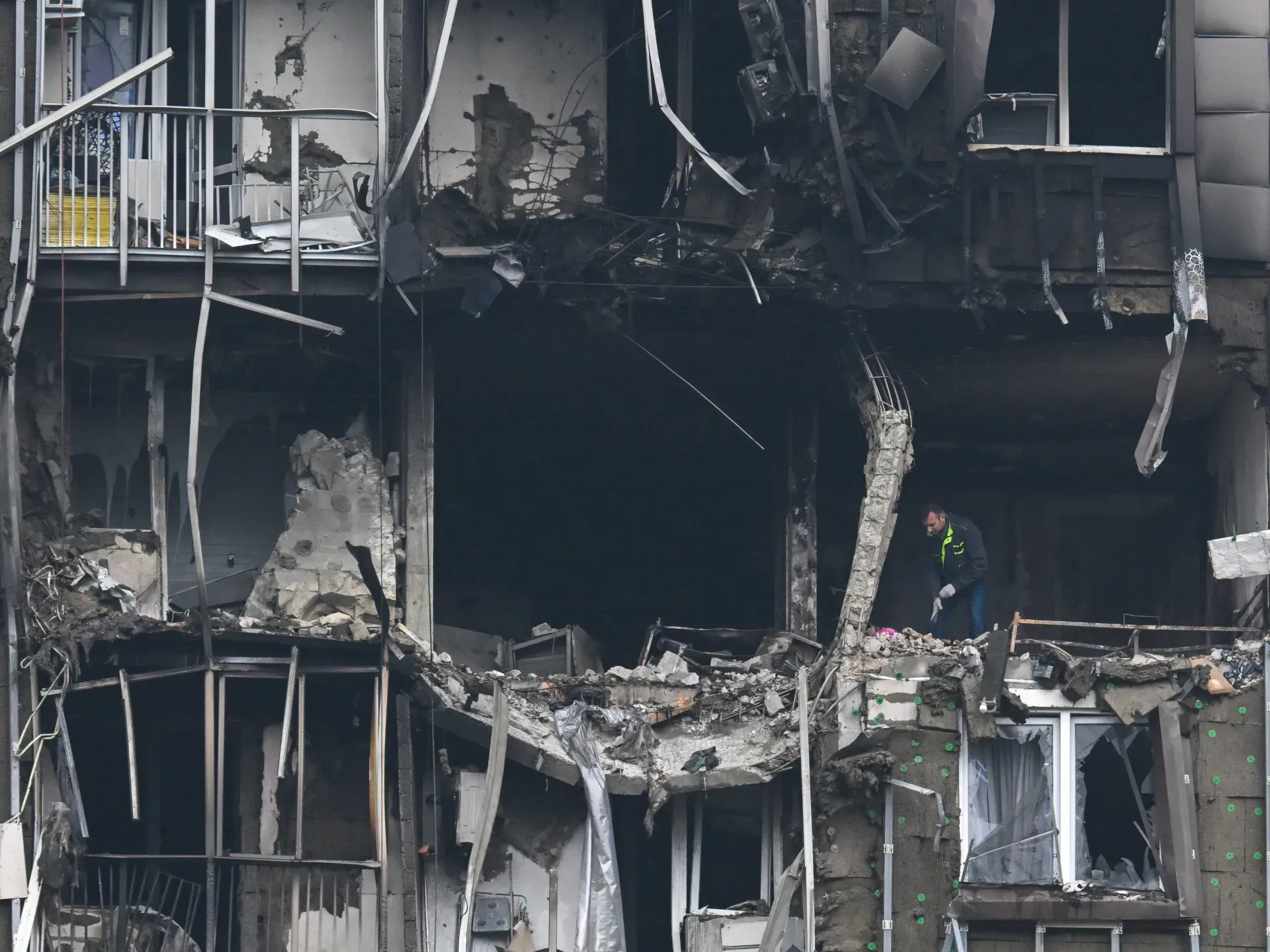
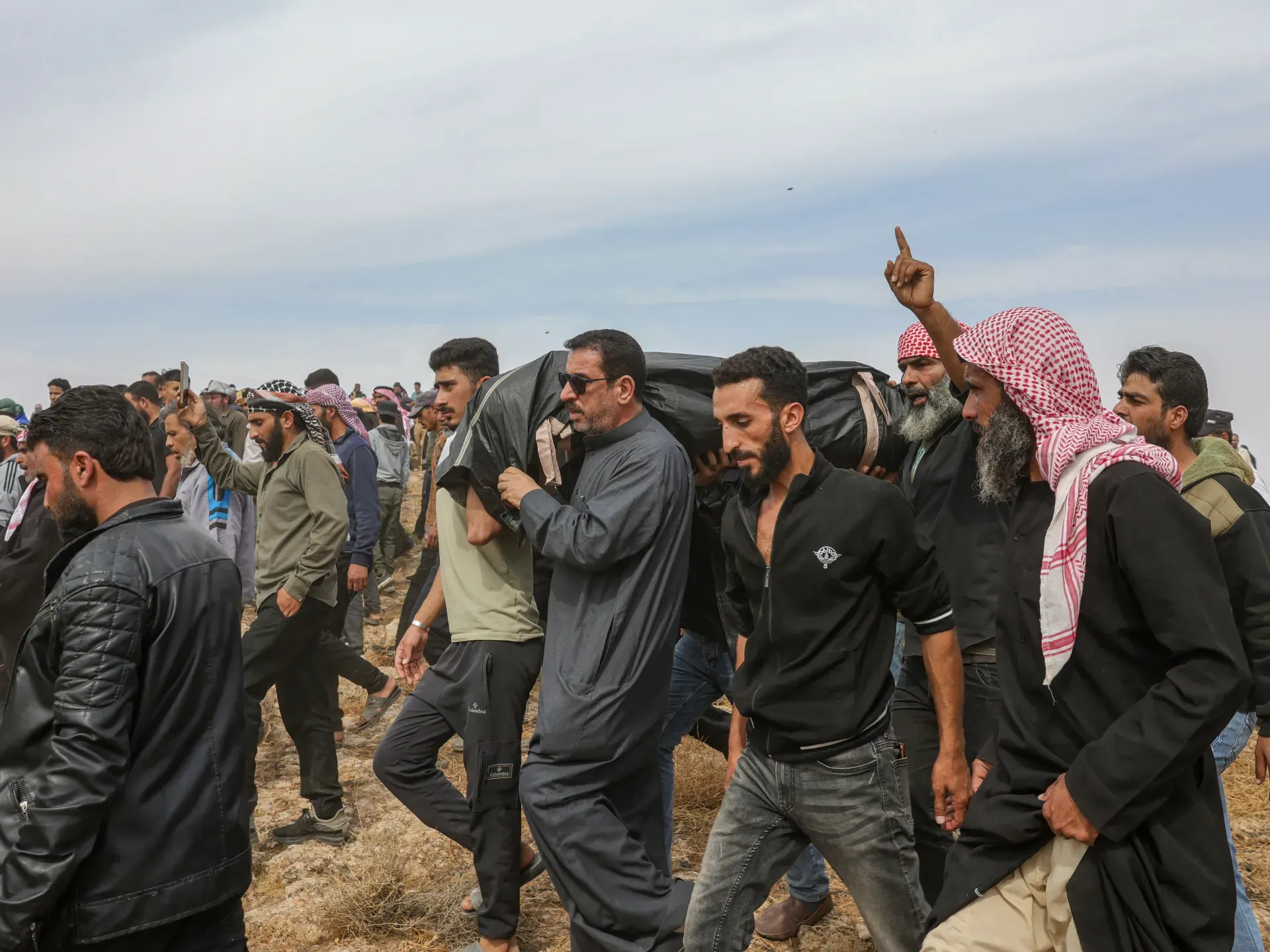
The military operations in southern Syria resulted in significant civilian casualties, specifically in the Deraa and Suwayda provinces. At least seven people were confirmed killed during the strikes, including five members of a single family, three of whom were children.
The Syrian Ministry of Emergency and Disaster Management confirmed that its response teams were deployed to four separate sites impacted by the bombardment. The human cost of the strikes has become a central point of contention in the diplomatic dialogue between Amman and Damascus. While Jordan views the strikes as a security necessity, the loss of civilian life in areas like the al-Lajat region has created a humanitarian and political crisis that the newly formed security committee must address.
What is the purpose of the new Syria-Jordan security committee?
A joint security committee has been established following high-level telephone discussions between Syrian Foreign Minister Asaad al-Shaibani and Jordanian Foreign Minister Ayman Safadi. The committee is tasked with two primary objectives: investigating the aftermath of the recent airstrikes and enhancing intelligence sharing.
The committee aims to develop better field and intelligence coordination to manage terrorist threats while simultaneously working to prevent further civilian casualties. This collaborative framework is intended to provide a structured way for both nations to handle cross-border security issues without resorting to unilateral military actions that risk further destabilizing the region. The success of this committee will likely depend on whether Damascus and Amman can find common ground on the issue of Syrian sovereignty versus regional counter-terrorism needs.
Diplomatic responses and sovereignty concerns
During the diplomatic exchanges, Minister Safadi expressed "deep regret" regarding the civilian deaths, asserting that Jordan respects the sovereignty and stability of Syria. This acknowledgment is crucial as the strikes took place on Syrian soil, an act that inherently challenges traditional notions of border integrity. The investigation conducted by the committee will serve as a litmus test for whether the two nations can move toward a more integrated security architecture or if the incident will deepen the mistrust between the two neighbors.
FAQ: Syria-Jordan Border and Airstrikes
Why were the airstrikes carried out in Syria?
The strikes were a response to a deadly shooting at a Greek Orthodox church in Karak, Jordan, which was claimed by ISIL. Jordan aimed to neutralize suspected ISIL hideouts in southern Syria to prevent further imminent terrorist threats against its national security.
How many casualties were reported from the strikes?
At least seven people were killed in the Deraa and Suwayda regions of southern Syria. Among the deceased were five members of one family, including three children, as confirmed by Syrian emergency management and local reports.
What is the status of the Nassib border crossing?
The Nassib crossing, Jordan's only border link with Syria, has reopened. Following a brief closure after the Monday airstrikes, regular commercial and passenger traffic resumed on Wednesday, October 28, 2026, according to SANA.
What will the new security committee do?
The committee will investigate the impact of the Jordanian strikes and the resulting civilian deaths. Additionally, it is designed to improve intelligence and field coordination between the two countries to better address terrorist threats and protect innocent civilians.
Did Syria agree to the Jordanian military operations?
There is a conflict in accounts regarding coordination. While Jordan claimed the strikes were coordinated with the Syrian government, Damascus has denied these claims, leading to the formation of a committee to examine the incident and future cooperation.
Key takeaways
- The Nassib border crossing has resumed regular passenger and commercial traffic.
- Jordanian airstrikes in southern Syria killed at least seven people, including children.
- The strikes targeted ISIL hideouts following a church attack in Karak, Jordan.
- A joint security committee will investigate the strikes and improve intelligence sharing.
Conclusion
The reopening of the Nassib border marks a fragile moment of stabilization between Syria and Jordan. While the resumption of trade and travel is a positive step for regional connectivity, the underlying security tensions remain acute. The recent airstrikes in Deraa and Suwayda have highlighted the lethal intersection of terrorism and cross-border military responses. The effectiveness of the newly formed security committee will be the determining factor in whether the two nations can transition from reactive military engagement to a coordinated, intelligence-led approach that respects sovereignty while addressing the persistent threat of ISIL.