Why are fuel and food prices driving social unrest?
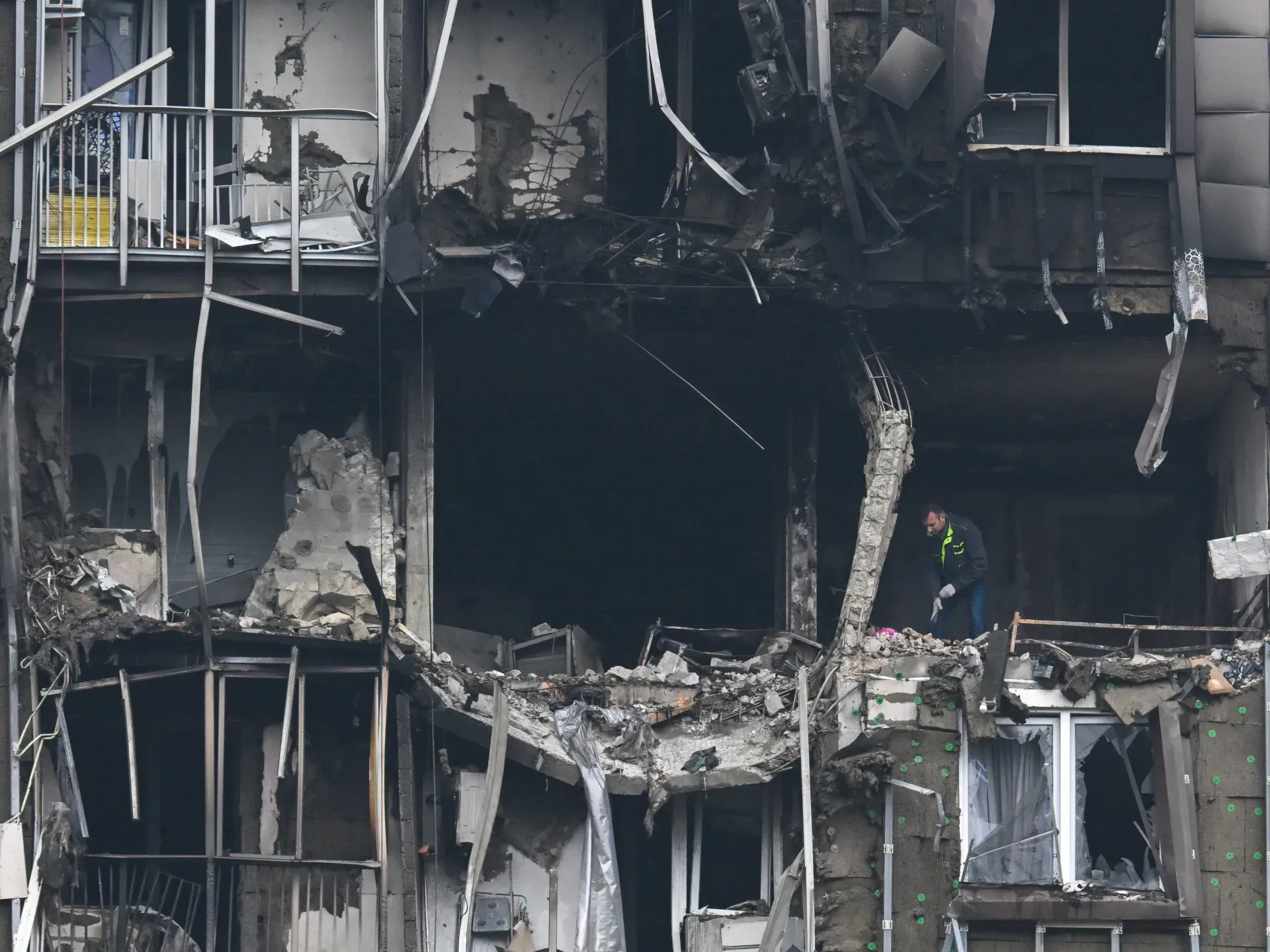
Recent protests across Syrian streets were triggered by the government's decision to increase fuel prices, a move that many citizens view as a sign of an administration disconnected from the public's struggle. People burned tyres, blocked roads, and chanted slogans in an expression of anger that represents the largest show of discontent since President Ahmed al-Sharaa took power two years ago. While the government eventually revoked the increase following these demonstrations, the underlying pressure on energy markets remains high.
According to government statements, the volatility in energy markets—partly influenced by the US-Iran conflict—has directly impacted domestic fuel costs. The government cited this external pressure as a primary reason for the hike. However, for the citizens on the ground, the decision felt out of touch. One protester, addressing Sharaa, noted that while people had stood by the new leadership, such decisions could "make things explode."
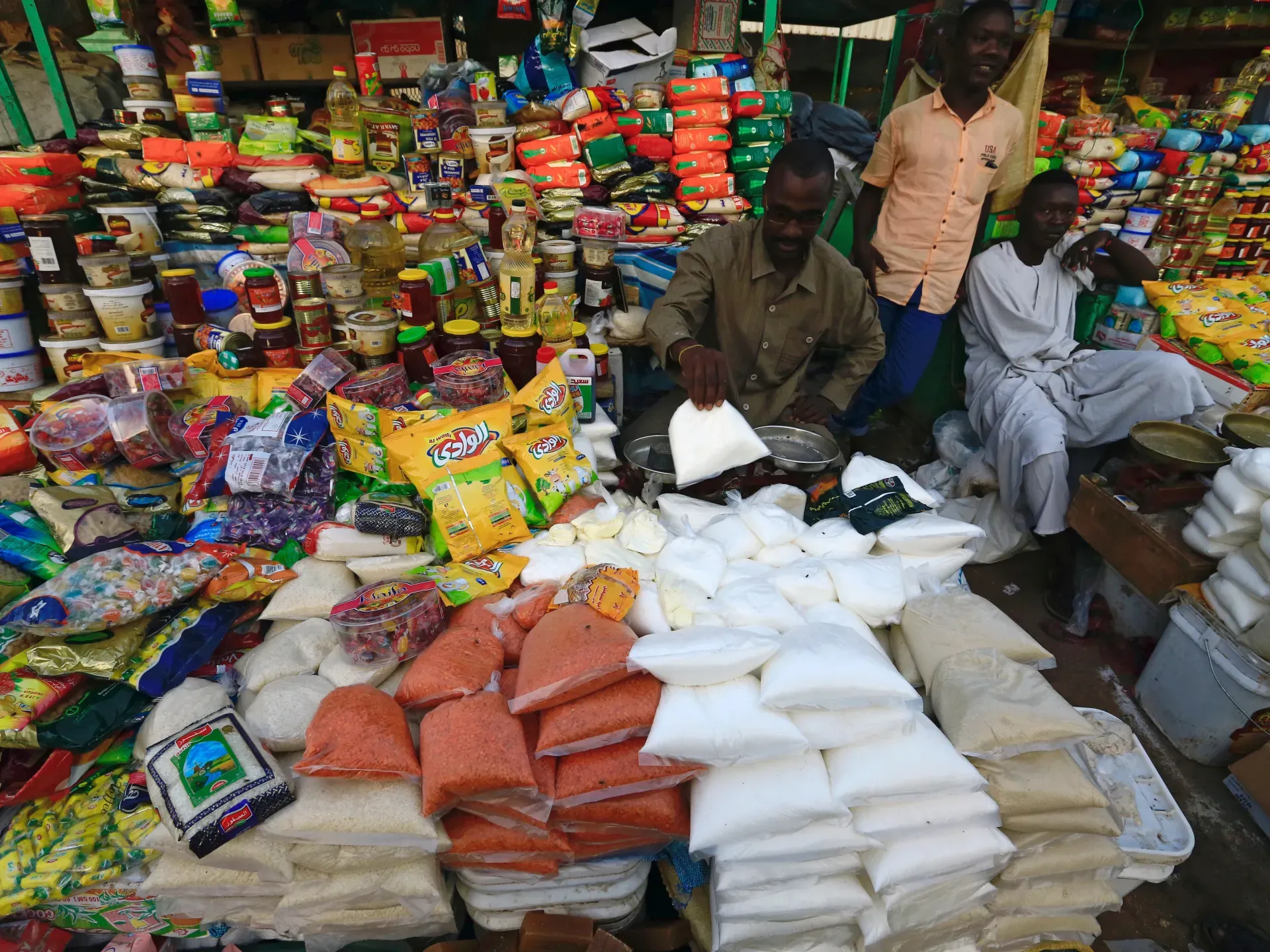
The ripple effects of these price hikes extend far beyond the petrol pump. As fuel prices align more closely with international averages, the cost of transporting goods and operating farms has surged. This has contributed to a broader inflationary spiral where even basic staples are becoming inaccessible. For many families, the cost of electricity has risen by several hundred per cent, forcing households to live in darkness or limit appliance use to survive. In some cases, families have had to turn off refrigerators for several hours a day just to manage the bills.
How is the government's austerity policy affecting citizens?
The transition toward a liberal, free-market economy under President Sharaa has involved significant cuts to long-standing state subsidies as part of an intensive austerity drive. While these measures aim to address the fiscal legacy of the previous regime and its years of mismanagement and isolation, they have placed an immense burden on the most vulnerable populations. The price of bread, a fundamental staple in the Syrian diet, has seen a tenfold increase due to these policy shifts.
Dr. Haid Haid, a Syrian columnist and consulting fellow at Chatham House, suggests that while the crisis is partly due to the lack of financial resources left by the former Assad regime, it is also a direct impact of new policies. He notes that the move toward a free-market economy does not sufficiently take into account the immediate impact on the people. This shift has left many feeling that the hopes for rapid improvement following the end of the civil war and the overthrow of Bashar al-Assad have not materialized.
The human cost of these shifts is visible in the daily lives of Syrians. Families report being unable to afford meat or chicken, surviving instead on vegetables, which are themselves becoming increasingly expensive. In some instances, the crisis has reached a point where families can only afford a proper meal every two days, or are unable to afford essential medicine for chronic health conditions.
The impact of wage stagnation
Although the authorities have attempted to adjust public sector wages and pensions in response to the crisis, these increases have largely been neutralized by rapid inflation. The additional pay is often lost as the cost of virtually everything continues to climb. For many, the gap between income and survival is widening.
For pensioners like Marwan Bashour, a 68-year-old receiving the public sector minimum wage of approximately $90, the situation is dire. He describes the amount as "not enough at all." To make ends meet, individuals are being forced into desperate measures, such as selling household assets—including furniture, old pots, and plates—just to afford basic necessities. This trend of selling off one's belongings to survive is a growing reality for those on fixed incomes.
Unemployment further exacerbates this stagnation. In many areas, men gather in the streets in the hope of finding day labor, often waiting in vain. Even for those who have found work, such as family members in manufacturing, the rising cost of living remains a constant threat to stability.
What are the primary obstacles to Syria's economic recovery?
Syria faces a monumental reconstruction challenge, with the World Bank estimating that rebuilding costs will reach $216 billion. The country is currently grappling with the dual burden of a broken infrastructure and a population that has been decimated by years of conflict. While the removal of Syria from the US list of state sponsors of terrorism and the lifting of certain sanctions are positive steps, they have not yet translated into widespread economic stability for the average citizen.
The economic landscape is further complicated by the reduction in international aid. Many Syrians who previously relied on help from aid agencies are finding those services being cut back due to global funding reductions. This leaves a massive gap in the social safety net at a time when the population is most in need.
Economists and observers suggest that the current trajectory is highly volatile. The combination of a bankrupt state, the need for massive foreign investment, and the mismanagement of public expectations creates an environment of uncertainty. Without significant international aid and a shift in economic policy that accounts for the immediate needs of the population, the risk of further social instability remains a critical concern for the Sharaa administration.
Frequently asked questions
What is the current poverty rate in Syria?
According to the United Nations Development Programme, approximately 90% of the Syrian population was living in poverty last year. This extreme level of deprivation is driven by high inflation, unemployment, and the loss of traditional aid services due to global funding cuts.
How has the cost of living changed since the transition?
The cost of living has risen sharply as the government implements austerity measures. Key changes include a tenfold increase in bread prices, significant hikes in electricity costs, and fuel prices that are moving toward international market levels, making basic survival difficult for many.
Key takeaways
- The UN reports that 90% of Syrians were living in poverty last year.
- Bread prices have increased tenfold due to the removal of state subsidies.
- World Bank estimates suggest reconstruction costs will reach $216 billion.
- Fuel price hikes have triggered significant public protests across the country.