What are the details of the Spanish train crash near Urda?
A high-speed collision involving two different rail operators resulted in the deaths of 69 people near Urda, located south of Madrid. According to reports, the disaster occurred when a state-operated Renfe high-speed train struck the rear of a stationary train operated by the private company Iryo.
The scale of the accident has placed it among the most significant rail disasters in the modern history of Europe. Within the Spanish context, it represents the country's most fatal rail incident since 2013. The collision has prompted immediate scrutiny of the safety protocols governing the interaction between high-speed state services and private operators on shared lines.
The collision mechanics and immediate impact
The crash involved a high-velocity impact between the moving Renfe service and the stationary Iryo train. While specific technical investigations into the exact cause of the collision—whether mechanical failure or human error—are typically ongoing following such events, the immediate consequence was a massive loss of life and significant infrastructure damage. The location of the crash, Urda, sits in a critical corridor south of the capital, adding to the gravity of the logistical and human toll.
Who was Dr. Marta Shahbazi and what was her scientific impact?
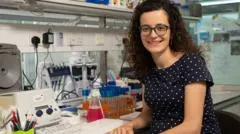
Dr. Marta Shahbazi was a highly distinguished researcher at the University of Cambridge, specifically serving as an affiliate associate professor and leading a research group at the MRC Laboratory of Molecular Biology (LMB). Her expertise lay in the complex fields of cell biology and the study of early human development.
Dr. Shahbazi's research was instrumental in illuminating the earliest stages of human embryo development. Her work provided critical insights into the biological processes that govern these stages, as well as the specific errors that can lead to failed pregnancies. This research has profound implications for reproductive medicine and our fundamental understanding of human life at its most nascent levels.
Her professional trajectory was marked by significant academic milestones:
- Completed her PhD at the Spanish National Cancer Research Centre.
- Joined the University of Cambridge as a post-doctoral fellow.
- Became a leader at the MRC Laboratory of Molecular Biology in 2020.
- Served as a principal investigator at the Cambridge Stem Cell Institute (CSCI).
At the time of the accident, she was travelling to El Rompido in Andalusia to accept an award from the Spanish Society for Developmental Biology, a testament to her international standing in the scientific community.
How has the scientific community responded to this loss?
The University of Cambridge and the MRC Laboratory of Molecular Biology have expressed profound shock at the passing of a colleague described as an "inspiring, talented and passionate scientist." The loss is being felt deeply across multiple prestigious institutions, including the Cambridge Stem Cell Institute.
Professor Bertie Gottgens, Director of the CSCI, noted that the community was deeply saddened by the death of a researcher who was highly respected not only for her pioneering work but also for her collaborative spirit. The scientific community has highlighted her creativity and generosity as qualities that will be significantly missed in academic circles.
The legacy of the "mother scientist"
Beyond her technical contributions, Dr. Shahbazi was a prominent figure in the conversation regarding work-life balance for academics. As a wife and mother of two young children, she frequently wrote about the challenges of navigating a high-level scientific career alongside motherhood. She referred to herself as a "mother scientist," a term that resonated with many in the field. By sharing her experiences, she became a widely admired role model for women in STEM, advocating for a more integrated approach to professional and personal identities.
What is the broader context of rail safety in Spain?
The accident is being viewed through the lens of Spain's modern rail safety record, as it stands as the nation's worst rail disaster in over a decade. The involvement of both a state-operated entity (Renfe) and a private operator (Iryo) underscores the complexities of the current Spanish high-speed rail landscape.
As investigations proceed, the focus will likely turn to the coordination between these operators and the safety mechanisms intended to prevent high-speed trains from approaching stationary stock. The tragedy has reignited discussions regarding the management of high-speed corridors and the necessity of fail-safe systems in a multi-operator environment.
Frequently asked questions
How many people died in the Spanish train crash?
A total of 69 people lost their lives in the collision near Urda, south of Madrid. The accident involved a Renfe high-speed train and a stationary Iryo train, making it one of the deadliest rail incidents in recent European history.
What was Dr. Marta Shahbazi's role at Cambridge?
Dr. Shahbazi was an affiliate associate professor and a principal investigator at the Cambridge Stem Cell Institute. She also led a research group at the MRC Laboratory of Molecular Biology (LMB), where she specialized in cell biology and human embryo development.
Why was Dr. Shahbazi travelling to Andalusia?
Dr. Shahbazi was travelling to El Rompido, in the Andalusia region, to attend a conference. Her purpose was to collect a prestigious award from the Spanish Society for Developmental Biology in recognition of her scientific contributions.
What caused the collision between the Renfe and Iryo trains?
The accident occurred when a state-operated Renfe high-speed train crashed into the rear of a stationary train operated by the Iryo company. Detailed technical causes are subject to investigation following the crash near Urda.
What was Dr. Shahbazi's research focus?
Her research focused on the earliest steps of human embryo development and the biological errors that lead to failed pregnancies. Her work was recognized globally for its contributions to the understanding of cell biology and developmental processes.
Key takeaways
- The Spanish train crash near Urda resulted in 69 confirmed fatalities.
- Dr. Marta Shahbazi, a Cambridge researcher, was among the victims.
- The accident involved a Renfe high-speed train hitting a stationary Iryo train.
- Dr. Shahbazi was a leading expert in human embryo and cell biology.
- This is Spain's most significant rail disaster since 2013.
Conclusion
The collision near Urda represents a dual tragedy: a significant loss of life in a major rail accident and the untimely passing of a brilliant scientific mind. Dr. Marta Shahbazi's contributions to developmental biology and her role as a mentor for "mother scientists" leave a lasting legacy at the University of Cambridge and beyond. As Spain grapples with the aftermath of its worst rail disaster in over a decade, the international scientific community mourns a researcher whose work provided vital insights into the very beginnings of human life. The focus now shifts to both the investigation of the crash and the honoring of a remarkable career.