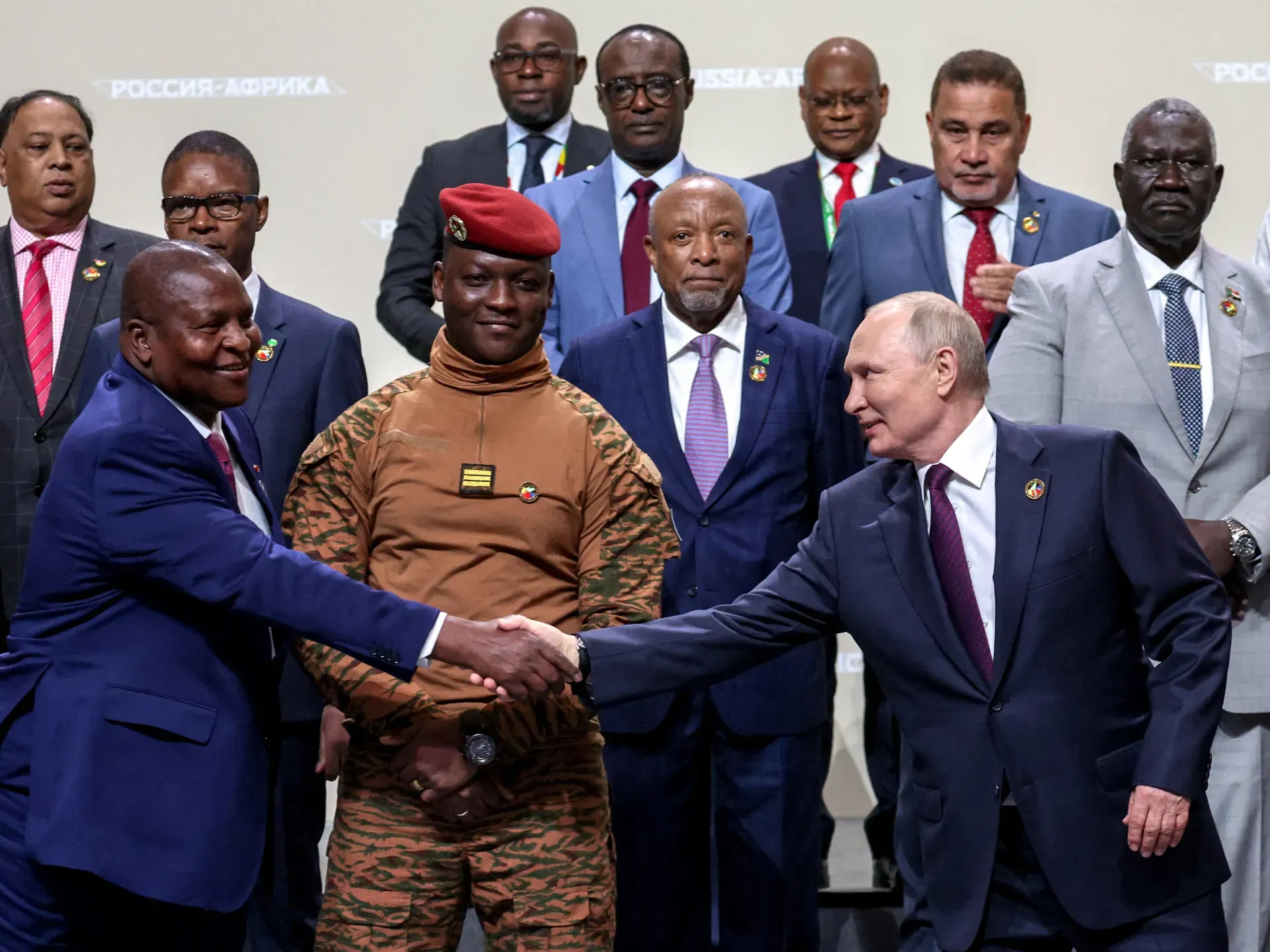
Why is the Russia-Africa summit central to Moscow's strategy?
The Russia-Africa summit is a strategic tool designed to expand Russia's global footprint by securing resources and building political alliances. During the upcoming third summit, President Vladimir Putin is scheduled to co-chair a plenary session with Burundian President Evariste Ndayishimiye, the current chair of the African Union. The summit's agenda includes a two-day forum focused on industrial production, food security, energy, and technology, with a new cooperation plan slated for the 2027-2029 period.
According to the Russian Ministry of Foreign Affairs, the summit aims to finalize substantial intergovernmental agreements and commercial contracts. However, historical data suggests these summits often prioritize Russian interests over African development. For instance, the 2019 Sochi gathering produced 92 agreements, and the 2023 St. Petersburg summit resulted in 161 accords. While the volume of agreements is high, the actual economic impact remains inconsistent with the Kremlin's stated goals of prosperity for the continent.
How has Russia failed to meet its economic trade targets?
Russia has consistently fallen short of its ambitious trade goals, resulting in a significant imbalance that favors Moscow. Although President Putin pledged to double annual trade to $40bn, actual figures show a substantial gap. According to trade statistics, merchandise trade with Africa reached only $27.1bn in 2025, failing to meet the $40bn target.
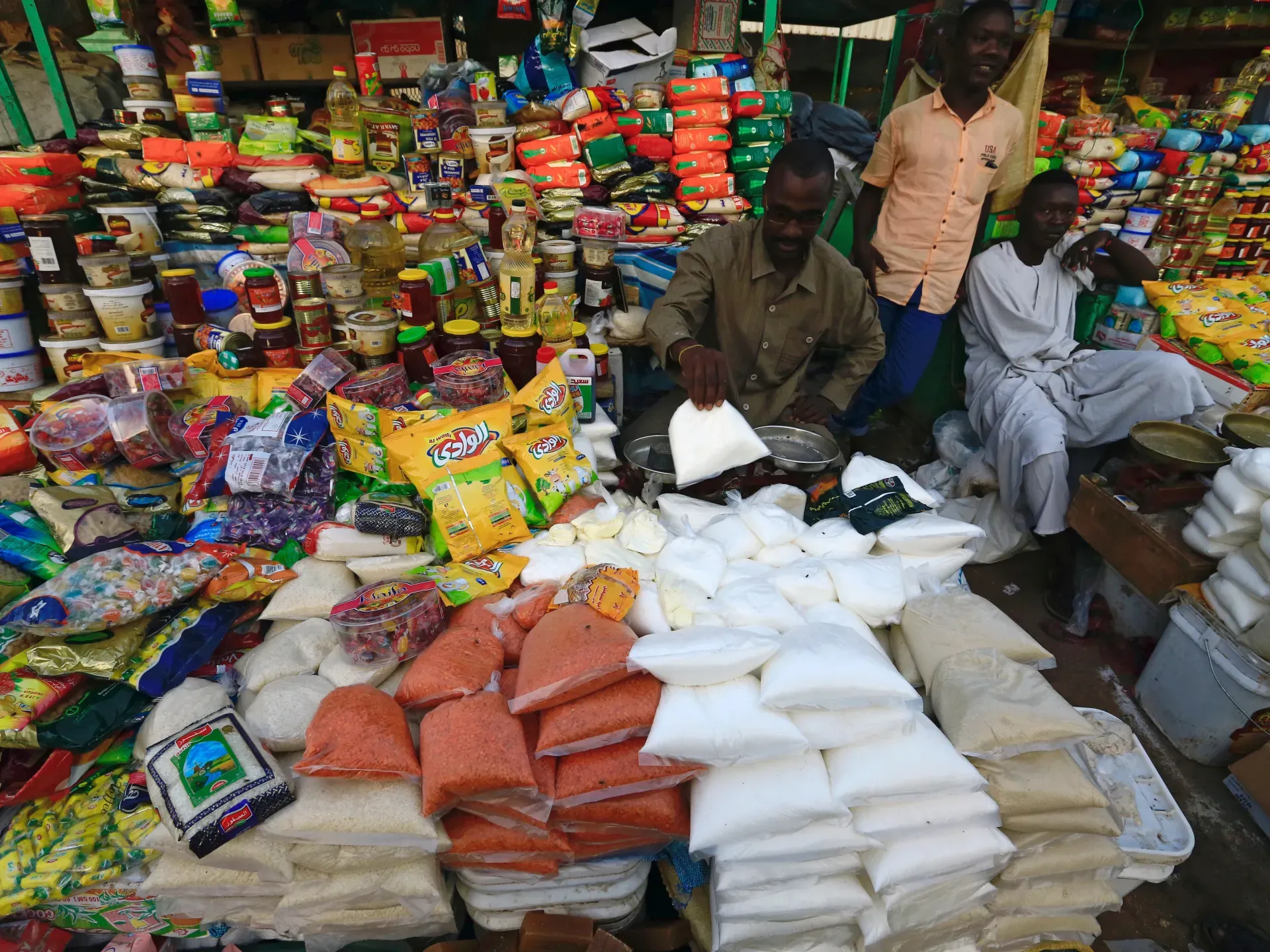
The trade deficit for African nations has intensified through 2026. During the first eight months of 2026, Russia exported $14bn in goods to Africa but imported only $3.2bn in return. Much of this trade is concentrated in agricultural commodities. In the first half of 2026, Russia shipped 10.2 million tonnes of wheat to Africa, with Egypt acting as the primary customer. While these shipments address immediate food security needs, they primarily benefit Russian producers rather than fostering industrial growth within African nations.
Discrepancies in infrastructure and investment projects
A significant gap exists between the number of signed investment agreements and the actual completion of industrial projects. A notable example occurred following the 2019 summit, when the Russian fertiliser producer Uralchem and Angola’s Grupo Opaia agreed to a $1.2bn ammonia and urea complex. Although production was scheduled to begin in 2023, Uralchem abandoned the venture that same year.
In contrast, some projects have moved forward but carry heavy financial burdens for the host nations. In Egypt, Rosatom is currently constructing four nuclear reactors at El Dabaa, employing over 18,000 Egyptians. However, this progress is underpinned by a $25bn Russian loan that Egypt is obligated to repay with interest, raising questions about long-term economic sovereignty.
What is the impact of Russia's military expansion in Africa?
Russia has significantly increased its military footprint through a combination of formal agreements and paramilitary operations. Sweden’s Defence Research Agency identified at least 57 Russian military and security agreements involving 39 African countries as of October 2026. These arrangements range from direct combat assistance to training and the provision of military infrastructure.
The nature of Russian military presence has evolved from the use of the Wagner Group to the more centralized Africa Corps, which operates under the control of the Russian Ministry of Defence. While these forces provide security for allied governments, they have also been linked to significant civilian harm. In Mali, for example, the Africa Corps and Malian forces conducted 49 air strikes between April and August 2026, resulting in 89 civilian deaths, according to the Armed Conflict Location and Event Data project.
Human rights concerns and security limitations
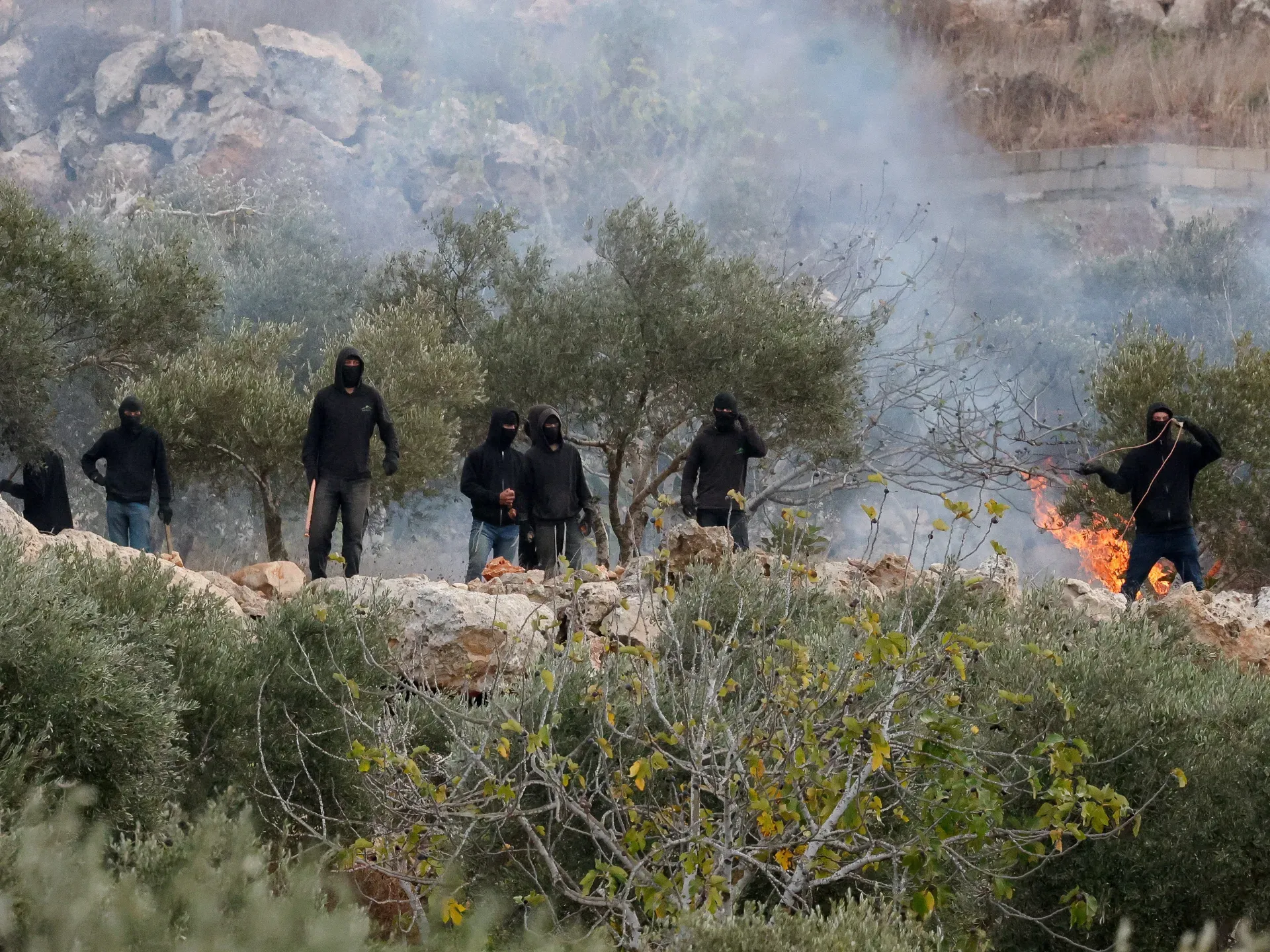
The presence of Russian-backed forces has frequently been associated with reports of human rights violations. Human Rights Watch reported that on July 10, Africa Corps fighters killed nine people, including four children, and burned homes in the village of Bombori in Mali. Additionally, reports surfaced of detainees being subjected to beatings, electric shocks, and waterboarding at a military base in Sevare between May and August.
Furthermore, the military assistance provided by Moscow has not always translated into long-term stability. In Mali, despite Russian support, strategic territories like the city of Kidal have seen fluctuating control between government forces and separatist rebels. This instability suggests that while Moscow can assist in winning specific battles, it has struggled to deliver sustainable peace for local populations.
How does Russia support allied rulers in the region?
Russia has proven to be a vital partner for leaders seeking to maintain power amidst domestic instability or Western pressure. In Niger, the Africa Corps provided ground and aerial support to help General Abdourahamane Tiani suppress a mutiny on August 29. While this secured the junta's position, it has not led to a return to democratic norms, as civil liberties remain restricted and political parties are absent.
In the Central African Republic, President Faustin-Archange Touadera has openly credited Russian security forces for enabling his third term following the December elections. However, this protection comes at a high cost. Reports indicate that Moscow may have demanded approximately 14 million euros ($15.7m) per month to deploy the Africa Corps in place of Wagner, while Russian-linked companies continue to profit from the nation's gold resources.
What role does information warfare play in Russia's African strategy?
Moscow is actively working to shape public opinion in Africa through state-sponsored media and covert information operations. In July, the Russian state broadcaster RT signed a content-sharing agreement with Tafouk TV, a channel run by the military governments of Mali, Niger, and Burkina Faso. This partnership allows for the promotion of official military narratives, often at the expense of local journalistic independence.
Beyond formal agreements, there are indications of more covert influence campaigns. An investigation by France 24 in April 2024 revealed that nearly 650 pro-Russian articles were placed in 35 West African media outlets between June and October 2024. These placements were reportedly arranged by Russian operatives, with individual articles costing between $250 and $700, sometimes without the knowledge of the media outlets themselves.
Frequently asked questions
What is the current state of Russia-Africa trade?
Russia-Africa trade is characterized by a significant deficit for African nations. While Russia aims for $40bn in annual trade, 2025 figures showed only $27.1bn. In early 2026, Russia exported $14bn in goods while importing only $3.2bn, largely driven by Russian agricultural exports like wheat.
How does the Africa Corps differ from the Wagner Group?
The Africa Corps is a military structure controlled directly by the Russian Ministry of Defence, whereas the Wagner Group operated as a Kremlin-linked mercenary network. The transition to Africa Corps represents a more formalized and state-led approach to Russia's military involvement in Africa.
What are the risks of Russian-funded infrastructure in Africa?
The primary risks involve high debt levels and lopsided ownership structures. For example, Egypt's nuclear project is funded by a $25bn loan, and a proposed pipeline in the Republic of Congo would grant Russian interests a 90 percent stake in the joint venture.
Has Russian military aid improved security in Mali?
Military aid has provided tactical advantages but has not achieved lasting stability. While Russian-backed forces have helped reclaim territory, they have also been linked to significant civilian casualties and human rights abuses, according to various monitoring organizations.
How is Russia influencing African media?
Russia influences media through formal content-sharing agreements with state-aligned channels and through covertly paid placements in local outlets. These efforts aim to promote pro-Russian narratives and official government successes while marginalizing dissenting voices.
Key takeaways
- Russia's 2025 trade with Africa reached $27.1bn, failing to meet the $40bn target.
- Russia maintains a significant trade surplus, exporting $14bn against $3.2bn in imports in early 2026.
- The Africa Corps has replaced much of the Wagner Group's previous operations.
- Russian military involvement in Mali has been linked to numerous civilian casualties.
- Russia utilizes both state media and covert payments to influence African public opinion.
Conclusion
The evolving relationship between Russia and Africa is marked by a tension between diplomatic partnership and strategic dependence. While Moscow offers essential commodities like wheat and security assistance to various regimes, the economic and human costs are increasingly evident. Trade imbalances, unfulfilled investment promises, and the heavy financial burden of Russian-backed loans suggest that the benefits are disproportionately skewed toward the Kremlin. Furthermore, the reliance on paramilitary forces has introduced new layers of instability and human rights concerns. As the Russia-Africa summit continues, the continent must navigate the complex reality of a partner that prioritises its own geopolitical interests.