Why are protests in Germany and France escalating this weekend?
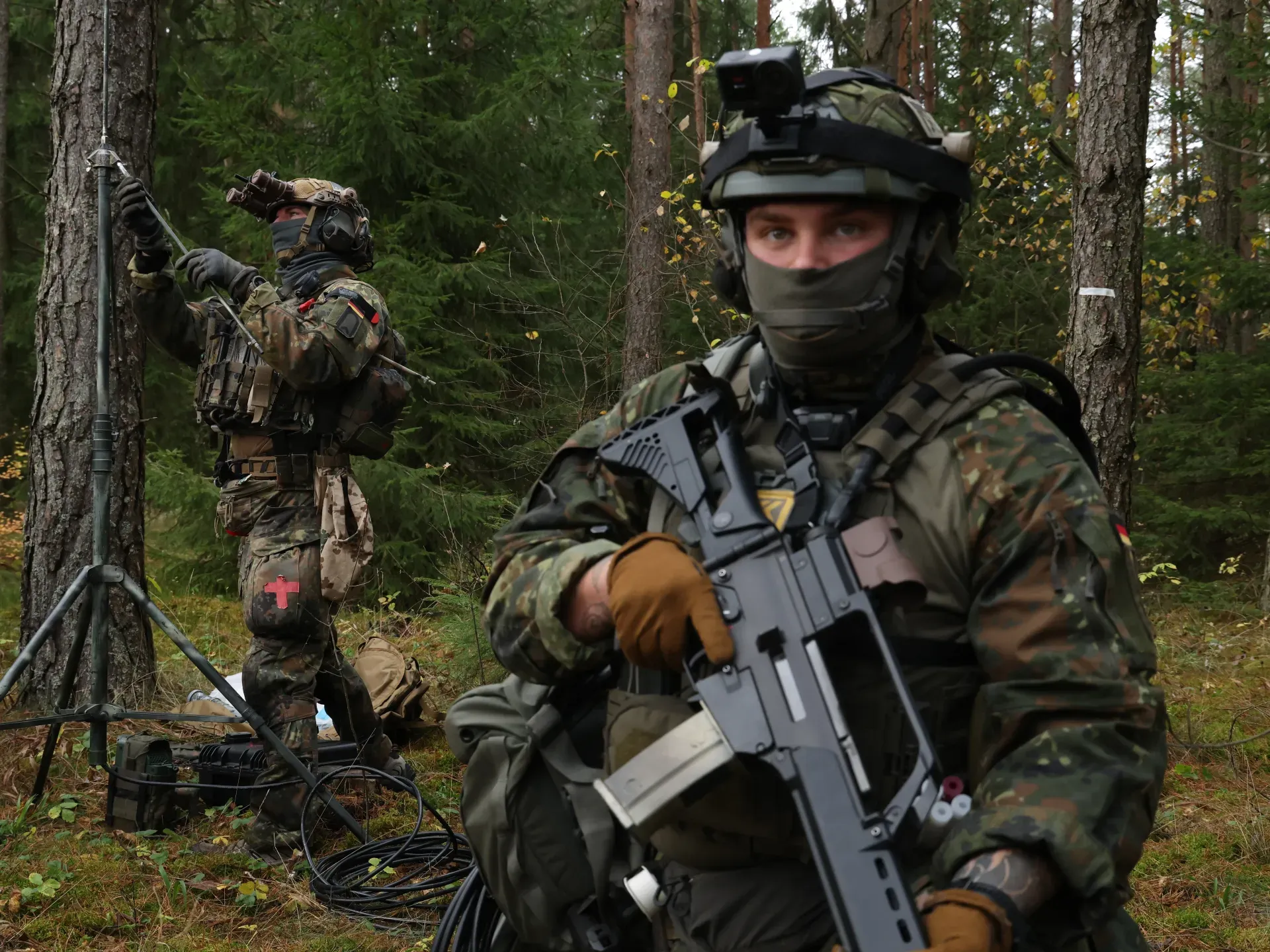
The convergence of long-standing socioeconomic grievances and the Halloween holiday has created a volatile atmosphere in two of Europe's largest economies. In Germany, the mobilization is significant, with roughly 150,000 individuals registered to participate in demonstrations across approximately 30 cities, including major hubs such as Berlin, Frankfurt, and Cologne. In France, the situation is characterized by a heightened state of alert, as authorities prepare for potential violence that could mirror previous periods of civil unrest.
The timing of these demonstrations is particularly sensitive. The Halloween weekend presents unique security challenges, as the tradition of wearing masks complicates the ability of law enforcement to identify individuals during potential clashes or acts of looting. This seasonal factor has led French officials to express particular concern regarding the potential for disorder to escalate rapidly in urban centers.
What are the primary grievances driving the youth-led movements?
The protests are largely fueled by a sense of systemic neglect and economic instability affecting the younger demographic across Europe. In Germany, the movement is spearheaded by a group known as "GenZ regelt!" (translated as "Gen Z has got this!"). Their platform focuses on several critical pillars of societal stability that they believe are being eroded.
- Cost of Living: Rapidly rising prices for essential goods and services are squeezing the disposable income and future financial security of young people.
- Educational Infrastructure: Protesters have highlighted poorly maintained schools and declining educational facilities as a failure of state investment.
- Government Fiscal Policy: Significant government spending cuts have become a focal point of anger, particularly where they impact social services.
- Political Representation: A broader sentiment exists that current political leaders are making critical decisions with little regard for the long-term interests of the younger generation.
These themes are not isolated to Germany; they reflect a broader wave of youth-led discontent sweeping through various European nations, where a perceived lack of future prospects is driving mass mobilization.
How is France responding to the threat of civil disorder?
French authorities have adopted a massive security posture to mitigate the "very high risk" of disorder cited by the interior minister. The deployment of 70,000 police officers nationwide represents a significant effort to maintain public order and prevent the recurrence of recent large-scale looting and riots.
Security measures and urban restrictions in Paris
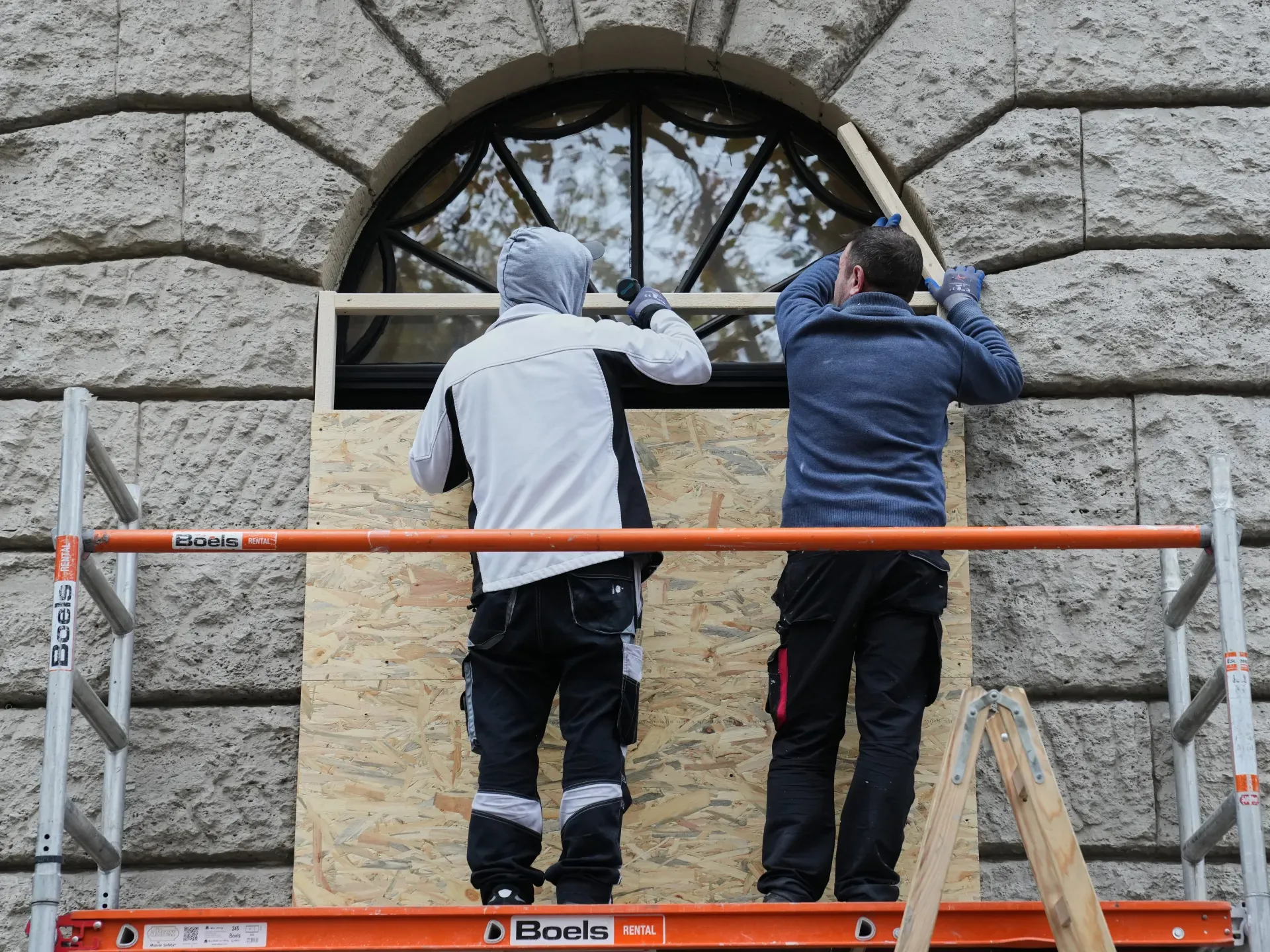
In the capital city of Paris, the response has been both visible and restrictive. To manage the movement of people and prevent chaos, more than 40 metro stations are scheduled for closure. Furthermore, there is a strict prohibition on the use of face-covering masks during demonstrations, a measure specifically aimed at countering the anonymity that the Halloween holiday provides. Business owners in Paris and other major cities have also taken preemptive steps, boarding up the windows of luxury boutiques, clothing stores, and jewellery shops to protect against potential looting and property damage.
This heightened security follows a period of intense unrest two weeks ago, when demonstrations regarding school conditions and the cost of living descended into widespread riots. Despite attempts to clamp down on violence, recent weeks have seen continued intermittent clashes between demonstrators and police, necessitating this massive reinforcement of law enforcement presence.
What are the economic and social implications for European cities?
The current wave of unrest carries significant implications for the stability of urban economies and the social contract between generations. The physical manifestation of this tension—seen in the boarding up of high-end retail windows in Berlin and Paris—indicates a direct threat to the commercial sectors of major European metropolises.
Beyond the immediate risk of property damage, the protests signal a deepening rift in European society. The commonality of grievances across borders suggests that the issues of inflation, educational quality, and political alienation are structural rather than isolated incidents. As youth movements like "GenZ regelt!" gain momentum, they challenge the traditional political establishment to address the long-term viability of the social and economic systems currently in place.
FAQ: Protests in Germany and France
How many people are expected to protest in Germany?
Approximately 150,000 people have registered to participate in protests across roughly 30 German cities. Major locations for these demonstrations include Berlin, Frankfurt, and Cologne, as part of a movement led by the group "GenZ regelt!".
What is the police response in France?
France is deploying 70,000 police officers nationwide to manage the potential for disorder. In Paris, authorities are also closing more than 40 metro stations and have issued warnings that face-covering masks will not be permitted during demonstrations.
Why is the Halloween weekend considered high risk?
The Halloween holiday is viewed as a risk factor because the tradition of wearing masks can provide anonymity to those engaging in violence or looting. French officials have specifically noted that this makes managing demonstrations more difficult for law enforcement.
What are the main reasons for the protests?
The protests are primarily driven by youth-led groups denouncing the rising cost of living, declining quality of educational facilities, government spending cuts, and a general feeling that politicians are ignoring the needs and future prospects of younger generations.
Have there been previous instances of violence recently?
Yes, two weeks prior to this weekend, France experienced widespread unrest where demonstrations against school conditions and living costs escalated into large-scale looting and riots in various cities and towns across the country.
Key takeaways
- Germany anticipates 150,000 protesters across 30 cities, led by the "GenZ regelt!" group.
- France has mobilized 70,000 police officers to manage a "very high risk" of disorder.
- Protesters are motivated by inflation, poor school conditions, and government spending cuts.
- Security measures include boarding up luxury shops and closing 40 Paris metro stations.
The outlook for European stability
The current unrest in Germany and France underscores a period of significant social volatility across Europe. As youth-led movements articulate grievances regarding economic survival and political representation, the ability of governments to address these structural concerns will be tested. The heavy security presence and the preemptive protection of commercial assets reflect a state of high alert, but they do not address the underlying causes of the discontent. Whether these demonstrations lead to meaningful policy shifts or further cycles of civil unrest remains a critical question for the region's political stability.