How was the Oleshky humanitarian truce achieved?
The humanitarian truce in Oleshky was established through high-level international mediation involving US First Lady Melania Trump and Pope Leo XIV. This six-day ceasefire represents a significant diplomatic anomaly in the context of the ongoing conflict, serving as the longest local cessation of hostilities since Russia launched its full-scale invasion in 2022. The truce allowed for a temporary pause in combat specifically to facilitate the movement of civilians and the delivery of essential supplies.
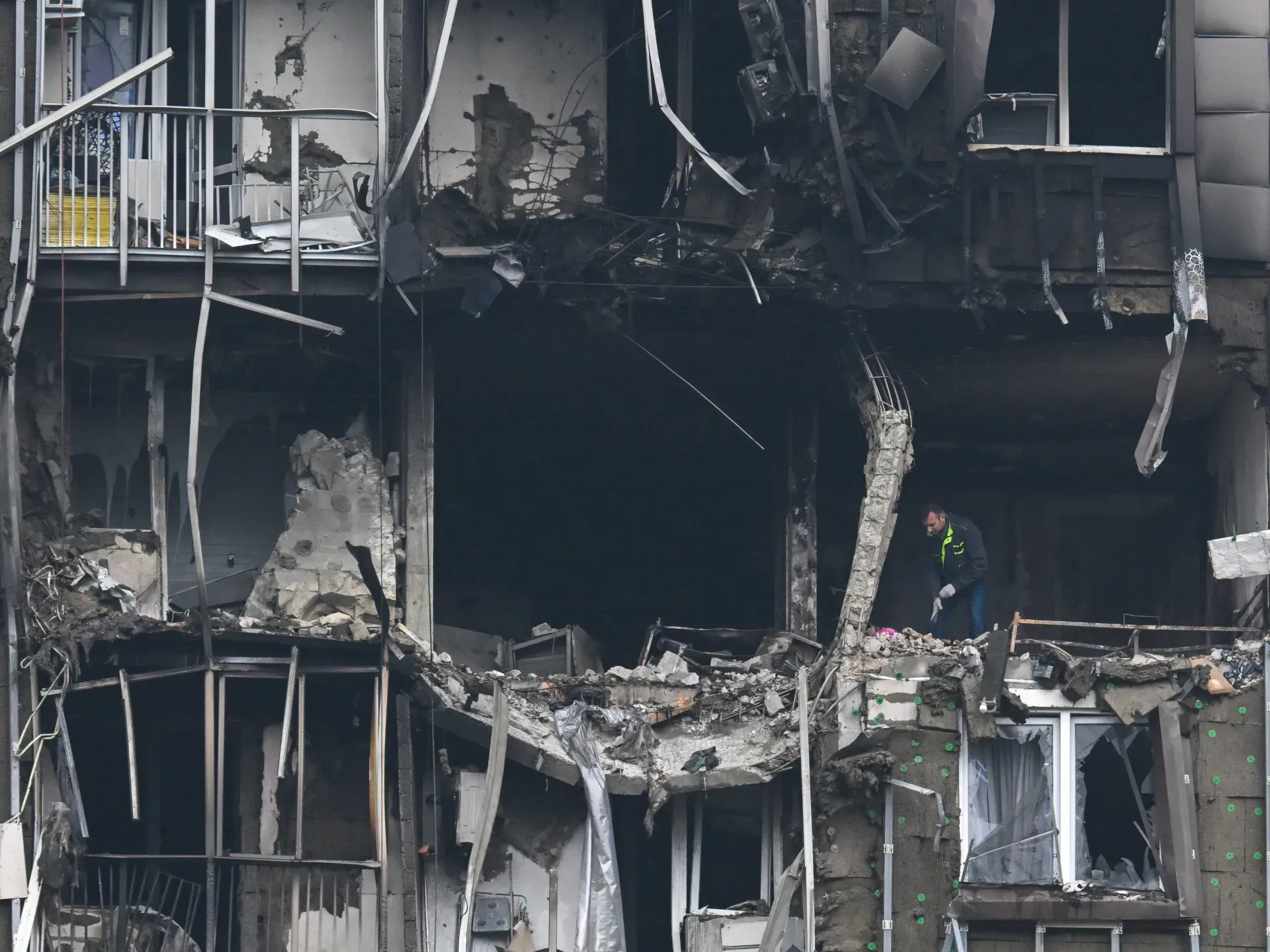
According to reports from the ground, the ceasefire held from the beginning of the week through to its scheduled conclusion on Sunday evening. During this window, both Russian and Ukrainian officials confirmed that the pause enabled critical tasks, including the de-mining of roads and the transport of food and medicine into the devastated town. While the truce provided a localized reprieve, it is important to note that active fighting and drone warfare continued in other sectors of the front line.
The role of international mediators
The involvement of Melania Trump and Pope Leo XIV provided a unique neutral framework that allowed the two warring parties to agree on a localized pause. Ukrainian President Volodymyr Zelenskyy expressed gratitude for this mediation via X, noting that while the mission was a success, further steps toward de-escalation and genuine peace remain necessary. This mediation highlights the potential for third-party actors to create narrow humanitarian corridors even amidst total war.
What conditions did Oleshky residents endure during isolation?
Residents of Oleshky faced extreme starvation and physical exhaustion due to the total disruption of supply routes by combat and drone activity. Food deliveries to the town reportedly ceased as early as May, forcing hundreds of civilians into desperate survival measures. The isolation was characterized by a complete lack of basic utilities, including electricity, running water, and gas, leaving the remaining population in a state of profound vulnerability.
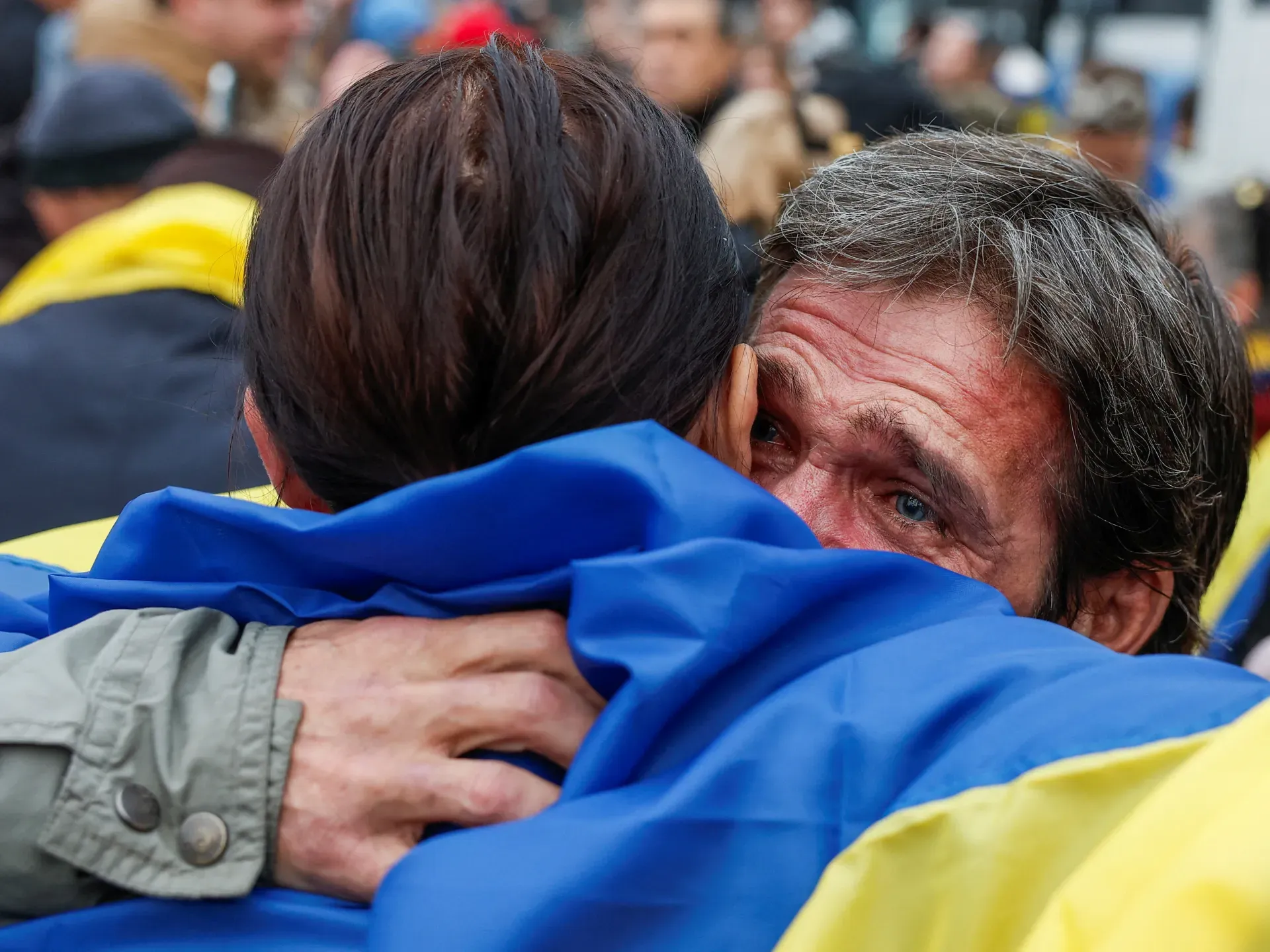
The human cost of this isolation is reflected in the testimonies of those who escaped. One elderly evacuee, speaking to Reuters, reported a weight loss of 20kg (44lbs) over a single year, leaving him too weak to function without hospital intervention. Other survivors described a harrowing struggle for sustenance; Svitlana Yermakova told Reuters that residents were forced to consume grass and squash to survive. Some even risked navigating minefields by bicycle to reach nearby villages in search of food.
What was the logistical route used for the evacuation?
The evacuation route from Oleshky to Ukrainian-controlled territory was exceptionally complex, requiring civilians to traverse multiple borders and territories. Because the town is located just a few kilometers from the front line, residents could not move directly into Ukraine. Instead, the journey involved a multi-stage transit through Russian and Belarusian territories.
The transit sequence followed this path:
- Stage 1: Departure from Oleshky via bus through the occupied Crimean Peninsula.
- Stage 2: Arrival in the Russian town of Anapa.
- Stage 3: Flight from Russia to Belarus.
- Stage 4: Land crossing from Belarus into the Ukrainian Chernihiv region.
Upon arrival in Ukraine, the evacuees were met with significant emotional support. Ukrainian officials greeted the buses with posters such as “You’re not alone,” while local villagers lined the highways with flags and flashlights to welcome the returning citizens. Medical teams were stationed at the border in large military tents, providing hot meals, tea, and urgent medical aid to the exhausted arrivals.
How has the population of Oleshky changed?
The demographic landscape of Oleshky has been fundamentally altered by the ongoing occupation and the recent humanitarian mission. Before the war, the town was home to approximately 24,000 residents. By the time the evacuation mission commenced, that number had plummeted to an estimated 1,700 people, representing a massive displacement of the local population.
While the scale of the recent evacuation was significant, the exact number of people successfully moved remains unconfirmed by Ukrainian officials. Furthermore, a portion of the population has chosen to remain in the occupied territory. Despite the lack of infrastructure and the ongoing hardships, some residents have opted to stay in their homes. To address the needs of those left behind, Russian Human Rights Commissioner Yana Lantratova stated that she would continue to work with her Ukrainian counterpart, Dmytro Lubinets, to facilitate regular humanitarian missions in the future.
FAQ: Oleshky Humanitarian Mission
Who mediated the ceasefire in Oleshky?
The ceasefire was achieved through the mediation efforts of US First Lady Melania Trump and the assistance of Pope Leo XIV. This diplomatic intervention allowed for a six-day humanitarian truce, which is the longest local pause in fighting recorded since the start of the 2022 invasion.
What was the primary purpose of the truce?
The primary purpose was to facilitate a major humanitarian evacuation of civilians and to allow for the delivery of essential supplies. The pause also enabled teams to de-mine roads, ensuring that food and medicine could reach the residents of Oleshky during the window of peace.
What route did the evacuees take to reach Ukraine?
The route was highly indirect, involving travel from Oleshky to Crimea by bus, then to the Russian town of Anapa. From there, evacuees flew to Belarus before finally crossing the border into the Ukrainian Chernihiv region to reunite with their families.
Why were the residents of Oleshky starving?
Supply routes to the town were severed by active fighting and drone strikes. According to residents, food deliveries had been halted since May, forcing the remaining population to survive on grass and squash and causing significant physical deterioration among the elderly.
Will there be future humanitarian missions to the town?
Yes, officials have indicated that regular humanitarian missions will continue. Russian Human Rights Commissioner Yana Lantratova and Ukrainian official Dmytro Lubinets have agreed to cooperate on ongoing efforts to assist the residents who have chosen to remain in the occupied territory.
Key takeaways
- A six-day humanitarian truce, mediated by Melania Trump and Pope Leo XIV, enabled the Oleshky evacuation.
- Residents faced severe starvation, with some forced to eat grass to survive after food deliveries stopped in May.
- The evacuation involved a complex route through Crimea, Russia, and Belarus to reach the Chernihiv region.
- Oleshky's population dropped from a pre-war 24,000 to approximately 1,700 before the recent mission.
Conclusion
The Oleshky evacuation serves as a stark illustration of the extreme humanitarian crises occurring within localized zones of the Russia-Ukraine war. While the mediated truce provided a vital lifeline for hundreds of exhausted and starving civilians, it also highlighted the profound isolation experienced by those remaining in occupied territories. The success of this mission, facilitated by international figures like Melania Trump and Pope Leo XIV, demonstrates the potential for targeted diplomacy to alleviate human suffering, even as the broader conflict continues to rage across the front lines.