How did the Oleshky evacuation occur?
The evacuation was made possible by a humanitarian ceasefire brokered by US First Lady Melania Trump, which provided a rare window of safety in the Kherson region. This agreement allowed for the first significant period of peace in the area in four years, facilitating the movement of civilians out of the combat zone.
The logistical operation utilized a specific window of time on Friday to move residents. A convoy consisting of 25 buses was deployed to transport up to 750 evacuees, with ambulances specifically assigned to assist individuals with limited mobility. The route taken by the evacuees was complex and indirect, involving travel through Russian-occupied territory to southern Russia, followed by flights to Belarus, before arriving by coach in the Ukrainian region of Chernihiv on Saturday.
The logistics of the transit corridor
The transit route through Belarus and Russia highlights the extreme difficulty of moving civilians out of occupied territories. Rather than a direct path into Ukrainian-controlled territory, the evacuees had to navigate through hostile or controlled zones to reach a military facility in Chernihiv. Upon arrival, many elderly evacuees were found to be in such a weakened state that they required transport on stretchers to be processed.
What were the living conditions in occupied Oleshky?
Residents described life in Oleshky as "horror," characterized by extreme scarcity and constant physical danger. The city is geographically isolated, trapped between the Dnipro River and Russian military forces, which severely restricted movement and access to essential supplies.
Survival in the city required desperate measures due to the lack of food and the presence of active combat elements. Some residents reported the following conditions:
- Food Scarcity: As supplies dwindled, some residents resorted to cooking garden weeds to stay alive.
- Minefield Risks: Attempts to find food forced some to cross through minefields, resulting in deaths and severe injuries.
- Constant Warfare: The city was subject to frequent drone attacks, missile strikes, and heavy shelling.
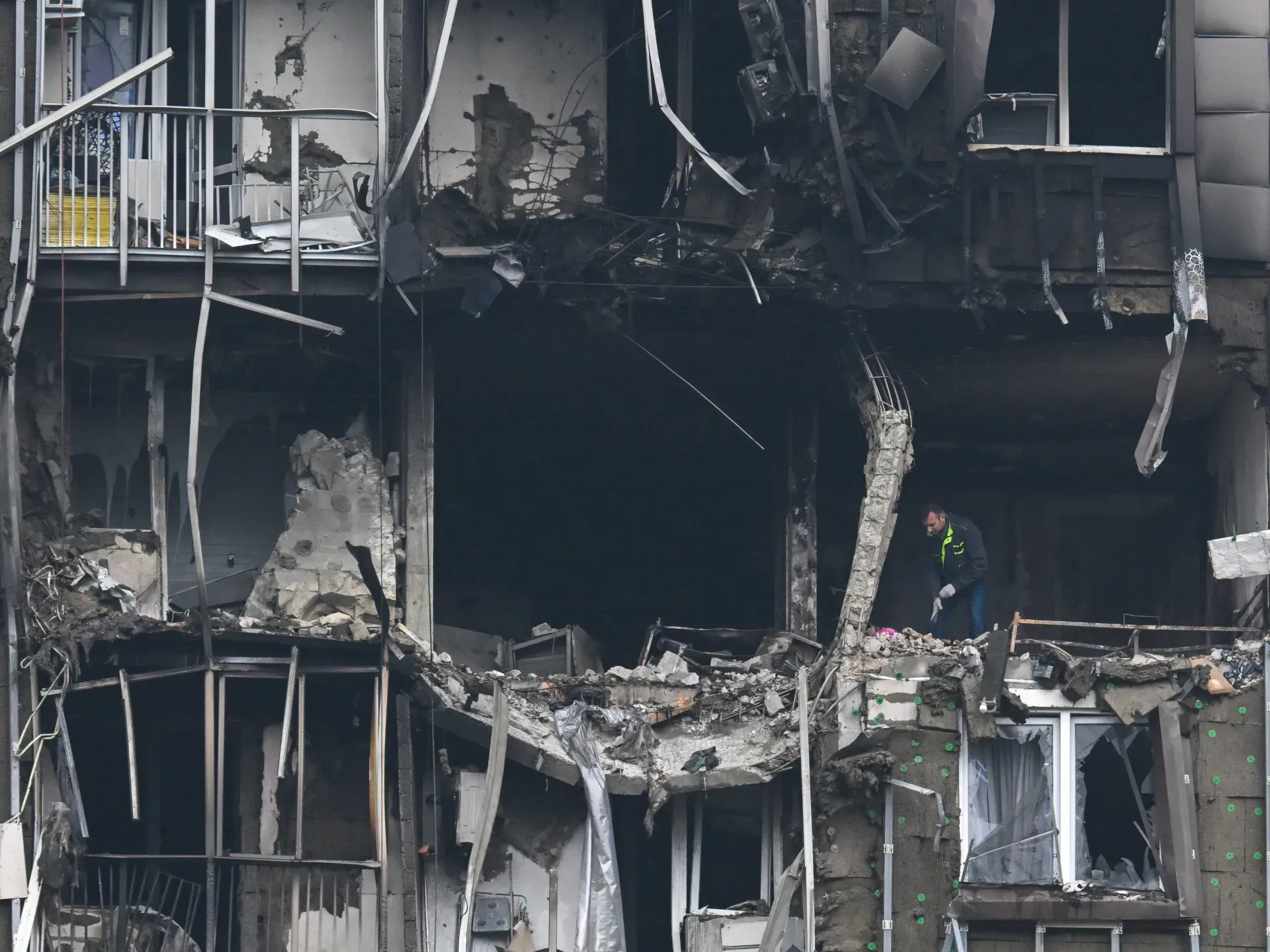
- Structural Damage: Homes were frequently damaged by explosions, with some residents living in abandoned houses after their own homes were destroyed.
The psychological toll was equally significant, as residents lived under the constant threat of strikes while attempting to shield their families from the full extent of the violence.
Why did residents stay in the city for so long?
The decision to remain in Oleshky was often driven by the fear that attempting to escape would be more lethal than staying. The presence of landmines and the threat of drone strikes on escape routes created a lethal environment for anyone attempting to flee before the ceasefire.
For many, the city had become a place of total loss. One couple reported that their entire home had been burned down three years ago, forcing them to reside in a neighbor's abandoned property. For others, the decision to leave was motivated by the realization that the humanitarian situation had become unsustainable. While some residents felt they had nothing left to lose by leaving, others expressed deep concern for the approximately 1,700 people still residing within the city itself and the thousands more in the surrounding areas.
What challenges do the evacuees face now?
Reintegration and resettlement represent the next major hurdle for those who successfully escaped the occupation. Having lost homes, livelihoods, and often family connections, the survivors must now navigate the complexities of starting over in a different part of the country.
The needs of the evacuees are diverse, ranging from immediate physical recovery to long-term economic stability:
- Housing and Shelter: Many evacuees, such as those arriving in Chernihiv, have no permanent residence and must rely on the hospitality of acquaintances or temporary facilities.
- Employment: Finding work is a priority for those looking to support their families. Some survivors have expressed a readiness to take on any form of manual labor, including construction and demolition, to rebuild their lives.
- Family Reunification: While some experienced emotional reunions upon arrival, others are still processing the trauma of separation and the loss of relatives.
- Psychological Recovery: The transition from a high-intensity conflict zone to safety involves significant mental health challenges following years of living in "hell."
FAQ: Oleshky evacuation
Who brokered the humanitarian ceasefire in the Kherson region?
The humanitarian ceasefire that allowed for the evacuation of Oleshky residents was brokered by US First Lady Melania Trump. This agreement provided the necessary security window for civilians to move through the region after four years of continuous conflict.
How many people were left in Oleshky after the evacuation?
Despite the evacuation of hundreds of people, significant numbers remain in the area. It is estimated that up to 6,000 people, including 200 children, were living in Oleshky and its surrounding environs, with 1,700 people specifically located within the city itself.
What route did the evacuees take to reach Chernihiv?
The evacuees followed a circuitous route to reach safety. They traveled through Russian-occupied territory into southern Russia, flew to Belarus, and then took buses into the Ukrainian region of Chernihiv to reach a military processing facility.
What were the main dangers faced by residents in the city?
Residents faced constant threats from missile strikes, drone attacks, and heavy shelling. Additionally, the presence of landmines in the surrounding areas made seeking food or attempting to flee extremely dangerous, often resulting in casualties.
How are the evacuees being supported upon arrival?
Upon arrival in Chernihiv, evacuees are processed at a military facility. Support includes medical assistance for the elderly and those with limited mobility, as well as temporary arrangements for those who have lost all their possessions and homes.
Key takeaways
- A humanitarian ceasefire brokered by Melania Trump enabled the Oleshky evacuation.
- Evacuees traveled through Russia and Belarus to reach Chernihiv, Ukraine.
- Up to 6,000 people were estimated to remain in the Oleshky area.
- Survivors faced extreme food shortages, including eating garden weeds to survive.
- The evacuation included 25 buses and specialized medical transport for the vulnerable.
The path to recovery for Oleshky survivors
The departure of these hundreds of residents marks the end of a period of intense isolation and terror, but it does not signal the end of their struggle. The transition from the "horror" of an occupied front-line city to the stability of life in northern Ukraine is fraught with economic and emotional obstacles. As these individuals seek employment and permanent housing, the broader humanitarian community must address the needs of both the newly arrived evacuees and the thousands who remain trapped in the Kherson region.