What is the purpose of the current Kherson ceasefire?
The temporary pause in hostilities is primarily designed to facilitate a humanitarian operation to secure safe passage for civilians in the Russian-occupied city of Oleshky. Located on the opposite side of the Dnipro river from Kherson, Oleshky is the focus of a US-brokered effort led by Melania Trump to ensure residents can be evacuated safely. According to reports, Russian forces have been engaged in clearing minefields along the necessary routes to prepare for a planned civilian evacuation scheduled for Friday.
While the ceasefire serves a humanitarian function, it is also a highly visible diplomatic event. American journalists are expected to be invited to witness the operation, providing international oversight to the movement of civilians out of the occupied zone. This window of peace is strictly time-bound, with the current agreement set to conclude on Sunday.
How has the ceasefire affected daily life for Kherson residents?
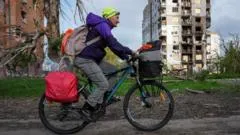
For the first time in several years, Kherson has experienced a period of near-total silence, allowing for a semblance of normalcy. Dmytro Lubinets, Ukraine's human rights ombudsman, noted that the city has "literally come back to life," with residents enjoying the autumn sun and walking through streets that are otherwise heavily fortified with anti-drone nets. This respite has allowed people to perform tasks that were previously life-threatening.
Returning to the "red zone"
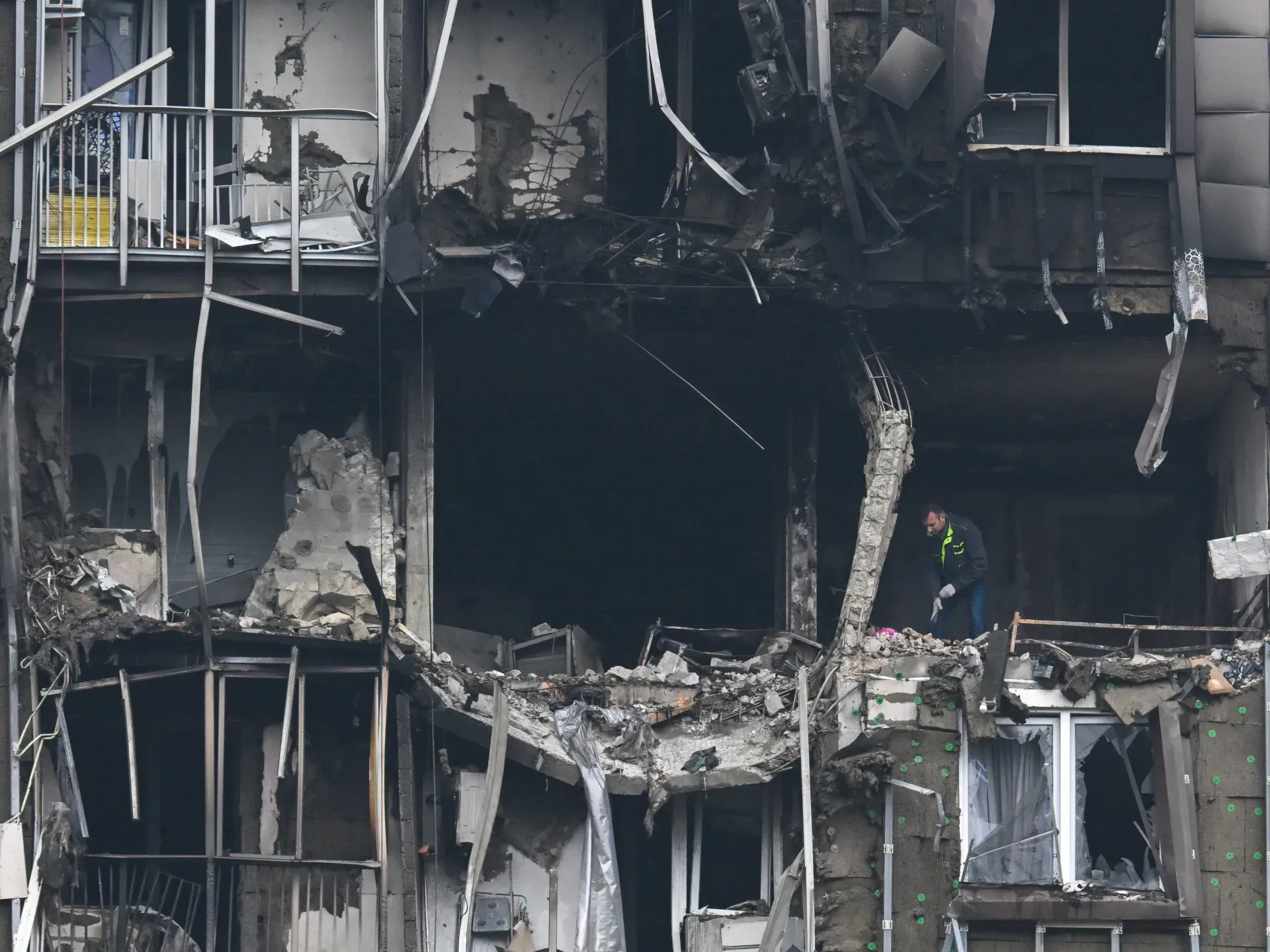
The ceasefire has granted dozens of people the opportunity to access their homes in the so-called "red zone" of Kherson. This area is characterized by extreme exposure to artillery and drone strikes, making it virtually unlivable during active combat. Residents have used this window to retrieve personal belongings, though many discovered their homes had been looted or reduced to charred shells. For some, the return is not about material goods but about closure, such as visiting the graves of loved ones lost to drone attacks.
The psychological impact of the silence is profound. Residents describe a sense of disbelief; while many have learned to live with constant blackouts and the threat of concealed mines, the sudden absence of shelling has allowed for moments of calm that were previously unthinkable. However, this calm is tempered by the knowledge that the window is closing.
Why are there concerns about a Russian military build-up?
Despite the humanitarian focus of the truce, there are significant indications that Russian forces are using the lull to enhance their combat capabilities. An anonymous source within the local government informed the BBC that the pause is being exploited to bring in additional military supplies, including weapons, ammunition, and drones, as well as to carry out the redeployment of forces.
Petro Andriushchenko, Director of Ukraine's Center for Studying the Occupation, reported that locals have observed military activity around Radensk, located approximately 20km (12 miles) from Oleshky. This build-up suggests that the ceasefire may be serving a dual purpose: facilitating a civilian evacuation while simultaneously preparing for a renewed offensive. Andriushchenko warned that once the ceasefire ends, the situation could become more severe than before because Russian units will be better prepared and strengthened.
What is the long-term outlook for the Kherson region?
The expiration of the ceasefire on Sunday marks a critical turning point for the region. As the evacuation of Oleshky concludes, there is widespread apprehension that military strikes will not only resume but likely increase in intensity. Residents express a clear-eyed understanding that the period of peace is a temporary anomaly rather than a permanent shift in the conflict's trajectory.
The demographic impact of the ongoing war remains a stark reality for the city. Since the start of the full-scale Russian invasion, the population of Kherson has plummeted from over 250,000 to approximately 65,000. This massive displacement reflects the sustained pressure on the region, where civilian life has had to adapt to an environment of underground schools, hospitals, and constant aerial threats. As the truce ends, the fear is that the upcoming phase of the conflict will be characterized by even greater chaos and destruction.
FAQ: Kherson ceasefire
What is the deadline for the current ceasefire?
The temporary ceasefire is scheduled to end this Sunday. This deadline follows the planned humanitarian evacuation of civilians from the Russian-occupied city of Oleshky, which is intended to be completed by Friday. Once the deadline passes, residents expect a significant increase in military activity.
Who brokered the ceasefire in Kherson?
The ceasefire was brokered by the United States, specifically through efforts involving Melania Trump. The primary goal of this diplomatic intervention is to ensure the safe passage and evacuation of civilians from the occupied territory of Oleshky across the Dnipro river.
Why is the "red zone" in Kherson so dangerous?
The "red zone" refers to areas in Kherson that are extremely vulnerable to constant artillery fire and drone attacks. These regions are considered nearly unlivable during active hostilities, as being present in these locations often carries a high risk of death from incoming strikes.
Are there reports of military movement during the truce?
Yes, there are reports of Russian forces using the ceasefire to strengthen their positions. Local government sources and observers have noted a military build-up near Radensk, including the movement of weapons, ammunition, and drones, suggesting the truce is being used for military redeployment.
How has the population of Kherson changed during the war?
The population has seen a drastic decline due to the conflict. According to local data, the city's population has dropped from more than 250,000 at the start of the Russian invasion to roughly 65,000 residents today, reflecting the severe impact of the ongoing warfare.
Key takeaways
- The US-brokered ceasefire is set to expire this Sunday following the Oleshky evacuation.
- Russian forces are suspected of using the lull to move weapons and drones into position.
- Kherson's population has decreased from 250,000 to approximately 65,000 since the invasion began.
- The truce allowed residents to briefly access highly dangerous "red zone" areas to retrieve belongings.
Conclusion
The current ceasefire in Kherson represents a fragile moment of humanity amidst a prolonged and devastating conflict. While it has successfully provided a window for the humanitarian evacuation of Oleshky and allowed local residents a rare period of respite, the strategic implications remain deeply concerning. The reports of Russian military build-ups suggest that the pause may be serving as a tactical advantage for the occupying forces. As the deadline approaches, the residents of Kherson remain caught between the joy of temporary peace and the looming dread of a renewed and potentially more intense escalation.