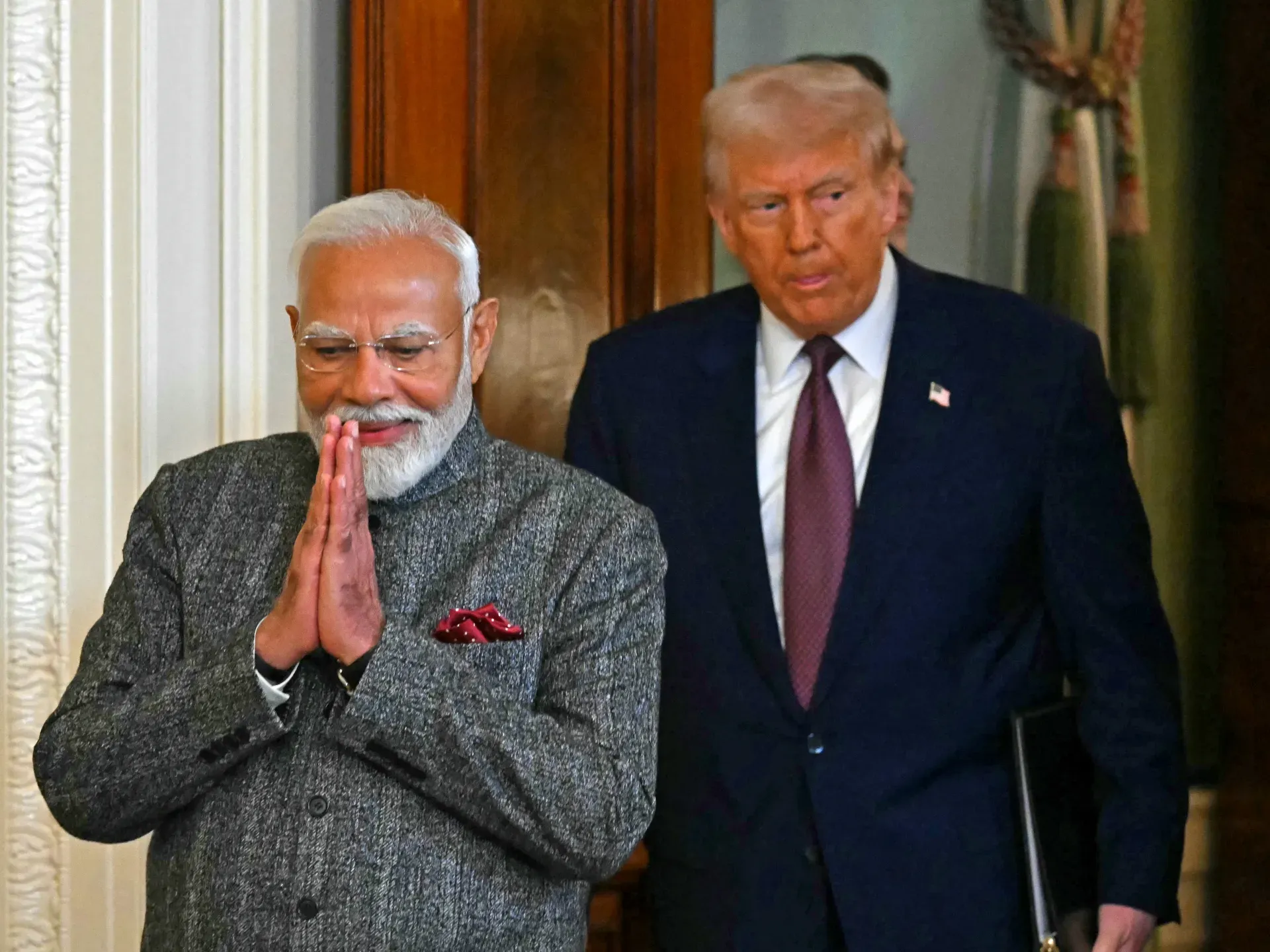
Why has the diplomatic warmth between Modi and Trump vanished?
The relationship has transitioned from public displays of camaraderie to overt diplomatic criticism. In 2019, the bond between Prime Minister Narendra Modi and Donald Trump was characterized by massive public rallies, such as the 'Howdy Modi' event in Houston, where 50,000 Indian Americans gathered to support the US leader. At that time, Modi described Trump as "India's best friend in the White House."
Today, that enthusiasm has been replaced by a more transactional and often confrontational dynamic. Indian officials are no longer shielding the administration from public scrutiny. Instead, they are addressing grievances directly on the international stage. This shift is a departure from India's traditional diplomatic strategy, which typically involves resolving sensitive bilateral disputes through quiet, behind-the-scenes negotiations rather than public rebukes.
The shift from public endorsement to public criticism
The contrast between the two eras is stark. While the 2019 era was defined by Modi's active galvanization of the Indian-American diaspora to support Trump's re-election, the current climate is defined by resentment. Analysts suggest that the Modi government is now navigating a landscape where the bipartisan consensus that once underpinned US-India ties in Washington appears to be fracturing.
What are the primary drivers of the current bilateral tension?
Economic policy and regional security concerns are the two main pillars of the current friction. India has faced significant pressure from the Trump administration's "self-centred" trade approach, which has disproportionately affected the Global South. The lack of progress in trade negotiations has reached a critical impasse, with Indian leadership suggesting that further concessions may be impossible.
Specific points of contention include:
- Trade Tariffs: India has been among the hardest-hit nations by US tariff regimes. Even after the US Supreme Court struck down certain sweeping tariffs in February, the administration pivoted to a new 10 percent global tariff and threatened even higher levies on nations purchasing Russian oil.
- Energy and Russia: Washington has applied intense pressure on New Delhi to cease its acquisition of Russian oil, a move that conflicts with India's strategic autonomy.
- Regional Security: India has expressed concern over the US warming to its archrival, Pakistan, and has rejected Trump's claims regarding his alleged role in mediating an India-Pakistan ceasefire in 2025.
The stalemate in trade negotiations
According to India's Minister of Corporate Affairs, Nirmala Sitharaman, recent trade discussions have reached a "plateau." This suggests that the "give and take" required for a successful deal has become increasingly difficult to achieve under the current MAGA-driven economic framework. The administration's willingness to use tariffs as a tool of foreign policy has made reaching a consensus nearly impossible.
How has US domestic policy affected the Indian diaspora?
The MAGA movement's focus on immigration and labor has struck a deep nerve within the Indian community. For years, the Indian-American community has been a vital economic and political force in the US, yet they now face increasing hostility. This hostility manifests in both policy changes and social rhetoric.
The impact is visible in several areas:
- Visa Restrictions: Increased fees for H-1B specialized worker visas and a broader crackdown on immigration have disrupted the professional lives of many Indian workers.
- Social Rhetoric: There has been a rise in anti-Indian sentiment on US social media, often involving racist tropes that accuse Indian immigrants of "stealing" jobs.
- Immigration Enforcement: The visual of undocumented Indian immigrants being returned to their home country in shackles early in Trump's second term caused significant outrage in India.
Milan Vaishnav of the Carnegie Endowment for International Peace notes that while the Indian government can tolerate policy differences, the direct attacks on Indian Americans have fundamentally altered the emotional landscape of the relationship.
What is the impact of the upcoming US midterm elections?
The 2026 US midterm elections represent a pivotal moment for the future of India-US relations. As President Trump faces the possibility of losing significant ground in Congress, New Delhi's strategic calculus may be shifting. There is a growing sentiment among analysts that the Modi government might actually prefer a version of the US administration that is "chastened" by electoral losses.
A weakened presidency could lead to:
- Legislative Constraints: A loss in the midterms could cripple Trump's ability to push through aggressive trade or immigration agendas that clash with Indian interests.
- Policy Re-evaluation: A diminished mandate might force the White House to adopt a more balanced approach to its "self-centred" foreign policy.
- Reduced Volatility: A more constrained administration might return to the more predictable, bipartisan patterns that characterized previous eras of US-India cooperation.
US Secretary of State Marco Rubio has acknowledged the difficulty of this balance. While asserting that tariffs are not intended to harm India, he admitted that the ongoing conflict between Russia and Ukraine makes the relationship a constant challenge for the administration to manage.
Frequently asked questions
Why did India support Trump in 2019?
In 2019, Prime Minister Modi sought to leverage the influential Indian-American diaspora to support Trump's re-election. The relationship was characterized by high-profile personal bonhomie and a shared interest in maintaining strong ties between the two democratic nations, exemplified by the 'Howdy Modi' rally in Texas.
What is the main issue regarding trade between India and the US?
The primary issue is the impasse in trade negotiations caused by the Trump administration's tariff-heavy policies. India has been heavily impacted by US tariffs and the threat of 100 percent levies on countries that continue to purchase Russian oil, leading to a stalemate in bilateral talks.
How has immigration policy affected Indian citizens?
Immigration policies, including higher H-1B visa fees and stricter enforcement, have created significant friction. Furthermore, the use of aggressive rhetoric against Indian immigrants and the deportation of undocumented individuals have caused widespread outrage and damaged the social fabric of the relationship.
Why is the relationship with Pakistan a concern for India?
India is concerned by what it perceives as a warming of US ties toward Pakistan. New Delhi views this as a setback to regional stability, especially given its concerns over terrorism and the US administration's claims regarding mediation in India-Pakistan disputes.
Will the US midterm elections change India-US relations?
The midterms could result in a more constrained US presidency if Trump loses significant power in Congress. Analysts suggest this might lead to a more stable relationship, as a weakened administration may be less able to pursue the unilateral and disruptive policies that have defined the current term.
Key takeaways
- The relationship has shifted from public endorsement in 2019 to direct diplomatic criticism by 2026.
- Trade negotiations have reached a plateau due to punitive US tariffs and "self-centred" economic policies.
- Immigration crackdowns and H-1B visa fee increases have deeply angered the Indian diaspora.
- New Delhi is navigating tensions regarding US ties to Pakistan and pressure to stop buying Russian oil.
- The 2026 US midterms may provide New Delhi with a more predictable, less volatile partner.
Conclusion
The trajectory of India-US relations under the current administration marks a significant departure from the era of bipartisan consensus and personal diplomacy. What was once a partnership defined by shared democratic values and public enthusiasm has become a complex struggle over trade, immigration, and strategic autonomy. As the US approaches the 2026 midterm elections, the geopolitical stakes remain high. Whether the result leads to a more constrained and cooperative Washington or further fragmentation remains to be seen, but New Delhi's shift toward open criticism signals a new, more assertive chapter in its foreign policy.