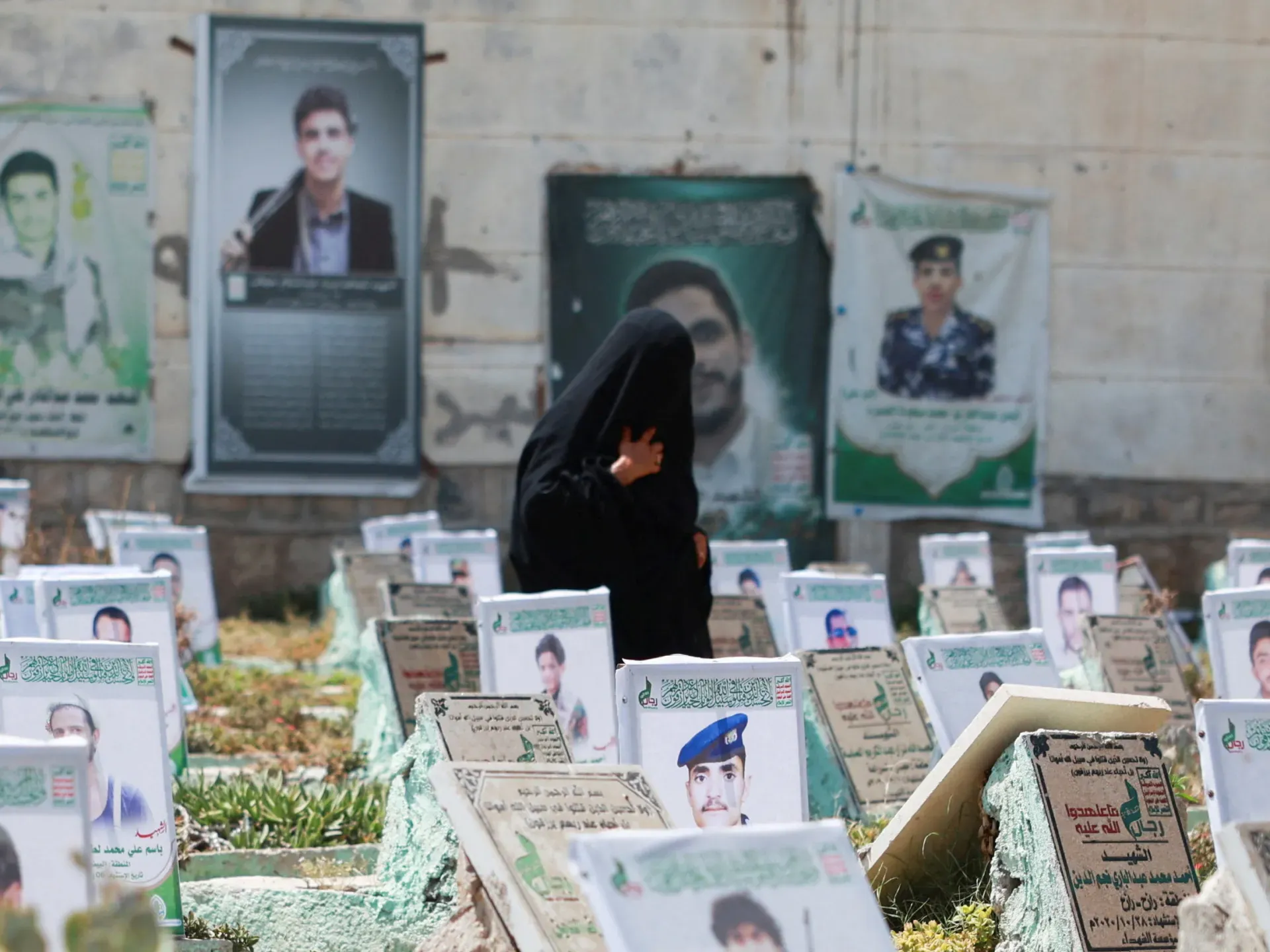
How does the escalation in Yemen's war affect bereaved families?
The recent intensification of fighting between Saudi-backed government forces and the Iran-aligned Houthi group has significantly increased the number of combatant fatalities, leaving families to face a dual crisis of grief and poverty. While public funerals and tributes provide a fleeting sense of communal solidarity, they do little to address the long-term instability caused by the loss of primary breadwinners.
For many households, the death of a fighter represents the loss of a critical economic pillar. In Sanaa, families often rely on the pooled earnings of multiple members to cover basic necessities like water, electricity, and food. When a family member is killed, the remaining relatives—often women and children—must suddenly shoulder these responsibilities without the necessary resources. This transition frequently leads to a cycle of debt and hunger, as the social recognition of 'martyrdom' rarely translates into sustained financial security.
The economic reality of loss
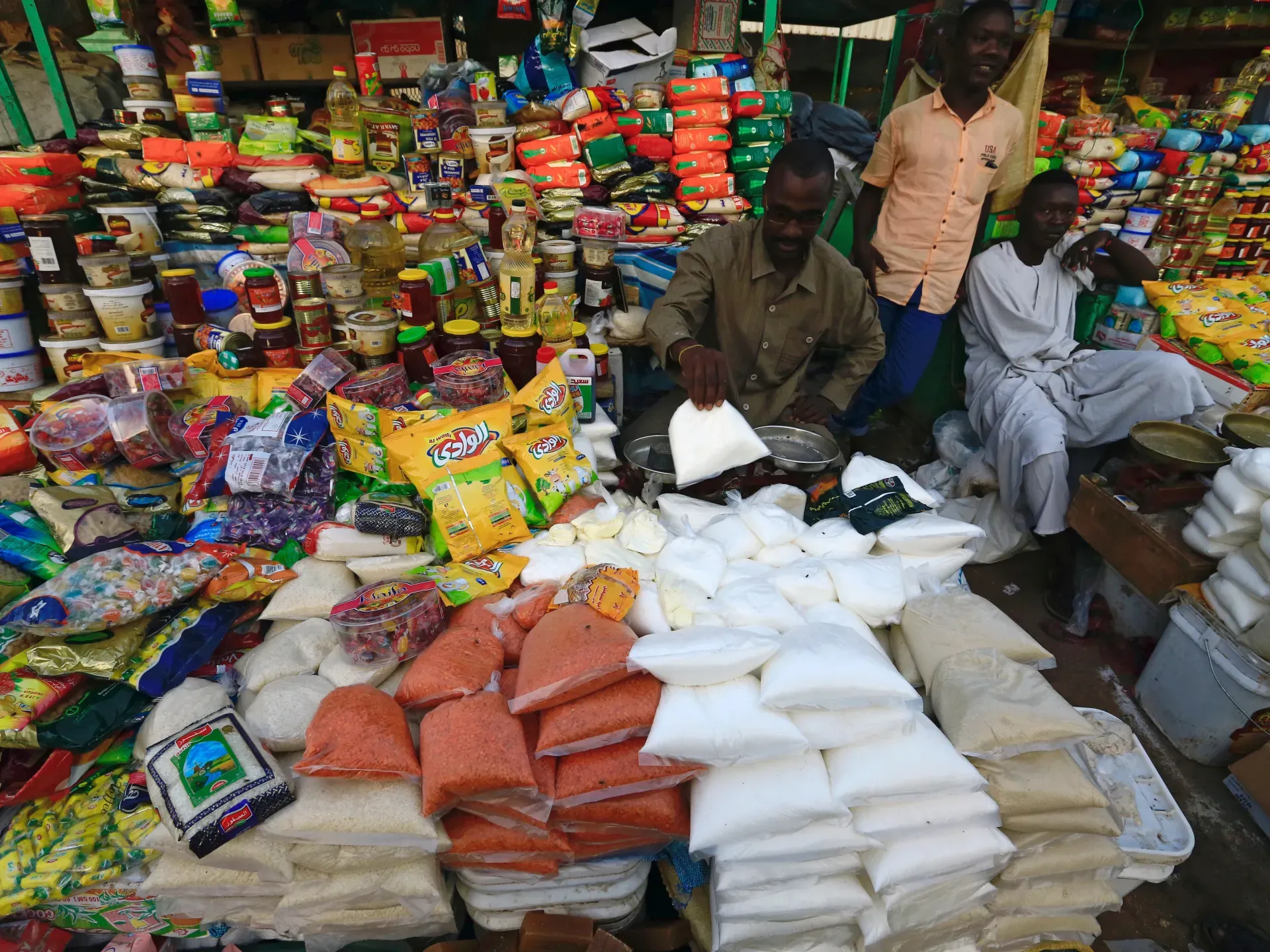
The financial impact is exacerbated by rising costs of living in conflict-affected areas. For instance, in Houthi-controlled northwestern Yemen, petrol and diesel prices recently saw a 10 percent increase, driving up the cost of essential goods. For a family already struggling to meet basic needs, such inflationary pressures can be the difference between survival and starvation.
What are the current casualty figures in the conflict?
Casualty rates have surged in recent weeks, with both Houthi and pro-government forces reporting significant losses. The scale of the violence is reflected in recent government reports and military engagements.
- The Yemeni government reported killing or wounding 1,540 Houthis in a single 24-hour period earlier this month.
- Since October 5, the government stated that 16,100 Houthi operatives and commanders had been killed or wounded.
- On October 19, a missile attack on a security camp in Shabwa resulted in more than 70 government soldiers killed.
These figures underscore a period of intense combat that threatens to deepen the existing humanitarian catastrophe. The World Food Programme's Assistant Executive Director for Programme Operations, Matthew Hollingworth, noted that the current escalation threatens to be "absolutely devastating" for food security, warning of a growing hunger crisis if the fighting persists.
Why is humanitarian aid often insufficient for these families?
Current support mechanisms, such as food baskets provided by Houthi authorities, are frequently described by recipients as irregular and inadequate for long-term survival. While symbolic gestures of support exist, they often fail to meet the monthly requirements of a struggling household.
Ali Yahia, a 55-year-old father in Sanaa whose son was killed four years ago, noted that food assistance is often sporadic, arriving only a few times a year. He suggested that a monthly salary of at least $200 would be required to provide "fair compensation" and cover basic monthly expenses. Without such predictable support, families remain in a state of constant vulnerability.
Houthi representatives have acknowledged that the sheer volume of casualties is stretching the authorities' ability to provide aid. Ali Mohammed, a Houthi representative in Sanaa, stated that the rising number of martyrs affects the level of support available, though he maintained that assistance is distributed to ensure every family receives some form of help. He argued that stability could only be achieved through a complete victory, which would eventually allow for better care of these families.
What are the social and psychological consequences of the conflict?
Beyond the immediate economic fallout, the conflict has introduced new social dynamics in Yemen, specifically the public celebration and normalization of combatant deaths. Researchers suggest these practices may have long-term negative impacts on the social fabric of the country.
Adel Dashela, a researcher at the Sanaa Center for Strategic Studies, described the public celebration of fallen fighters as an "alien practice" that emerged during the war. He argued that these rituals reflect a normalization of violence that may encourage younger generations to risk their lives under sectarian or political slogans. This phenomenon, he noted, was not a traditional part of Yemeni culture prior to the Houthi takeover of Sanaa.
Furthermore, the psychological burden is often unevenly distributed. While the public focuses on the glory of the fallen, the actual daily reality is borne by the survivors. Dashela emphasized that public displays of honor do not alleviate the profound social, psychological, and financial suffering of the families left behind, particularly women and children who must navigate the aftermath of loss in an increasingly unstable environment.
FAQ: Yemen's conflict and its impact
How many people face food insecurity in Yemen?
According to the World Food Programme, approximately 18.3 million people across Yemen are currently facing severe food insecurity. This crisis is compounded by the fact that 2.2 million children under the age of five are suffering from acute malnutrition due to the ongoing conflict and economic instability.
What is the impact of rising fuel prices on Yemeni families?
Rising fuel prices, such as the 10 percent increase recently seen in Houthi-controlled areas, directly increase the cost of basic goods and services. This places immense pressure on families who are already struggling to afford essential utilities like water and electricity, often forcing a choice between paying bills and buying food.
How does the Houthi group support the families of fallen fighters?
Support typically consists of irregular food baskets containing items like flour, rice, sugar, and cooking oil. However, many families report that this assistance is infrequent and insufficient to cover their monthly living expenses, leading to calls for more consistent and substantial financial compensation.
What has the UN reported regarding total war casualties?
At the end of 2021, the United Nations estimated that the war in Yemen had resulted in 377,000 deaths, including both direct combat fatalities and indirect deaths caused by the conflict. Recent escalations in fighting suggest these numbers continue to rise.
Is the public mourning of fighters a traditional Yemeni practice?
Researchers suggest that the highly publicized, celebratory nature of mourning fallen fighters is a relatively recent phenomenon linked to the current war. Experts argue this practice normalizes violence and can lead to the psychological and social marginalization of the families who must deal with the actual consequences of loss.
Key takeaways
- 18.3 million Yemenis face severe food insecurity due to the ongoing conflict.
- Rising fuel prices in Houthi-controlled areas increase the cost of essential goods.
- Current humanitarian aid, such as food baskets, is often irregular and insufficient.
- The death of breadwinners places a disproportionate burden on women and children.
- Casualty rates have seen significant spikes during recent military escalations.
Conclusion
The humanitarian crisis in Yemen is not merely a matter of battlefield statistics; it is a deeply personal struggle for millions of families. As the conflict continues to claim lives, the resulting economic instability and psychological trauma create a cycle of poverty that is difficult to break. While public tributes may offer a sense of national purpose, they do little to secure the futures of the women and children left behind. Addressing the long-term needs of these households is essential to preventing a permanent collapse of the social fabric in Yemen.