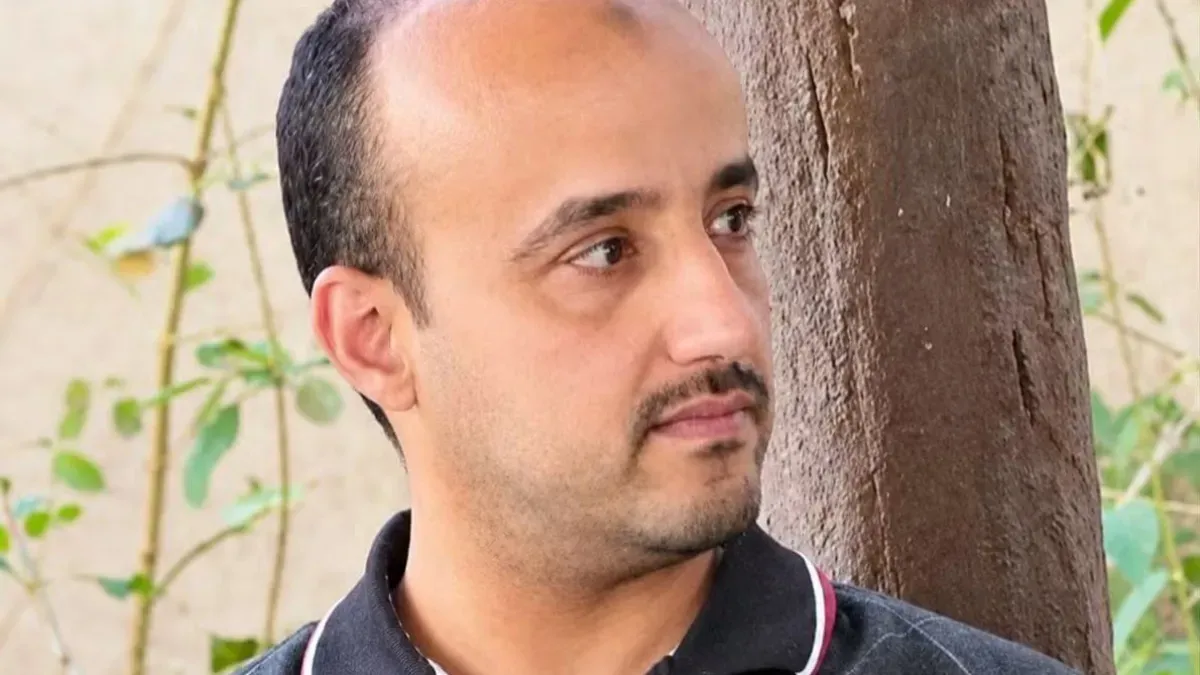
What are the circumstances surrounding the death of Mohammad el-Shami?
Mohammad el-Shami, an employee of the UN Human Rights Office, died while held in Houthi custody in Yemen after being detained since June 2024. Although the death occurred more than a month prior to the recent official notifications, his family had been left without information regarding his status or the cause of his passing for an extended period.
The lack of transparency regarding el-Shami's detention has drawn sharp criticism from high-ranking international officials. UN High Commissioner for Human Rights Volker Turk has specifically demanded that Houthi authorities in Sanaa provide full disclosure of all relevant medical and detention records. Turk emphasized that the family deserves the truth and called for the preservation of all evidence to ensure that any stated cause of death can be independently scrutinized.
The demand for transparency and accountability
The UN's position is that accountability for wrongdoing must be established through a prompt and transparent process. This includes not only the investigation into el-Shami's specific case but also a broader look at the conditions under which UN and NGO staff are being held. Without independent oversight, the international community remains unable to verify whether deaths in custody are the result of medical negligence, deprivation, or direct harm.
How does Houthi detention impact international humanitarian operations?
The death of el-Shami highlights a growing pattern of targeting UN and non-governmental organization (NGO) workers by Houthi forces, who have controlled much of northern Yemen since the capture of Sanaa in September 2014. The security of humanitarian personnel has reached a critical point, with many workers facing arbitrary arrest and long-term disappearance.
According to Amnesty International, as of February 2025, 73 UN staff members and dozens of other humanitarian workers were being held in detention. This environment of uncertainty poses a direct threat to the delivery of essential services in Yemen, as international organizations struggle to protect their staff from political retaliation. UN Secretary-General Antonio Guterres has expressed deep concern for the safety of all detained personnel, including former UN staff and civil society workers, calling for their immediate and unconditional release.
Why are Houthi authorities targeting UN and NGO workers?
Houthi authorities frequently justify the detention of humanitarian workers by accusing them of involvement in espionage. The group has systematically used allegations of spying to target civil rights activists and NGO employees, often claiming they are part of an "American-Israeli spy network."
In 2024, the year el-Shami was arrested, the Houthis accused more than 60 UN and NGO workers of participating in such networks. These accusations appear to serve as a mechanism for political extortion, allowing the de facto authorities to exert control over international entities operating within their territory. By labeling aid workers as spies, the group creates a pretext for arbitrary detention and the suppression of human rights monitoring activities.
What are the obstacles to achieving accountability in Yemen?
Achieving legal or judicial accountability for deaths in Houthi-controlled territories is extremely difficult due to the group's total control over the mechanisms of evidence and justice. Because the Houthis manage the prisons, medical records, and the availability of witnesses, there is virtually no independent oversight of their detention facilities.
Tawfik Alhamidi, President of the SAM Organization for Rights and Liberties, noted that the withholding of information by Houthi authorities may be a systematic tactic designed to obscure the true nature of deaths in custody. Many deaths reported by the group are attributed to sudden illness, suicide, or natural causes, making it difficult for external investigators to challenge these claims.
The question of medical negligence
Even in cases where a death is attributed to a natural illness, human rights advocates argue that the Houthi authorities remain responsible. The core issue is whether the detainees were provided with adequate medical care or if their deaths were the result of intentional deprivation or gross negligence. Without access to the detainees or their medical files, proving these claims remains a significant challenge for international observers.
What is the response from the internationally recognized government?
Meshdal Mohammed, the Minister of Human Rights for Yemen’s internationally recognized government, has held the Houthi militia fully responsible for the abduction, forced disappearance, and eventual death of Mohammad el-Shami. The Yemeni government has characterized the situation as a crisis that requires a serious review of how the treatment of civil rights workers is being handled.
The government's position reflects a broader condemnation of the Houthi practice of detaining individuals for years without allowing their families to visit or receive updates on their condition. This pattern of forced disappearance is viewed by the recognized authorities as a direct violation of international humanitarian law and a tool of political repression.
FAQ: Houthi detention Yemen
Who was Mohammad el-Shami?
Mohammad el-Shami was a staff member for the UN Human Rights Office. He was arbitrarily detained by Houthi rebel forces in Yemen in June 2024 and died while in their custody. His death has prompted urgent calls for international investigations into Houthi detention practices.
How many UN staff are currently detained in Yemen?
According to data from Amnesty International, 73 UN staff members were in detention as of February 2025. This figure is part of a larger group of humanitarian and NGO workers who face similar risks of arbitrary arrest and detention by Houthi authorities.
What reasons do the Houthis give for arresting aid workers?
The Houthi authorities frequently accuse UN and NGO workers of espionage. They have specifically claimed that many detainees are part of an "American-Israeli spy network," using these allegations to justify the detention of civil rights activists and humanitarian personnel.
Has anyone else from the UN died in Houthi custody?
Yes, Mohammad el-Shami is the second UN staff member to die in Houthi custody. He follows a World Food Programme employee who died while in detention in February 2025. Both deaths have increased international pressure on the Houthi authorities.
Why is it hard to investigate these deaths?
Investigation is difficult because the Houthi group controls all prisons, medical records, and witnesses. There is currently no independent judicial or human rights oversight in Houthi-controlled areas, allowing the group to control the narrative surrounding the cause of death in custody.
Key takeaways
- Mohammad el-Shami, a UN Human Rights Office staffer, died in Houthi custody after being detained since June 2024.
- Amnesty International reported 73 UN staff members were in detention in Yemen as of February 2025.
- The Houthis frequently use espionage allegations to justify the detention of humanitarian and NGO workers.
- Independent investigation is hindered by Houthi control over prisons, medical records, and witnesses in northern Yemen.
The path toward accountability
The death of Mohammad el-Shami underscores a deteriorating environment for international humanitarian actors in Yemen. As the Houthi authorities continue to use detention as a tool for political leverage, the gap between international human rights standards and local reality widens. Achieving true accountability will require more than just calls for investigation; it demands a fundamental shift in how the de facto authorities in Sanaa interact with the international community. Until independent oversight is granted access to detention facilities and medical records, the safety of those working to alleviate Yemen's humanitarian crisis remains profoundly uncertain.